Quick answer
Clean your bird's perch by removing droppings daily with a damp cloth, then deep clean wood or cement perches weekly with a moistened perch cleaner and warm water. Always dry the perch completely before returning it to the cage, and never use a cleaner on sand perches because it will break down the grit.
Why perch cleaning is different from cage cleaning
Perches get more direct contact with your bird's feet and beak than almost any other surface in the cage. Droppings, food residue, and feather dust build up in the grain of wood or the pores of cement, and that buildup is what irritates feet and creates odor. A wipe-down of the cage tray does not clean the perch itself. Treat the perch as its own weekly task, separate from changing cage paper.
Daily spot cleaning that takes two minutes
Each morning, look at the perch before your bird starts the day. Fresh droppings lift off easily with a damp paper towel. If you wait until they harden, you will need to scrub, and scrubbing roughs up wood perches over time. Keep a dedicated cloth or paper towel for perches so you are not spreading cage-tray residue onto the surface your bird grips.
How to deep clean wood and cement perches
Once a week, remove the perch from the cage and moisten it with warm water. Moistening first prevents excessive dust and loosens droppings so you do not have to press hard. Use a perch cleaner made for wood or cement perches, move it gently along the surface until clean, then rinse and let the perch air-dry fully before putting it back. If the perch still feels damp, it is not ready.
What to do with sand perches and rope perches
Sand perches should not be cleaned with a liquid perch cleaner because the cleaner can degrade the abrasive surface. Instead, brush off dry debris with a stiff brush and replace the perch when the grit wears smooth. Rope perches are not covered by most perch cleaners either; check the manufacturer's instructions, and when in doubt, hand-wash with plain warm water and dry thoroughly.
Drying, rotation, and when to replace a perch
Damp perches grow bacteria, so drying is not optional. Set the perch in a well-ventilated spot away from your bird and wait until it is dry to the touch. Rotating two perches lets you clean one while the other is in use, which keeps the routine realistic. Replace wood perches when they become deeply soiled, splintered, or chewed down, and replace cement perches when they crack or lose texture.
Your weekly perch cleaning steps
- Remove the perch and check its condition: Take the perch out of the cage and look for cracks, splinters, or worn grit. If the surface is damaged, cleaning will not fix it. Checkpoint: a damaged perch should be replaced, not cleaned.
- Moisten the perch with warm water: Wet the surface before applying any cleaner. This prevents excessive dust and loosens droppings so you do not have to scrub hard. Common mistake: skipping the water and scrubbing dry, which pushes dust into the air and roughens wood.
- Apply a perch cleaner made for the material: Use a cleaner intended for wood or cement perches. Move it gently over the perch until the surface is clean. Checkpoint: if you have a sand perch, do not use a liquid cleaner; brush it dry instead.
- Rinse and dry completely: Rinse away residue, then let the perch air-dry in a well-ventilated spot until it is dry to the touch. Common mistake: returning a damp perch to the cage, which encourages bacteria.
- Reinstall and rotate: Put the dry perch back and swap in a second perch next week so each one gets a full drying window. Next step: keep a spare perch on hand so cleaning never forces your bird onto the cage floor.
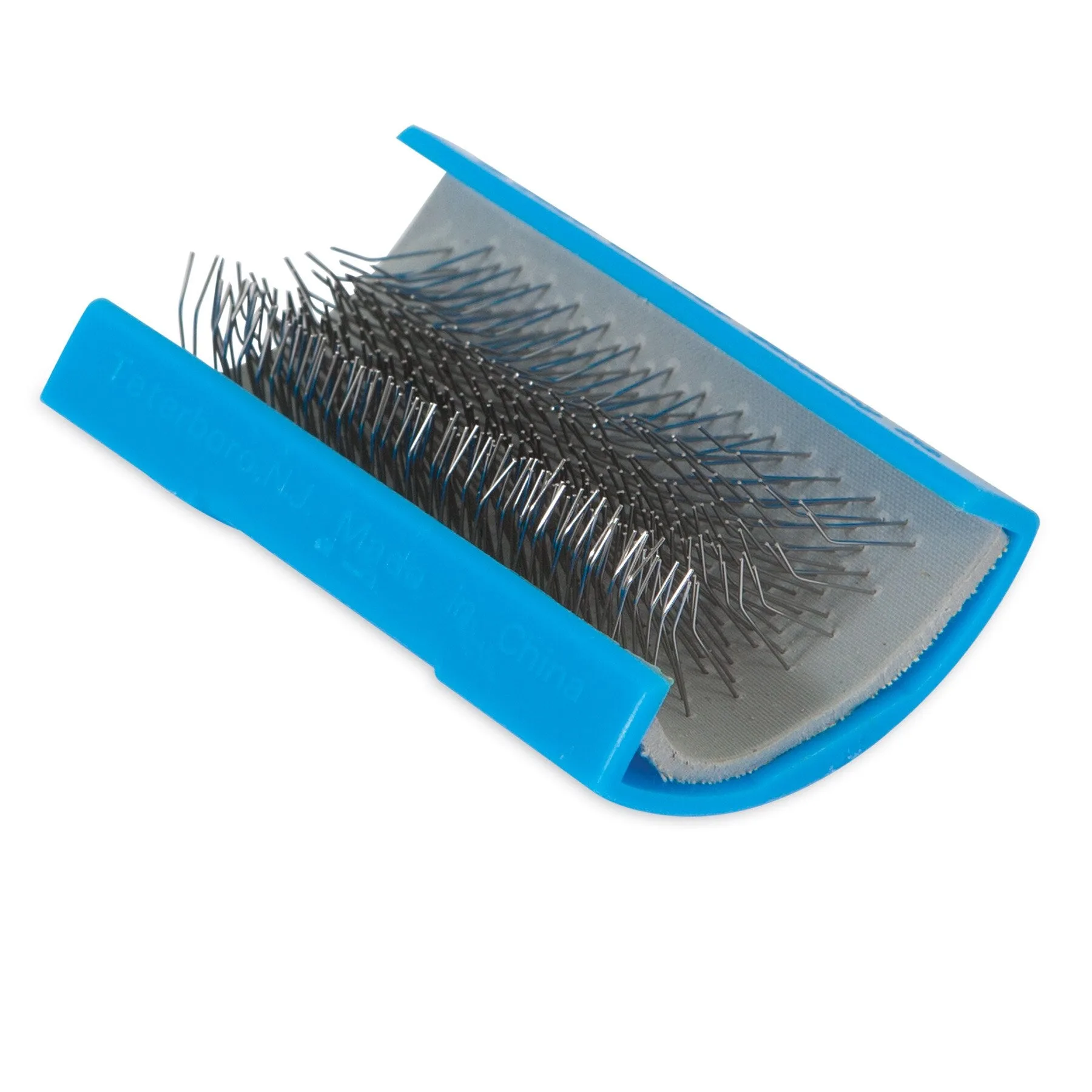
Product facts
- JW Bird Perch Cleaner: JW Bird Perch Cleaner is designed for wood or cement perches and should not be used on sand perches. The method is to moisten the perch with warm water first, then gently move the cleaner over the perch until clean. It matches the two-minute weekly deep clean described above, and the sand-perch warning tells you when to put the cleaner down and use a brush instead.