Quick Answer
To clean silicone spatulas effectively, wash them with warm soapy water after each use, and for stubborn stains or odors, use a baking soda paste or pop them in the dishwasher if they're dishwasher-safe.
Why Silicone Spatulas Need Special Care
Silicone spatulas are loved for their flexibility and heat resistance, but they can attract grease and odors if not cleaned properly. Unlike metal or wood, silicone is non-porous, which means it won't harbor bacteria easily, but it can still retain strong smells from foods like garlic or fish.
Proper silicone cooking utensil care not only keeps your spatulas looking new but also ensures they perform well and last longer. A little attention to cleaning goes a long way in maintaining their non-stick surface and preventing any lingering flavors from transferring to your dishes.
Dishwasher vs. Hand Washing: Which Is Better?
Many silicone spatulas are dishwasher-safe, but frequent dishwasher cycles can sometimes cause fading or a slightly rougher texture over time. Hand washing with warm, soapy water is gentler and helps you spot any stubborn residue that might need extra attention.
If you choose the dishwasher, place the spatula on the top rack to avoid direct heat from the heating element. Always check the manufacturer's instructions, as some spatulas with wooden or metal handles may not be suitable for the dishwasher.
Step-by-Step Cleaning Guide
- Rinse Immediately After Use: Rinse your silicone spatula under warm running water right after cooking to remove loose food particles. This prevents residue from drying and sticking, making the cleaning process easier. Don't let the spatula sit with food residue for long; a quick rinse saves time later.
- Wash with Warm Soapy Water: Use a sponge or soft cloth with warm water and a mild dish soap to gently scrub the entire spatula, including the handle and the crevices where the head meets the handle. Pay extra attention to any greasy spots. Avoid abrasive scrubbers that can scratch the silicone surface, reducing its non-stick quality.
- Remove Stubborn Stains and Odors: For tough stains or lingering smells, make a paste with baking soda and water, apply it to the affected areas, and let it sit for 10-15 minutes before scrubbing and rinsing. This natural deodorizer works wonders on silicone. If stains persist, you can also soak the spatula in a solution of equal parts white vinegar and water for 30 minutes before washing.
- Dry Thoroughly: Dry the spatula with a clean towel or let it air dry completely before storing. Silicone is water-resistant, but moisture left in crevices can encourage mildew in rare cases. Ensure the spatula is completely dry to prevent any potential mold growth, especially if stored in a drawer.
Related Product
-
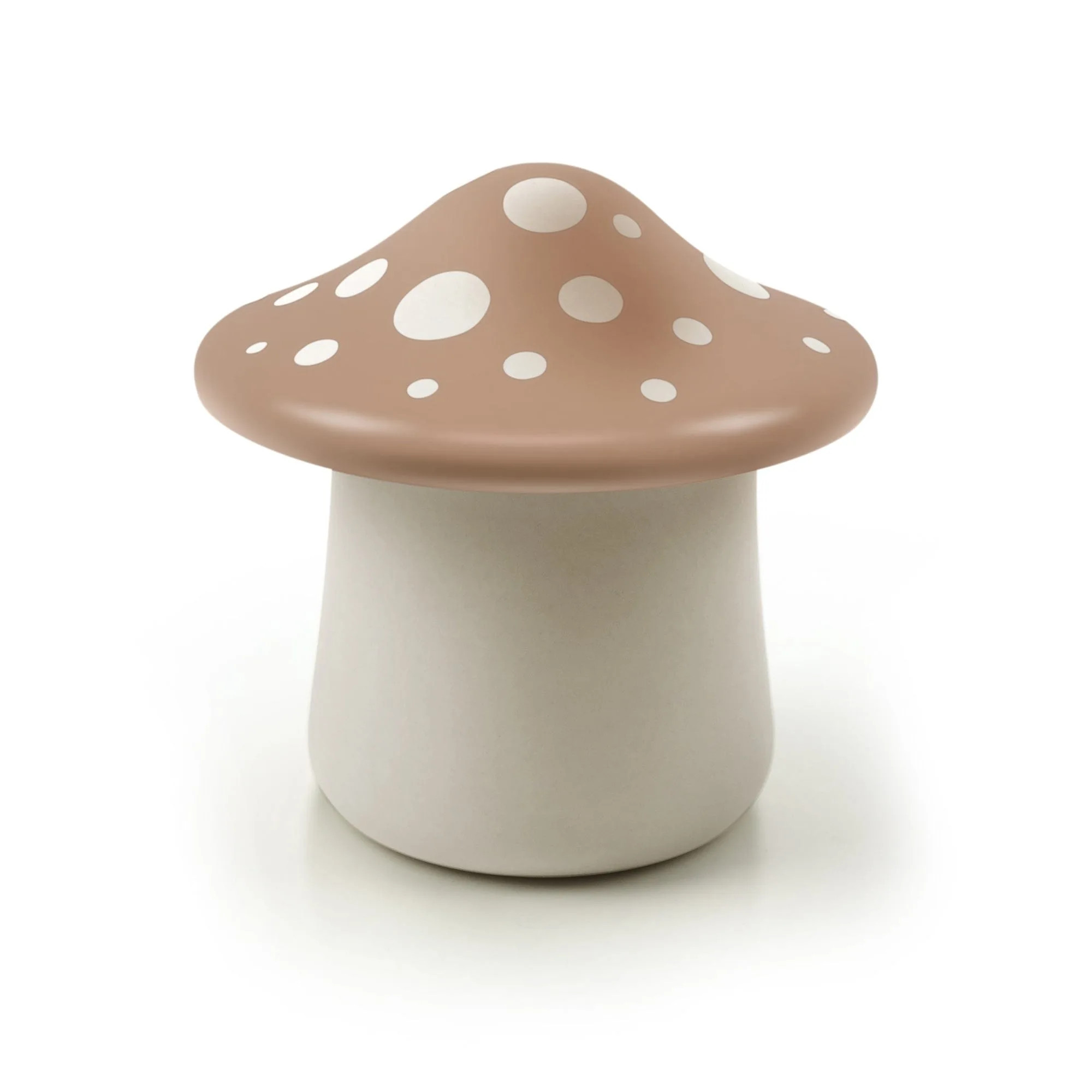
FORAGE: FORAGE is a ceramic butter storage that keeps butter spreadable and fresh up to a month without refrigeration. While not a silicone utensil, FORAGE complements your kitchen routine by keeping butter soft and ready to spread, so you can enjoy perfectly spreadable butter on your freshly baked goods.
FORAGE