Quick answer
Hand-wash silk lingerie in cool water with a gentle detergent, never wring or twist, and dry flat on a towel away from direct sunlight. Store pieces flat or rolled in breathable cotton or muslin bags, and keep them away from heat, moisture, and sharp objects. This routine preserves the silk's natural sheen and the delicate lace details that make handmade pieces special.
Why silk needs a different care routine
Silk is a protein fiber that is naturally strong but sensitive to heat, friction, and alkaline detergents. Harsh washing can strip the natural sericin coating, causing the fabric to lose its luster and become brittle over time. Lace trims and hand-stitched details, like the seamed yoke on the Jet Tap Short, need extra care to prevent snagging or distortion.
Always check the care label first, but for handmade silk pieces like those from Evgenia Lingerie, hand washing is the safest method. If a piece is heavily soiled or you're unsure about a stain, consider professional dry cleaning that specializes in silk. Never use bleach, fabric softeners, or enzyme-based stain removers, as these can damage the fibers.
What you'll need for hand washing
Gather a clean basin or sink, cool or lukewarm water (below 30°C/86°F), a gentle pH-neutral detergent formulated for delicates (like Soak or Eucalan), and a clean white towel for drying. Avoid using the washing machine even on a delicate cycle, because the agitation can cause silk to pill and lace to stretch. If you have a silk-specific stain, treat it before washing with a tiny amount of the same gentle detergent, never rubbing vigorously.
Step-by-step silk lingerie care
- Step 1: Pre-treat stains gently: Dab a small amount of gentle detergent directly on the stain with your fingertip or a soft cloth. Let it sit for 5 minutes, then rinse with cool water. Never rub or scrub, as this can damage the silk fibers and spread the stain. Checkpoint: If the stain is oil-based, use a tiny bit of dish soap; for protein stains like sweat, use a silk-safe enzyme-free detergent.
- Step 2: Hand wash in cool water: Fill a clean basin with cool or lukewarm water (below 30°C) and add the recommended amount of gentle detergent. Submerge the garment and gently swish it for 2-3 minutes. Do not soak for more than 5 minutes, as prolonged exposure can weaken the silk. Common mistake: Using hot water or soaking too long can cause color bleeding and fabric distortion.
- Step 3: Rinse thoroughly: Drain the soapy water and refill with fresh cool water. Gently press the garment to release soap, then repeat until the water runs clear. Avoid wringing or twisting, which can break the delicate fibers. Checkpoint: If you see any soap residue, do another rinse; leftover detergent can attract dirt and dull the silk's shine.
- Step 4: Remove excess water with a towel: Lay a clean, dry white towel flat and place the garment on top. Roll the towel and garment together, pressing gently to absorb water. Unroll and reshape the garment to its original dimensions. Common mistake: Wringing or twisting causes permanent wrinkles and fiber damage.
- Step 5: Dry flat away from heat and sun: Place the garment on a dry towel or a mesh drying rack in a well-ventilated area, away from direct sunlight, radiators, and dryers. Flip it once halfway through drying to ensure even moisture evaporation. Never hang silk to dry, as the weight of water will stretch the fabric. Checkpoint: If the garment is still damp after several hours, lay it on a fresh dry towel to speed up the process without heat.
- Step 6: Store flat or rolled in breathable bags: Once completely dry, fold the garment along its natural seams and place it in a cotton or muslin bag, or a breathable storage box. Store flat in a drawer or on a shelf, away from direct light, moisture, and moth repellents like naphthalene. For structured pieces like corsets, roll them loosely to preserve the boning shape. Common mistake: Hanging silk on a hanger can cause shoulder bumps and stretching; storing in plastic bags traps moisture and can cause yellowing.
Caring for your Evgenia Lingerie pieces
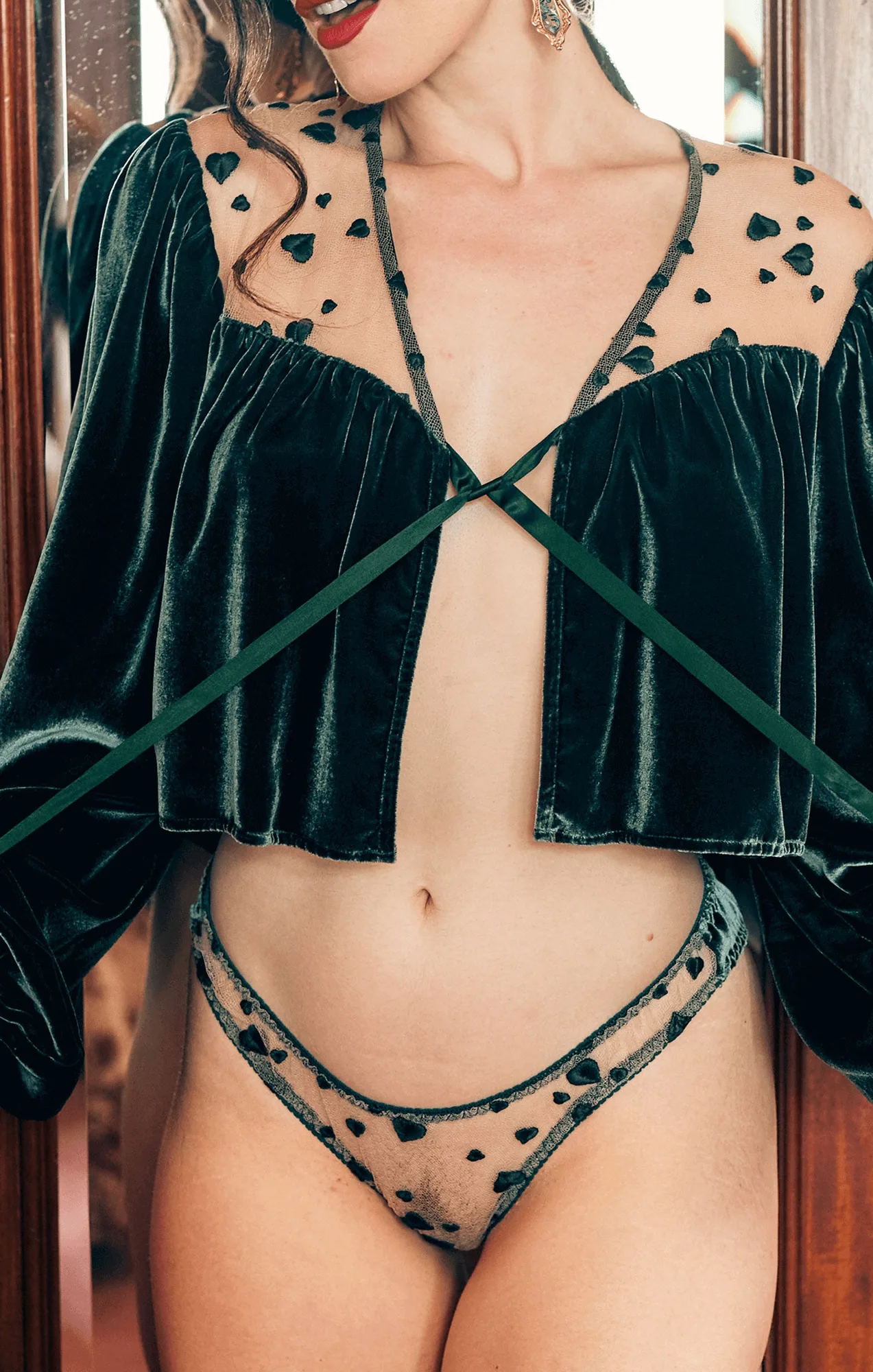
- Jet Tap Short: Timeless silhouette with a high waist, figure-flattering bias cut and seamed yoke detail. Silk crepe de chine, buttons at left hip. Signature hand-shaped lace bow inset at center back. The bias cut means the fabric is cut on the diagonal, which drapes beautifully but can stretch if handled roughly. Always wash gently and avoid hanging this tap short, as the weight of wet silk can distort the seam lines.
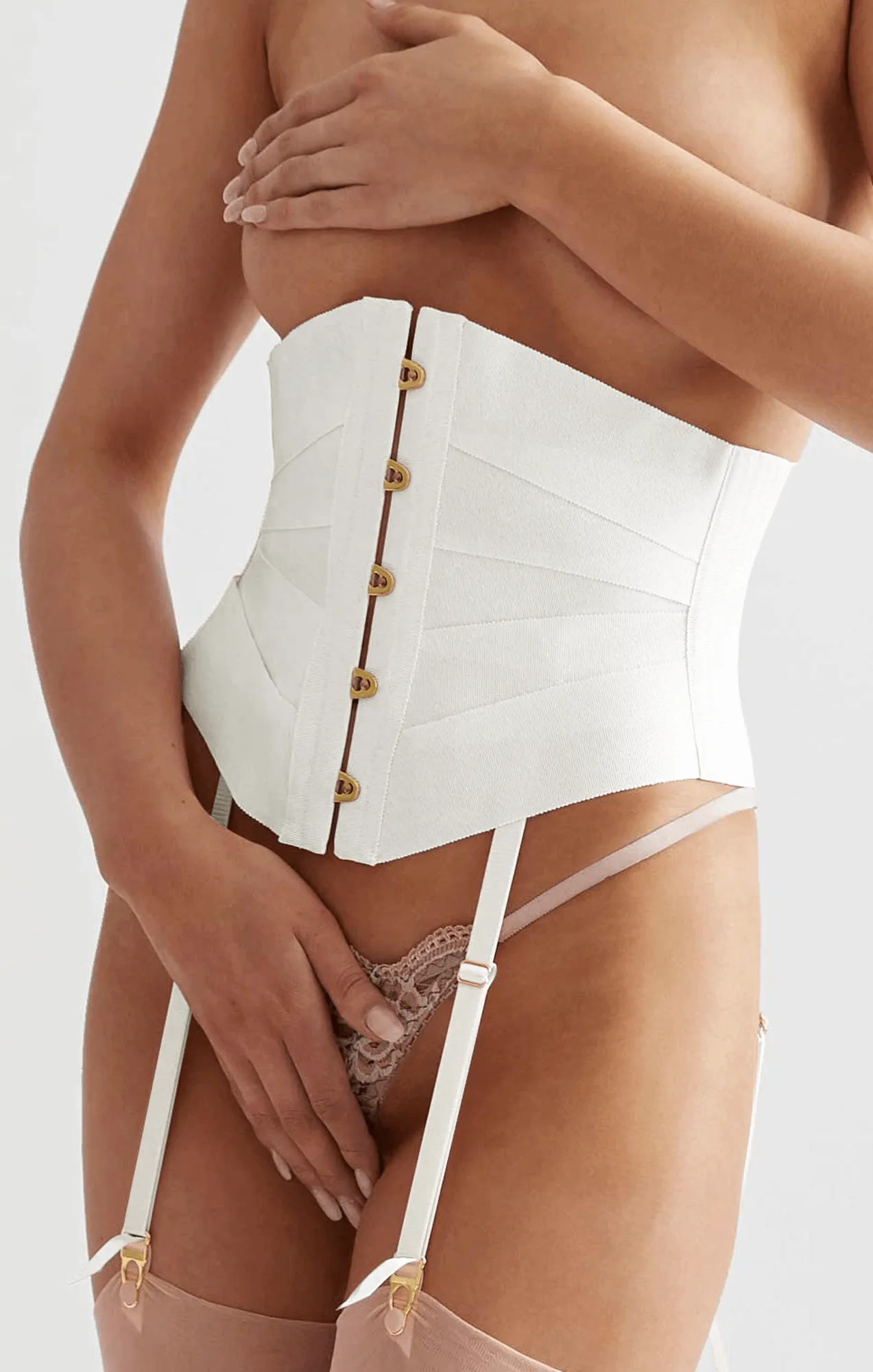
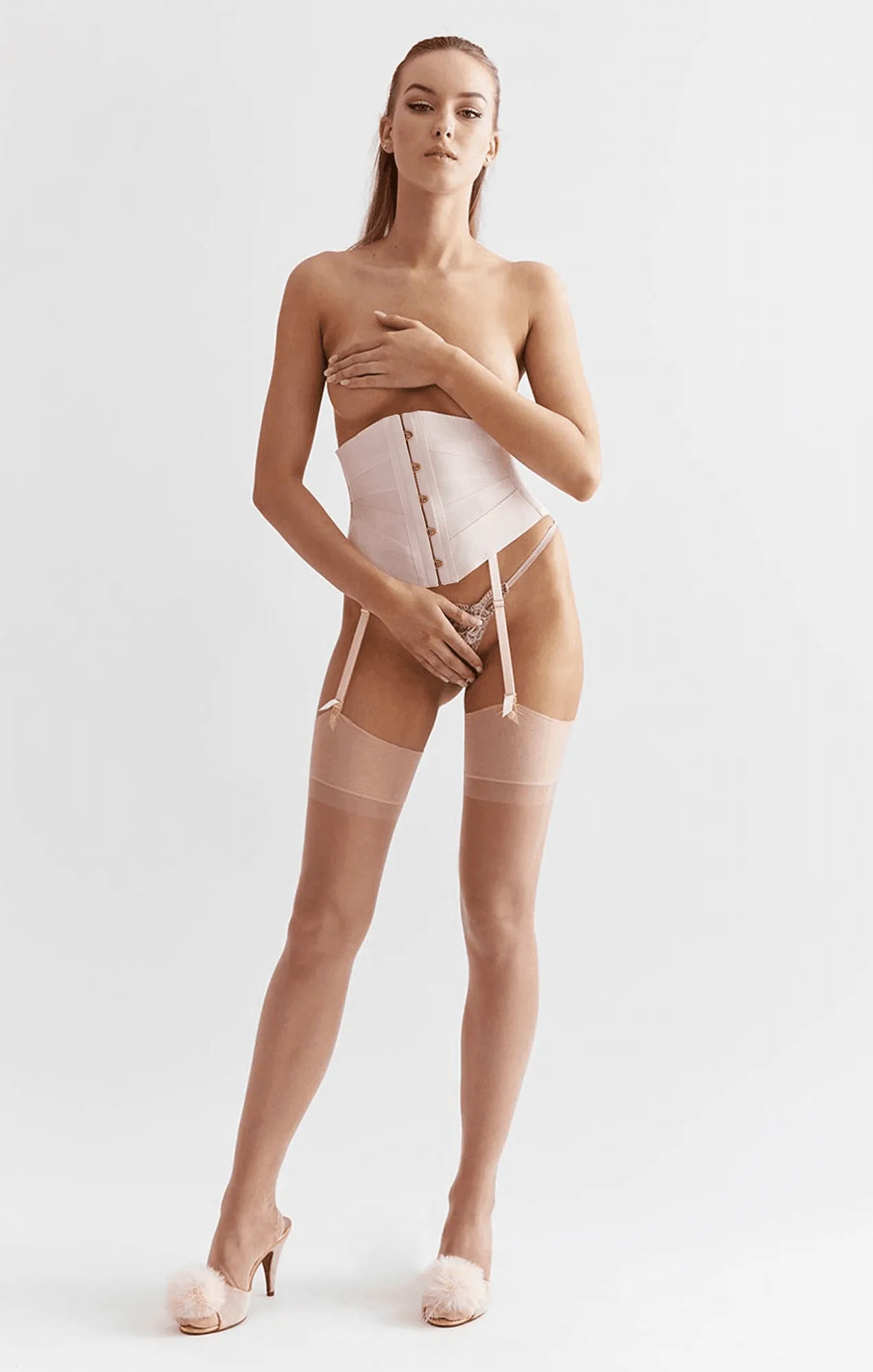
- Jet Ribbon Corset: An enduring favorite, lends an enticing cinch to a boudoir ensemble or when belted over a cocktail dress. Rayon petersham ribbon, steel busk and bones, satin lacing. Reduction of 2-3”. Not intended for tightlacing. The steel bones and busk make this corset structured, so it should be spot-cleaned rather than fully submerged in water to avoid rusting the metal. Store it flat or rolled, never folded sharply, to maintain the boning shape.
- Posy Hi Leg Knicker: Drawing inspiration from a gown created by New Orleans designer Olympe Boisse in the 1860s, the Olympe collection is a sensory dream, evoking fantasies of parlor trysts and Victorian opulence. This collection's heirloom-worthy silk charmeuse fabric showcases richly hued bouquets floating upon an inky black backdrop. Shimmering pastel dot embroidery lends a modern sensibility to this… Silk charmeuse has a delicate, glossy surface that can water-spot if dried unevenly. After washing, roll the knicker in a towel to remove excess moisture, then lay flat to dry. The embroidery and lace trim are delicate, so avoid rubbing or scrubbing those areas.