Quick answer
To clean effectively with scourers and dishcloths, match the scourer type to the surface, use a dedicated dishcloth for rinsing, and rinse both after each use to prevent bacteria buildup.
Why matching the scourer to the surface matters
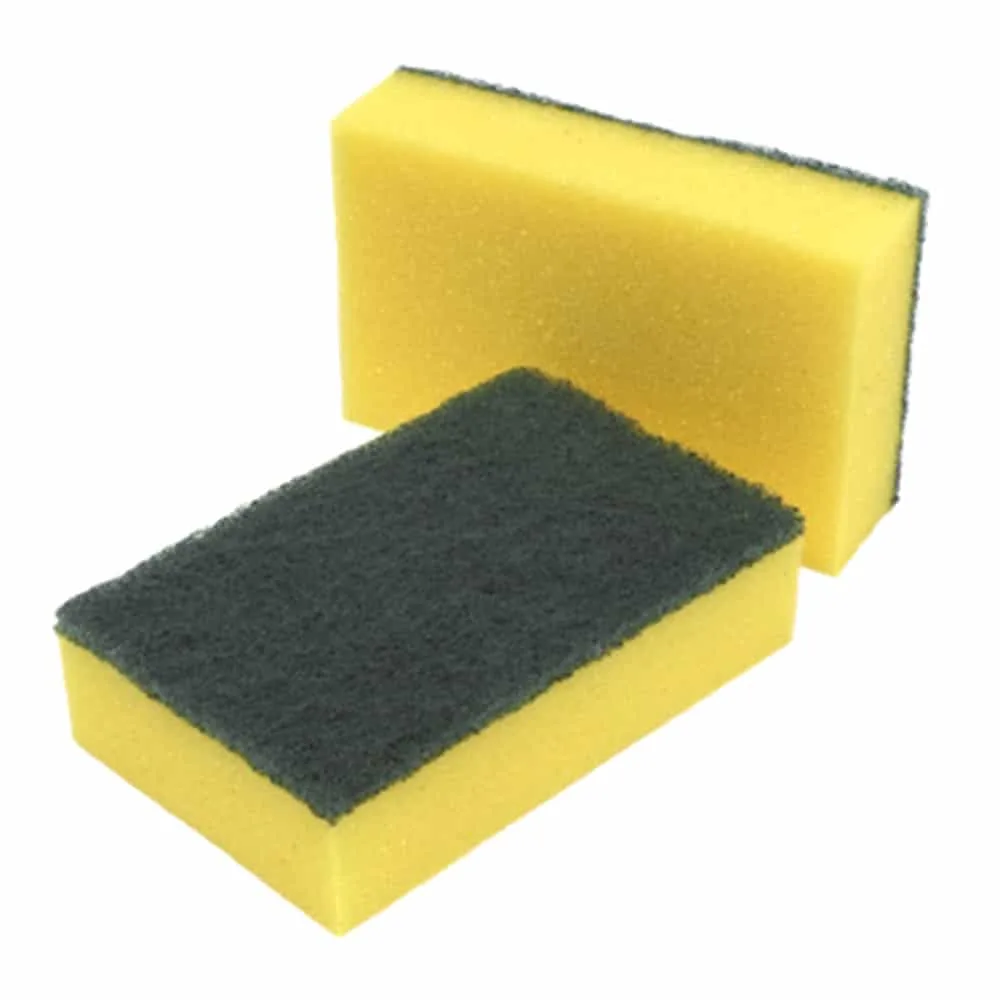
Not all scourers are the same. Stainless steel scourers are tough and great for burnt-on food on metal pans, but they can scratch non-stick coatings, glass, or plastic. Green scourers are gentler and work well on everyday dishes, countertops, and cookware. Sponge scourers combine a scrubbing pad with a soft sponge, making them ideal for heavy-duty cleaning on surfaces that can handle mild abrasion. Using the wrong type can damage your cookware or leave scratches.
The role of dishcloths in your cleaning routine
Dishcloths are for wiping and drying, not for scrubbing. After you loosen food with a scourer, a clean dishcloth picks up residue and dries surfaces. Using a dishcloth for scrubbing wears it out quickly and spreads grease. Keep separate cloths for dishes, counters, and hands to avoid cross-contamination.
Step-by-step guide to cleaning with scourers and dishcloths
- 1. Choose the right scourer for the job: For burnt-on food on stainless steel pans, use a stainless steel scourer. For everyday dishes and non-stick cookware, reach for a green scourer. For heavy-duty messes that need a bit of scrubbing and absorption, use a sponge scourer. Using a stainless steel scourer on non-stick pans will scratch the coating.
- 2. Wet the scourer and apply dish soap: Run the scourer under warm water and add a small amount of dish soap directly to the pad. This helps lift grease and food particles. Too much soap creates excess suds that are hard to rinse and can leave residue.
- 3. Scrub in a circular motion: Gently scrub the surface in circles, applying light to moderate pressure. Let the scourer do the work—pressing too hard can damage surfaces and wear out the scourer faster. Scrubbing too hard on non-stick or enamel surfaces can cause permanent scratches.
- 4. Rinse the scourer and dishcloth thoroughly: After scrubbing, rinse the scourer under running water to remove food particles. Wring out the dishcloth and rinse it as well. Hang both to dry in a well-ventilated area. Leaving scourers or dishcloths damp in the sink encourages bacteria growth and odors.
- 5. Replace scourers and dishcloths regularly: Replace scourers when they start to smell, look worn, or lose their scrubbing ability. Dishcloths should be swapped out every few days or washed in hot water. Using a worn-out scourer is less effective and can harbor bacteria.
Scourer options for your kitchen
-
Stainless Steel Scourers 1×10: Tough stainless steel scourers which remove the toughest burnt on food and grease. Easy to rinse and remove food particles. Ideal for heavy-duty scrubbing on metal pans and grills, but avoid using on non-stick or delicate surfaces.
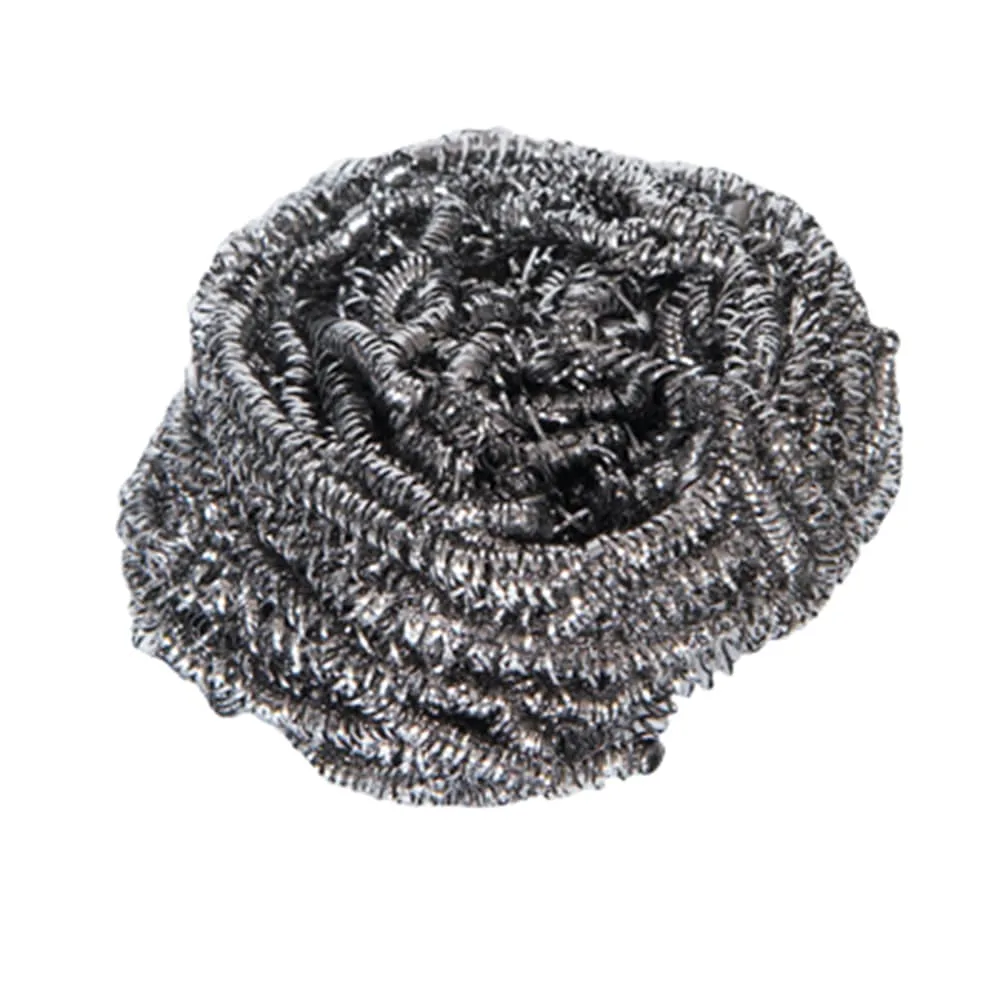
Stainless Steel Scourers 1×10
-
Green Scourers 9X6″ 2×10: The Green Scourers measure 9 × 6 inches and are supplied in a convenient pack of two × ten (20 total). Designed for everyday cleaning. A versatile, gentler option for daily dishwashing and general kitchen surfaces without scratching.
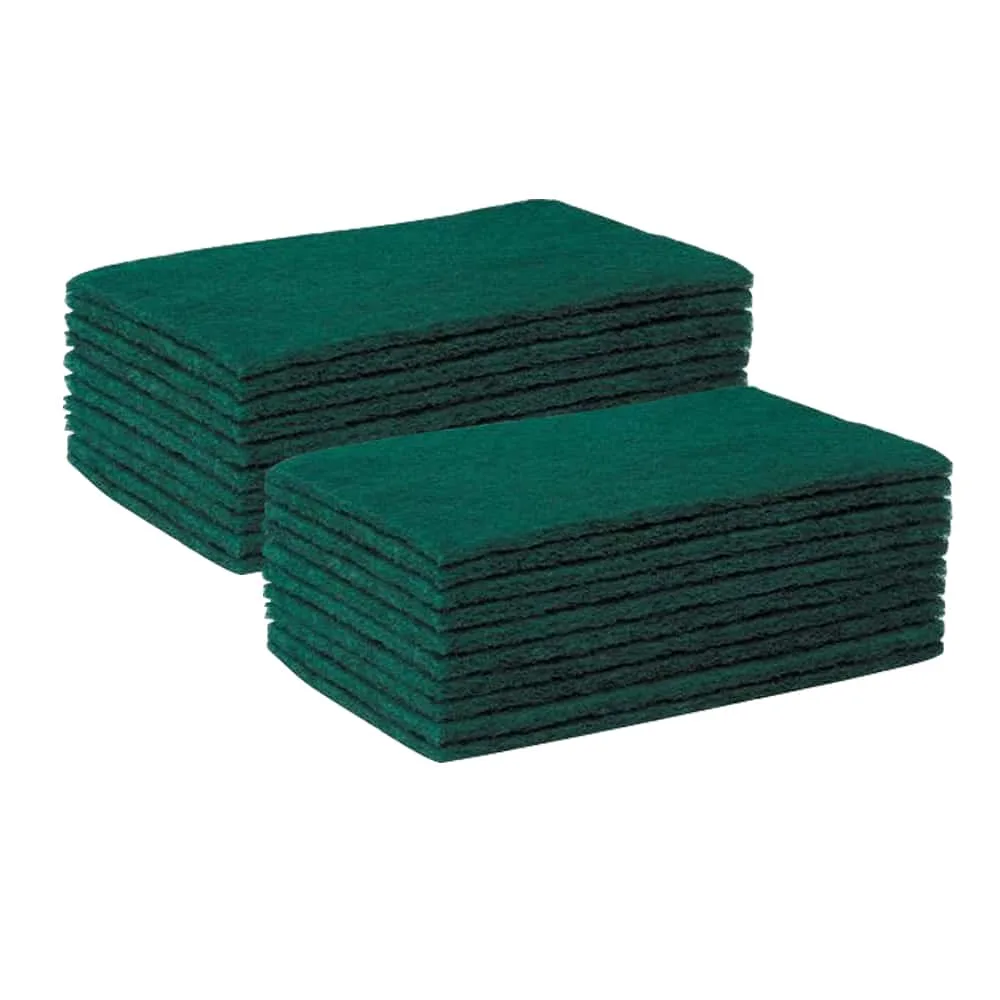
Green Scourers 9X6″ 2×10
-
Sponge Scourers 3×10: Ideal for heavy duty applications. Large catering size: 14cm x 9cm x 3.3cm. Combines a scrubbing pad with a sponge for tackling tough messes while still being gentle enough for many surfaces.