Quick Answer
To clean your tongue scraper, rinse it under warm water after each use and wash it with mild soap daily. Once a week, deep clean by soaking in a disinfecting solution like hydrogen peroxide or white vinegar. Replace your tongue scraper every 3-6 months or when it shows signs of wear.
A tongue scraper is a daily tool that removes bacteria and debris from your tongue, contributing to fresher breath and better oral hygiene. But to keep it effective and safe, you need to clean it properly. A dirty scraper can harbor bacteria, defeating its purpose and potentially causing oral health issues.
In this guide, we'll walk you through the best practices for cleaning and maintaining your tongue scraper. Whether you use a metal, plastic, or silicone scraper, these steps will help you keep it hygienic and extend its lifespan.
Why Cleaning Your Tongue Scraper Matters
Your tongue scraper comes into contact with millions of bacteria every time you use it. If you don't clean it thoroughly, those bacteria can multiply and be reintroduced to your mouth, leading to bad breath, infections, or even gastrointestinal issues. Moreover, a well-maintained scraper performs better and lasts longer.
Different materials require slightly different care. Stainless steel is durable and can withstand boiling, while plastic and silicone are more prone to scratching and warping under high heat. Knowing your scraper's material helps you choose the right cleaning method without causing damage.
- Always rinse your scraper immediately after use to remove visible debris.
- Use a dedicated brush or cloth to clean the scraper's surface if needed.
- Dry your scraper thoroughly before storing it to prevent bacterial growth.
Daily Cleaning Routine
After each use, rinse your tongue scraper under warm running water to remove saliva and loosened bacteria. Then, wash it with a mild liquid soap, using your fingers or a soft brush to gently scrub the entire surface. Pay special attention to the edge that contacts your tongue.
After washing, rinse again to remove any soap residue, and dry it with a clean towel or let it air dry. Storing it in a dry, ventilated area is crucial because moisture encourages bacterial growth. Avoid keeping your scraper in a closed, damp container.
- Use fragrance-free or antibacterial soap to avoid leaving a taste on the scraper.
- If you're on the go, rinse with water and use an alcohol-based sanitizing wipe until you can do a full wash.
Deep Cleaning and Sanitizing Weekly
Once a week, give your tongue scraper a deeper clean to eliminate stubborn bacteria and buildup. Soak it in a solution of 50% water and 50% hydrogen peroxide for about 10 minutes, then rinse thoroughly. Alternatively, you can soak it in white vinegar for 15 minutes, followed by a rinse. These methods are safe for most materials, but check your scraper's care instructions first.
For stainless steel scrapers, you can also boil them in water for 3-5 minutes to sanitize. However, avoid boiling plastic or silicone scrapers as they may deform. If you use a UV sanitizer, such as the Wisdom Mouthcare Organizer and UV Cleanser, you can place your scraper inside for a quick, chemical-free sanitizing session.
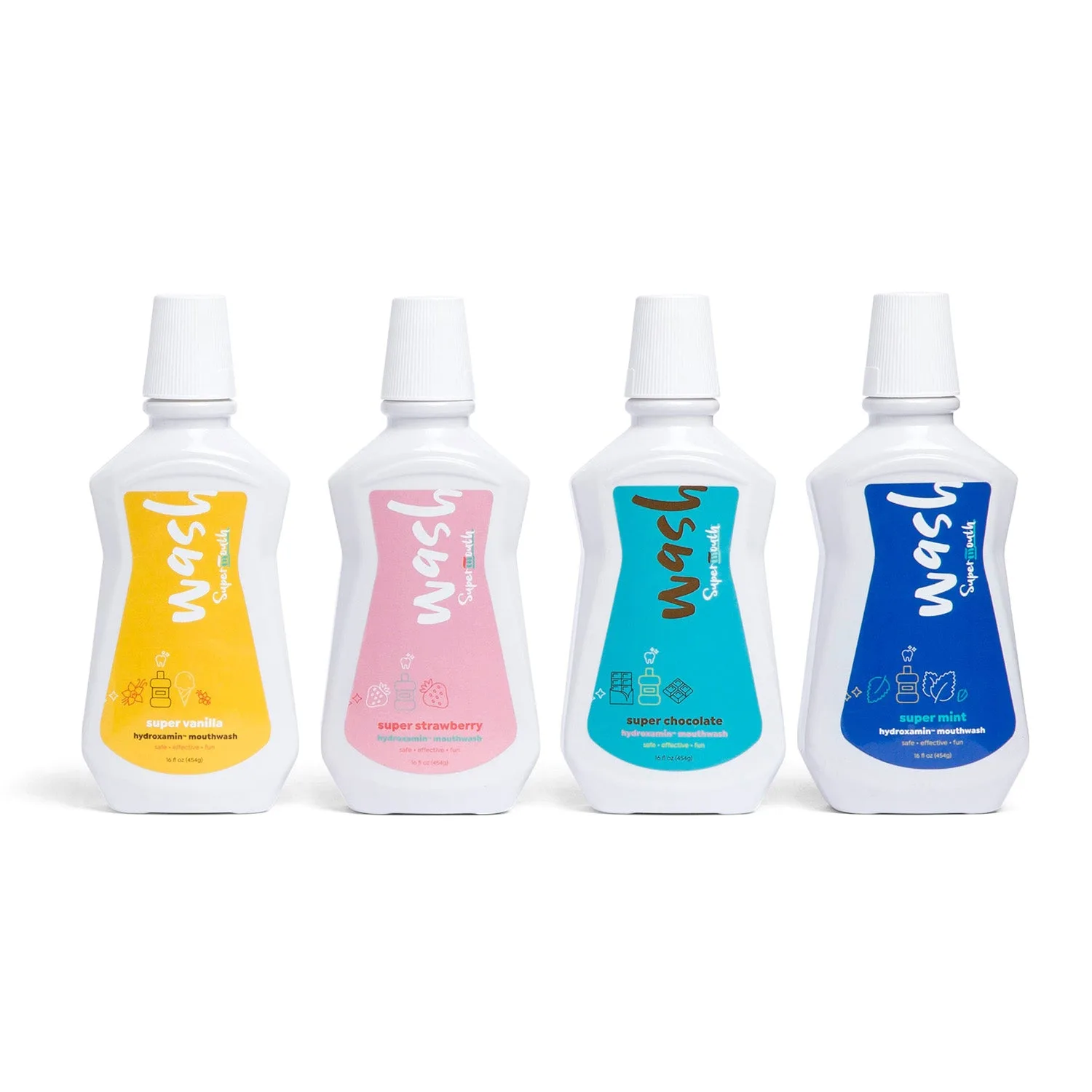
Wisdom Mouthcare Organizer and UV Cleanser
- Never use harsh chemicals like bleach, as they can damage the scraper and be harmful if ingested.
- If you notice any discoloration or a lingering odor, it's time to replace the scraper.
Proper Storage and Handling
After cleaning, store your tongue scraper in a clean, dry place. A toothbrush holder or a dedicated organizer can keep it upright and away from other bathroom germs. If you travel, use a protective case to prevent damage and contamination.
The Cavitar Toothbrush Hugger is a simple accessory that can hold your tongue scraper upright, keeping it off the counter and reducing exposure to bacteria. For a more comprehensive solution, the Wisdom Mouthcare Organizer and UV Cleanser offers a designated space for your oral care tools and includes UV cleansing to help maintain their cleanliness.

Cavitar Toothbrush Hugger
- Keep your tongue scraper separate from toothbrushes to avoid cross-contamination.
- Replace your tongue scraper every 3-6 months or sooner if you see cracks, bends, or discoloration.
Step-by-Step Cleaning Process
- Rinse Immediately After Use: Hold your tongue scraper under warm running water for a few seconds to remove saliva and debris. This prevents buildup from drying on the surface. Checkpoint: Make sure no visible residue remains before setting it down.
- Wash with Mild Soap Daily: Apply a drop of mild dish soap or hand soap to the scraper. Use your fingers or a soft brush to gently scrub all surfaces, including the handle and the scraping edge. Checkpoint: If you notice a soapy taste after rinsing, you may have used too much or not rinsed thoroughly.
- Deep Clean Weekly: Soak your scraper in a 50/50 water and hydrogen peroxide solution for 10 minutes, or in white vinegar for 15 minutes. Rinse thoroughly afterward. For stainless steel, boiling for 3-5 minutes is also effective. Checkpoint: If you see any warping or damage after deep cleaning, it's time to replace the scraper.
- Dry and Store Properly: Shake off excess water and pat dry with a clean towel. Place your scraper in a dry, upright holder or case. Avoid closed, damp containers. Checkpoint: Ensure the scraper is completely dry before storing to prevent bacterial growth.
- Replace When Needed: Monitor your scraper for signs of wear such as cracks, bends, or persistent odors. Replace it every 3-6 months or as soon as you notice these signs. Checkpoint: A worn scraper is less effective and harder to clean, so don't wait too long.
Products That Help with Tongue Scraper Care
- Wisdom Mouthcare Organizer and UV Cleanser: The Wisdom Mouthcare Organizer and UV Cleanser helps keep your oral care essentials tidy and ready for daily use. Designed as a practical organizer, it offers a dedicated space for your mouthcare items while incorporating UV cleansing functionality to help maintain cleanliness. Organizer design helps store and arrange your mouthcare products neatly. Built-in UV cleanser feature aims to sanitize your items between uses. This organizer not only stores your tongue scraper neatly but also uses UV light to sanitize it between uses, adding an extra layer of hygiene without chemicals.
- Cavitar Toothbrush Hugger: Keep your toothbrush clean and within reach with the Cavitar Toothbrush Hugger. This simple accessory helps organize your bathroom counter, holding your brush securely in place. Designed to hug your toothbrush, keeping it upright and off the counter. Compact size fits easily on most bathroom sinks or shelves. Durable construction for everyday use. Easy to clean and maintain. Available in a standard size to fit most toothbrushes. While designed for toothbrushes, the Cavitar Toothbrush Hugger can also hold your tongue scraper upright, keeping it off the counter and reducing bacterial contamination.
Proper cleaning and maintenance of your tongue scraper are essential for oral hygiene and the tool's longevity. By following these simple steps, you can ensure your scraper remains effective and safe to use. Remember to replace it regularly and consider accessories like the Wisdom Mouthcare Organizer and UV Cleanser to simplify your routine.