Quick Answer
To create a Montessori-inspired playroom with HABA toys, focus on low, open shelving, natural materials, and a limited selection of toys that encourage independent choice and concentration. Rotate toys regularly to maintain interest and support developmental stages.
Designing a playroom that follows Montessori principles doesn't require a complete overhaul. With a few thoughtful changes, you can transform any space into a child-centered environment that promotes independence, focus, and a love of learning. HABA's wooden toys are a natural fit for this approach, offering durability and open-ended play opportunities.
This guide walks you through the key steps to set up a Montessori-inspired playroom, from choosing the right furniture to arranging toys in a way that invites exploration. You'll also discover which HABA products work well in this setting and how to avoid common pitfalls.
Start with Low, Open Shelving
In a Montessori playroom, accessibility is everything. Place toys on low, open shelves so your child can see and reach them without help. This fosters independence and allows them to choose what to play with. Avoid bins or boxes where toys are hidden; instead, display items individually or in small trays.
When arranging shelves, group similar toys together—such as puzzles, building blocks, or role-play items. This helps children understand categories and makes cleanup easier. A common mistake is overcrowding shelves; limit options to a few well-chosen toys and rotate them weekly to keep interest fresh.
- Use shallow trays or baskets to define each toy's place, making it easy for your child to return items after play.
Choose Natural, Open-Ended Toys
Montessori emphasizes natural materials like wood, which are aesthetically pleasing and durable. HABA's wooden toys are perfect because they are sturdy, safe, and designed for open-ended play. Look for toys that can be used in multiple ways, such as building blocks, puzzles, and simple role-play items.
Avoid electronic or overly prescriptive toys that dictate how a child should play. Instead, choose items that spark creativity and problem-solving. For example, a simple wooden puzzle like the Elephant 2-in-1 Wooden Puzzle offers two images in one, encouraging flexible thinking and repeated exploration.

Elephant 2-in-1 Wooden Puzzle
- When selecting toys, ask: Can my child use this in more than one way? If yes, it's a good Montessori choice.
Create Defined Activity Zones
Divide the playroom into clear zones: a quiet reading corner, a building area with blocks, a table for puzzles and art, and a space for dramatic play. This structure helps children understand where activities happen and supports focus. Use rugs or mats to visually define each zone.
Each zone should have only the materials needed for that activity. For example, keep all puzzles on a shelf near the table, and store blocks on a low shelf in the building area. This reduces clutter and helps children make connections between materials and their use.
- Label shelves with pictures or words so even pre-readers can find and return toys independently.
Rotate Toys to Maintain Engagement
Montessori classrooms often rotate materials to keep children engaged and challenged. In your playroom, set aside a portion of your toy collection and rotate it every few weeks. This not only reduces clutter but also renews your child's interest in toys they may have ignored.
Observe your child's current interests and developmental stage to guide your rotation. For instance, if they are working on fine motor skills, include threading or stacking toys. If they are interested in pretend play, add role-play items like a wand or doll accessories. Rotation prevents boredom and encourages deeper exploration.
- Keep a simple inventory of toys and note which ones your child gravitates toward to plan future rotations.
Step-by-Step Setup Checklist
- Step 1: Clear the Space: Remove any toys that are broken, too babyish, or not age-appropriate. Start with a clean, open area. This helps you see what you have and what you might need. Checkpoint: Ensure every item left is in good condition and safe for your child.
- Step 2: Install Low Shelving: Place low, sturdy shelves at your child's eye level. If you're on a budget, use a low bookcase or even a sturdy crate turned on its side. Secure furniture to the wall for safety. Checkpoint: Verify that your child can reach the shelves easily without climbing.
- Step 3: Organize by Activity: Group toys into categories: puzzles, building, role-play, etc. Use trays or baskets to keep pieces together. Place each group on a separate shelf or section. Checkpoint: Label each shelf with a picture or word to help your child find and return items.
- Step 4: Add a Work Mat: Provide a small rug or mat that your child can use to define their play area. This teaches boundaries and helps with cleanup—everything on the mat goes back to its shelf. Checkpoint: Show your child how to roll and unroll the mat to build responsibility.
- Step 5: Rotate Toys Regularly: Set a reminder to swap out toys every two to four weeks. Store rotated toys out of sight in a closet or bin. This keeps the playroom feeling fresh and encourages deeper engagement. Checkpoint: Observe which toys your child chooses most often and adjust your rotation accordingly.
HABA Toys That Fit the Montessori Approach
- Elephant 2-in-1 Wooden Puzzle: This unique 12 piece puzzle set offers double the fun with different pictures on each side of the puzzle pieces. The Elephant 2-in-1 Wooden Puzzle encourages creativity and problem-solving, making it a delightful challenge for young minds. Crafted from sturdy wooden pieces, it's built to withstand endless play and exploration. A self-correcting puzzle like this supports concentration and problem-solving—key Montessori goals. Its sturdy wood construction ensures it can be handled repeatedly by young children.
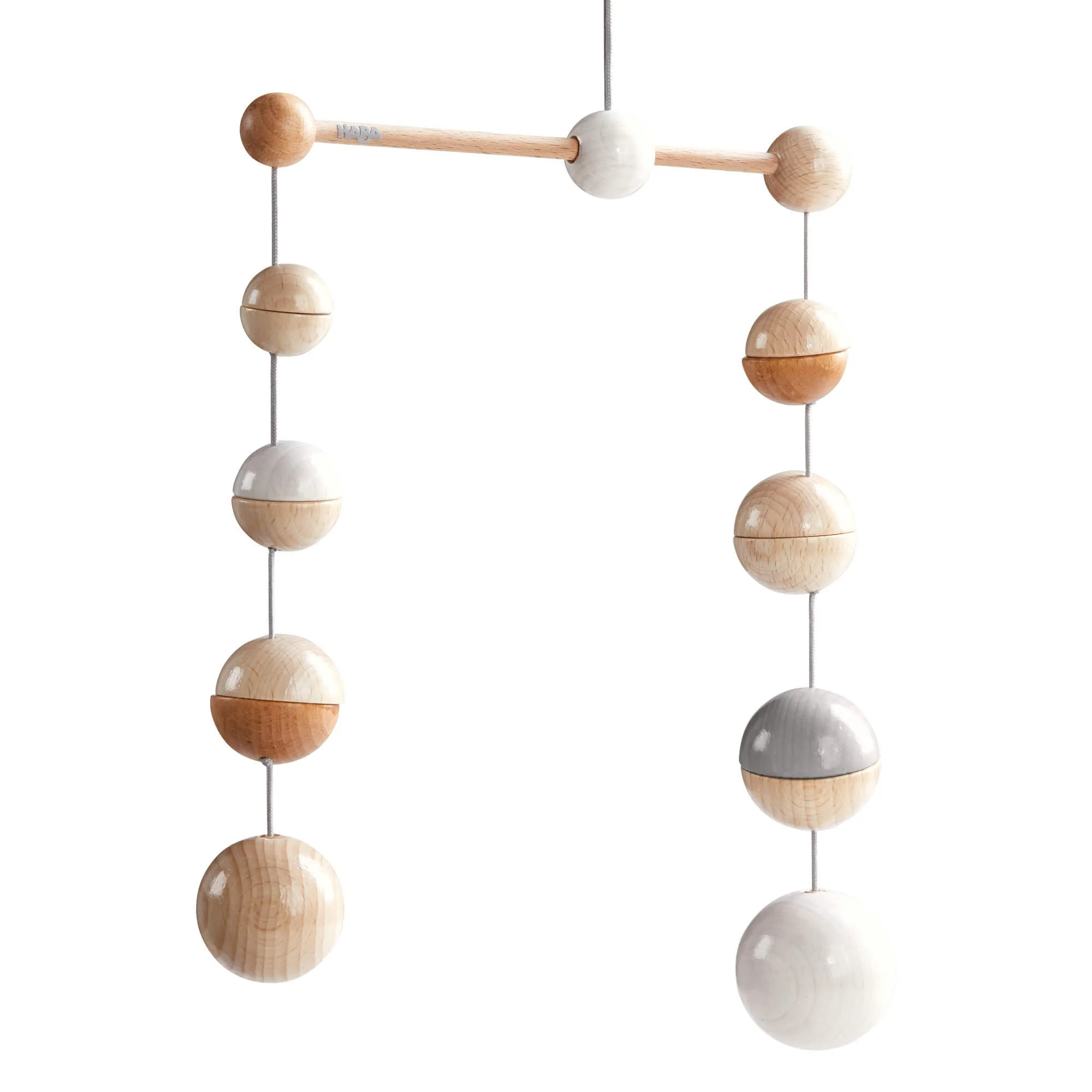
- Wooden Mobile Dots: This minimalistic, natural, and modern mobile is sure to capture baby's attention while hanging over the changing table or crib and will be a beautiful addition to a nursery. The wooden balls sway in the breeze, soothing your little one as they move. Made in Germany of sustainable beech wood, silicone and polyester, the movable bands on either side let parents balance the dangling half circles in different ways. In a Montessori nursery, mobiles are used to stimulate visual tracking and calm focus. This mobile's natural materials and adjustable design make it a versatile addition to a baby's environment.
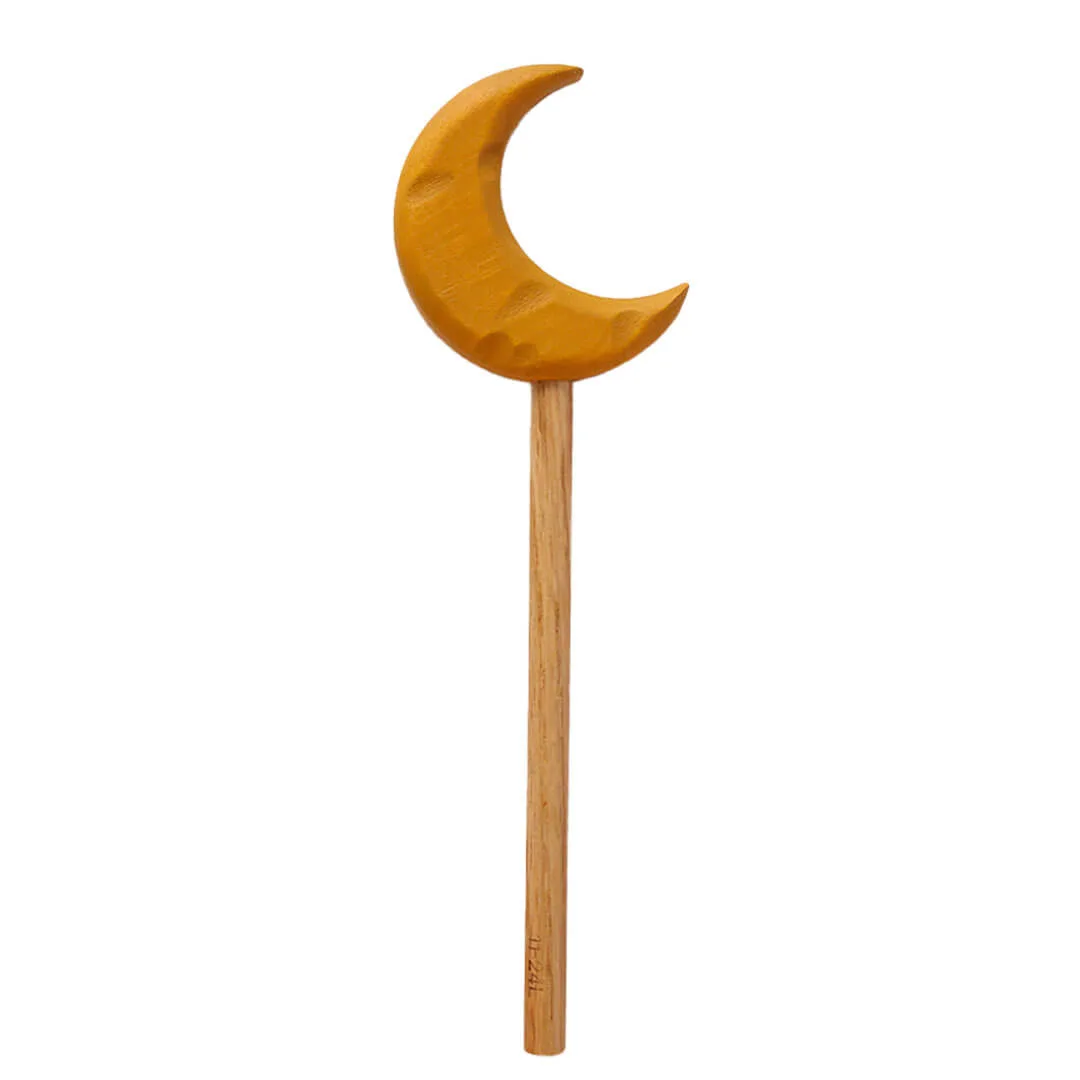
- Wooden Moon Wand: Bring a touch of moonlit magic into play with the beautifully handcrafted Wooden Moon Wand from Bella Luna Toys. Designed to inspire open-ended play and dramatic expression, this wand is crafted from repurposed hardwood off-cuts and finished with non-toxic milk paint and natural wax. Perfect for dramatic play, seasonal celebrations, or quiet moments of creativity, the moon wand helps children explore movement, imagination, and storytelling. Open-ended role-play toys like this wand encourage creativity and language development. Its natural materials and non-toxic finish align with Montessori's emphasis on safe, eco-friendly playthings.
Creating a Montessori-inspired playroom doesn't have to be complicated. By focusing on accessibility, natural materials, and thoughtful arrangement, you can foster independence and a love of learning in your child. HABA's range of wooden toys offers durable, open-ended options that align perfectly with Montessori principles. Start with these steps, and you'll soon see your child thrive in their new space.