Quick Answer
To create your own board game expansion, start by deeply understanding the base game's mechanics and design goals. Then brainstorm modifications that add new choices without breaking balance, prototype quickly, and playtest extensively with your group. Respect the original design's spirit and always credit the creators if you share your work.
Creating your own board game expansion is a rewarding way to breathe new life into games you love. Whether you're adding new challenges to a favorite title or exploring 'what if' scenarios, designing custom content lets you tailor the experience to your group's tastes. This guide walks you through a practical process, from initial concept to final playtesting, so you can create an expansion that feels like it belongs.
Before you start, consider the difference between a full expansion and a mini-expansion. Mini-expansions, like the Tenpenny Parks: Fairview Challenges or Cartographers: Skills 1, often add a handful of cards or rules that introduce new strategic considerations without overhauling the game. Understanding this scope will help you set realistic goals for your project.
Cartographers
Start with the Base Game
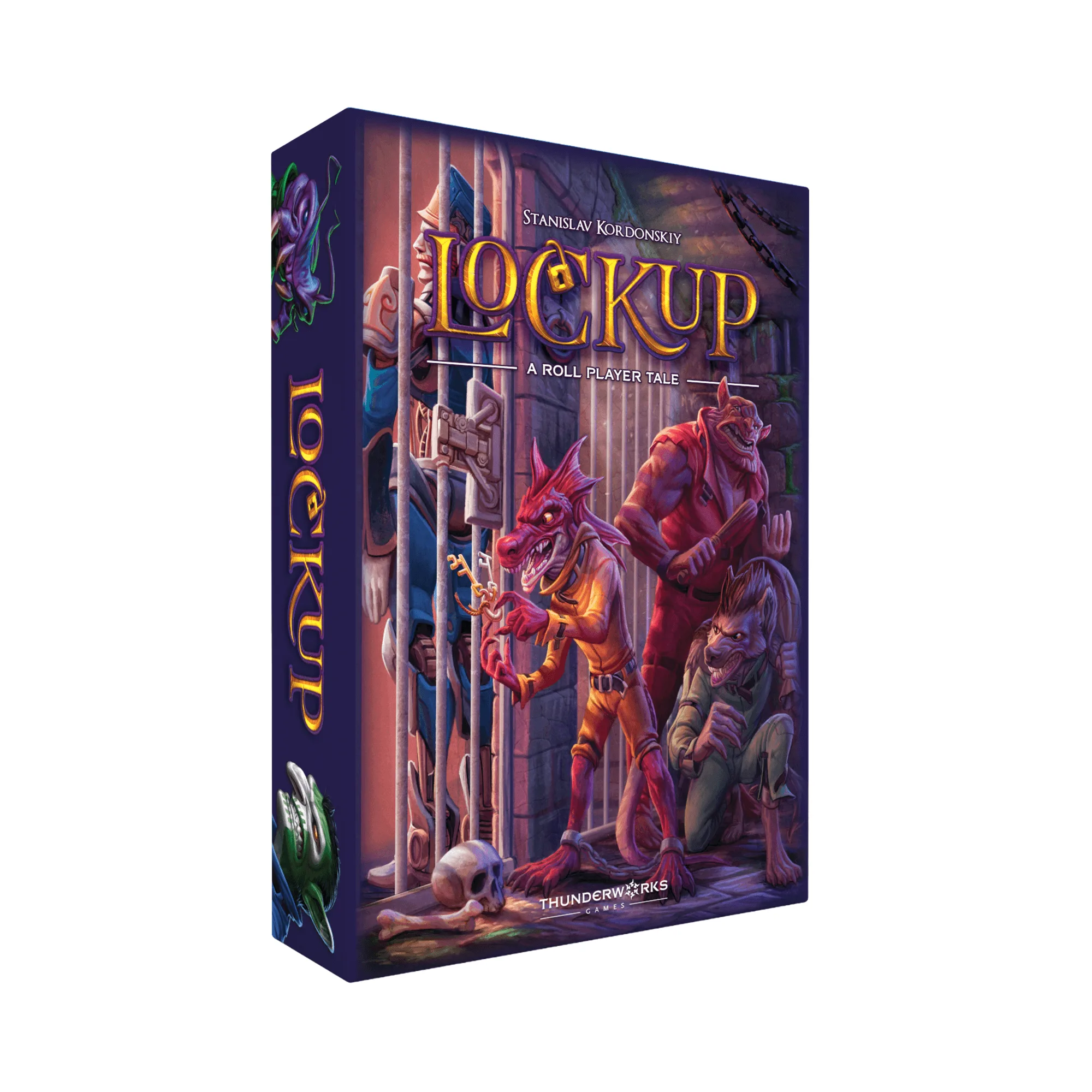
The first step is to analyze the base game's mechanics and design goals. Ask yourself: What makes this game fun? What decisions do players face? What are the core systems that create tension? For example, in a worker placement game like Lockup, the key tension comes from competing for limited actions and hidden bids. Your expansion should enhance these elements, not dilute them.
Also, consider the game's current pain points. Is there a mechanic that feels underused? A player count that isn't well supported? An expansion can address these. For instance, if a game feels too long, you might add a variant that speeds up play. If it feels too random, you could introduce a mitigation mechanism. The goal is to add meaningful choices without overcomplicating the experience.
- Play the base game several times with different groups to identify what works and what doesn't.
Brainstorm and Prototype
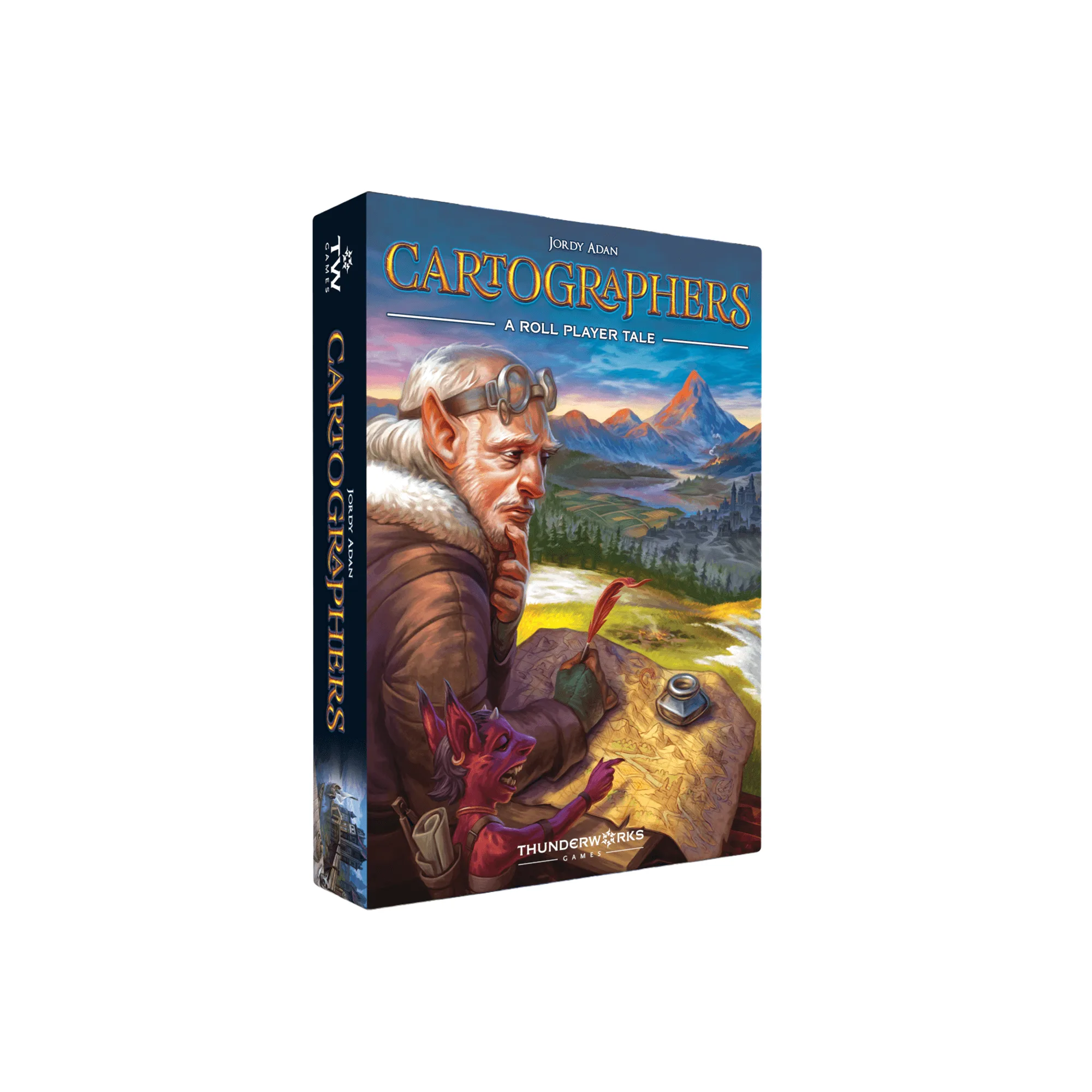
Once you understand the game, brainstorm expansion ideas. Think about new components, rules, or scenarios that would fit naturally. For example, if the game has a map, you could add new territories. If it has cards, you could introduce a new card type. The Cartographers: Skills 1 mini-expansion adds skill cards that give players new ways to fill in their map sheets, showing how a simple addition can create fresh strategic depth.
After you have a concept, create a low-fidelity prototype using paper, tokens, or even sticky notes. Don't worry about art or polish at this stage. The goal is to test the mechanics quickly. Write clear rules for your expansion and integrate them with the base game's rulebook. Make sure your rules are easy to understand and don't contradict existing ones.
- Use index cards for new cards and coins or cubes for new tokens.
Playtest and Iterate
Playtesting is the most critical phase. Gather friends who know the base game and introduce your expansion. Observe how it affects game flow, balance, and fun. Take notes on what works and what doesn't. Be prepared to make changes—your first version won't be perfect. For example, if a new rule makes the game too long or complex, simplify it.
A common mistake is to add too much at once. Start with one or two new mechanics and see how they interact with the base game. Also, test with different player counts. Some expansions might work great with four players but break with two. Iterate based on feedback, and don't be afraid to cut ideas that don't work.
- Create a feedback form or ask specific questions like 'Did the new rule feel fair?'
Respect the Original Design
When creating fan content, it's important to respect the original designers' work. Don't copy text or art from the game. Instead, create your own components and wording. If you share your expansion online, clearly state that it's unofficial and not affiliated with the publisher. Many designers appreciate fan content as long as it's not sold for profit.
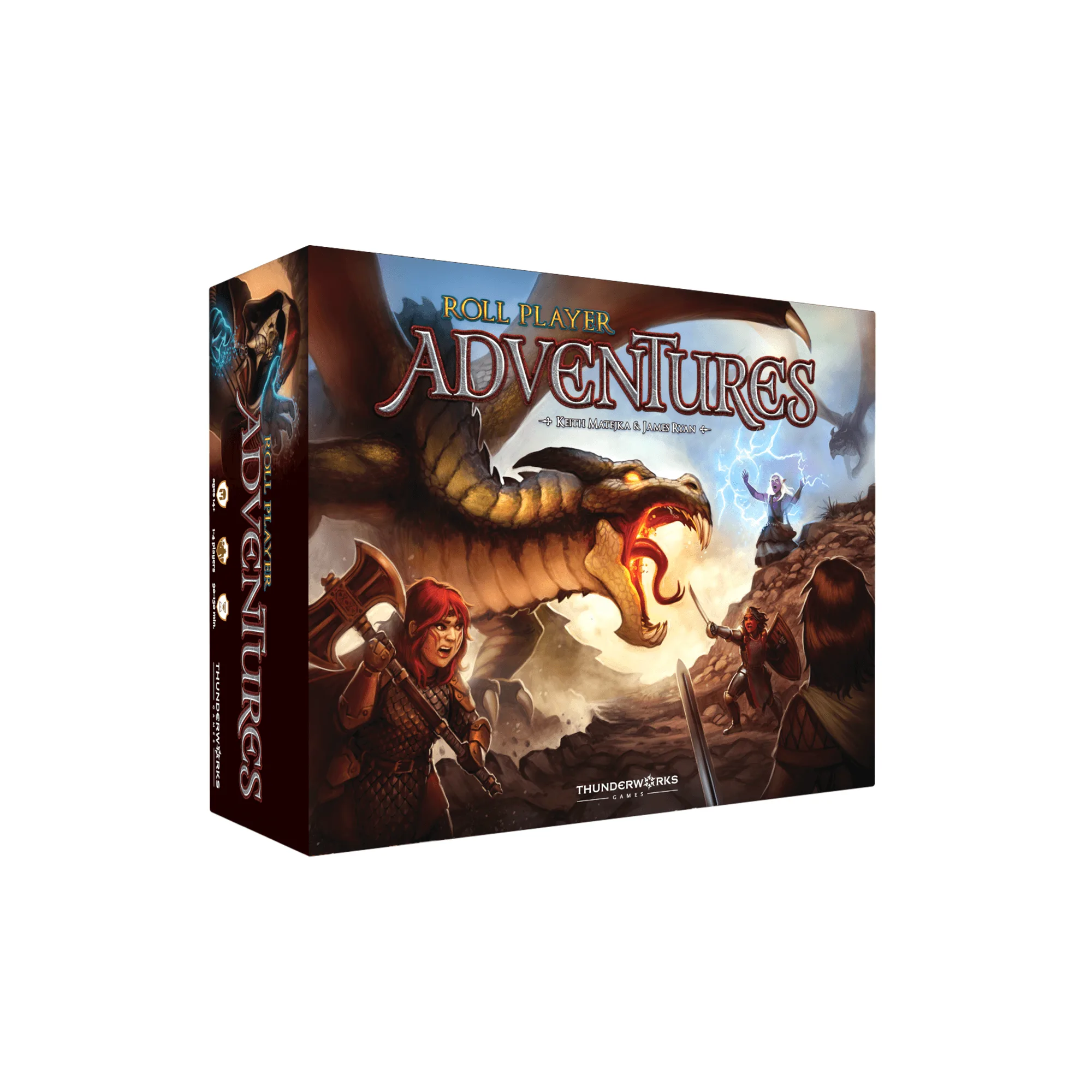
If you're inspired by official expansions, like https://thunderworksgameseyb.com/products/roll-player-adventures-board-game-98f94c79c77c3648f8e6d5e8-897324Roll Player Adventures: Gulpax's Secret, which adds a new campaign set 2,000 years before the original, think about how you can create a similar narrative hook without infringing on copyrighted material. Use your own characters and storylines.
- Check the publisher's fan content policy if you plan to share your work.
Polish and Share
Once your expansion is balanced and fun, consider polishing the components. You can print cards on cardstock, use stickers for tokens, or even commission custom art. But remember, the gameplay is more important than the looks. A well-playtested expansion with simple components is better than a beautiful but broken one.
If you want to share your creation, consider posting it on board game forums or social media groups. Include clear rules and component lists. You might even find other players who want to test it. Sharing your work can be a great way to get feedback and improve your design further.
- Use online tools to generate card templates for a professional look.
Your Step-by-Step Expansion Design Checklist
- Step 1: Analyze the base game: Identify core mechanics, player count, and what makes the game fun. Note any pain points or underused mechanics. Checkpoint: You can explain the game's main loop in one sentence.
- Step 2: Brainstorm and prototype: Sketch ideas for new components or rules. Create a rough prototype using paper or tokens. Write clear rules. Checkpoint: Your prototype is playable, even if it's ugly.
- Step 3: Playtest with your group: Play multiple sessions, varying player counts. Take notes on balance and fun. Be open to major changes. Checkpoint: Players understand the new rules without constant rulebook checks.
- Step 4: Iterate and simplify: Cut mechanics that don't add value. Simplify rules that are confusing. Ensure the expansion integrates smoothly. Checkpoint: The expansion adds depth without adding excessive complexity.
- Step 5: Polish and share: Improve component quality if desired. Create final rules. Share with the community, respecting fan content policies. Checkpoint: You're proud to put your name on it.
Official Expansions to Inspire You
- Tenpenny Parks: Fairview Challenges (Mini-Expansion): This card pack introduces communal goal cards with end-game scoring bonuses for the player who can claim the prize. Compete over a number of these cards (based on player count) for varied challenges with each session. Shows how a small set of cards can add new strategic goals and replayability without overhauling the base game.
- Cartographers: Skills 1 (Mini-Expansion): Add 8 cards for more gameplay options to your games of Cartographers and Cartographers Heroes. Skills are a new card type that provide new ways to fill in your map sheet. Demonstrates the impact of a new card type that introduces a fresh decision layer, a common approach in custom expansions.
- Roll Player Adventures: Gulpax's Secret (Expansion): Explore a new 7 adventure campaign set 2,000 years before the events of Roll Player Adventures. Features: branching story narrative, dice manipulation, and character development. Illustrates a large-scale expansion that adds a whole campaign, showing how narrative can be expanded while retaining core mechanics.
Designing your own expansion is a creative challenge that deepens your appreciation for the games you love. By following these steps—analyzing, prototyping, playtesting, and iterating—you can create custom content that your group will enjoy for many game nights. So grab your favorite game, start brainstorming, and see where your imagination takes you.