Quick answer
For a full deep clean, start with a warm water and dish soap wash, then descale the inside with a 1:1 white vinegar and water soak for 30 to 60 minutes. Rinse thoroughly and air-dry with the lid off. If odor lingers, follow with a baking soda paste on the interior walls, rinse again, and leave the bottle open overnight.
Why a quick rinse is not enough
Everyday use leaves more than water behind. Sugary drinks, coffee, tea, and even plain water can leave a thin film that traps odors and creates the chalky mineral buildup known as scale. That film is why a bottle can smell sour even after a normal wash. A deep clean targets two separate problems: organic residue that causes smell, and mineral scale that makes the inside feel rough or look cloudy.
What you need and what to avoid
Gather warm water, mild dish soap, white vinegar, baking soda, a bottle brush, and a small detail brush for lids and spouts. Avoid bleach, harsh chlorine cleaners, and abrasive scouring pads, which can damage the interior finish and make future buildup stick faster. If your bottle is dishwasher safe, check the manufacturer's instructions first; many insulated bottles and lids are hand-wash only, and heat can compromise the vacuum seal.
How to handle lids, spouts, and straws
The lid is often the real source of odor. Take it apart as far as it is designed to go, then scrub every crevice with a small brush and warm soapy water. For slide lids, work the brush through the slide channel. For flip-up spouts with a lock, clean around the button and hinge where residue hides. Rinse until the water runs clear, then let all parts air-dry separately so no moisture stays trapped inside the mechanism.
How often to deep clean
A daily rinse and quick soap wash handles normal water use. Do a full descale and deep clean every one to two weeks, or sooner if you use the bottle for coffee, tea, juice, or sports drinks. If you notice a lingering smell after a deep clean, repeat the vinegar soak once. Persistent odor after two rounds usually means the lid or gasket needs a longer soak or replacement, not a stronger chemical.
Step-by-step deep clean
- 1. Disassemble and pre-rinse: Remove the lid, gasket, straw, and any removable parts. Rinse everything with warm water to flush loose residue. Common mistake: skipping the gasket, which is where smell often starts. Checkpoint: all parts are separated and visibly free of loose debris.
- 2. Wash with warm soapy water: Use mild dish soap and a bottle brush on the interior, then a small brush on the lid, spout, and threads. Scrub the outside too. Common mistake: using a sponge that has been sitting in the sink, which can reintroduce bacteria. Checkpoint: no slippery film remains when you rub the inside with a clean finger.
- 3. Descale with vinegar: Mix equal parts white vinegar and warm water, fill the bottle, and let it sit 30 to 60 minutes. For heavy scale, leave it up to a few hours. Common mistake: using boiling vinegar, which can damage some finishes and is unnecessary. Checkpoint: the interior looks clear and feels smooth, not chalky.
- 4. Rinse and neutralize: Empty the vinegar solution and rinse thoroughly with warm water. If any vinegar scent remains, fill with warm water and a spoonful of baking soda, swirl, and rinse again. Common mistake: not rinsing enough, which leaves an acidic taste in the next drink. Checkpoint: the bottle smells clean and neutral, with no sharp vinegar note.
- 5. Treat lingering odor with baking soda: Make a paste of baking soda and a little water, rub it over the interior walls, and let it sit 15 to 20 minutes. Rinse well. Common mistake: using baking soda and vinegar together in a sealed bottle, which just fizzes and loses cleaning power. Checkpoint: odor is gone or noticeably reduced after one treatment.
- 6. Air-dry completely: Place the bottle upside down and leave the lid and all parts off to air-dry separately. Common mistake: storing the bottle with the lid on while damp, which traps moisture and brings the smell right back. Checkpoint: no moisture remains inside before you reassemble and store.
Bottles built for easy cleaning
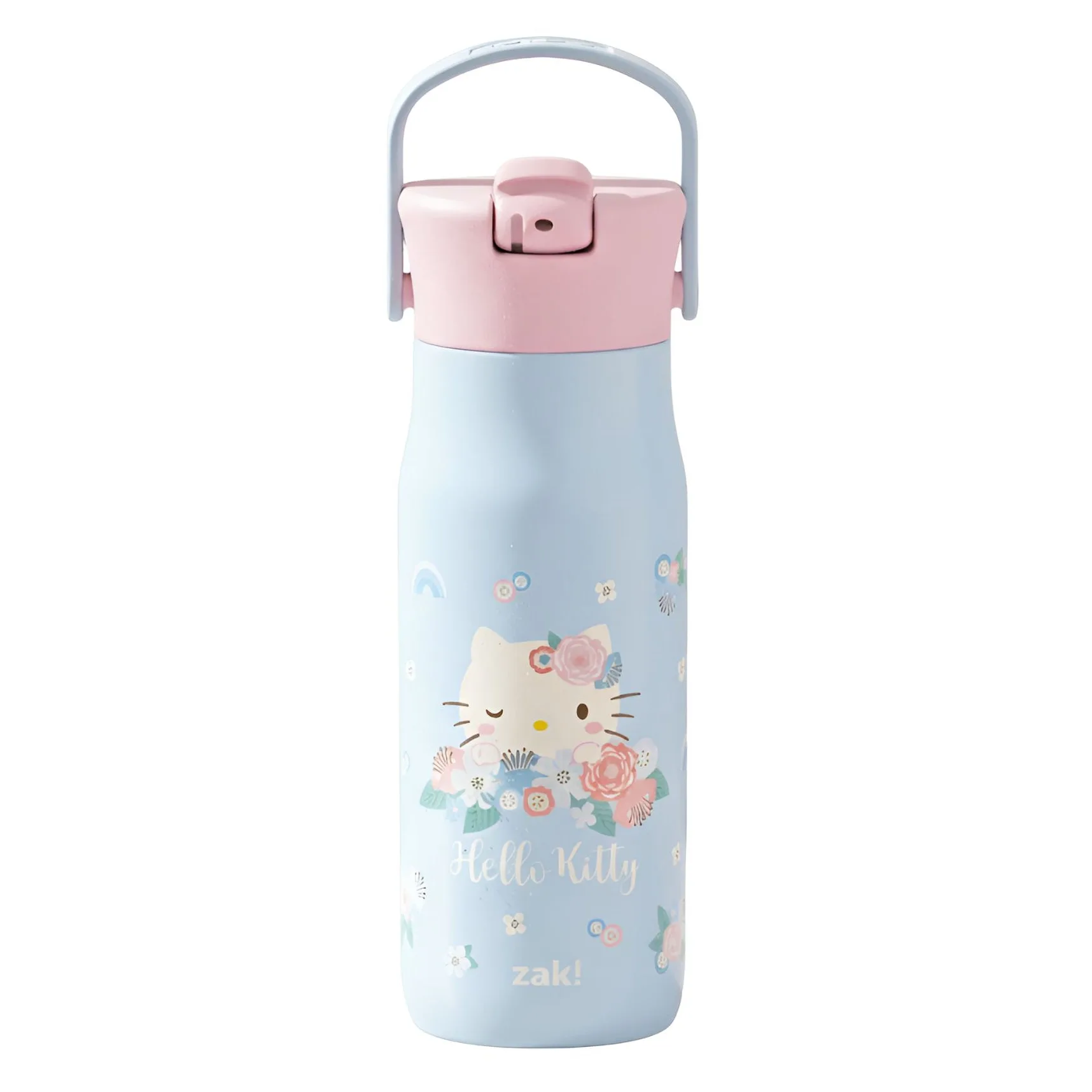
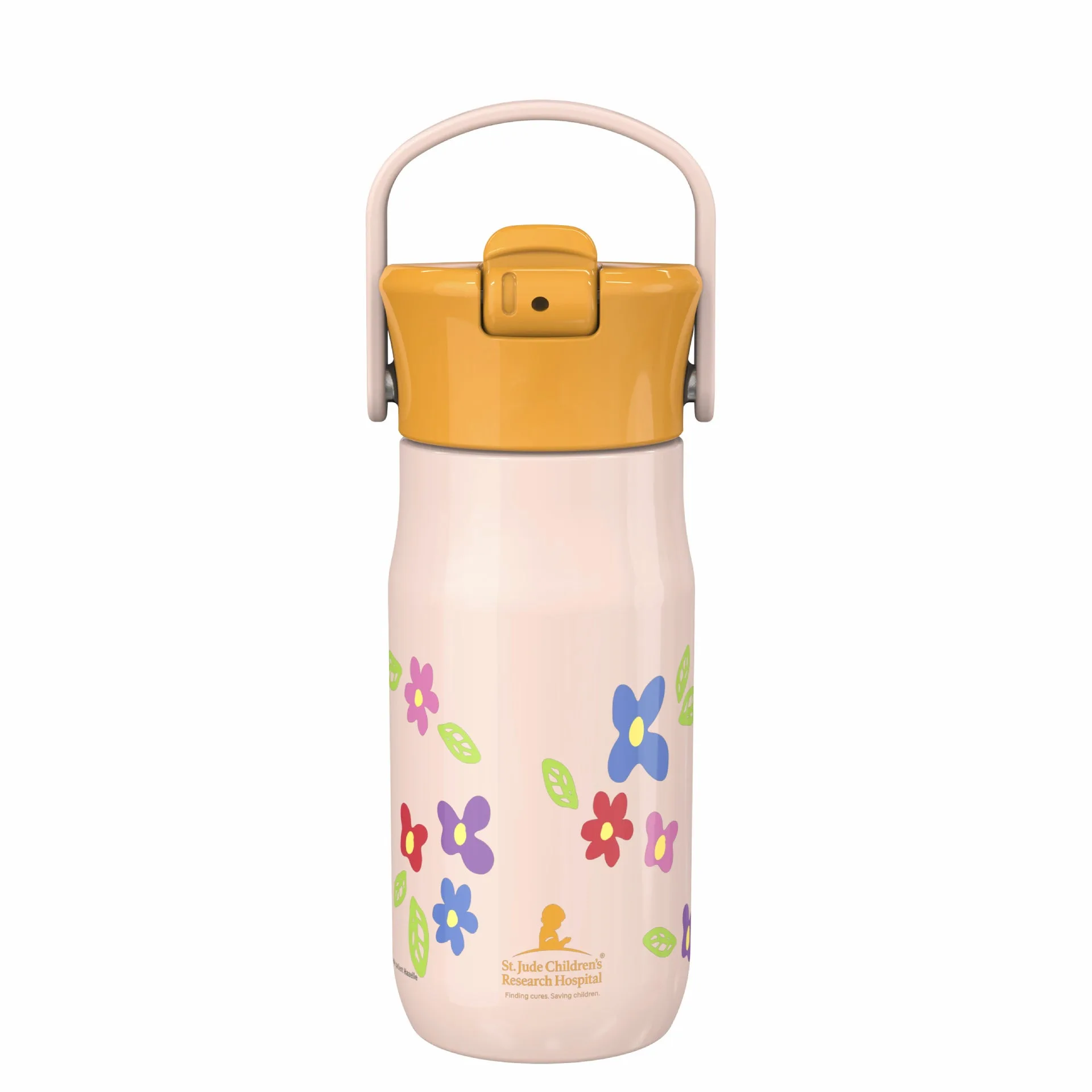
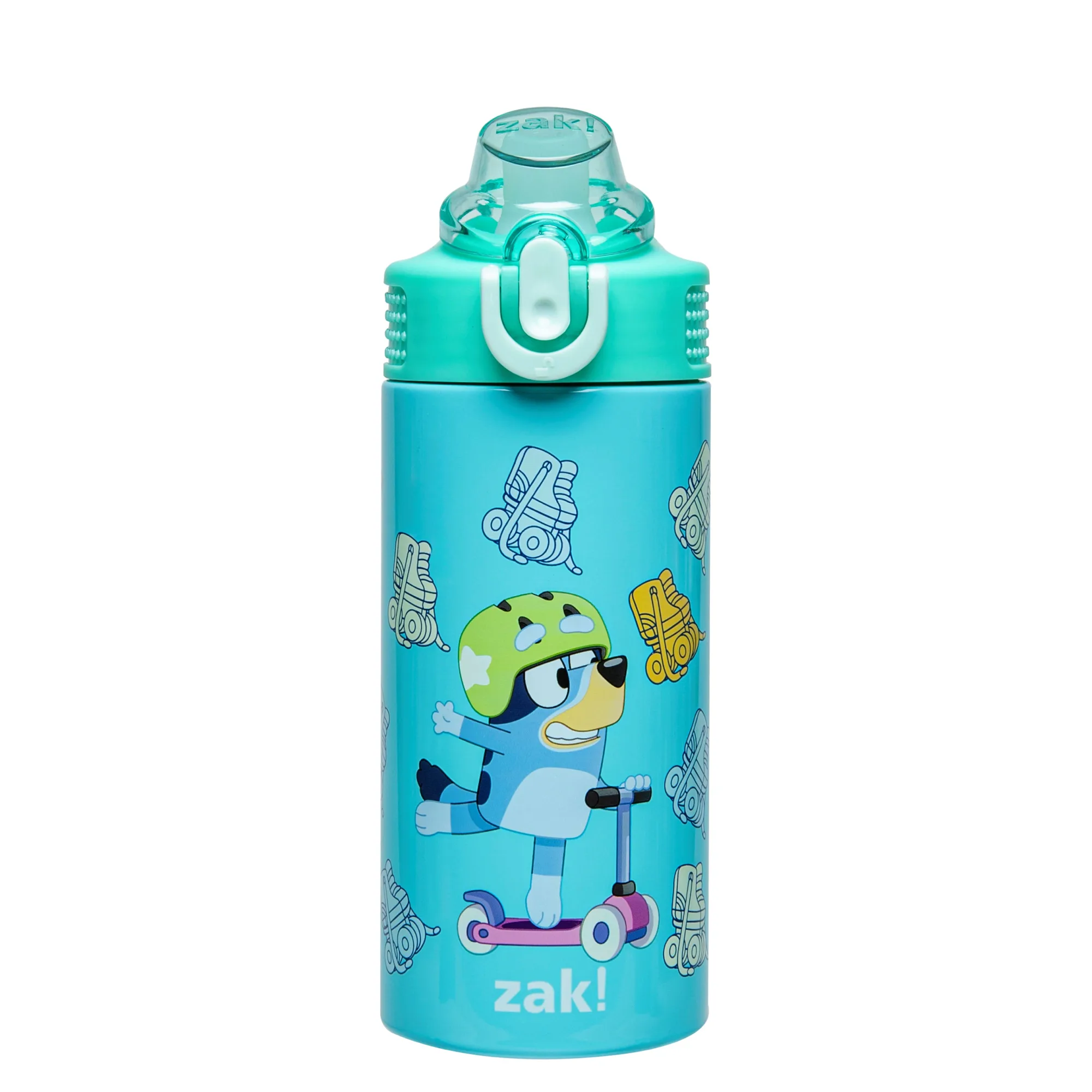
- Sage Insulated Bottle, 14 oz.: The Sage 14 oz. Bluey water bottle is made of durable stainless steel and has a secure lid that won't leak when the spout is closed, plus a quick-release button and a flip-up lock. A lid that closes fully keeps residue and germs out between washes, and the covered spout means less buildup right where kids drink.
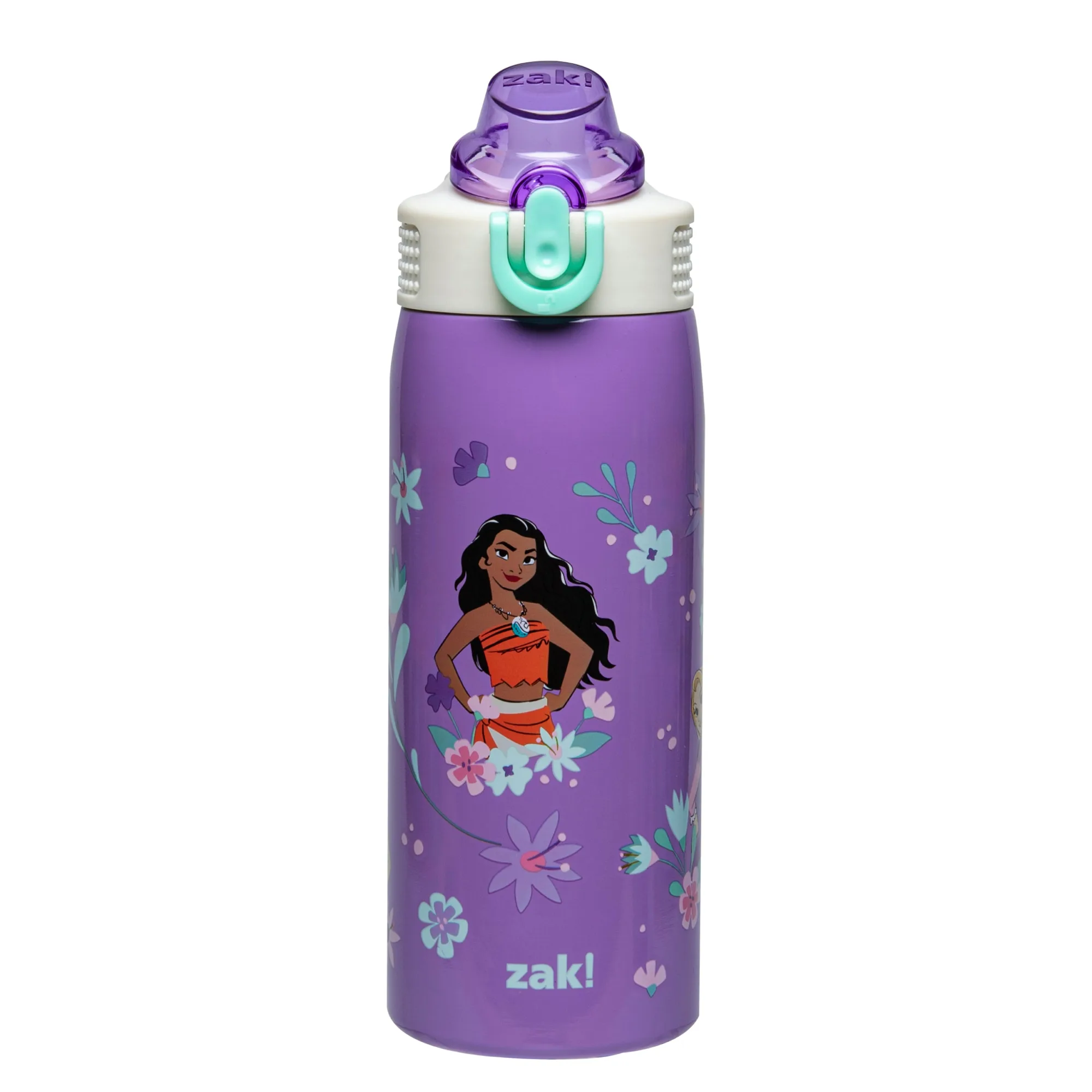
- Beacon Insulated Bottle, 14 oz.: The Beacon 14 oz. Disney Princess bottle has a wide carrying handle, a lid that snaps tight to keep the drinking spout clean, and a soft silicone spout. The snap-tight lid and silicone spout are easy to wipe and rinse, which makes the daily clean faster and reduces odor sources.