Quick answer
Treat a small shelf as a vertical composition, not a flat row. Measure the shelf, clean it, then stick your HIPPERS along the back edge and side walls so the adhesive does the space-saving work, and keep your loose blind box figures loose in front. Rotate the lineup every few weeks so nothing gets permanently hidden.
Work out what the shelf can actually hold
Before you peel a single adhesive strip, check three things: the shelf depth, the height clearance to the shelf above, and whether the surface is flat and smooth. HIPPERS attach with adhesive tape, so a textured, dusty, or curved surface will not hold reliably. Sonny Angel HIPPERS are roughly the same size as a regular Sonny Angel, so a shelf that fits a standing figure will fit a HIPPER — but a HIPPER takes up vertical room once it is stuck to a wall or back panel rather than standing on the base.
- Measure depth in centimetres or inches and write it down; guessing leads to crowded shelves.
- Check clearance above the shelf so stuck figures are not knocked off when you reach for something.
- Skip glass, heavily grained wood, and fabric-covered surfaces unless you test the adhesive first.
Clean and de-grease before anything sticks
Adhesive tape fails on dust and finger oil, not on weight. Wipe the shelf with a slightly damp cloth, let it dry completely, then go over the target spots with an alcohol wipe if you have one. Avoid silicone-based polishes and oily sprays on any surface where you plan to attach a figure, because they leave a film that adhesive cannot grip.
Choose an anchor piece and build outward
Pick one figure as the visual anchor — usually the tallest or the one with the strongest colour — and place it slightly off-centre rather than dead middle. A centred anchor splits a narrow shelf into two cramped halves, while an off-centre one leaves a natural open area for smaller pieces. From there, alternate heights: a stuck HIPPER on the back wall, a standing figure in front, then another stuck piece to the side.
Mix stuck and standing pieces to gain depth
The main advantage of HIPPERS on a small shelf is that they use the wall and back panel, which standing figures cannot. Put your HIPPERS on the vertical surfaces and keep your blind box figures standing on the shelf base. This roughly doubles the number of pieces a narrow shelf can hold without looking cluttered, and it also makes the display read as a scene rather than a queue.
Group by theme, not by acquisition date
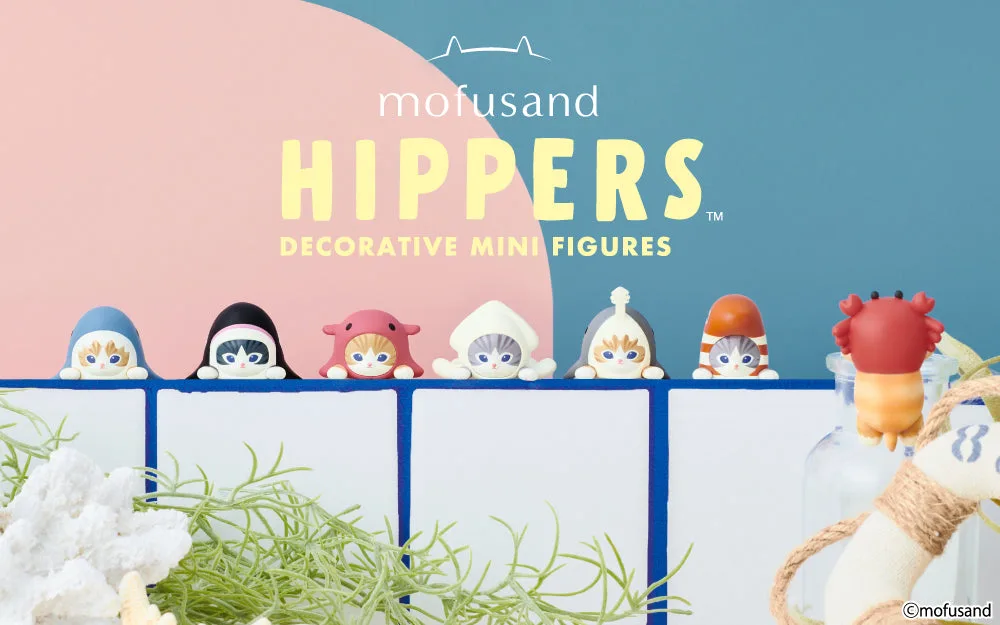
A shelf arranged in the order you bought things looks like storage. Grouping by colour, costume, or character family makes it look intentional. HIPPERS Mofusand: Vol. 2, for example, features seven cats in shrimp-themed costumes including crispy fried shrimp and plump sweet shrimp, so the series already gives you a built-in colour story to cluster around. Keep series together unless you only own one or two from a set, in which case pair them with a figure that shares a dominant colour.
HIPPERS Mofusand
Set a rotation rule so the back row stays visible
Small shelves hide things. Decide on a simple rotation — for example, move the two front-most figures to the back every month — so no piece is permanently invisible. If you collect blind boxes, keep the boxes or cards flat in a drawer rather than on the shelf; they eat depth that your figures need.
Five-step small shelf setup
- Step 1: Measure and test the surface: Record shelf depth, height clearance, and surface type. Press a small piece of tape on the intended spot, leave it for an hour, then peel it off to see how well it grips. Checkpoint: if the tape lifts easily, choose a different surface before committing your figures.
- Step 2: Clean and fully dry the shelf: Wipe with a damp cloth, let it air dry, then use an alcohol wipe on the exact spots where adhesive will go. Avoid oily polishes anywhere near those spots. Common mistake: sticking figures onto a just-wiped surface that is still damp, which weakens the bond.
- Step 3: Place your anchor figure off-centre: Choose the tallest or most colourful piece and position it slightly left or right of the middle rather than dead centre. Checkpoint: stand back and confirm the shelf does not look split into two equal halves.
- Step 4: Attach HIPPERS to the back panel and walls: Stick your HIPPERS onto the vertical surfaces and leave blind box figures standing on the base in front of them, alternating heights as you go. Common mistake: sticking everything at the same height, which flattens the display and hides the back row.
- Step 5: Group by theme and set a rotation date: Cluster figures by series, colour, or costume, then pick a recurring date to move the front pieces to the back. Next step: note the rotation date on your phone so the back row does not stay hidden for months.
Products that work well on a narrow shelf
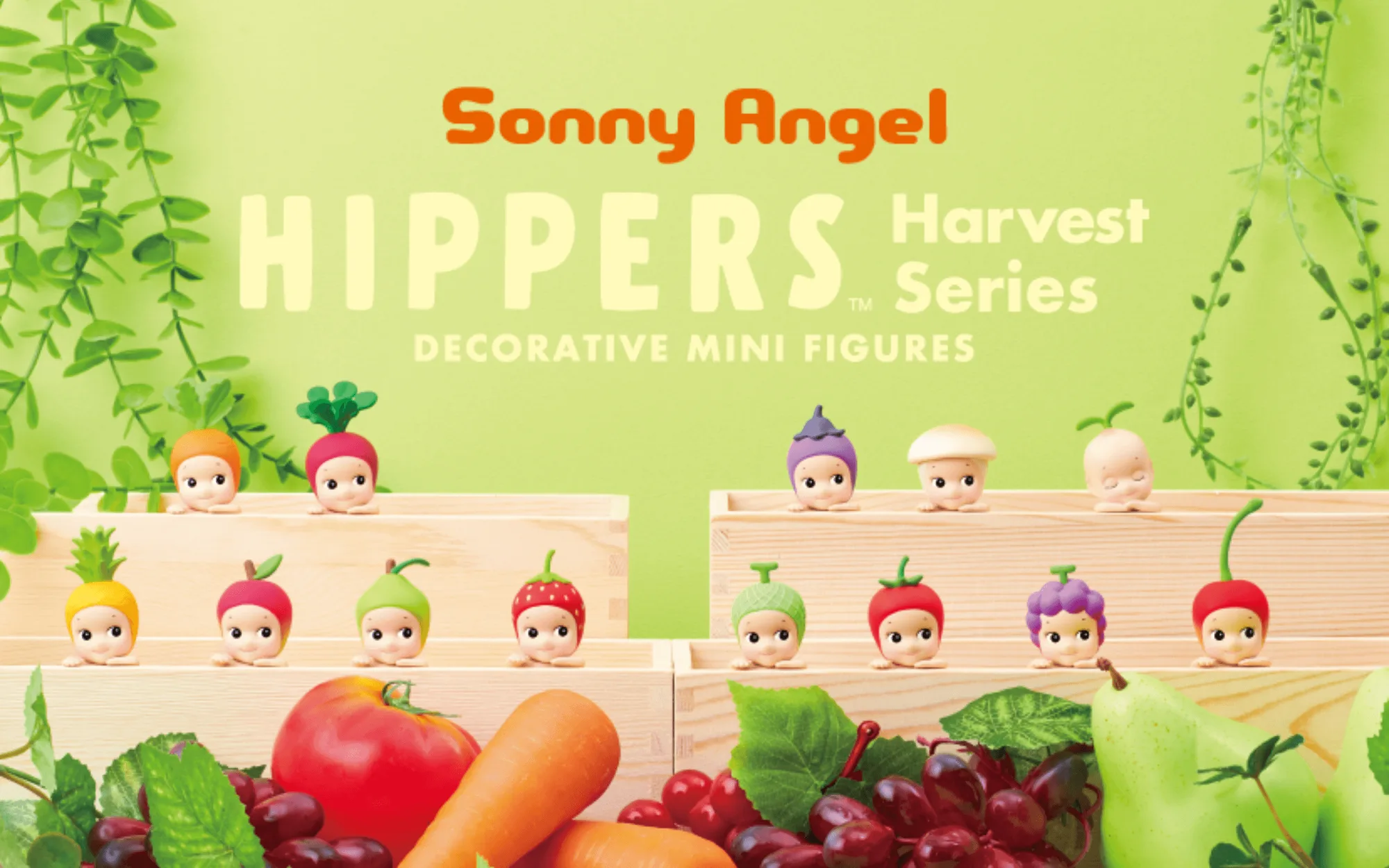
- Sonny Angel HIPPERS: Sonny Angel HIPPERS are decorative mini figures that come with adhesive tape to stick onto a laptop, desk, phone, bookshelf, and other flat surfaces, and they are approximately the same size as a regular Sonny Angel. Because they attach to vertical surfaces instead of standing on the shelf base, they let you use the back panel and side walls of a narrow shelf that would otherwise be wasted space.
- HIPPERS Mofusand: Vol. 2: HIPPERS Mofusand: Vol. 2 features seven cats dressed in shrimp-themed costumes, including crispy fried shrimp and plump sweet shrimp, with each kitty peeking out from the front and round shapes visible from the back. A single themed series gives you a ready-made colour and costume group, so you can build one coherent cluster instead of scattering mismatched pieces across a small shelf.
- HIPPERS CHiiKAWA: HIPPERS CHiiKAWA includes iconic characters Chiikawa, Hachiware, Usagi, Momonga, Kurimanju, and Shisa, with seven different mini figure designs including a Secret, and each figure is adorably round with little arms that cling. The rounded shape and clinging pose means the figure reads clearly from the front even when placed high on a back panel, which suits shelves viewed from a standing angle.