Quick Answer
The faro shuffle is a precise card control move where you interlace two halves of the deck perfectly. To learn it, start with a quality deck, practice the split and the weave, and then work on the drop and push-through. With patience and consistent practice, you'll achieve a flawless faro shuffle that elevates your cardistry and card tricks.
The faro shuffle is a staple in cardistry and card magic, admired for its perfect interleaving of cards. Unlike a riffle shuffle, the faro creates a seamless weave that looks incredibly clean and professional. Whether you're aiming to enhance your cardistry moves or add a subtle flourish to your card tricks, mastering the faro shuffle is a valuable skill.
This guide breaks down the faro shuffle technique into manageable steps, highlighting common mistakes and offering checkpoints along the way. With practice, you'll be able to perform a perfect faro shuffle that impresses and functions flawlessly.
Why the Faro Shuffle Matters
The faro shuffle isn't just about aesthetics; it's a fundamental tool for card magicians and cardists. When executed perfectly, it allows for precise control over card order, enabling tricks like the 'faro out-shuffle' that can bring a deck back to its original order after eight shuffles. For cardistry, the faro's smooth weave is a building block for many flourishing moves.
Understanding the mechanics of the faro shuffle also improves your overall card handling. It requires a gentle touch, even pressure, and a consistent angle—all skills that transfer to other cardistry moves and sleight-of-hand techniques.
- Perfect faro shuffle is a key milestone for cardists and magicians.
- It enhances finger dexterity and control.
Choosing the Right Deck for Learning
The type of playing cards you use can significantly impact your ability to learn the faro shuffle. New, stiff decks are often easier to split and weave because the cards hold their shape better. As you practice, you'll develop a feel for the cards, but starting with a quality deck can accelerate your progress.

playing cards
Look for a deck with a smooth finish and consistent thickness. Some decks, like those with a premium finish, allow for smoother weaving and less friction. While you can learn on any deck, using a deck that you value can motivate you to handle it with care and precision.
- Use a fresh deck for practice—it's easier to split and weave.
- Avoid overly worn or sticky cards when first learning.
Common Mistakes to Avoid
Many beginners struggle with the faro shuffle due to a few common errors. The most frequent mistake is splitting the deck unevenly. If the two halves aren't equal, the weave will be uneven and the shuffle will fail. Another issue is applying too much pressure, which can cause cards to bend or catch.
Additionally, improper angling can prevent the cards from interleaving smoothly. The two halves need to meet at a precise angle and with consistent downward pressure. Recognizing these pitfalls early will help you correct your technique faster.
- Uneven split is the #1 reason for failed faro shuffles.
- Too much pressure causes cards to jam or bend.
Step-by-Step Faro Shuffle Tutorial
- Step 1: Prepare Your Deck: Hold the deck in your dominant hand with your thumb on top and fingers on the bottom. Ensure the deck is well-aligned and squared. For beginners, it's often easier to use a new deck that hasn't been broken in. Checkpoint: The deck should feel firm and even in your hand.
- Step 2: Split the Deck: Use your thumb to split the deck into two roughly equal halves. The goal is to have about 26 cards in each half. Some cardists prefer to split by lifting from the bottom, but the thumb method is standard. Ensure the split is clean and even. Common mistake: If your halves are uneven, the weave will be off. Practice splitting evenly.
- Step 3: Position the Halves: Hold each half in one hand, with the corners facing each other at about a 45-degree angle. The edges of the cards should be aligned so that they can interlace. Your thumbs should be on top, and your fingers should support the bottom. Checkpoint: The two halves should be at equal height and angle.
- Step 4: Weave the Halves Together: Gently bring the two halves together, allowing the cards to interlace. Apply even, downward pressure with your thumbs. The cards should naturally fall into each other if the angle and pressure are correct. Avoid forcing the cards—let them settle. Common mistake: Pressing too hard causes cards to catch. Use a light, even touch.
- Step 5: Square the Deck: Once the cards are fully interwoven, carefully square the deck by pressing the sides together. You may need to adjust any cards that didn't weave perfectly. The deck should now be a single, squared stack. Checkpoint: If the deck isn't perfectly squared, you may need to refine your weave.
- Step 6: Practice the Drop and Push-Through: To complete the faro shuffle, you can either drop the deck onto a table to square it, or use the push-through technique where you gently push the interwoven cards together with your thumbs. The push-through is more elegant for cardistry. Practice both methods to find which works best for you.
Tools to Help You Master the Faro
- Illusionist Playing Cards by ARK: The Illusionist Classic Boxset includes a collectible storage box with luxurious white and dark patterns, and high-quality imported paper with gold foil embossing. Limited to 1500 numbered sets, it includes a certificate of authenticity. Practicing with a premium, limited-edition deck like this can make your practice sessions feel special and encourage careful handling. The high-quality paper also provides a smooth surface that can aid in perfecting the faro shuffle.
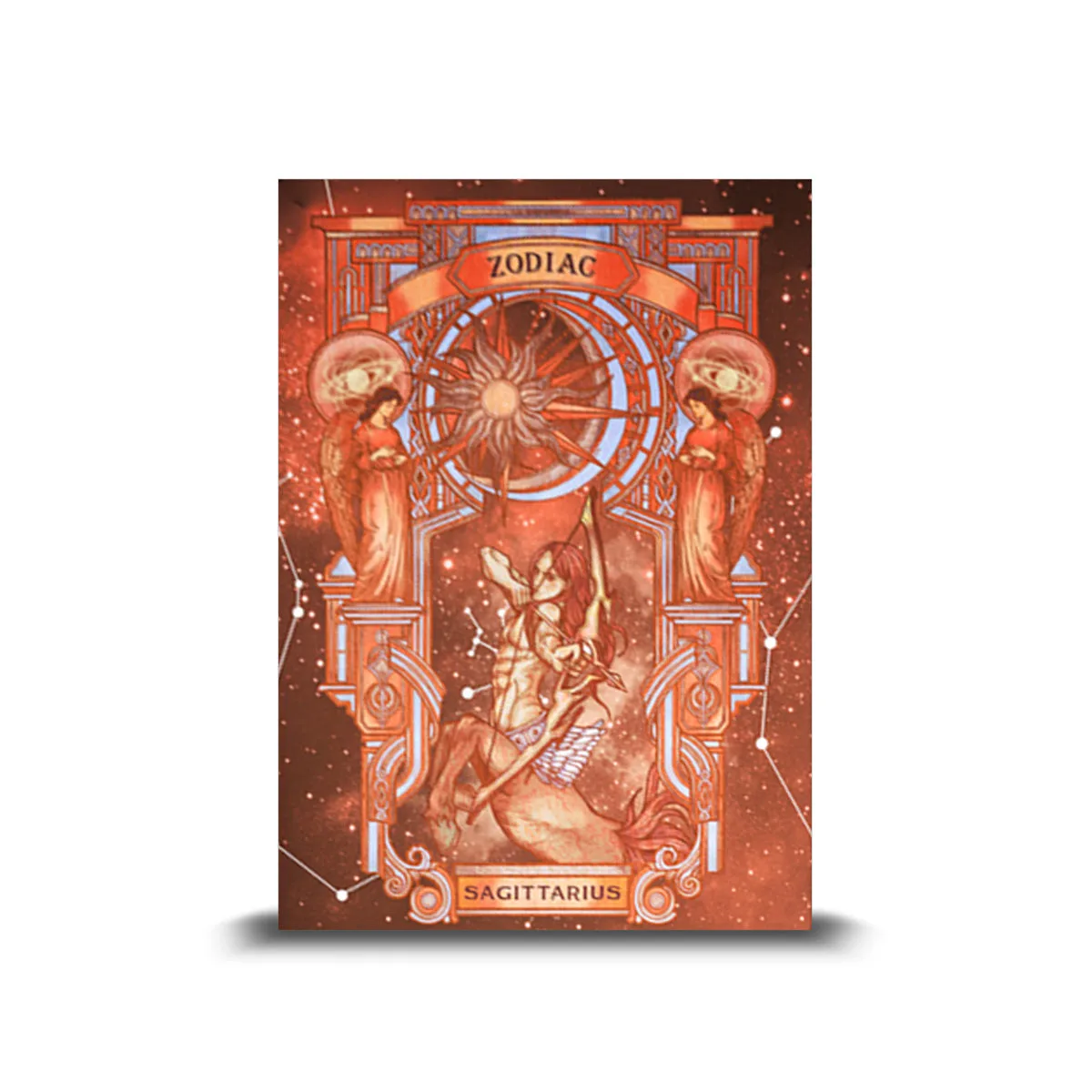
- Zodiac Pisces Luminous Edition Playing Cards by TCC: The tuck is crafted with pearlescent paper, its soft metallic mineral sheen resembling a fine veil of quartz dust. Under the light, it reveals a quiet, celestial glow—like starlit mineral veins shimmering. A beautiful deck like this can motivate you to practice more. The pearlescent finish may offer a different feel, helping you adapt your faro technique to various card stocks and finishes.
Mastering the faro shuffle takes time and patience, but with these steps and consistent practice, you'll be able to perform a perfect faro shuffle that enhances your cardistry and card tricks. Remember to start with a quality deck, focus on even splits and gentle pressure, and soon you'll be weaving cards like a pro.