Quick Answer
To do a one-handed cut, start with the Charlier cut: hold the deck in your dominant hand, use your pinky to lift the bottom half, and let the top half drop into your palm. Practice with a deck that has a smooth finish and good handling, like the Cardistry-Con V4 Playing Cards by Orbit.
One-handed cuts are a core part of cardistry, allowing you to flourish a deck with just one hand. They look impressive but are surprisingly accessible once you break down the mechanics. This tutorial focuses on the Charlier cut, the foundational move that opens the door to more advanced one-handed cuts.
Whether you're new to card flourishing or looking to refine your technique, you'll benefit from a deck that handles well. A deck with a smooth finish and minimal friction, such as the Cardistry-Con V4 Playing Cards by Orbit, can make the learning process smoother.
Why One-Handed Cuts Matter in Cardistry
One-handed cuts are a staple of cardistry because they allow for continuous motion and flow without needing a second hand. They are often the first moves beginners learn because they build dexterity and familiarity with the deck. Mastering the Charlier cut provides a foundation for more complex cuts like the Scissor Cut or the Revolution Cut.
The key to a successful one-handed cut is control and smoothness. You need a deck that allows for easy packet separation and rotation. Decks with a linen finish or a glossy varnish, like the Spring Playing Cards by Missing, offer varied handling characteristics, so experimenting can help you find what suits your style.
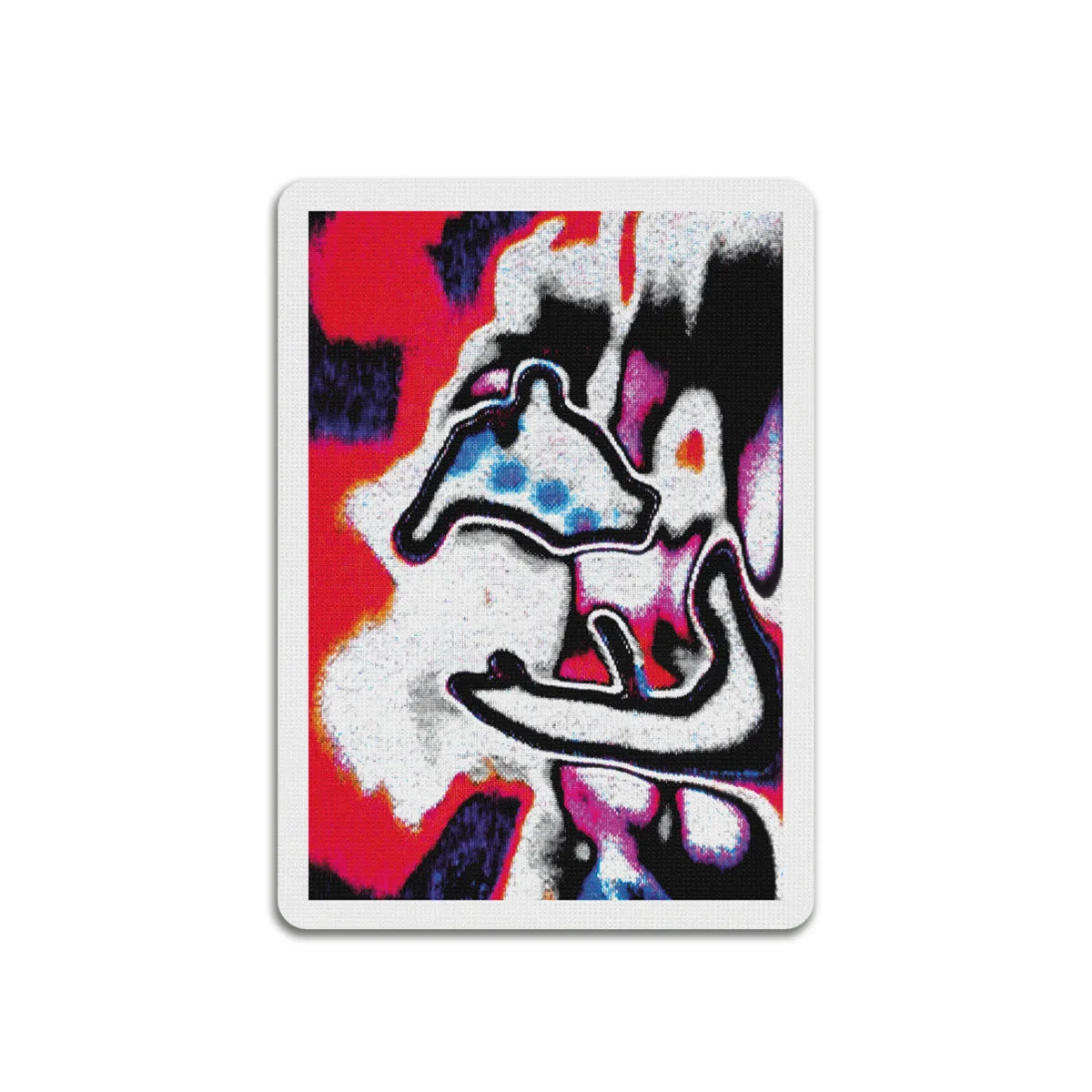
Spring Playing Cards by Missing
Choosing the Right Deck for Learning
When learning one-handed cuts, the deck you use matters. A deck that is too stiff or sticky will hinder your progress. Look for a deck with a smooth finish and moderate flexibility. The Cardistry-Con V4 Playing Cards by Orbit, with its metallic ink and black background, is not only visually striking but also designed for cardistry, making it a solid choice for practice.
Alternatively, if you prefer a more whimsical deck, the Pompompurin Playing Cards might appeal, but remember that the design doesn't affect handling. The key is to pick a deck you're comfortable handling, as consistent practice is more important than the specific brand.
Common Mistakes When Learning One-Handed Cuts
One common mistake is gripping the deck too tightly. A relaxed grip allows the packets to move freely. Another is rushing the motion; start slow and focus on accuracy. Finally, many beginners forget to use their pinky to lift the bottom packet, relying instead on the index finger, which is less effective.
To avoid these pitfalls, practice each step deliberately. Break the move into segments and repeat until each feels natural. With time, the motion will become fluid.
Step-by-Step: Master the Charlier Cut
- Step 1: Grip the Deck: Hold the deck in your dominant hand with your thumb on top and your other fingers on the bottom. Your pinky should rest along the bottom edge, ready to lift. Checkpoint: Ensure your grip is relaxed, not tense.
- Step 2: Lift the Bottom Packet: Use your pinky to push the bottom half of the deck upward, separating it from the top half. The packet should pivot on your ring finger. Common mistake: Using index finger instead of pinky. Practice isolating your pinky.
- Step 3: Let the Top Packet Fall: As the bottom packet rises, allow the top packet to fall into your palm. The bottom packet will now be on top of your hand. Checkpoint: The top packet should fall smoothly without dropping.
- Step 4: Close the Cut: Bring the bottom packet (now on top) down to meet the top packet (now in your palm), completing the cut. The deck is now back to its original order. Common mistake: Rushing this step causes misalignment. Take your time.
- Step 5: Practice and Refine: Repeat the cut slowly, focusing on fluidity. Gradually increase speed as you become more comfortable. Checkpoint: Aim for a seamless motion without pauses.
Decks That Help You Flourish
- Cardistry-Con V4 Playing Cards by Orbit: The CCV4s are here! Made for the New York Cardistry-Con. The metallic ink hand style tags on the back design pop against the black background. This deck includes Taxi yellow accents, the New York subway system inspiration, and graffiti art in mind. Designed with cardistry in mind, this deck's metallic ink and vibrant design not only look great during flourishes but also provide a smooth handling experience, making it ideal for practicing one-handed cuts.
- Spring Playing Cards by Missing: Animated move deck featuring the classic card spring. 87%, 93%, 100% sizes Premium 300gsm German Black Core Stock Linen Finish with Glossy Varnish. The linen finish offers a good balance of grip and slip, which is beneficial for learning cuts. The glossy varnish adds a smooth feel, helping you execute moves with less friction.
With consistent practice, the Charlier cut will become second nature, opening the door to more advanced one-handed cuts. Remember to choose a deck that handles well and to practice slowly before speeding up. For more cardistry tutorials and deck recommendations, explore our collection at TCC Playing Cards.