Quick Answer
To do a pressure fan, hold the deck in your dominant hand with your thumb on top and fingers on the bottom, then apply even pressure with your thumb while rotating the deck in a circular motion. Practice with a new, smooth deck to get the best results.
The pressure fan is a foundational cardistry move that impresses with its elegant semicircle spread. Unlike the thumb fan, which relies on a flick of the wrist, the pressure fan uses a steady, controlled pressure to push cards outward. It’s a great move to learn after mastering basic cuts and shuffles, and it’s a building block for more advanced fans like the Sybil fan.
This guide breaks down the pressure fan into clear steps, highlights common mistakes, and offers tips to help you achieve a smooth, even fan every time. Whether you’re a beginner or looking to refine your technique, you’ll find practical advice to elevate your card flourishing.
Why the Pressure Fan Stands Out in Cardistry
The pressure fan is a versatile move that appears in many cardistry routines and magic performances. Unlike other fans that require a specific deck condition, the pressure fan works best with a new or well-maintained deck that has a smooth finish. The move creates a perfect semicircle that showcases the card backs, making it a favorite for displaying custom designs.
One of the reasons cardists love the pressure fan is its adaptability. You can perform it with a standard deck or a premium one, and it transitions smoothly into other moves like the one-handed fan or the cascade. Learning the pressure fan also improves your finger strength and control, which are essential for more advanced cardistry.
- Use a new deck with a smooth finish for easier fanning.
- Practice on a flat surface initially to build muscle memory.
- Keep your wrist relaxed to allow smooth rotation.
Choosing the Right Deck for Fanning
The condition of your playing cards significantly affects your ability to perform a pressure fan. A deck that is broken in but not worn out is ideal. Cards that are too new may stick together, while overly used cards lose their snap. Look for decks with an air-cushion or linen finish, as they provide the right amount of slip for fanning.

playing cards
For cardistry, many enthusiasts prefer decks with a borderless back design, as they create a seamless visual when fanned. However, the pressure fan works with any design. If you’re practicing, consider using a deck that you don’t mind wearing out, but for performances, choose a deck that you’re confident will fan smoothly.
- Break in a new deck by shuffling it a few times before fanning.
- Avoid decks with high-gloss finishes that can be too slippery.
- Test your deck’s fanning ability before a performance.
Step-by-Step Pressure Fan Tutorial
- Step 1: Grip the Deck: Hold the deck in your dominant hand with your thumb on the top edge and your four fingers on the bottom. Your thumb should be near the middle of the deck, and your fingers should be slightly spread to support the deck. Checkpoint: Your thumb and fingers should be opposite each other, applying equal pressure.
- Step 2: Apply Pressure: Press your thumb downward and your fingers upward, creating a slight bend in the deck. The pressure should be firm but not so hard that the deck bends excessively. Checkpoint: The deck should have a gentle curve, not a sharp bend.
- Step 3: Rotate the Deck: While maintaining pressure, rotate your wrist in a circular motion, moving the deck in a counterclockwise direction (for right-handers). As you rotate, the cards will begin to spread out from the pressure point. Checkpoint: The rotation should be smooth and continuous, not jerky.
- Step 4: Control the Spread: As the cards fan out, use your thumb to guide the top card and your fingers to control the bottom. The goal is to create an even semicircle with all cards equally spaced. Checkpoint: If cards stick together, reduce pressure slightly or adjust your grip.
- Step 5: Practice and Refine: Repeat the motion slowly, focusing on consistency. Over time, increase your speed. Practice on different surfaces and with different decks to adapt your technique. Checkpoint: Aim for a full 180-degree fan without gaps or overlaps.
Decks That Enhance Your Fanning Practice
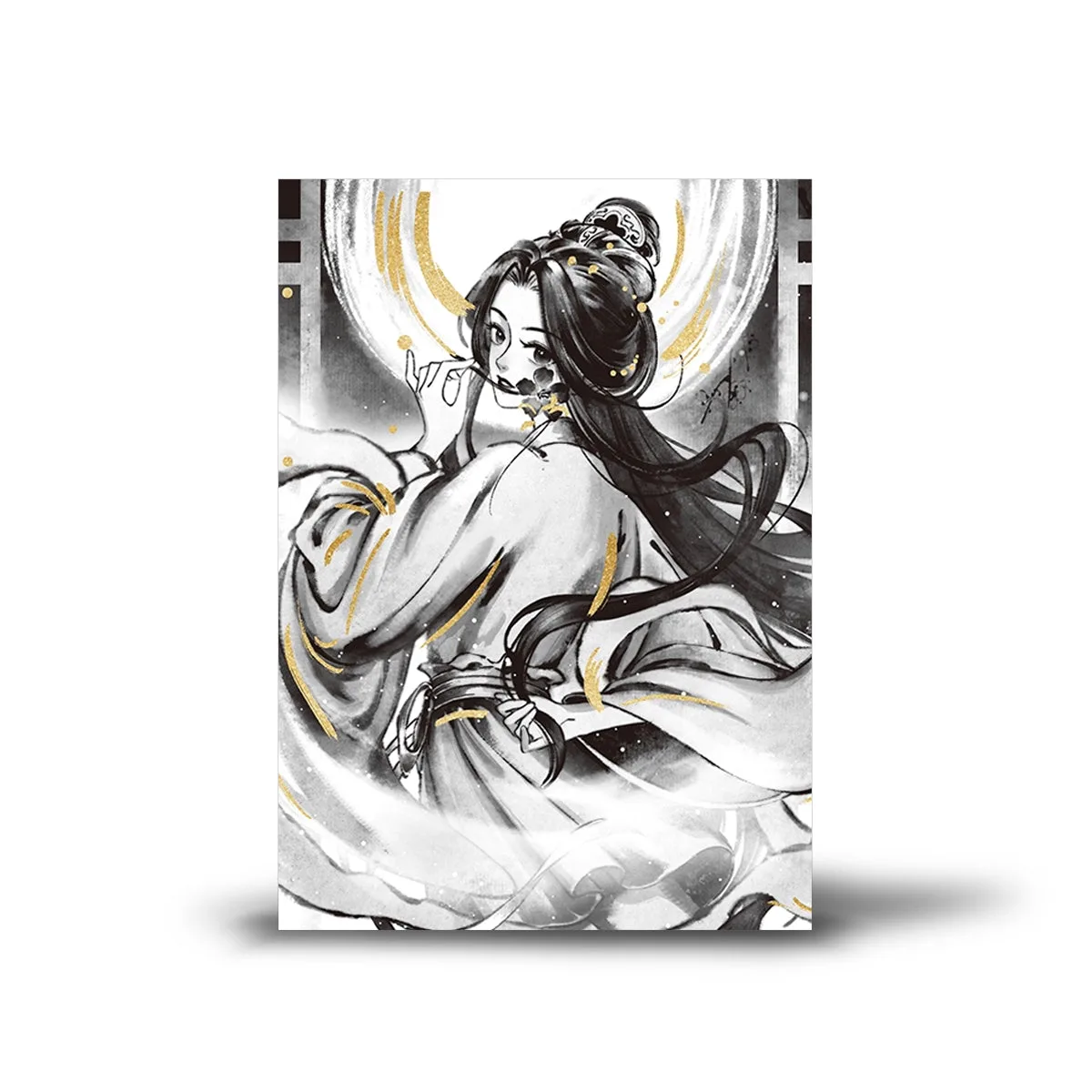
- Flower Moon V2 Moonlight Playing Cards: The Flower Moon V2 playing cards blend traditional ink wash techniques with modern foil stamping on the cards, paying homage once again to this ancient custom. The foil stamping adds a subtle texture that can provide just the right grip for fanning, while the elegant design makes your pressure fans look stunning.
- Zodiac Luminous Edition Brick by TCC: All twelve zodiac decks can be collected at once. The twelve decks are neatly housed in an exclusive long collector’s box, like a sealed chamber meant for safeguarding ancient astrological scrolls, waiting quietly to be opened. If you’re serious about cardistry, having a brick of twelve decks ensures you always have a fresh deck for practice, and the collector’s box keeps them protected when not in use.
Mastering the pressure fan takes patience and practice, but once you get the hang of it, you’ll have a versatile move that enhances your cardistry repertoire. Remember to start with a good deck, focus on even pressure, and practice regularly. With time, you’ll be able to perform a flawless pressure fan that impresses any audience.