Quick Answer
The single biggest factor in Litter-Robot longevity is a consistent cleaning and inspection routine: empty the waste drawer before it overfills, wipe the globe and sensors weekly, and deep clean the unit every one to three months depending on how many cats use it. Skipping these steps is what shortens motor, sensor, and liner life — not normal daily use.
A Litter-Robot is built to run thousands of cycles, but it does not maintain itself. Most units that fail early fail because of litter dust buildup, overfilled waste drawers, or missed sensor cleanings — not because the machine wore out. A simple, repeatable routine protects the parts that actually matter.
This guide walks through the maintenance steps in the order you should do them, from daily habits to quarterly deep cleans. Each step includes the mistake that most often causes problems, so you can check your own routine as you go.
Why Maintenance Directly Affects Litter-Robot Longevity
Self-cleaning litter box maintenance is mostly about protecting moving parts and sensors from litter dust and moisture. The globe rotates, the motor drives it, and weight and position sensors tell the unit when a cat is inside. When dust coats those sensors or litter builds up under the globe, the unit works harder or stops cycling correctly.
That is why Litter-Robot longevity is less about the machine's age and more about how clean you keep the contact points. A unit cleaned on schedule can run for years, while a neglected one may start throwing errors within months.
- Focus your effort on the globe, the base, the waste drawer seal, and the sensor area — not just the visible litter surface.
- If your cat count is higher, shorten every interval in this guide.
Step 1: Check the Waste Drawer Daily
Empty the waste drawer before it reaches the fill line. When the drawer is overfilled, waste can back up into the globe and the unit may cycle repeatedly trying to clear a full drawer. This is one of the most common causes of unnecessary motor strain.
Use the drawer liner as directed and replace it each time you empty the drawer. A torn or bunched liner lets waste contact the drawer itself, which makes odor and cleanup worse over time.
- Common mistake: waiting for the app notification instead of checking visually — clumping litter can pile unevenly and trigger a false 'full' reading early.
- Checkpoint: if the drawer is full within a day or two in a single-cat home, something else is wrong — check the cycle count and litter type.
Step 2: Wipe the Globe and Sensor Area Weekly
Once a week, remove the globe and wipe the inside with a damp cloth. Pay attention to the area around the entrance and the sensor openings on the base. Litter dust is fine and sticky; left alone, it insulates sensors and causes missed cat detections.
Do not spray cleaner directly into the base or onto sensors. Spray your cloth first, then wipe. Moisture in the base is a leading cause of electronic faults that have nothing to do with wear.
- Common mistake: using a heavily scented or abrasive cleaner — mild soap and water is enough.
- Checkpoint: after reassembly, run a manual cycle to confirm the globe rotates freely and stops in the correct position.
Step 3: Deep Clean Every One to Three Months
A full deep clean means disassembling the globe, liner, and waste drawer, washing them with mild soap and water, and letting everything dry completely before reassembly. In a single-cat home, every three months is usually enough; in a multi-cat home, monthly is safer.
This is also the time to inspect the liner for cracks or stiffness. A worn liner traps odor and can cause litter to stick, which leads to more frequent cycles and more strain on the motor.
- Common mistake: reassembling while parts are still damp — trapped moisture encourages odor and can affect sensors.
- Checkpoint: if the liner no longer flexes or shows visible cracks, replace it rather than stretching its life further.
Step 4: Use the Right Litter and Fill Level
Clumping clay litter is what the unit is designed around. Heavy crystal or pellet litters can change how the unit detects weight and how cleanly waste separates. Stick to the fill line — overfilling causes litter to spill into the base during rotation, and underfilling leads to more cycles and more wear.
If you are constantly topping off litter, a LitterHopper-style accessory removes that chore and keeps the level consistent, which is gentler on the mechanism than irregular manual refills.
- Common mistake: switching litter types without rechecking the fill line and cycle behavior for the first few days.
- Checkpoint: if you see litter scattered in the base after a cycle, you are overfilling.
Step 5: Keep the Unit on a Stable, Level Surface
The unit's weight sensors rely on a stable base. On uneven floors or thick carpet, readings drift and the globe may stop mid-cycle or fail to detect a cat. A flat, hard surface is ideal; if you must place it on carpet, use a rigid tray under it.
This step is easy to overlook because the unit still runs — it just runs less reliably. Repeated mid-cycle stops are a sign the surface, not the motor, is the problem.
- Common mistake: assuming a wobbly unit needs repair when it just needs a flatter footing.
- Checkpoint: press down on each corner — there should be no rocking.
Step 6: Act on Error Notifications Instead of Resetting Blindly
When the unit reports a fault, note what it says before clearing it. Repeatedly resetting without addressing the cause — a full drawer, an obstructed globe, a dirty sensor — is what turns a minor issue into a repair.
If a specific error keeps returning after a clean and a manual cycle, that is your signal to stop resetting and inspect the relevant part directly.
- Common mistake: clearing errors without cleaning the sensor area first.
- Checkpoint: if the same error appears twice in a week after cleaning, treat it as a maintenance issue, not a fluke.
Your Litter-Robot Maintenance Schedule at a Glance
- Daily: Empty the waste drawer: Check the drawer visually and replace the liner each time. Do not wait for the fill notification if you notice uneven clumping. Checkpoint: a single-cat drawer should not fill in under two days.
- Weekly: Wipe the globe and sensors: Remove the globe, wipe inside with a damp cloth, and clean the sensor openings on the base. Spray the cloth, never the unit. Checkpoint: run a manual cycle after reassembly to confirm smooth rotation.
- Monthly to quarterly: Deep clean: Disassemble the globe, liner, and drawer; wash with mild soap and water; dry completely before reassembly. Shorten the interval in multi-cat homes. Checkpoint: replace the liner if it is cracked or stiff.
- Ongoing: Maintain litter type and level: Use clumping clay litter and keep it at the fill line. Consider a LitterHopper-style accessory to keep levels steady without manual refills. Checkpoint: litter in the base after a cycle means you are overfilling.
- As needed: Investigate errors, do not just reset: Note the error, clean the relevant area, and run a manual cycle. Repeated resets without cleaning are what turn small issues into repairs. Checkpoint: the same error twice in a week after cleaning needs a closer look.
Products That Support Long-Term Care
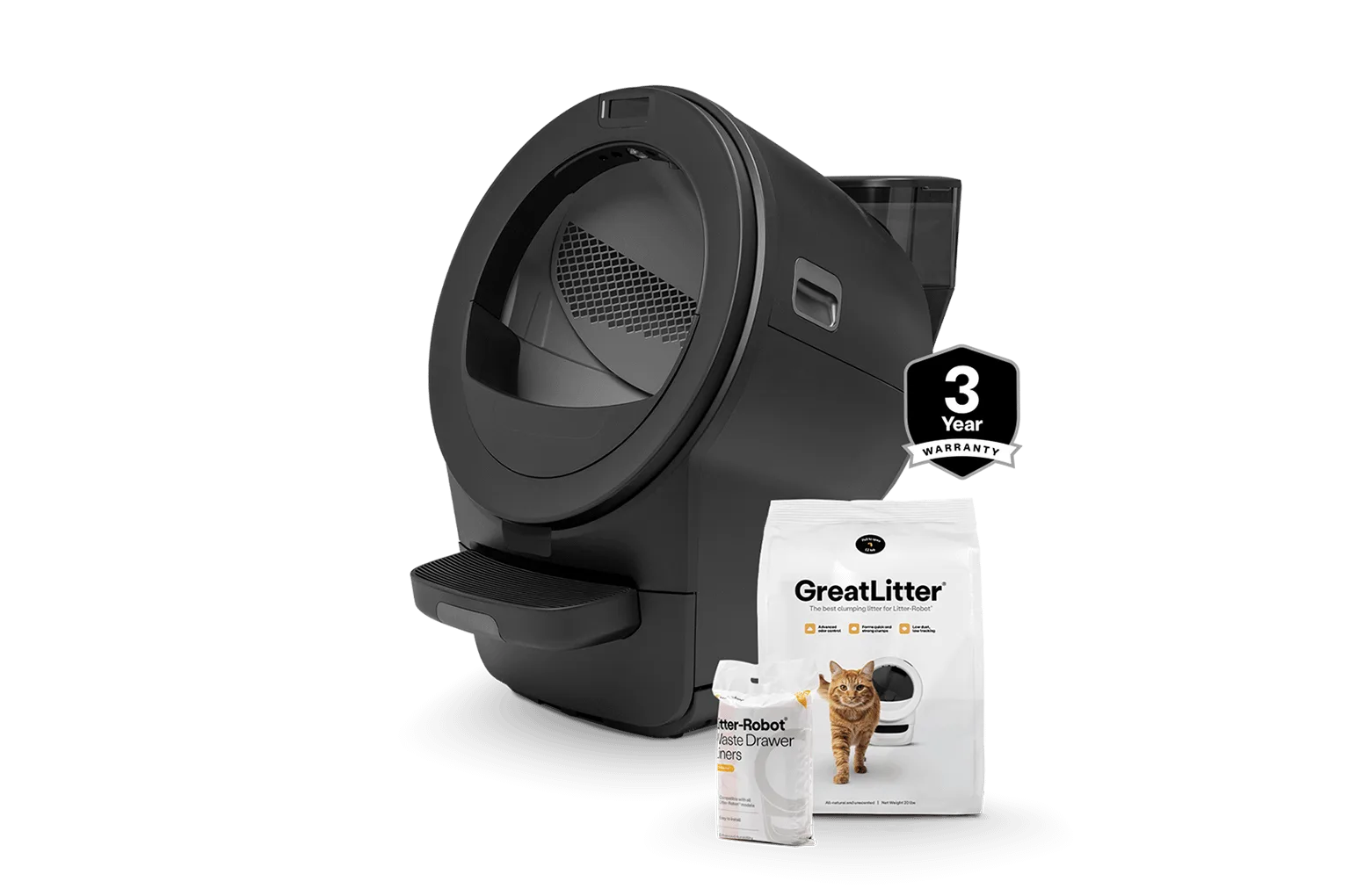
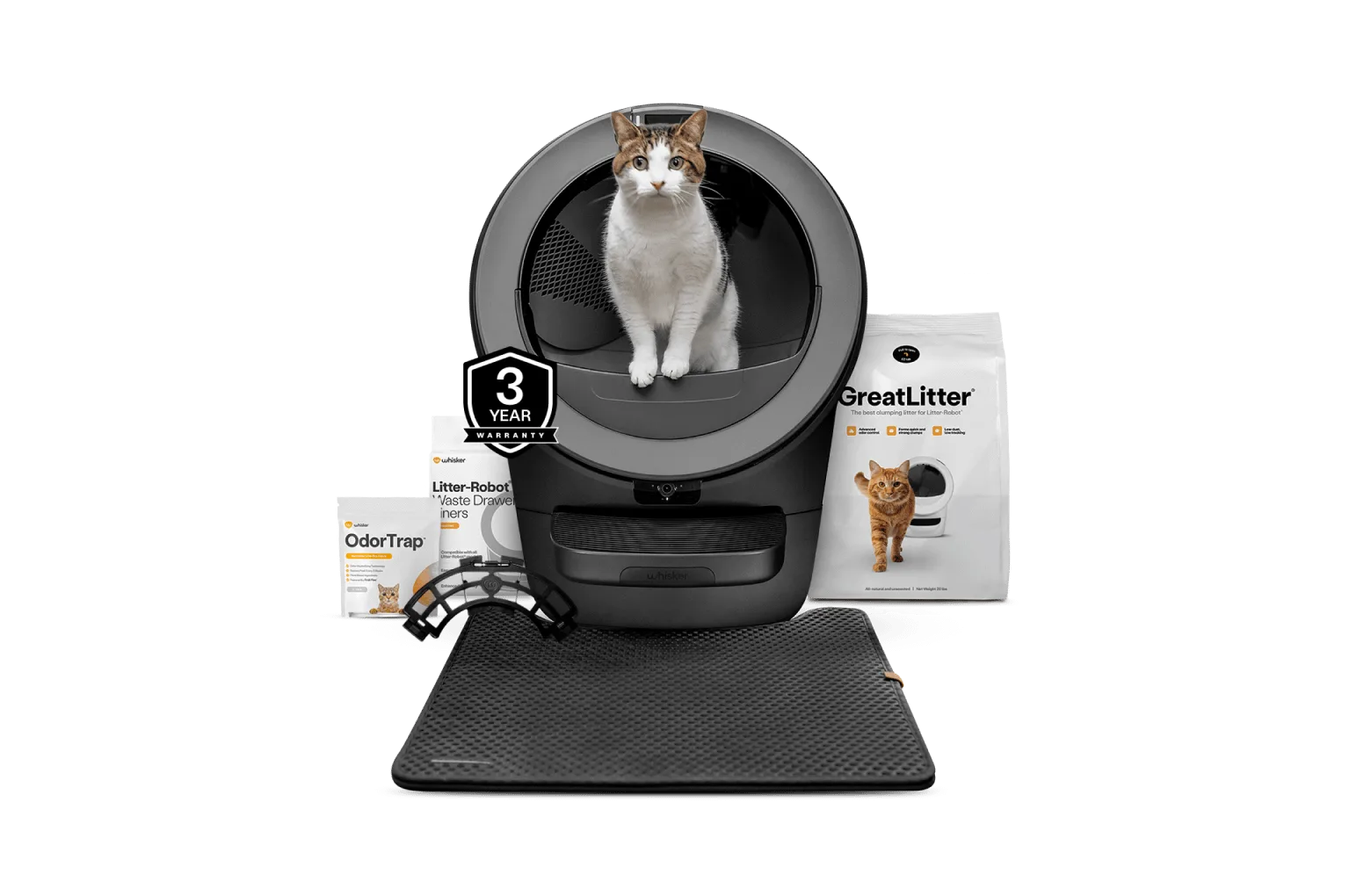
- https://litter-robotejh.com/products/lr5p-strtr-bundle-1256771c0a08a61c7b79adf3-2572416Litter-Robot® 5 Pro Starter Bundle: The new Litter-Robot 5 Pro is the insightful self-cleaning litter box designed to help you understand your cat like never before, and it comes with all the highly-rated accessories you need to make the most out of your automatic litter box. Starting with the full accessory set means you are not improvising liners, cleaners, or setup parts later, which makes the maintenance routine easier to keep consistent.
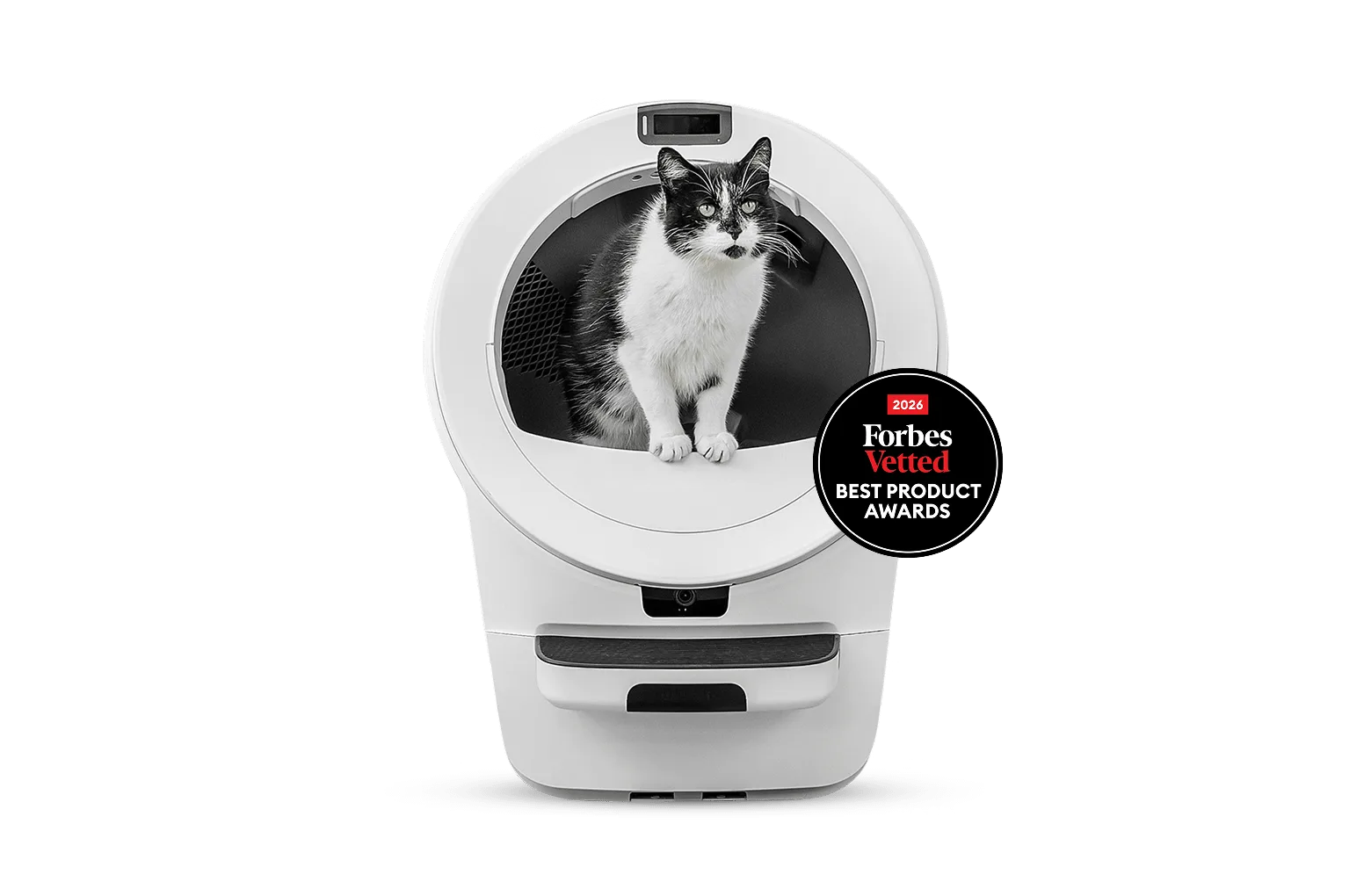
- Litter-Robot® 5 LitterHopper Bundle: Litter-Robot 5, the most advanced self-cleaning litter box, comes paired with LitterHopper, so you can say goodbye to scooping and refilling the litter. Consistent litter levels reduce the number of cycles and the strain on the motor, which is one of the simplest ways to extend lifespan.
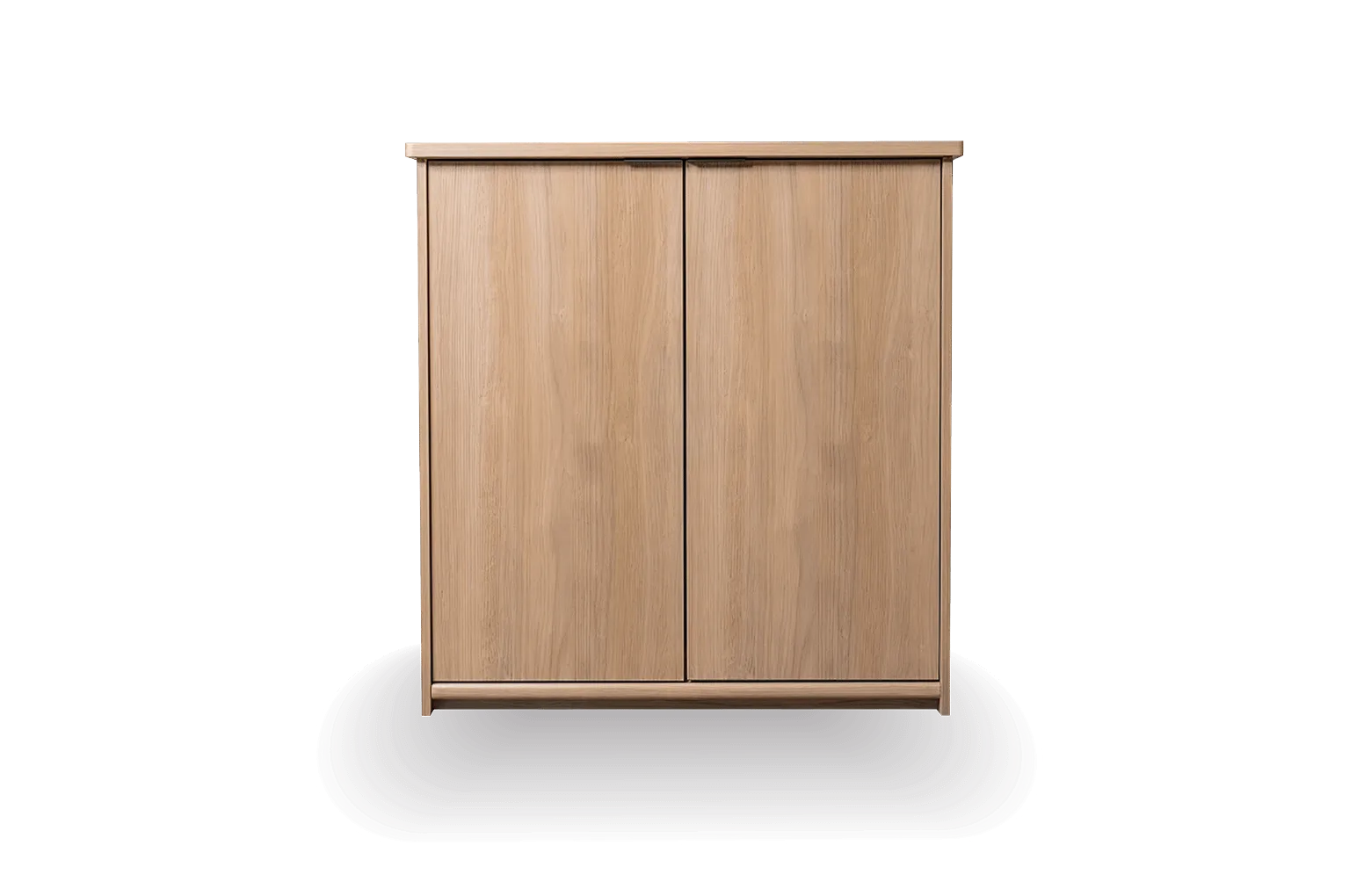
- Litter-Robot Cabinet: Crafted with a modern furniture design, the Litter-Robot Cabinet discreetly conceals your Litter-Robot while bringing style and smart space-saving design to your home. Enclosing the unit keeps dust and odor contained and protects it from accidental knocks, which helps the sensors stay stable over time.
Extending your Litter-Robot's lifespan is not about doing more — it is about doing the right things on a schedule. Keep the drawer empty, the sensors clean, and the litter level steady, and the unit will keep cycling reliably for years. If you are setting up a new unit or upgrading, the Litter-Robot 5 Pro Starter Bundle and Litter-Robot 5 LitterHopper Bundle both include the accessories that make this routine easier to maintain from day one.