Quick Answer
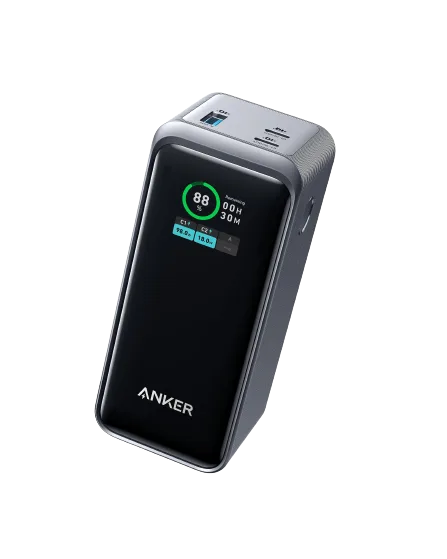
To extend your phone's battery life, start by adjusting screen brightness, disabling background app refresh, and using low power mode. For truly long off-grid stretches, a high-capacity power bank like the Anker Prime 6-in-1 Charging Station (140W) can recharge your phone multiple times, but a 300W power bank is overkill for phones alone—choose one only if you also need to power laptops and other high-draw devices.
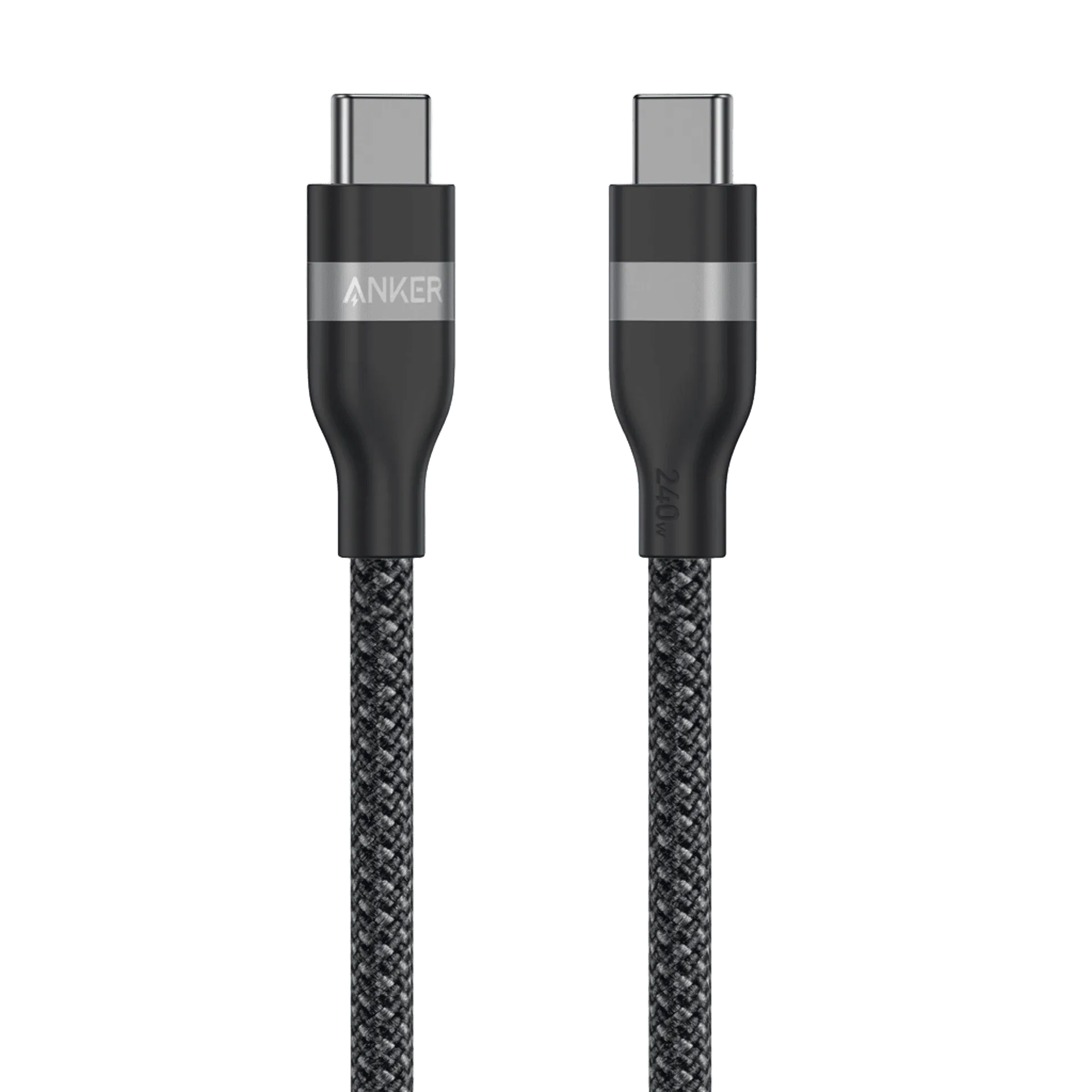
Prime 6-in-1 Charging Station (140W)
Your phone's battery drains faster than you'd like, especially when you're traveling, working remotely, or just using it heavily. The good news: you don't need to buy a new phone or carry a bulky generator to get through the day. With a few smart habits and the right charging gear, you can stretch every charge and stay powered wherever you go.
In this guide, we'll walk through practical ways to extend your phone's battery life, then look at when a high-capacity power bank makes sense. We'll also clear up a common misconception: a 300W power bank is rarely the right tool for a phone alone. Here's how to decide.
Why Your Phone Battery Drains Fast (and How to Slow It Down)
Most battery drain comes from two places: screen brightness and background app activity. The display is the biggest power hog, so lowering brightness or enabling auto-brightness can add a noticeable amount of time to each charge. Similarly, apps that refresh in the background—email, social media, weather—consume power even when you're not using them. Turn off background app refresh for apps you don't need to be current.
Other quick wins: enable low power mode (or battery saver) when you're below 30%, turn off location services for apps that don't need it, and avoid using your phone in extreme temperatures. Heat and cold both degrade battery performance. If you're on a long flight or a full day out, these tweaks can easily buy you several extra hours.
- Set your screen timeout to 30 seconds or less.
- Use Wi-Fi instead of cellular data when possible—cellular radios draw more power.
- Close apps you're not using, but don't obsess over force-quitting; the OS manages most apps efficiently.
When a High-Capacity Power Bank Helps (and When It Doesn't)
A high-capacity power bank (20,000mAh or more) can recharge a typical phone four to five times, making it ideal for multi-day trips, camping, or long commutes. But there's a catch: if you only need to charge a phone, a 300W power bank is overkill. Phones typically charge at 20–30W, so a 300W bank offers no speed benefit for a phone alone—it just adds extra weight and cost.
Where a high-wattage bank shines is when you also need to charge a laptop, tablet, camera, or even small appliances. For example, the Anker https://ankermn.com/products/power-bank-20k-87w-built-in-usb-c-cable-292126Power Bank (20K, 87W, Built-In USB-C Cable) delivers up to 87W, enough to fast-charge most laptops and phones. If you need even more power for multiple devices, a charging station like the Anker Prime 6-in-1 Charging Station (140W) can handle a whole workspace. But for phone-only use, a smaller 10K–20K bank is more practical.
- Check your phone's charging speed (usually 20–30W) before buying a power bank.
- If you travel with a laptop, look for a bank with at least 60W USB-C output.
- A 300W power bank is only worth it if you regularly power high-draw devices like laptops, drones, or mini-fridges.
How to Choose the Right Power Bank for Your Needs
Start with capacity: 10,000mAh is fine for a single phone recharge, 20,000mAh gives you multiple recharges, and 26,000mAh or more can power a laptop several times over. Next, check output wattage. For phones, 20–30W is plenty; for laptops, you want at least 60W. Also consider size and portability—a 300W power bank is often the size of a brick, so it's not something you'll want in your pocket.
Think about your daily routine. If you're a commuter who just needs a top-up, a slim 10K bank with a built-in cable is convenient. If you're a digital nomad who works from cafes, a 20K bank with high wattage can keep both your phone and laptop alive. And if you're building a home office or need to charge multiple devices at once, a charging station or multi-port power bank is a better fit. Don't buy more power than you'll actually use—weight and cost go up with capacity.
- For phone-only use, a 10K–20K power bank is the sweet spot.
- For laptop charging, look for at least 60W output and 20K+ capacity.
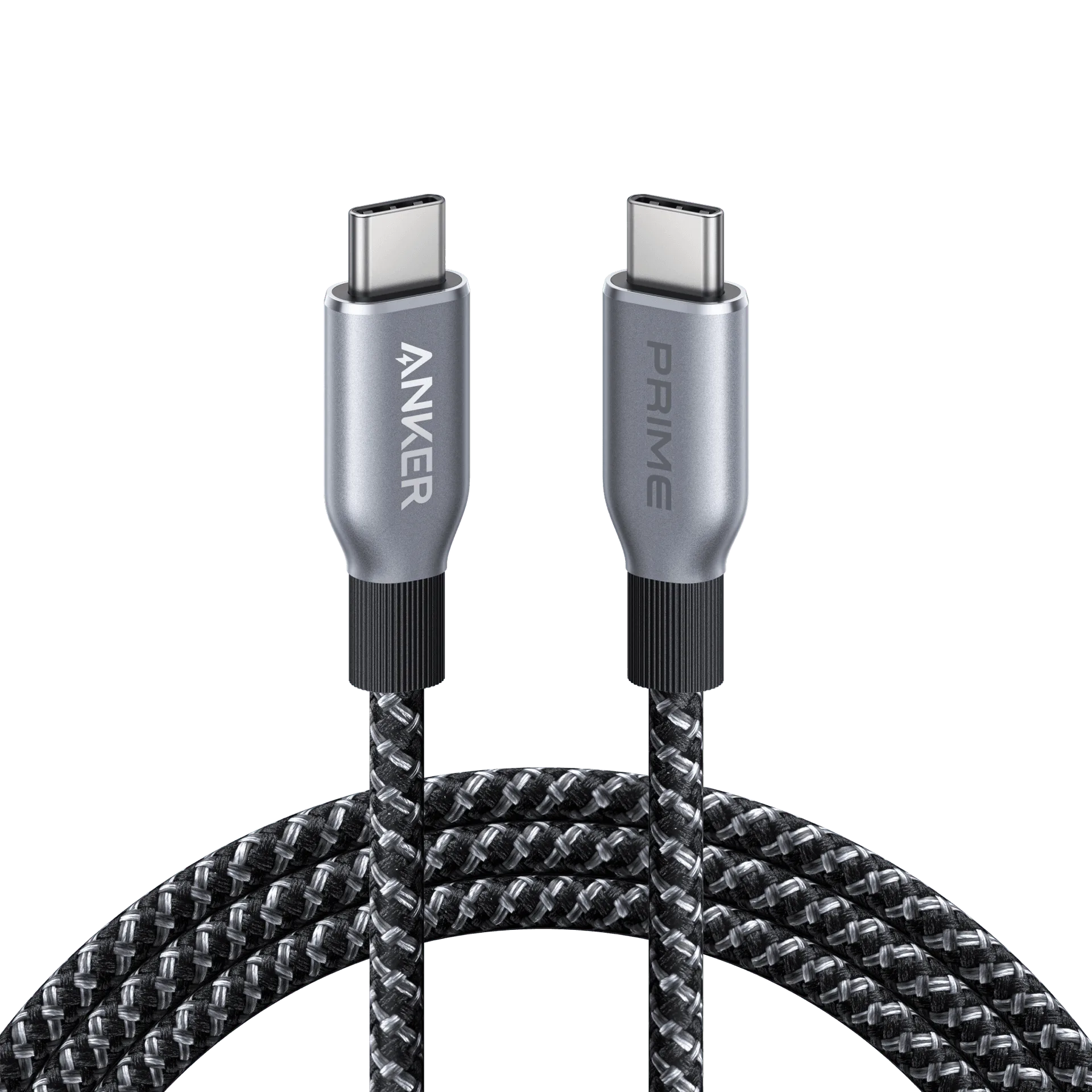
- Consider a built-in USB-C cable to avoid carrying an extra cord.
Diagnosis: Is a 300W Power Bank Right for You?
- Symptom: Your phone battery dies before the day is over, even with moderate use. This is a common issue, but a 300W power bank is not the first fix.
- Likely cause: High screen brightness, background apps, and lack of a charging routine are the main culprits. Optimize your phone's settings first—this costs nothing and can add hours.
- Corrective action: Adjust settings and carry a portable charger that matches your actual needs—like a 20K power bank for multiple phone recharges or a 140W station for multi-device setups. Choose a power bank based on what you charge, not just the highest wattage.
- Stop or choose another option: If you only charge a phone, stop at a 20K power bank. Only invest in a 300W bank if you also power laptops, drones, or other high-draw gear. A 300W power bank is a niche tool—skip it unless your devices demand it.
Power Banks That Actually Help
- Power Bank (20K, 87W, Built-In USB-C Cable): 20,000mAh capacity for multiple charges on the go, 87W high-speed output for fast charging. This bank can recharge your phone several times and also fast-charge a laptop, making it a versatile choice for travel or workdays away from an outlet.
- Prime 6-in-1 Charging Station (140W): 6-in-1 design: Charge up to six devices at once, including smartphones, tablets, earbuds, and more. 140W total output. If you have multiple devices, this station replaces several chargers and keeps your desk or nightstand organized—ideal for a home office or family charging hub.
Extending your phone's battery life starts with simple settings changes, not a bigger power bank. When you do need a portable charge, match the capacity and wattage to your actual devices. For most people, a 20K power bank like the Anker Power Bank (20K, 87W) is the sweet spot—it covers phones and laptops without the bulk of a 300W unit.