Quick Answer
Measure your dog's front leg circumference and length, then slide the BUSTER Body Sleeve over the paw and up the leg, securing the elastic bands or Velcro straps for a snug but not tight fit.
Why Proper Fit Matters
A loose body sleeve can slide down, exposing the wound or causing irritation, while one that is too tight may restrict blood flow or chafe the skin. Getting the fit right ensures your dog stays comfortable and protected during recovery.
The BUSTER Body Sleeve is designed for both front and hind legs, but the front leg version has specific tailoring to accommodate the shoulder joint. This makes it important to follow the sizing guide for the specific area affected.
When to Use a Body Sleeve Instead of a Cone
Body sleeves are ideal for covering wounds, hotspots, or surgical sites on the leg without restricting the dog's vision, eating, or drinking. They are less stressful for some dogs compared to e-collars, though they do not prevent access to other body parts.
How to Fit a BUSTER Body Sleeve on a Dog's Front Leg
- 1. Measure Your Dog's Front Leg: Use a flexible measuring tape to measure the circumference of the leg at the widest point (usually just below the elbow) and the length from the top of the leg to the paw. Compare your measurements with the size chart for the BUSTER Body Sleeve. If in doubt, choose the larger size for a comfortable fit. Measure twice to ensure accuracy; a sleeve that is too small will be uncomfortable and ineffective.
- 2. Prepare the Sleeve and Your Dog: Make sure the sleeve is turned right side out and the elastic bands or Velcro are accessible. Calm your dog with treats or gentle praise. Have a helper hold the dog steady if needed. A cooperative dog makes fitting much easier; avoid rushing or forcing the sleeve on.
- 3. Slide the Sleeve Over the Paw: Gather the sleeve and gently slide it over the paw, similar to putting on a sock. Work the fabric up the leg, smoothing any wrinkles as you go. Do not pull too hard on the elastic; let the fabric adjust naturally. If the paw gets stuck, do not yank—gently stretch the opening or try a different angle.
- 4. Position the Sleeve Over the Wound: Once the sleeve is up the leg, position it so that the wound or surgical site is fully covered by the soft fabric part and not under a seam or elastic band. The sleeve should sit comfortably without restricting movement at the shoulder. Check that the wound is entirely covered; edges of the sleeve should not rub against the wound area.
- 5. Secure the Fasteners: Fasten any Velcro straps or adjust elastic bands to keep the sleeve in place. It should be snug enough not to slide down but loose enough that you can fit one finger between the sleeve and your dog's leg. For front legs, ensure the shoulder area is not compressed. Over-tightening is a common mistake—always check that the skin underneath is not pinched or red after a few minutes.
- 6. Observe and Adjust as Needed: Let your dog move around for a few minutes. Watch for signs of discomfort: trying to bite the sleeve, excessive licking of the edge, or limping. Adjust the fit or try a different size if these occur. A properly fitted sleeve should stay in place during normal activity. Check the fit daily as swelling may change during recovery.
- 7. Clean and Maintain the Sleeve: Remove the sleeve periodically as directed by your vet to clean the wound or regroom the site. Wash the sleeve according to the care instructions to prevent buildup of bacteria or debris. Never leave a damp sleeve on the dog—moisture can promote skin infections.
Product Feature
-
BUSTER Body Sleeves Front Legs: The BUSTER Body Sleeves are available in a version for front legs and a version for hind legs depending on the area affected on the dog. You need to select the correct version for your dog's injury to ensure a proper fit and effective protection.
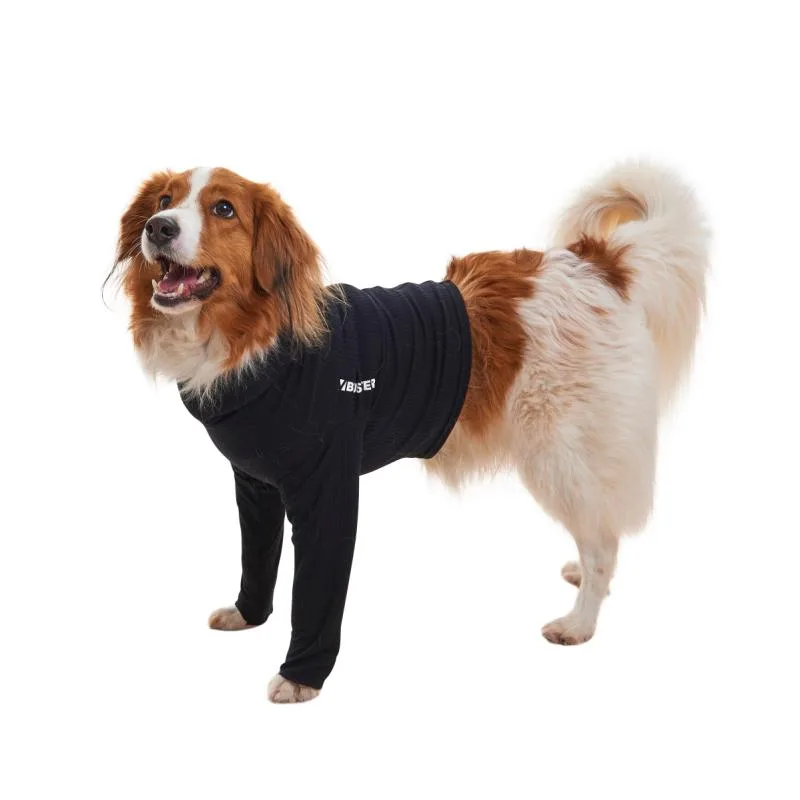
BUSTER Body Sleeves Front Legs
-
BUSTER Body Sleeves Front Legs: The soft and comfortable BUSTER Body Sleeves is used as protection after surgery or in case of skin diseases. The fabric is gentle against sensitive skin, reducing the risk of irritation while keeping the wound clean and covered.