Quick answer
Put the belt on over thin clothing, sit it low across your pelvic bone or under your bump, and fasten it only until you feel gentle lift rather than pressure. You should be able to slide two fingers under the band, breathe deeply, and sit down without it digging in. If it leaves red marks, feels tight after a meal, or you feel dizzy or numb, loosen it or take it off.
Before you fasten: get the position right
The maternity support band position matters more than how tight you pull it. Most belts are designed to sit low, either across the front of your pelvic bone or cradling the underside of your bump, depending on the style. Wearing it too high over the middle of your bump usually makes it roll down and press on your ribs instead of supporting your pelvis.
Start by standing in front of a mirror with the belt unfastened. Slide it down over your hips until the front panel sits under the weight of your bump and the back panel rests across your lower back, roughly at the top of your jeans waistband. If your belt has a shaped panel, the wider section usually goes at the back. Check the label or instructions if you are unsure which way round it goes.
How tight should it be?
A pregnancy support belt should feel like a firm hug, not a squeeze. Fasten it at the front or side, then adjust the straps or hook-and-loop tabs in small increments. The aim is to feel a gentle upward and inward lift under your bump, with your lower back supported but not compressed.
Use the two-finger check: you should be able to slide two fingers flat under the band at any point. Then test your breathing. Take a slow, deep breath in; if you cannot expand your ribs or belly comfortably, it is too tight. Finally, sit down on a chair. A well-fitted belt stays in place and does not dig into your hips or ride up. If it does, loosen it or reposition it lower.
Signs your pregnancy support belt is too tight
A pregnancy support belt too tight can cause more harm than good. Watch for these warning signs and loosen or remove the belt if they appear:
If you notice any of these, take the belt off, rest, and try again later with less tension. Persistent pain, numbness or dizziness should be checked by your midwife or doctor.
- Red or deep marks on your skin that last more than a few minutes after removal
- Shortness of breath, rib pain, or a feeling of pressure under your ribs
- Numbness, tingling or coldness in your legs, feet or toes
- Heartburn or nausea that starts or worsens when you fasten the belt
- The belt rolls down or digs in when you sit, bend or drive
When to wear a pregnancy belt (and when to skip it)
There is no single rule for when to wear pregnancy belt, but most people find it most useful during activities that load the pelvis and lower back: walking longer distances, standing for a while, exercising with your healthcare provider's approval, or doing repetitive lifting at home or work. Some wear it for the last trimester only, while others start earlier if they have pelvic girdle pain or back pain.
Skip it for sleep and for long periods of sitting, unless your midwife or physiotherapist advises otherwise. If you are unsure whether a belt is right for you, ask your maternity care provider. A belt is a support tool, not a treatment for a medical condition.
Putting it on and taking it off without strain
As your bump grows, bending to fasten a belt becomes awkward. Sit on the edge of a bed or chair, or stand with one foot on a low stool. Fasten the belt loosely first, then adjust the tension while standing. To remove it, unfasten the front or side tabs and slide it down over your hips rather than pulling it up over your bump.
Wash your belt according to the care label, usually by hand in cool water, and air dry it fully before wearing again. A clean, dry belt holds its shape better and is less likely to irritate your skin.
Step-by-step: fitting your pregnancy support belt
- 1. Start with the right base layer: Put on thin, seam-free underwear and a close-fitting top. Thick clothing or bunched fabric under the belt can cause rubbing and make the fit feel tighter than it is. Checkpoint: smooth the fabric flat before you place the belt.
- 2. Position the belt low: Slide the belt down so the front sits under your bump or across your pelvic bone, and the back sits across your lower back. The wider panel usually goes at the back. Checkpoint: the belt should not cover the middle of your bump or press on your ribs.
- 3. Fasten loosely first: Close the tabs or hooks at the loosest setting. Breathe in and out. Then tighten one side at a time in small steps until you feel a gentle lift, not a squeeze. Checkpoint: you can slide two fingers under the band and take a deep breath without restriction.
- 4. Test it in motion: Sit down, stand up, walk a few steps and bend slightly. The belt should stay in place without digging into your hips, rolling down or riding up. Mistake to avoid: tightening the belt to stop it rolling instead of repositioning it lower.
- 5. Recheck during the day: Your body changes through the day, especially after meals. Loosen or refasten the belt as needed. Remove it if you feel numb, dizzy, short of breath or uncomfortable. Checkpoint: no red marks that last, no tingling in your legs, no rib pain.
Postpartum support that works with your recovery
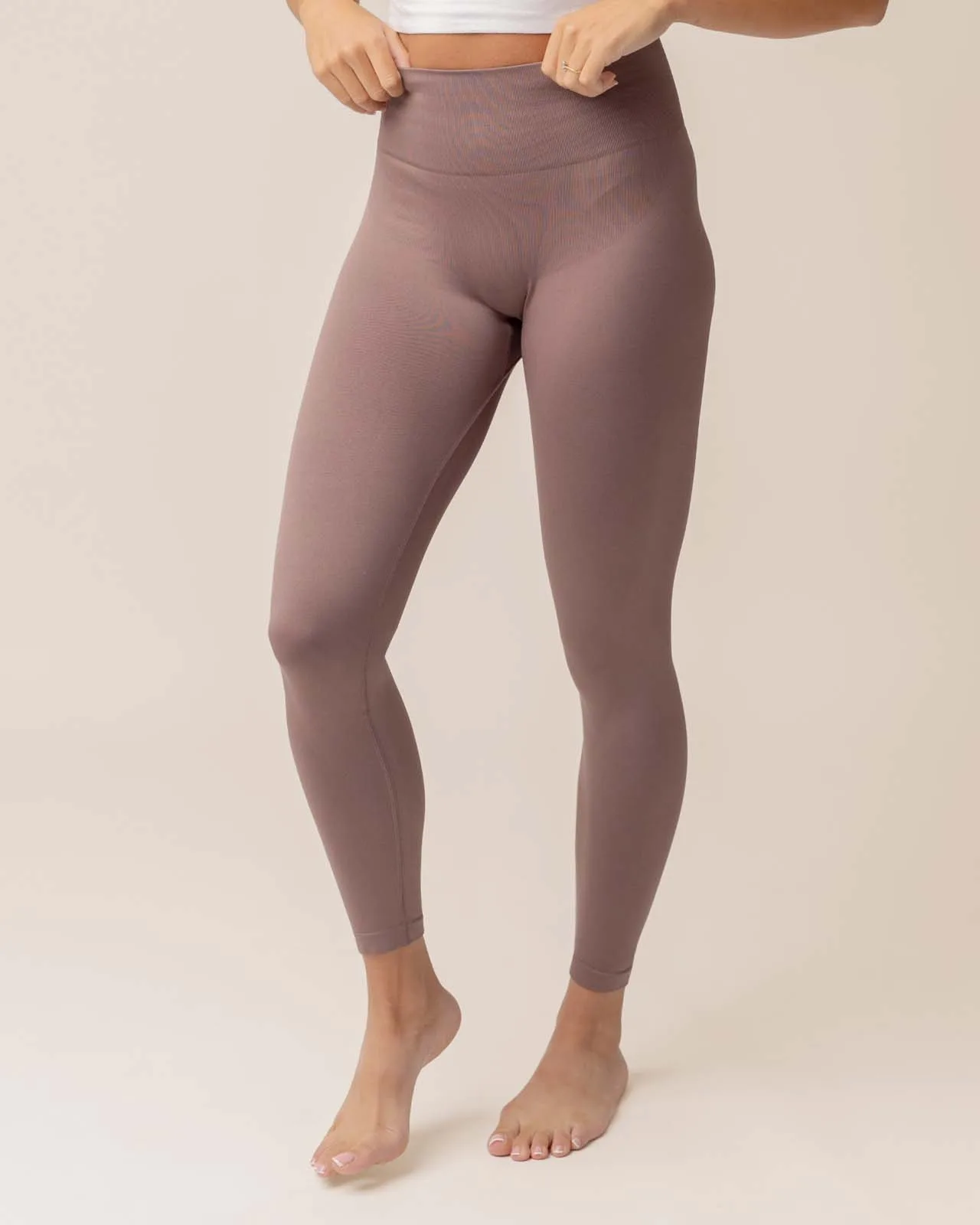
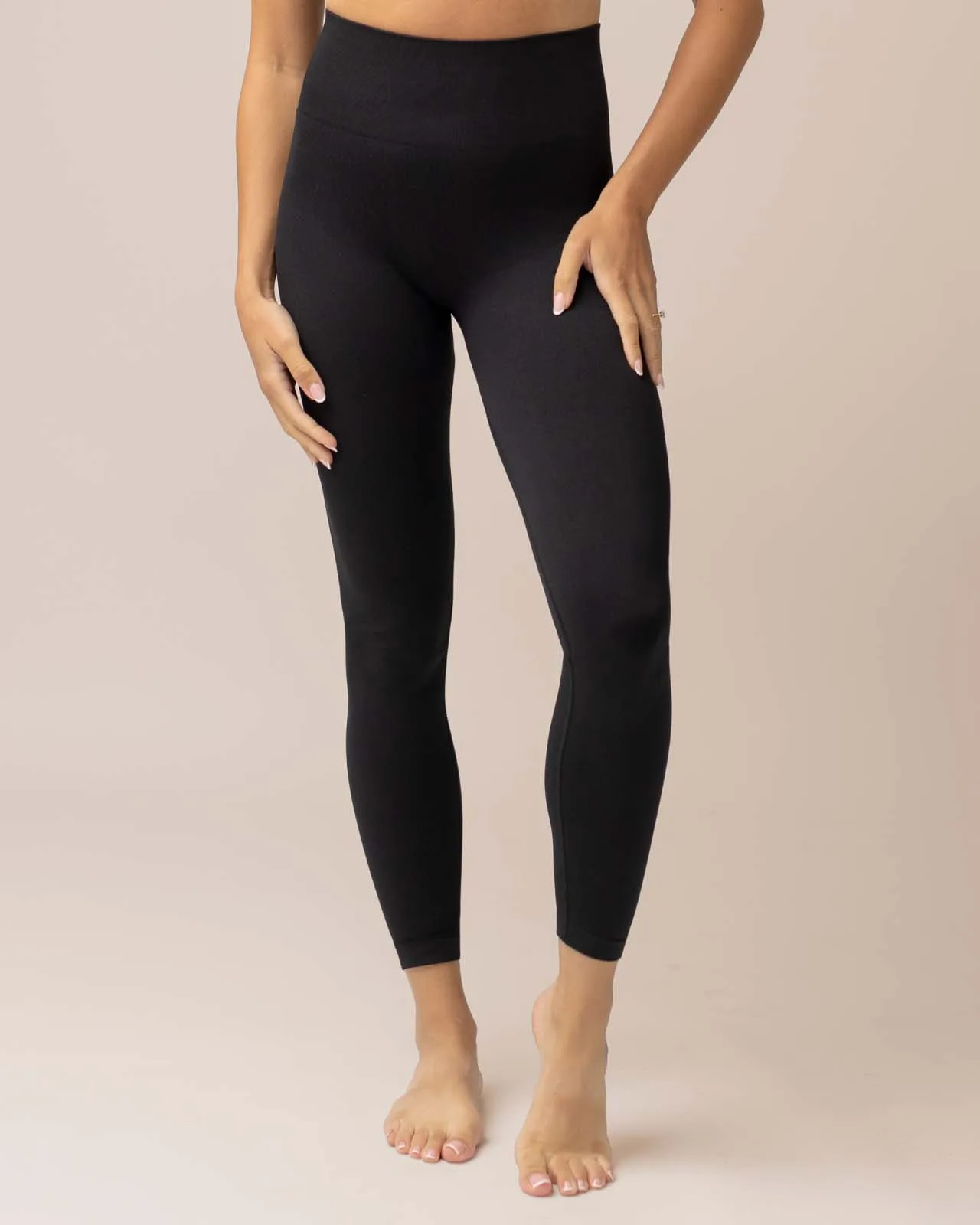
- BABYGO® Postpartum Leggings: https://babygoerx.com/products/postpartum-leggings-khaki-fa327b4e0851a19a71b65e3b-2410967https://babygoerx.com/products/postpartum-leggings-marl-green-0b24a7da69090bac3d5ff784-2410969https://babygoerx.com/products/postpartum-leggings-mulberry-b9c689ace477f14626ed783d-2410970https://babygoerx.com/products/postpartum-leggings-fee6999decd1848afe89382b-2410971BABYGO® Postpartum Leggings pair soft-on-the-skin fabric with superior stretch for a sculpted, flattering fit. Once you no longer need a pregnancy support belt, high-waisted postpartum leggings can offer gentle, all-over support for your lower back and tummy without the bulk of a separate band.
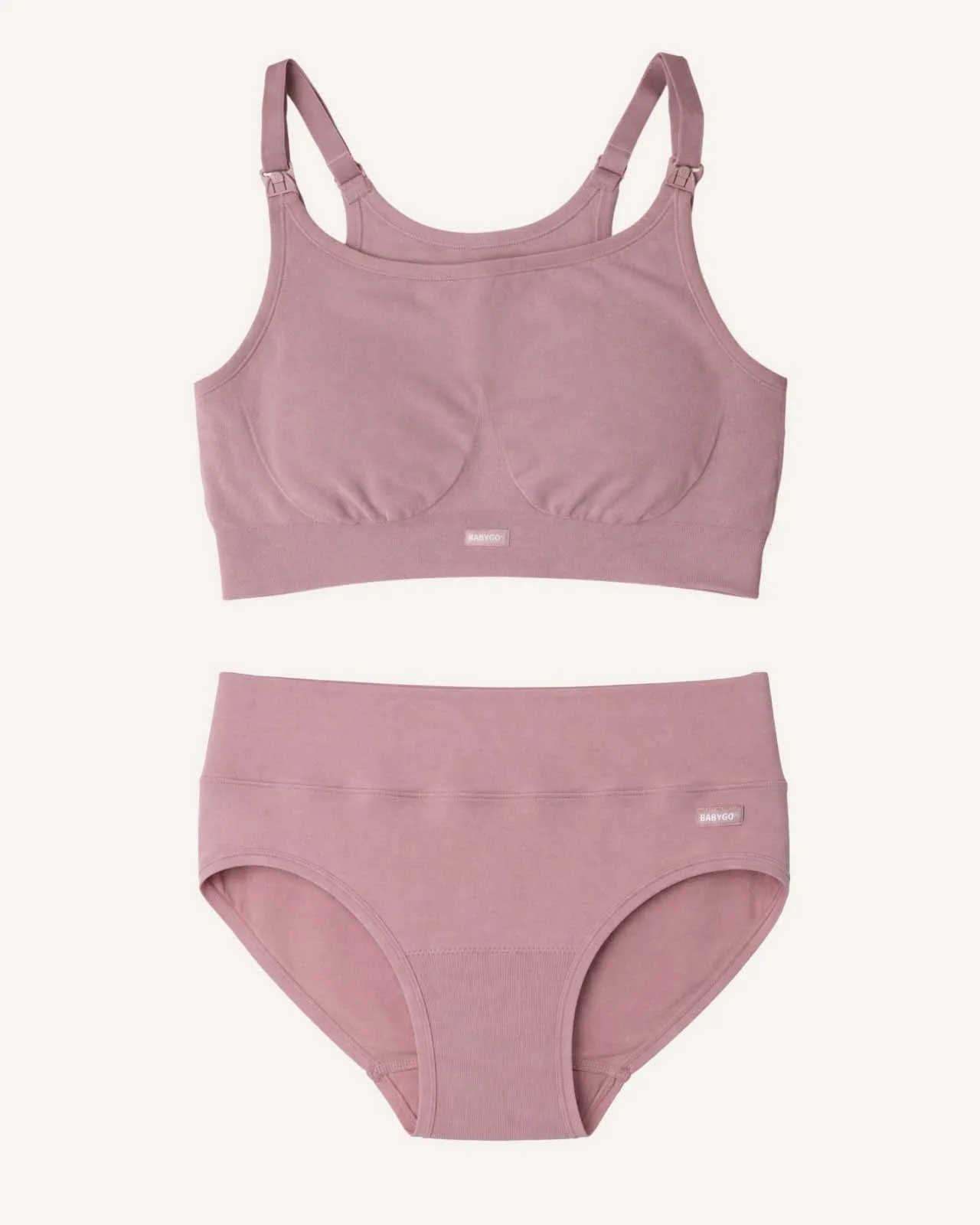
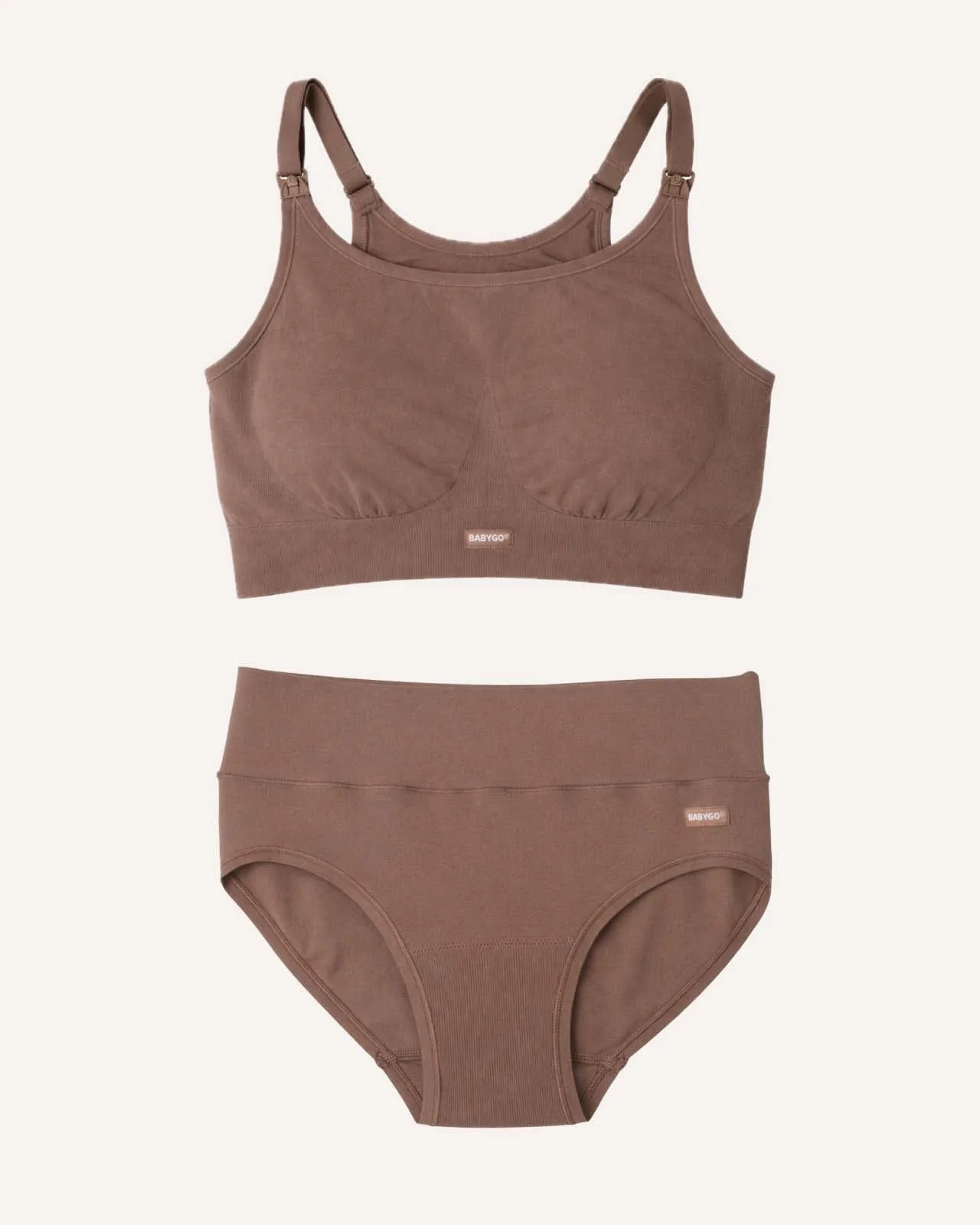
- BABYGO® Over the Bump Thong: BABYGO® Over the Bump Thong is made from seamless Tencel™ Modal with a triple-layered, anti-leak gusset. A smooth, seamless base layer prevents the belt from rubbing or creating pressure points, so you can wear support comfortably over thin underwear.