Quick Answer
To fit a training leg sleeve correctly, choose a sleeve that matches your arm measurements and the dog's bite level, then slide it on so it covers your forearm and upper arm securely. Adjust the straps or fit so the sleeve stays in place without shifting during bites, and always pair it with a proper bite suit or hidden sleeve for protection.
Fitting a training leg sleeve properly is essential for safe and effective dog bite work. A well-fitted sleeve not only protects you from bites but also gives the dog a realistic target to engage with. In this guide, we'll walk you through the steps to ensure a secure and comfortable fit.
Whether you're a professional K9 handler or a sport enthusiast, understanding how to choose and fit a leg sleeve can make a significant difference in your training sessions. We'll cover sizing, positioning, and common mistakes to avoid.
Why Proper Fit Matters
A training leg sleeve that is too loose can slide around during bites, reducing your control and increasing the risk of injury. A sleeve that is too tight can cut off circulation and cause discomfort, making it hard to focus on training. Proper fit ensures the sleeve stays in place, provides adequate padding, and allows for natural movement.
Additionally, a well-fitted sleeve helps the dog target the correct area, promoting good bite mechanics. It also prevents the sleeve from twisting or bunching, which can confuse the dog or cause accidental bites to unprotected areas.
- Always measure your arm circumference and length before purchasing a sleeve.
- Consider the dog's bite strength and choose a sleeve with appropriate padding.
Choosing the Right Sleeve
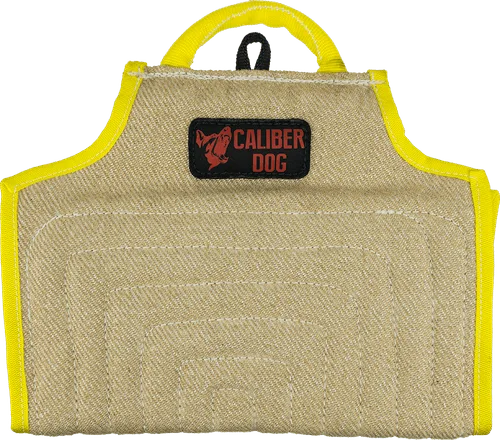
When selecting a training leg sleeve, consider the material and construction. For example, the CaliberDog Jute Bite Sleeve Cover Replacement is designed to fit over the CaliberDog X-Sleeve, providing a durable jute bite surface. This cover is made from heavy-duty jute that offers excellent durability and bite feel, with an additional layer of jute reinforcing the primary strike area.
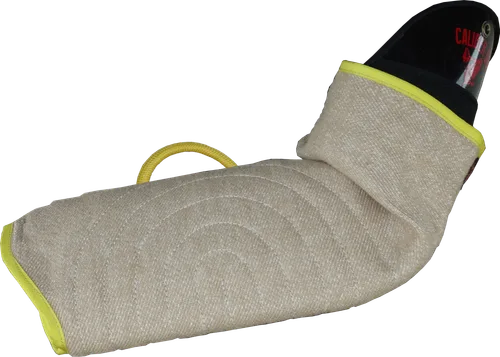
CaliberDog Jute Bite Sleeve Cover Replacement
For those who need a versatile option, the Ballistic or Bite Suit Hidden Sleeve offers a form-fitted design that provides protection from wrist to upper arm. It can be hidden under loose clothing if desired, making it great for various bite work styles. Choose between Bite Suit (French linen) or Ballistic (military) material based on your training needs.
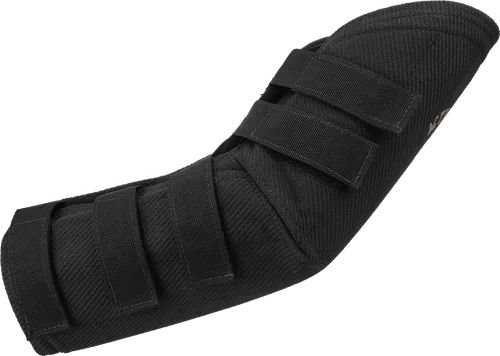
Ballistic or Bite Suit Hidden Sleeve
- If you plan to use a sleeve cover, ensure it matches the sleeve model exactly.
- For hidden sleeve work, consider a form-fitted design for better concealment.
Step-by-Step Fitting Process
Follow these steps to fit a training leg sleeve correctly. Each step includes a common mistake to avoid.
Start by putting on any under-sleeve padding or protective gear. Slide the sleeve onto your arm, positioning it so the bite area is on the outside of your forearm. Adjust the straps or fasteners to secure it snugly but not too tight. Check that the sleeve covers the intended area and allows full range of motion.
- Common mistake: Failing to secure the sleeve properly, leading to slipping during bites.
Step-by-Step Fitting Guide
- Measure Your Arm: Use a flexible tape measure to measure the circumference of your forearm and upper arm, and the length from wrist to elbow. This helps you choose the correct sleeve size. Checkpoint: Compare your measurements with the manufacturer's size chart. If between sizes, size up for comfort.
- Prepare the Sleeve: If using a sleeve cover, ensure it is clean and free of debris. For hidden sleeves, put on any under-sleeve padding first. Common mistake: Forgetting to check for wear and tear on the cover or padding.
- Put On the Sleeve: Slide the sleeve onto your arm with the bite area facing outward. Adjust it so it covers your forearm and extends to your upper arm as intended. Checkpoint: Ensure the sleeve is not twisted and the bite surface is aligned correctly.
- Secure the Straps: Fasten all straps or closures snugly. The sleeve should feel secure but not restrict blood flow. You should be able to move your arm freely. Common mistake: Over-tightening, which can cause discomfort or numbness.
- Test the Fit: Perform a few arm movements and simulated bites to ensure the sleeve stays in place. Have a partner check that the sleeve doesn't shift or gap. Checkpoint: If the sleeve moves, adjust the straps or consider a different size or style.
- Maintain the Sleeve: After use, clean the sleeve according to the manufacturer's instructions. Inspect for damage and replace covers or padding as needed. Common mistake: Neglecting regular maintenance, which can compromise safety.
Product Facts
- CaliberDog Jute Bite Sleeve Cover Replacement: Constructed from heavy-duty jute, this cover installs over the X-Sleeve and provides the durable bite area. The tightly woven jute exterior offers excellent durability and bite feel, while an additional layer of jute reinforces the primary strike area. This cover ensures your sleeve has a reliable, replaceable bite surface, extending the life of your equipment and maintaining consistent training quality.
- Ballistic or Bite Suit Hidden Sleeve: Our form fitted hidden sleeve offers superior protection from wrist to upper arm while making it comfortable for the handler to use. Having the form fitted design allows you to hide the sleeve under loose clothing if desired. A form-fitted sleeve provides a secure fit that stays in place during intense training, and the option to hide it under clothing adds versatility for different training scenarios.
Properly fitting a training leg sleeve is crucial for both safety and effectiveness in dog bite work. By following these steps and considering the right products, you can ensure a secure, comfortable fit that enhances your training sessions. Always prioritize quality and maintenance to get the most out of your equipment.