Quick Answer
Most bitter tea comes from oversteeping, water that's too hot, or using too much leaf. Check your steeping time, lower the water temperature, and adjust the leaf amount to fix it. If the tea is still bitter, try a different blend or a shorter steep.
You pour a fresh cup, take a sip, and get that sharp, puckering bitterness. It's disappointing, especially when you were looking forward to a comforting break. The good news: bitter tea is almost always a brewing issue, not a bad tea. A few small adjustments can turn that harsh cup into something smooth and enjoyable.
In this guide, we'll walk through the most common tea brewing mistakes that cause bitterness and give you simple, practical solutions. Whether you're using tea bags or loose leaf, these tips will help you brew a better cup every time.
Why Is My Tea Bitter? The Main Culprits
Bitterness in tea usually comes from three things: oversteeping, water that's too hot, or using too much leaf. When tea leaves sit in hot water too long, they release tannins and other compounds that taste bitter and astringent. The same happens when the water temperature is too high for the type of tea you're brewing.
Using too much leaf can also make the brew overly strong and bitter. The right amount depends on the tea and your taste, but a good starting point is about one teaspoon of loose leaf or one tea bag per 8-ounce cup. If you're using a larger pot, adjust proportionally.
- Check your steeping time: black tea 3-5 minutes, green tea 2-3 minutes, rooibos 5-7 minutes.
- Use water just off the boil for black tea, and cooler water (around 175°F/80°C) for green tea.
- Start with less leaf and add more if you want a stronger cup.
Simple Fixes for Bitter Tea
If your tea is already bitter, you can often rescue it. Try adding a splash of hot water to dilute the strength, or a small amount of milk or sweetener to balance the bitterness. For the next cup, adjust your brewing method: steep for a shorter time, use cooler water, or reduce the amount of tea.
Another common mistake is squeezing the tea bag. When you press the bag against the spoon, you release extra tannins, making the tea more bitter. Let the bag drip naturally instead. Also, remove the tea bag as soon as the steeping time is up—don't leave it in the cup while you drink.
- Don't squeeze the tea bag—let it drip.
- Remove the tea bag promptly after steeping.
- If the tea is too strong, dilute with hot water.
How to Brew a Smooth Cup Every Time
The best way to avoid bitter tea is to brew it right from the start. Start with fresh, cold water and bring it to the appropriate temperature. Use a timer to avoid oversteeping, and taste as you go. The ideal steeping time varies by tea type, so check the package instructions or use the general guidelines below.
For black teas, like Nordqvist's Blend No 1, use water just off the boil and steep for 3-5 minutes. For green teas like Nippon Green, use cooler water (around 175°F/80°C) and steep for 2-3 minutes. Rooibos is more forgiving and can steep for 5-7 minutes without becoming bitter.
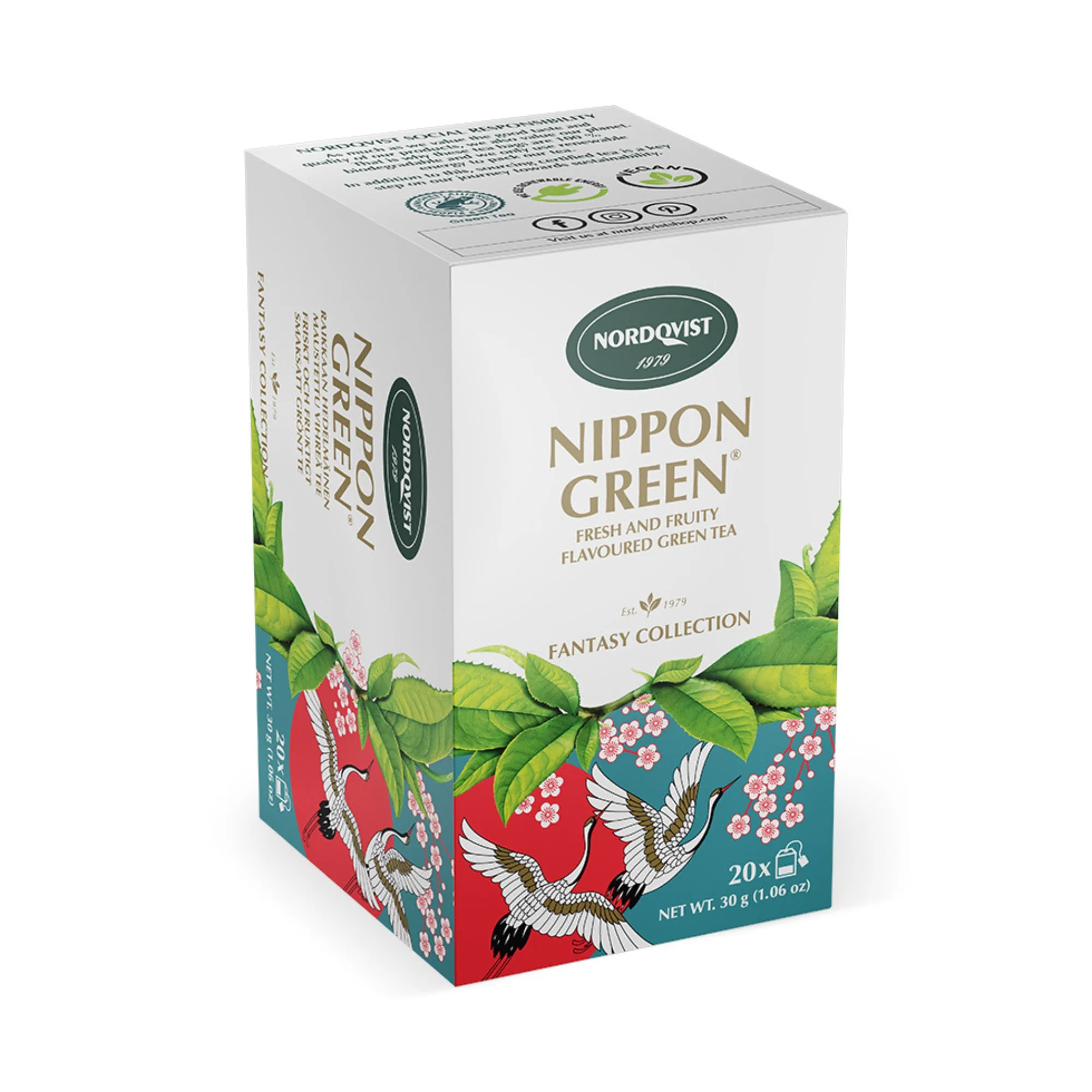
Nippon Green
- Use a kitchen timer or your phone to track steeping.
- Preheat your cup or pot with hot water before brewing.
- If you like stronger tea, add more leaf rather than steeping longer.
When the Tea Itself Is the Problem
Sometimes, even with perfect brewing, a tea may taste bitter because of its natural character or the specific blend. Some teas, especially certain black teas, have a naturally brisk and astringent profile. If you find a tea consistently bitter despite adjusting your method, it might not be the right match for your palate.
In that case, consider trying a different type of tea. Rooibos is naturally caffeine-free and sweet, making it a gentle choice. A flavored green tea might offer a softer, fruitier cup. Don't force yourself to enjoy a tea that isn't for you—there are many options to explore.
- Rooibos is naturally sweet and low in tannins, so it's less likely to taste bitter.
- Flavored teas often have a milder, more approachable taste.
- If a tea is consistently bitter, try a different blend or type.
Diagnosis: Is Your Tea Bitter?
- Symptom: Your tea tastes sharp, astringent, or puckering, especially at the back of your tongue. Recognize the bitterness—it's usually a brewing issue, not a bad tea.
- Likely Cause: Oversteeping, water that's too hot, or too much tea leaf. Squeezing the tea bag can also add bitterness. Identify which mistake you're most likely making.
- Corrective Action: Shorten the steep time, use cooler water, reduce the leaf amount, and don't squeeze the bag. If the tea is already bitter, dilute with hot water. Apply one fix at a time and taste the difference.
- When to Stop or Choose Another Option: If you've adjusted your method and the tea is still bitter, it may be the tea's natural character. Try a different blend, such as a rooibos or a flavored green tea. Don't force it—choose a tea that suits your taste.
Teas That Brew Smooth and Balanced
- https://nordqvistteato.shop/products/blend-no-1-black-tea-80-g-219296Blend No 1 - Black tea 80 g: A rich and abundant unflavored black leaf tea with a rich and multi-hued character, carefully composed from the world's versatile tea qualities. This balanced blend is designed for everyday enjoyment, but it's still a black tea—so watch your steeping time and water temperature to avoid bitterness.
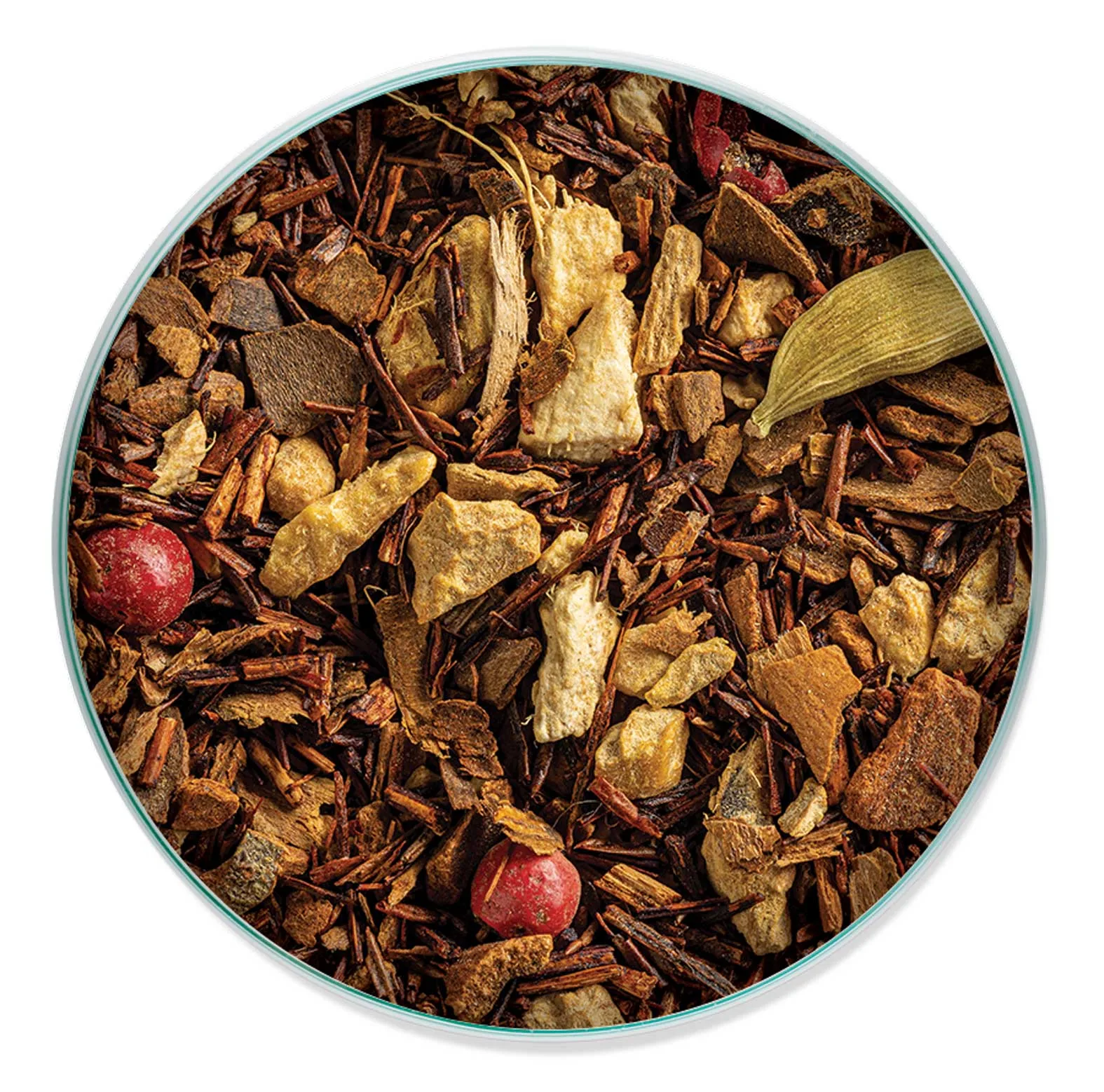
- Africa Rooibos: A smooth, reddish brew that takes your taste buds on a journey across savannas and deserts, offering a moment of escape from the rush of everyday life. Rooibos is naturally low in tannins, so it's a forgiving choice if you're prone to bitter cups. It steeps longer without turning harsh.
- Nippon Green 100 g: Green tea with a tasty combination of strawberry, lemon and vanilla, suitable also as iced tea. Green tea needs cooler water and a shorter steep. This flavored green tea offers a fruity, gentle profile that's less likely to taste bitter when brewed correctly.
Bitter tea doesn't have to ruin your break. By paying attention to steeping time, water temperature, and leaf amount, you can fix most bitter cups in minutes. If a particular tea still doesn't work for you, explore other blends—there's a smooth, enjoyable cup waiting for you.