Quick Answer
Bitter tea is almost always caused by one of three brewing mistakes: steeping too long, water that's too hot, or using too many leaves. Fix these by following the recommended time and temperature for your tea type, and adjust the leaf amount to taste. If bitterness persists even after correcting these, the tea itself may be over-oxidized or simply not to your palate.
There's nothing more disappointing than pouring a cup of tea you've been looking forward to, only to be met with a sharp, astringent bitterness. The good news? In most cases, it's not the tea's fault—it's how it was brewed. Understanding the common brewing mistakes that lead to bitterness can turn a harsh cup into a smooth, enjoyable one.
Whether you're brewing a delicate green, a floral white, or a rich oolong, the same principles apply. Let's diagnose the problem and walk through practical fixes so you can enjoy the true character of your leaves.
The Most Common Culprit: Oversteeping
Leaving your tea to steep for too long is the number one reason tea turns bitter. As leaves sit in hot water, they release tannins and other compounds that, in excess, create a harsh, drying sensation. Each tea type has an optimal steeping window—green and white teas often need just 2-3 minutes, while oolongs can handle 3-5 minutes. If you lose track of time, set a timer or use a teapot with a built-in infuser that you can remove.
If you've already oversteeped, the brew can't be undone, but you can salvage it by diluting with hot water or a splash of milk. Better yet, avoid the problem altogether by removing the leaves or bag as soon as the timer goes off. Remember, longer isn't better—it's simply more bitter.
- Use a timer or your phone to track steeping time.
- If you prefer a stronger cup, add more leaves, not more time.
Water That's Too Hot Scorches the Leaves
Boiling water is fine for black teas and herbal infusions, but it's too aggressive for delicate leaves like green, white, and many oolongs. When water is too hot, it extracts bitter compounds quickly and can 'cook' the leaves, resulting in a flat, harsh flavor. The ideal water temperature for tea varies by type: green tea prefers around 160-180°F (70-80°C), white tea 170-185°F (75-85°C), and oolong 185-205°F (85-96°C).
If you don't have a temperature-controlled kettle, bring water to a boil and let it sit for a minute or two before pouring. This simple step can dramatically improve the taste of your tea. For black teas, boiling water is fine, but be sure to steep for the shorter recommended time to avoid bitterness.
- Let boiling water cool for a minute before pouring over green or white tea.
- Invest in a thermometer or kettle with temperature settings for precision.
Too Many Leaves: A Strong but Bitter Brew
Using too many tea leaves is another frequent mistake. While it's tempting to add a heaping spoonful for extra flavor, more leaves mean more extracted compounds, which can tip the balance into bitterness. The right amount depends on the tea and your taste, but a general guideline is about one teaspoon of loose leaf per 8-ounce cup. Some oolongs, especially tightly rolled ones, expand significantly and need more room to unfurl.
If you're unsure, start with less and add more next time. A handy tool like a measuring spoon designed for tea can help you get the right amount every time. The Perfect Tea Measuring Spoon by Sancha Tea Boutique is crafted from solid brass and measures the ideal quantity for green, white, and oolong teas, taking the guesswork out of brewing.
- Start with a level teaspoon per cup and adjust to taste.
- Tightly rolled oolongs may look small but expand a lot—use fewer leaves than you think.
The Tea Itself Might Be the Problem
Sometimes, even with perfect brewing, a tea can taste bitter. This can happen if the leaves are old, stored improperly, or of low quality. Stale tea loses its aromatic compounds and can taste flat or harsh. Ensure your tea is fresh and stored in an airtight container away from light, heat, and moisture.
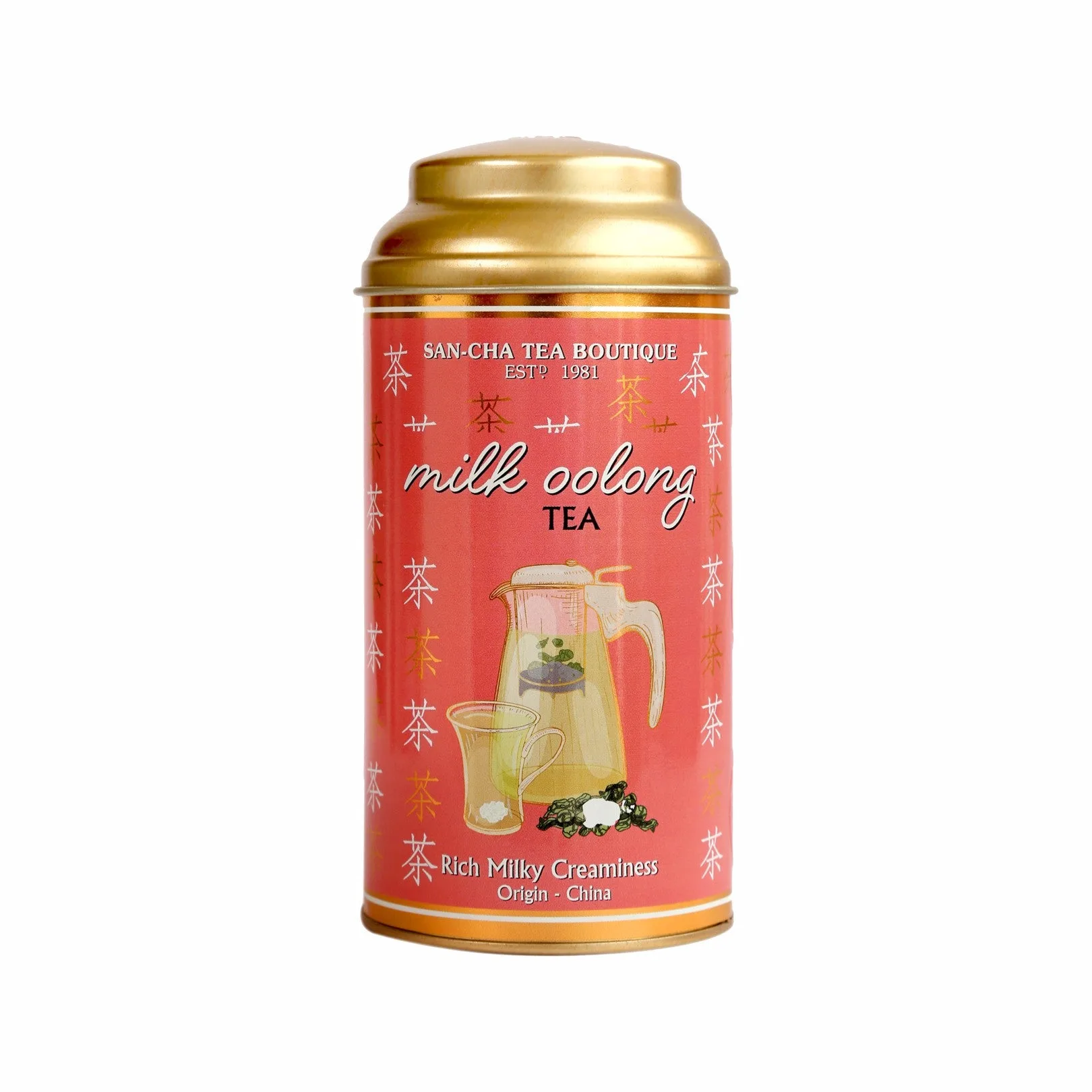
Additionally, some teas are naturally more astringent than others. If you consistently find a particular tea bitter, try a different cultivar or blend. For example, Milk Oolong is known for its naturally sweet, creamy character, which can be a good choice for those sensitive to bitterness. If you're exploring oolongs, Mint Oolong offers a refreshing, calming twist. If bitterness persists across different teas and brewing methods, it might be your water—hard water with high mineral content can accentuate bitterness. Try filtered water.
- Check the harvest or best-by date on your tea.
- Store tea in a cool, dark place in an airtight container.
- If bitterness persists, try filtered water.
Diagnosis: Why Your Tea Is Bitter
- Symptom: A sharp, astringent, or drying sensation on the palate, often accompanied by a lack of sweetness or floral notes. Recognize this as a brewing issue, not necessarily a bad tea.
- Likely Cause: Oversteeping, water too hot, or too many leaves. Each of these increases the extraction of bitter compounds. Check your brewing time, temperature, and leaf amount.
- Corrective Action: Adjust one variable at a time: reduce steeping time, cool your water, or use fewer leaves. Use a timer and a measuring spoon for consistency. Brew a new cup with the corrected parameters and taste the difference.
- Stop or Choose Another Option: If bitterness persists after fixing all brewing variables, the tea itself may be stale, low quality, or simply too astringent for your palate. Try a different tea, such as a creamy oolong or a caffeine-free herbal blend. At this point, it's okay to move on to another tea that suits your taste.
Tools and Teas That Help
- Perfect Tea Measuring Spoon | For Green, White & Oolong Teas: The Perfect Tea Spoon by SAN-CHA Tea Boutique is a handcrafted brewing essential designed to measure the correct quantity of tea leaves for your favourite green, white, and oolong teas. Crafted from solid brass. Using the right amount of leaves is key to avoiding bitterness. This spoon takes the guesswork out of measuring, helping you brew a balanced cup every time.
- Milk Oolong Tea | Luxurious Creamy Chinese Oolong: Milk Oolong is a Chinese oolong celebrated for its rich, creamy texture and velvety smoothness. The leaves unfurl to release a naturally sweet, buttery aroma with each steep. If you're sensitive to bitterness, this naturally sweet and creamy oolong is a forgiving choice that's less likely to turn harsh even if you're still perfecting your brewing technique.
Bitter tea is a fixable problem in most cases. By paying attention to steeping time, water temperature, and leaf quantity, you can transform your cup from harsh to harmonious. And if you've tried everything and still aren't satisfied, don't be afraid to explore different teas—there's a world of smooth, sweet options waiting for you.