Quick Answer
Bitter tea almost always comes from water that's too hot, steeping too long, or using too much leaf. Fix it by lowering your water temperature, shortening your steep time, and measuring your tea—most teas need only 1 teaspoon per 8 ounces and 3–4 minutes. If it still tastes bitter, the tea itself may be the issue, and a naturally mild blend can help.
Water Temperature: The Most Common Culprit
Boiling water is perfect for black tea but scorches delicate green and herbal teas, releasing bitter tannins. For green tea, aim for 170–180°F (77–82°C); for black tea, 200–212°F (93–100°C); and for herbal infusions, 212°F is fine. If you don't have a thermometer, let boiling water sit for 1–2 minutes before pouring over green tea.
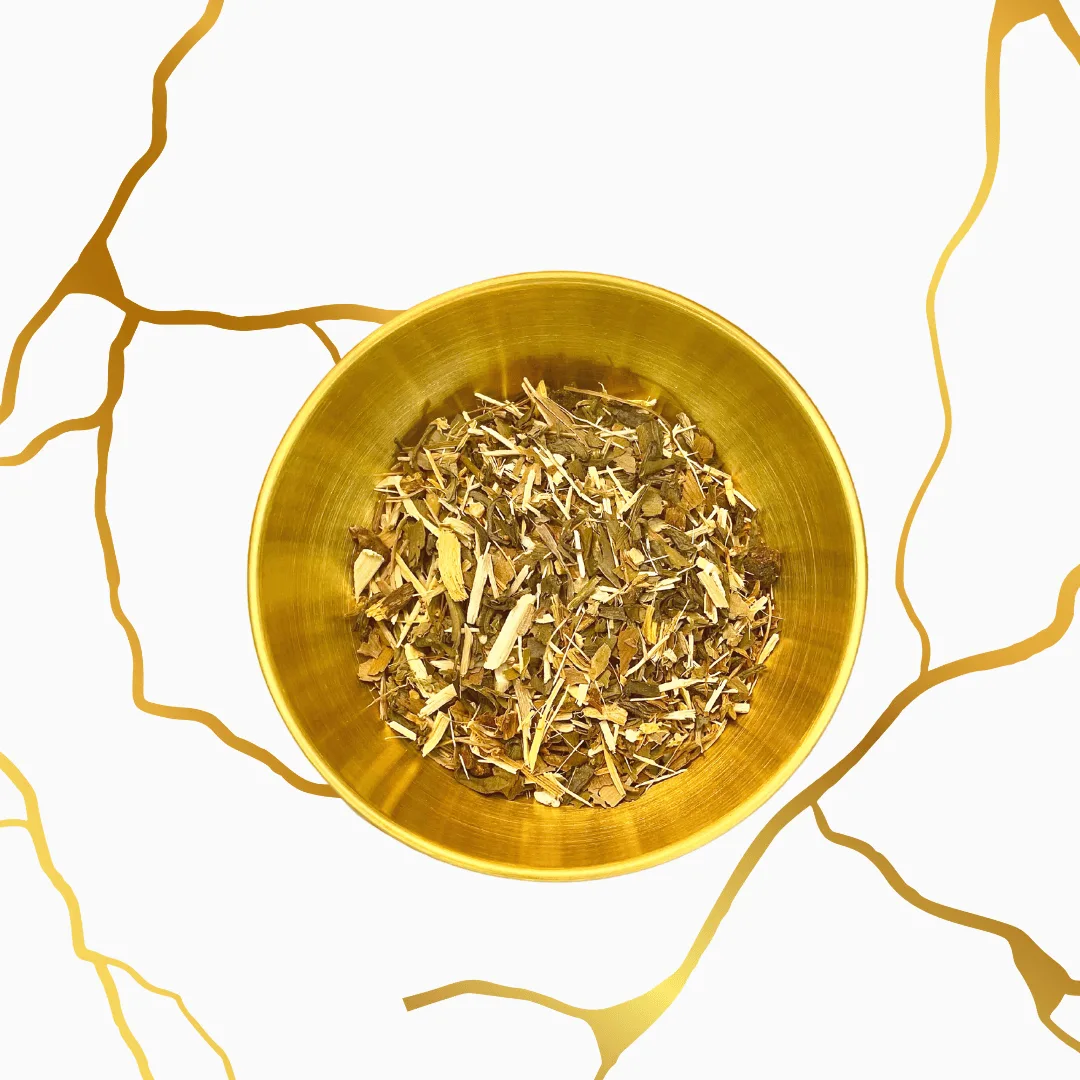
Our ENERGY TEA (Organic) is a green tea blend, so it benefits from slightly cooler water. Steeping it at a full boil will make it harsh and astringent. Use 170–180°F water for a smoother, naturally sweet cup.
Steep Time: Shorter Is Often Better
The longer tea steeps, the more bitter compounds are extracted. Green tea can become bitter after just 3 minutes; black tea after 5. Herbal teas are more forgiving, but some roots and spices can turn unpleasant if left too long. Start with the shortest recommended time and taste before adding more.
For a strong black tea like Irish Breakfast Tea (Organic/Fair trade), 3–4 minutes at 212°F gives a full-bodied, malty cup without excessive bitterness. Oversteeping it will make it astringent and drying.
Leaf-to-Water Ratio: Too Much Tea, Too Little Water
Using too much tea is an easy mistake, especially with loose leaf. A standard ratio is 1 teaspoon per 8 ounces of water, but some teas are denser and need less. If your tea is bitter, try reducing the leaf amount by a quarter and keep the same steep time.
Measure your tea with a proper spoon or scale. For a 12-ounce mug, that's about 1.5 teaspoons. Adjust from there based on your taste.
Diagnosing Your Bitter Tea
- Symptom: Sharp, astringent taste: If your tea makes your mouth pucker or feel dry, it's likely over-steeped or the water was too hot. Try a shorter steep time first—reduce by 30 seconds and taste again.
- Symptom: Bitter but not astringent: A bitter, lingering aftertaste without dryness often means too much leaf or water that's still too hot for the tea type. Reduce leaf by 25% and check your water temperature.
- Symptom: Bitter from the first sip: If the first sip is already bitter, the tea itself may be low quality or the blend contains naturally bitter ingredients like certain roots or spices. Switch to a naturally sweeter blend like Energy Tea or a caffeine-free herbal option.
Teas That Help You Avoid Bitterness
- ENERGY TEA (Organic): Energy Tea (Organic) is a green tea blend with slightly sweet licorice and berry flavor, made with organic Young Hyson tea, eleuthero root, schisandra berry, ginkgo leaf, gotu kola, licorice root, and ginger root. The natural sweetness from licorice and berry can balance any residual bitterness, making it a forgiving choice for those new to green tea.
- Irish Breakfast Tea (Organic/Fair trade): Irish Breakfast Tea (Organic/Fair trade) is a full-bodied, malty, strong presence tea made from organic Assam and China black teas. Its robust maltiness stands up to milk and sugar, which can help mask any over-extraction if you prefer a stronger brew.
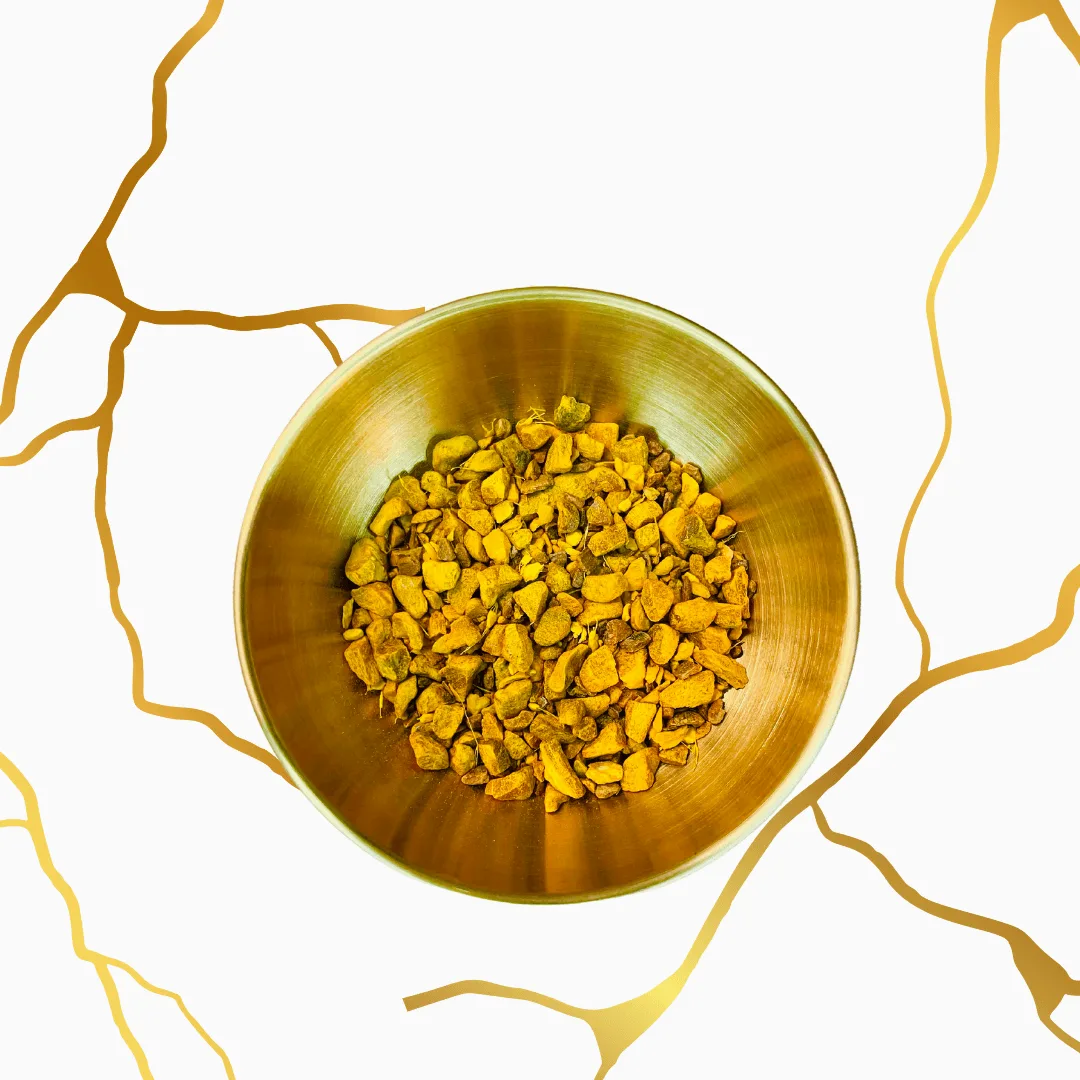
- Turmeric Cinnamon Spice Tea (Organic): Turmeric Cinnamon Spice Tea (Organic) is a caffeine-free blend of turmeric, cinnamon, and ginger with a subtle spicy taste. Caffeine-free and naturally mild, it's a good option if you're sensitive to bitter compounds and want a soothing cup any time of day.
Once you've dialed in temperature, time, and leaf amount, you should get a smooth cup. If bitterness persists with every tea you try, consider switching to a naturally mild blend like Turmeric Cinnamon Spice Tea—and if that still bothers you, it may be time to explore other brewing methods like cold steeping.