Quick Answer
To fix a bralette that rides up, start by checking the band fit and strap length, then adjust the fabric grip. If the band still creeps up after these fixes, the bralette may not offer enough support for your bust size, and a more supportive wirefree style is the better call.
Why Bralettes Ride Up: The Usual Suspects
A bralette that rides up is almost always a sign that the band is too loose or the straps are doing too much work. Unlike wired bras, bralettes rely on the band and fabric to hold everything in place, so if either isn't snug enough, the whole garment shifts upward.
Fabric type matters too. Smooth, slippery materials can slide on the skin, while ribbed or textured fabrics grip better. If your bralette is made of a slick fabric, even a correct fit might still creep up during the day.
The Trade-Off: Support vs. Comfort
The most supportive bralettes are often the least comfortable, and vice versa. A super-soft, stretchy bralette feels great at first but may not hold its position. On the other hand, a more structured wirefree bralette with thicker straps and a firmer band will stay put but might feel less like wearing nothing.
If you're constantly tugging at your bralette, it's worth deciding whether you prioritize all-day comfort or the security of a more supportive fit. For bustier figures, the latter usually wins.
Diagnose and Fix Your Riding-Up Bralette
- Symptom: Band creeps up your ribcage: Check the band fit by sliding two fingers under the front band. If they fit easily with room to spare, the band is too loose. Tighten the band by moving to the next hook or adjust the straps to take up slack. If the band is already on the tightest hook and still rides up, the bralette is too big in the band.
- Symptom: Straps slip off your shoulders: Shorten the straps if they're adjustable. If they aren't, the bralette may be too large in the cup or too stretchy overall. Try a racerback style, which naturally stays on the shoulders. If straps won't stay even when shortened, the bralette's fabric has stretched out over time.
- Symptom: The whole bralette shifts upward during wear: This often means the band isn't gripping your ribcage. Opt for a bralette with a wider, firmer band or one with a textured fabric that grips. A supportive wirefree bralette with a structured band is a good upgrade. If the bralette still rides up after trying a more supportive style, your size may have changed—get remeasured.
- Symptom: The bralette feels too tight or digs in: This is the opposite problem: the band is too small. Size up or try a style with a softer band. If it digs in while still riding up, the fit is wrong in multiple places—consider a different cut. When a bralette both digs in and rides up, it's not the right shape for your body; move on to another style.
- Stop point: When to try a different bralette: If you've adjusted the band and straps and the bralette still rides up, it's not a fit issue—it's a support limitation. For bustier figures, a padded or supportive wirefree bralette offers more structure to stay in place. If you're between sizes, choose the bralette that fits snugly on the loosest hook for the longest wear.
Products That Help
-
Support Wirefree Bralette: The Support Wirefree Bralette is designed for bustier friends, with a supportive, wirefree construction that lifts and sculpts to your natural form. Its firmer band and structured design are less likely to ride up, making it a solid choice if your current bralette shifts despite adjustments.
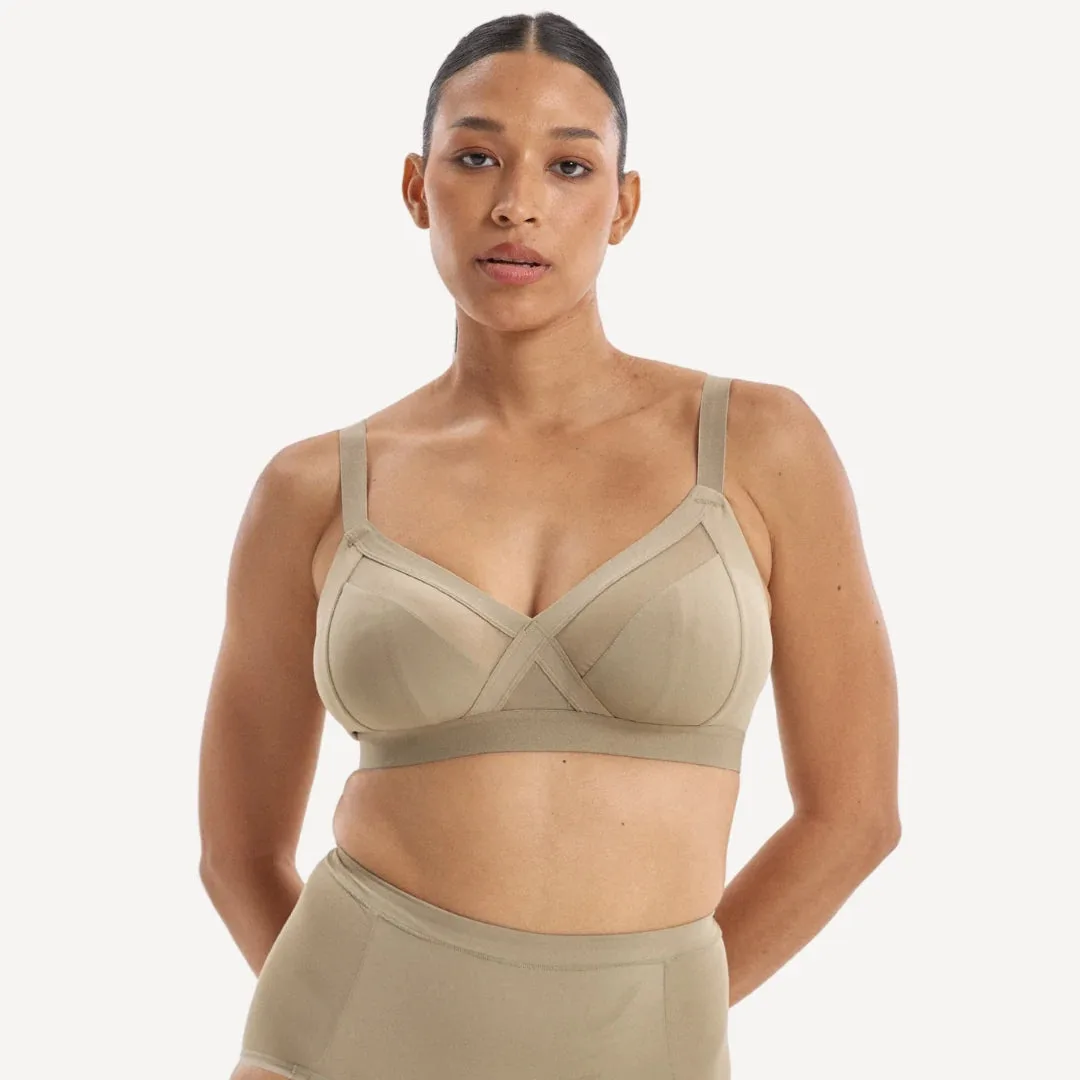
Support Wirefree Bralette
-
Padded Support Wirefree Bralette - Archive: The Padded Support Wirefree Bralette features light padding that holds you tight and smooths everything out, with the same supportive shape as the classic. The padding adds a layer of grip and structure, which can help reduce shifting while still feeling wirefree.
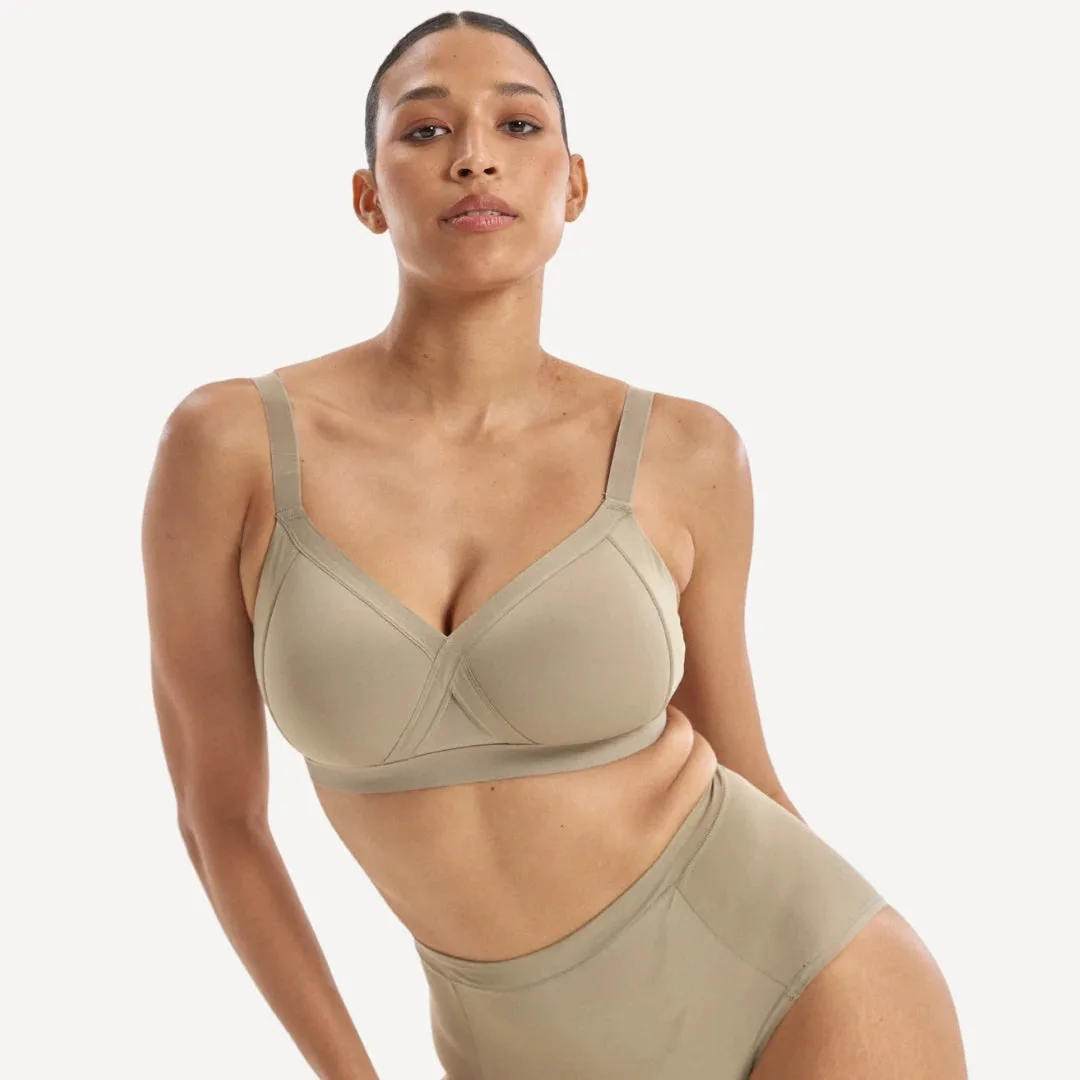
Padded Support Wirefree Bralette - Archive