Quick Answer
Start by choosing a spacious, easy-to-clean aviary like the Ferplast Nota or Nota Large, then place it in a quiet, draft-free spot with natural light, and equip it with perches, food and water stations, and enrichment before introducing your birds.
Why Indoor Aviaries Differ from Small Cages
Indoor aviaries give birds more horizontal flight space than standard cages, which supports natural exercise and social behaviour. They also allow you to house several small birds together, but that means you need to plan perches, feeding stations, and cleaning routines more carefully.
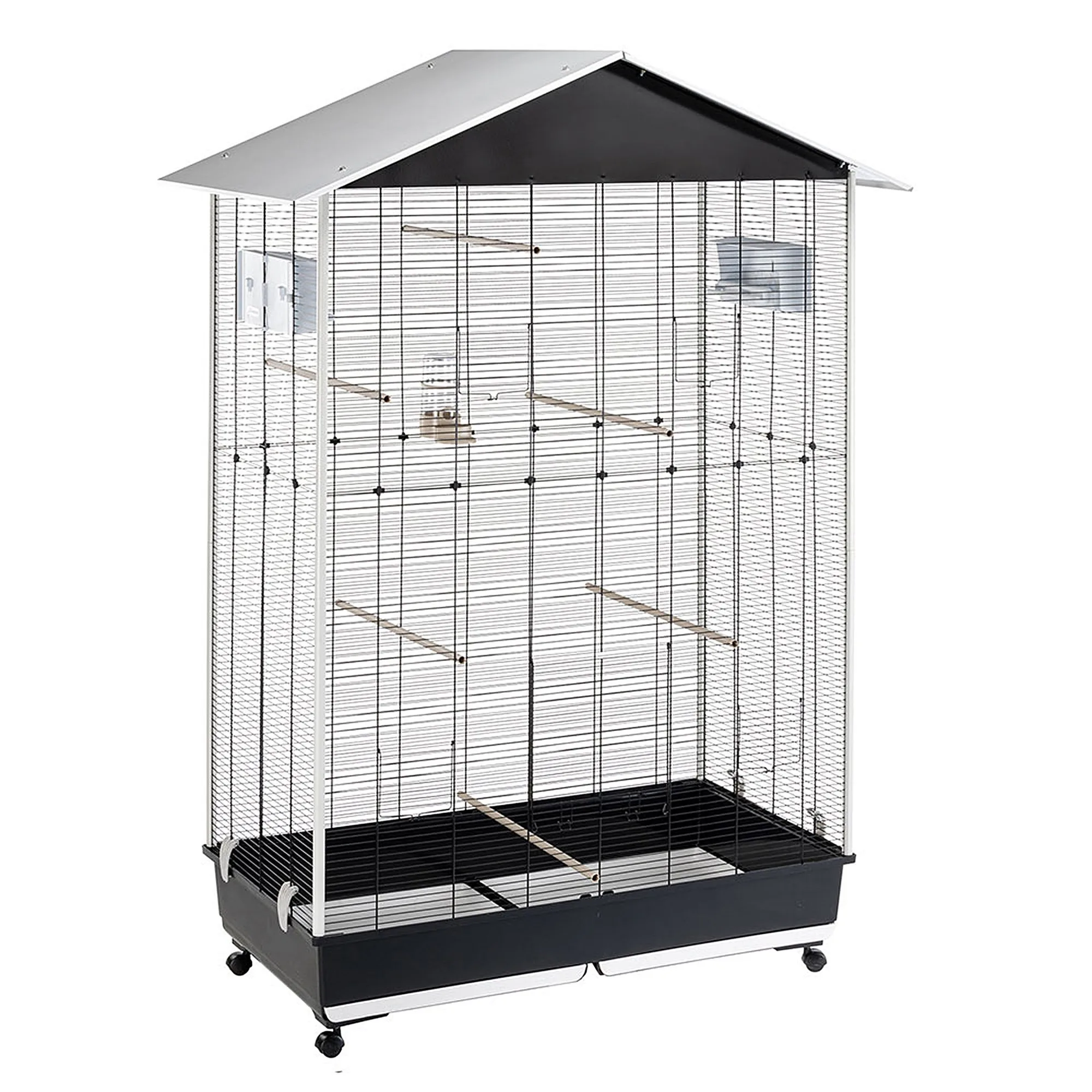
A key trade-off is size versus practicality: a larger aviary offers more freedom but takes up floor space and can be harder to move. Models like the Ferplast Nota Large balance this with wheels and a sturdy metal structure, while the Nota prioritises easy cleaning with a removable tray.
Choosing the Right Aviary for Your Birds
Match the aviary to the bird species and number of birds. For canaries or budgerigars, a medium aviary like the Ferplast Nota provides ample room and is easy to relocate thanks to its wheels. For multiple birds or larger species like parakeets, the Nota Large offers a robust outdoor-capable build with a protective metal roof.
If you prefer a wooden aesthetic that suits indoor décor, the Ferplast Hemmy is an elegant option for canaries and exotic birds, made from FSC-certified wood with a non-toxic, anti-mould paint. Keep in mind that wood may require more care than metal in humid environments.
Step-by-Step Indoor Aviary Setup
- Choose the Right Location: Place the aviary in a quiet room away from direct sunlight, drafts, and kitchen fumes. Ensure the floor is level and can support the weight. Avoid spots near radiators or air conditioning vents. Check that the aviary is not in a high-traffic area where birds might feel stressed.
- Assemble and Inspect the Aviary: Follow the manufacturer's instructions to assemble the aviary. Check all mesh panels, doors, and locks for gaps or sharp edges. If the aviary has wheels, test that they lock securely. Make sure the door latches firmly to prevent escapes.
- Add Perches and Food/Water Stations: Install perches at different heights and diameters to exercise birds' feet. Place food and water dishes away from perches to avoid contamination. Use dishes that are easy to remove and clean. Avoid placing perches directly over food or water to keep them clean.
- Provide Enrichment and Toys: Add toys like swings, bells, and chewable items to prevent boredom. Rotate toys weekly to keep birds engaged. Include a shallow bath dish for birds that enjoy bathing. Choose toys made from bird-safe materials without small parts that could be swallowed.
- Introduce Birds Gradually: Place the birds in the aviary gently, one at a time if adding multiple birds. Monitor their behaviour for the first few days. Keep the aviary in a calm environment to help them acclimate. If you see signs of aggression, separate birds temporarily and consult a vet.
Aviaries That Work Indoors
-
HEMMY: The Hemmy aviary is made of FSC-certified wood and treated with a special non-toxic, anti-mould paint. This makes it a safe, attractive indoor option, but you should avoid placing it in damp areas to preserve the wood.
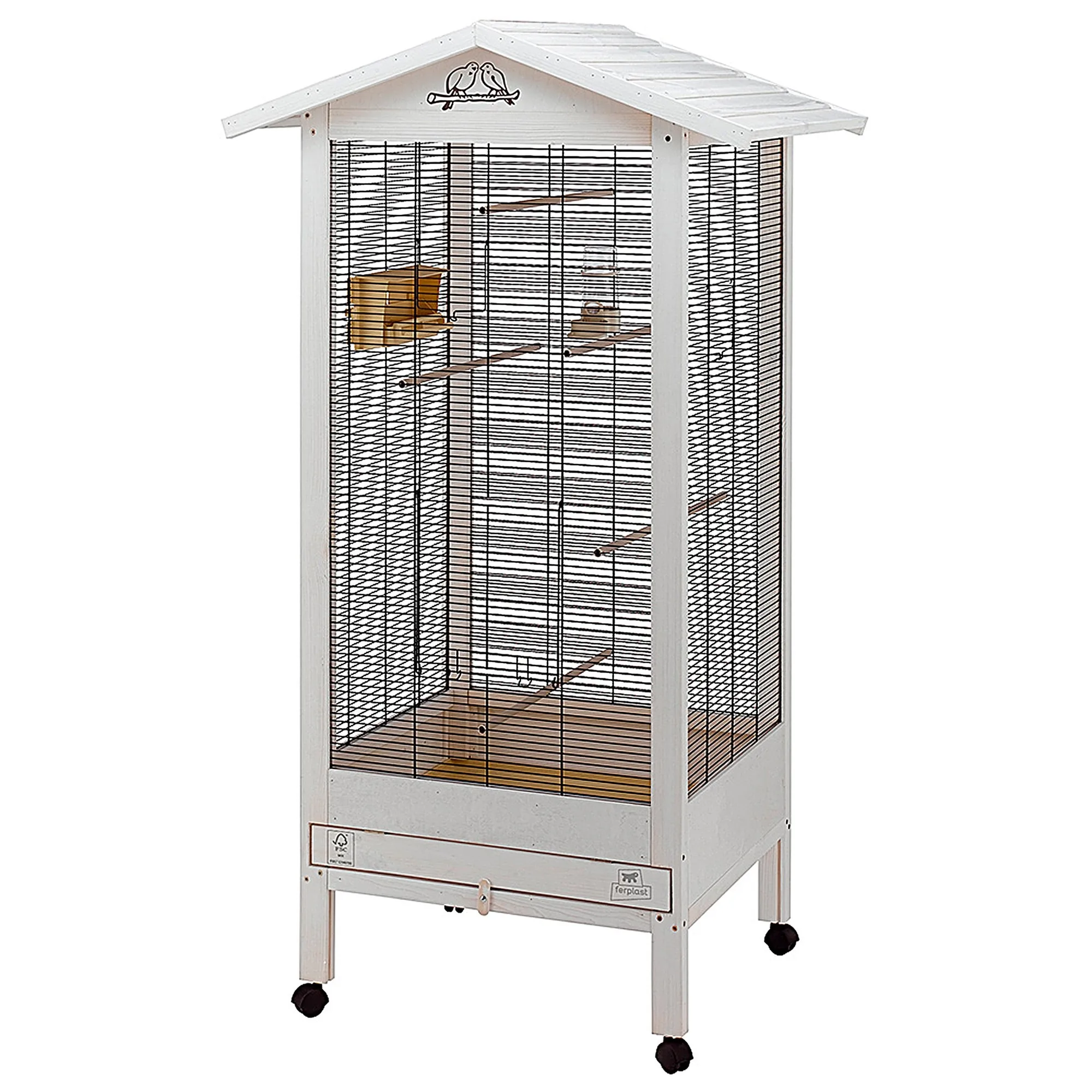
HEMMY
-
NOTA: The Nota aviary features a metal roof, varnished wire mesh, plastic columns, and wheels, plus a removable dirt-collecting tray. It's easy to move and clean, ideal for beginners who want a low-maintenance indoor setup.
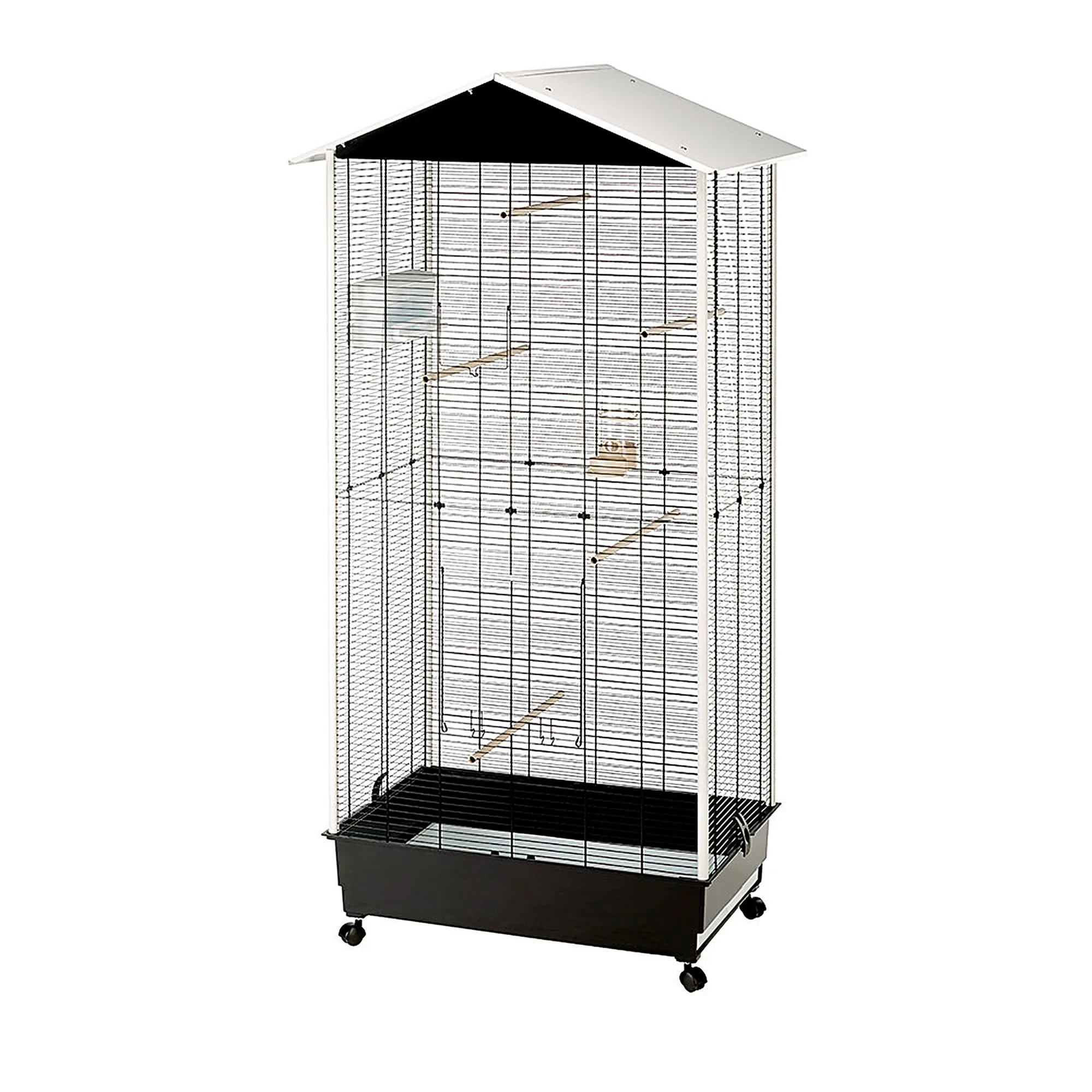
NOTA
-
NOTA LARGE: The Nota Large has a robust metal mesh structure and a metal roof treated with protective paint, suitable for outdoor use. Its sturdy build also works well indoors, especially if you have multiple birds or want a long-lasting aviary.