Quick Answer
To fix a damaged booster display box, start by assessing the severity. For minor creases and bent corners, use gentle pressure and a soft cloth to flatten them. For more significant damage, consider careful reinforcement from the inside. However, if the box is severely crushed or torn, it's often better to leave it as is to preserve its authenticity and avoid further damage.
Booster display boxes are more than just packaging—they're part of the collecting experience. A pristine box can enhance the value of your sealed product, but accidents happen. Whether it's a bumped corner during shipping or a crease from stacking, knowing how to repair minor damage can save your collection from looking worn.
This guide walks you through practical repair techniques for common booster display box issues. We'll cover how to fix bent corners, smooth out creases, and decide when it's time to stop and accept the box as is. Remember, the goal is to improve appearance without compromising the box's structural integrity or its authenticity as a sealed product.
Assessing the Damage
Before you start any repair, examine the box closely. Look for creases, dents, bent corners, or tears. Determine whether the damage is cosmetic or structural. Cosmetic damage, like a slight crease or a bent corner, can often be improved with careful handling. Structural damage, such as a crushed edge or a torn seal, may be beyond simple repair.
Consider the box's purpose. If you plan to keep the box sealed for display, focus on making it look neat. If you intend to open it, the condition matters less. Also, think about the box's value—some collectors prefer an untouched box, even with minor damage, over one that shows signs of repair.
- Check the corners and edges for creases or bends.
- Look for any tears or punctures in the cardboard.
- Decide if the damage is worth repairing based on your goals.
Fixing Bent Corners
Bent corners are the most common issue. To fix them, gently bend the corner back into place using your fingers. Apply even pressure, but avoid over-bending, which can create new creases. For stubborn corners, place a soft cloth over the area and use a flat, blunt object like a bone folder to smooth it out.
If the corner is creased, you can try to flatten the crease by placing the box under a heavy book for a few hours. This works best if the crease is not too sharp. Remember, cardboard has a memory—if the crease is deep, it may never fully disappear, but you can make it less noticeable.
- Use a bone folder or credit card wrapped in cloth to smooth corners.
- Weigh down the box with heavy books to reduce creases.
- Work slowly and check your progress frequently.
Smoothing Out Creases
Creases on the flat surfaces of the box can be tricky. Start by placing a clean, dry cloth over the crease and running a warm (not hot) iron over it briefly. The heat can help relax the cardboard fibers, but be careful not to overheat or you'll damage the print. Alternatively, you can lightly mist the crease with water and press it flat, but this risks warping the cardboard.
A safer method is to use a soft eraser to gently buff the crease, which can lift the fibers and reduce the appearance. For deep creases, consider leaving them—attempting to fix them might cause more harm. Always test any method on a small, inconspicuous area first.
- Use a warm iron on low heat with a cloth barrier.
- Avoid water unless absolutely necessary, as it can warp the box.
- Test any method on a small area first.
When to Stop and Accept the Box
Not all damage can or should be fixed. If the box has a torn seal, a crushed corner that affects the structural integrity, or water damage, it's best to leave it as is. Attempting major repairs could make the box look worse or even damage the product inside.
Also, consider the collector's perspective. Some collectors value originality over perfection. A box with minor wear shows it's authentic and hasn't been tampered with. Over-restoring can diminish its appeal. Know when to stop and appreciate the box for what it is.
- Stop if the damage affects the seal or structural integrity.
- Accept minor imperfections as part of the box's history.
- If in doubt, leave the box untouched and consult a professional.
Diagnosis Checklist
- Symptom: Bent corners, creases, or minor dents on the box. Identify the type and severity of damage.
- Likely Cause: Improper handling during shipping, stacking, or storage. Take steps to prevent future damage, like using protective sleeves.
- Corrective Action: Use gentle pressure, a bone folder, or a warm iron to smooth out creases and corners. Work slowly and test on a small area first.
- Stop Point: If the box has a torn seal, structural damage, or water damage, stop repairing. Leave it as is to preserve authenticity and avoid further damage.
Product Facts
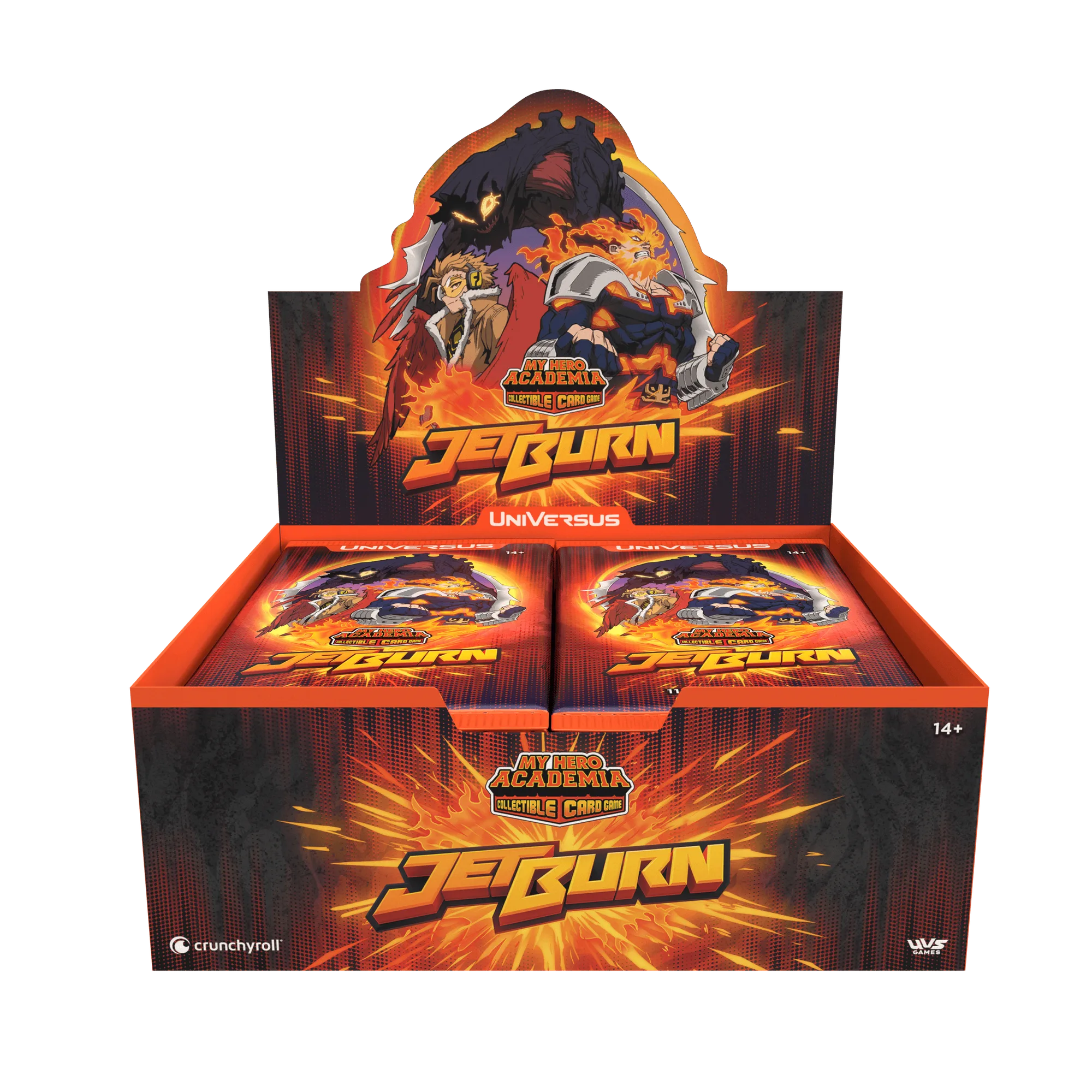
- My Hero Academia Collectible Card Game Set 6: Jet Burn Booster Display: The My Hero Academia Collectible Card Game: Jet Burn release features 17 new characters to build decks around including the introduction of Hawks and Hood as well as a new version of Endeavor. With over 150 new cards, this set is sure to fly fast! A booster display with sought-after cards like Hawks and Hood is worth protecting. Knowing how to fix minor box damage helps keep your investment in good condition.
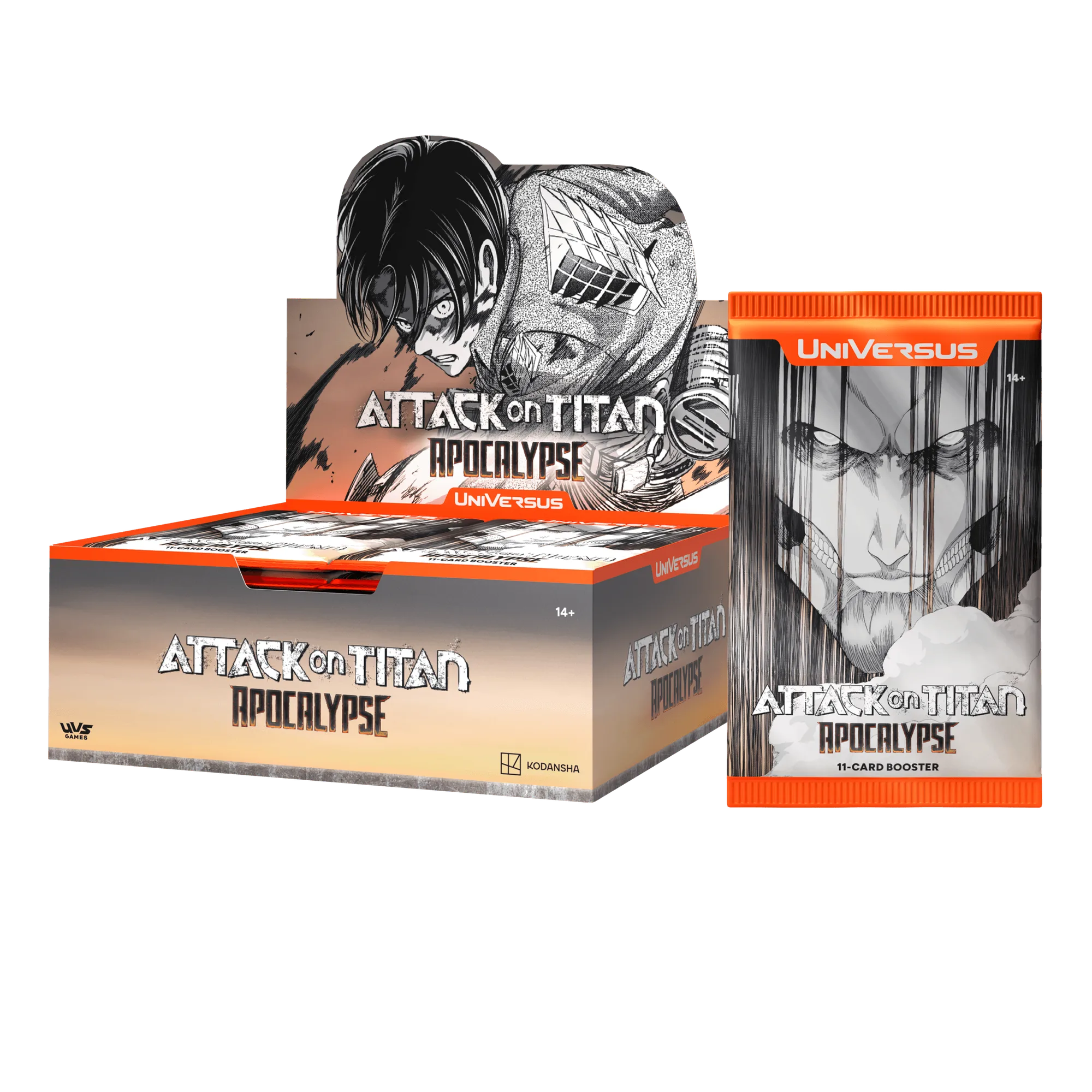
- Attack on Titan: Apocalypse Booster Display: The only thing left is destruction. The only thing left... is APOCALYPSE! The dramatic theme of this set makes it a collector's item. Keeping the box in good shape enhances its display appeal, so repair tips are useful for maintaining its visual impact.
Repairing a damaged booster display box is a delicate task that requires patience and a light touch. By following these tips, you can improve the appearance of minor damage while knowing when to stop. Remember, the box's condition is part of its story—sometimes a little wear adds character. For your next booster display, consider handling with care to avoid damage in the first place.