Quick Answer
To fix a scratched playmat, first clean the surface, then use a soft eraser for light scuffs, a damp cloth for surface marks, and a heat gun or fabric shaver for deeper damage. For severe cuts or tears, replacement is often safer and more cost-effective than repair.
A scratched playmat can be annoying, especially if it's your favorite. Whether it's a light scuff from card movement or a deeper gouge from a sharp object, you might wonder if it's fixable. The good news: many surface scratches can be repaired at home with simple tools. The bad news: some damage is permanent, and knowing when to stop is key.
In this guide, we'll walk you through diagnosing the type of damage, step-by-step repair methods, and when it's time to invest in a new playmat. You'll also see how quality materials, like those in UniVersus playmats, can affect repairability.
Assess the Damage: Is It a Scratch or a Tear?
Before you start any repair, look closely at the damaged area. Run your finger over it gently. A light scratch will feel smooth or slightly rough but won't catch your nail. These are usually surface marks on the neoprene or printed layer. Deeper damage, like a cut or tear, will have a visible indentation or split in the material.
Also, check if the scratch is in the printed artwork or just on the surface. If the print is scratched, you might be able to buff it out. If the neoprene itself is torn, repair becomes more complex. Understanding the difference helps you choose the right method and avoid making things worse.
- Use a magnifying glass to see fine details.
- Test on an inconspicuous area first if you're unsure.
Light Surface Scratches: Simple Fixes
Light scratches, like those from cards sliding or dust particles, are often just on the surface. Start by cleaning the area with a soft, slightly damp microfiber cloth to remove any dirt. Then, try a white vinyl eraser (the kind used for art) to gently rub the scratch in a circular motion. This can lift the mark without damaging the neoprene.
If the eraser doesn't work, a very small amount of mild soap and water can help. Apply with a cloth, rub gently, and let it air dry. Avoid using alcohol or harsh chemicals, as they can fade the print or break down the neoprene. For these light fixes, the goal is to remove the mark, not to fill it in.
- Always test the eraser on a corner first.
- Don't press too hard; let the eraser do the work.
Deeper Scratches and Scuffs: Advanced Repair
If the scratch is deeper, like a scuff from a sharp object or a scrape from a table edge, you may need more than an eraser. One method is to use a heat gun or hairdryer on low heat. Gently warm the area while pressing down with a clean cloth. The heat can help the neoprene relax and reduce the appearance of the scratch. Be careful not to overheat, as that can cause bubbling or melting.
Another option for scuffed areas is a fabric shaver or a fine-grit sandpaper (like 400 grit) used very lightly. This can smooth out raised fibers. Always work in one direction and check frequently. Remember, these methods can alter the surface texture, so they're not ideal for printed areas. If the scratch has actually cut the neoprene, these methods won't fully repair it.
- Keep the heat source moving to avoid damage.
- Sand only if the surface is raised, not cut.
When to Stop: Severe Damage and Replacement
Some damage is beyond repair. If the playmat has a tear that goes through the neoprene, or if the rubber backing is damaged, no amount of surface treatment will fix it. Similarly, if the printed layer is deeply scratched or peeling, repair could make it look worse. In these cases, the safest option is to replace the playmat.
Replacing a damaged playmat is often more practical than a complex repair. A new playmat ensures a smooth, consistent surface for card play, which is crucial for fair shuffling and drawing. Also, consider the cost: if a playmat is heavily damaged, the time and materials for repair might not be worth it. Knowing when to stop is part of the process.
- If you can see the backing through a tear, it's time to replace.
- If repair would cost more than 50% of a new mat, replace it.
Diagnosis: Scratch Repair or Replace?
- Symptom: Light surface scratch that feels smooth or slightly rough. Try cleaning and eraser method.
- Likely Cause: Cards sliding or dust particles grinding into the surface. Use a playmat with a smooth surface to reduce friction.
- Corrective Action: Clean, use a white eraser, or apply gentle heat for deeper scuffs. If the scratch remains visible after two attempts, consider replacement.
- Stop or Choose Another Option: If the playmat has a tear through the neoprene or the backing is damaged, stop repairing. Replace the playmat to ensure a safe and even playing surface.
Playmats Built to Last
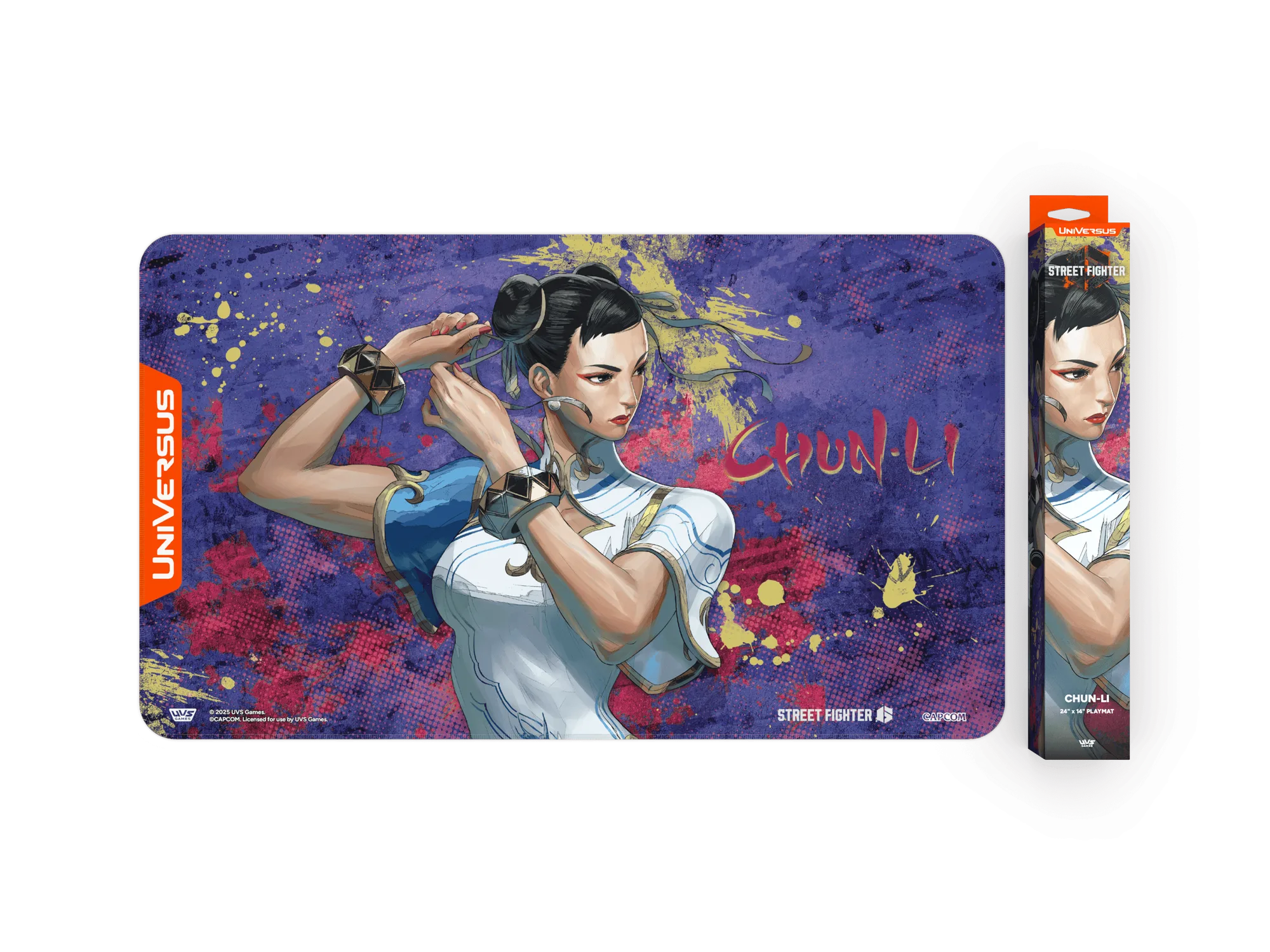
- Street Fighter 6: Challenger Series Playmat - Chun-Li: This Street Fighter 6 Chun-Li playmat is crafted with high-quality materials, ensuring durability and a smooth surface for your cards. Each playmat measures 24" x 14", providing ample space for gameplay while showcasing stunning custom artwork of your favorite characters. High-quality materials mean fewer scratches and easier repairs. The smooth surface is also less prone to scuffs from card movement.
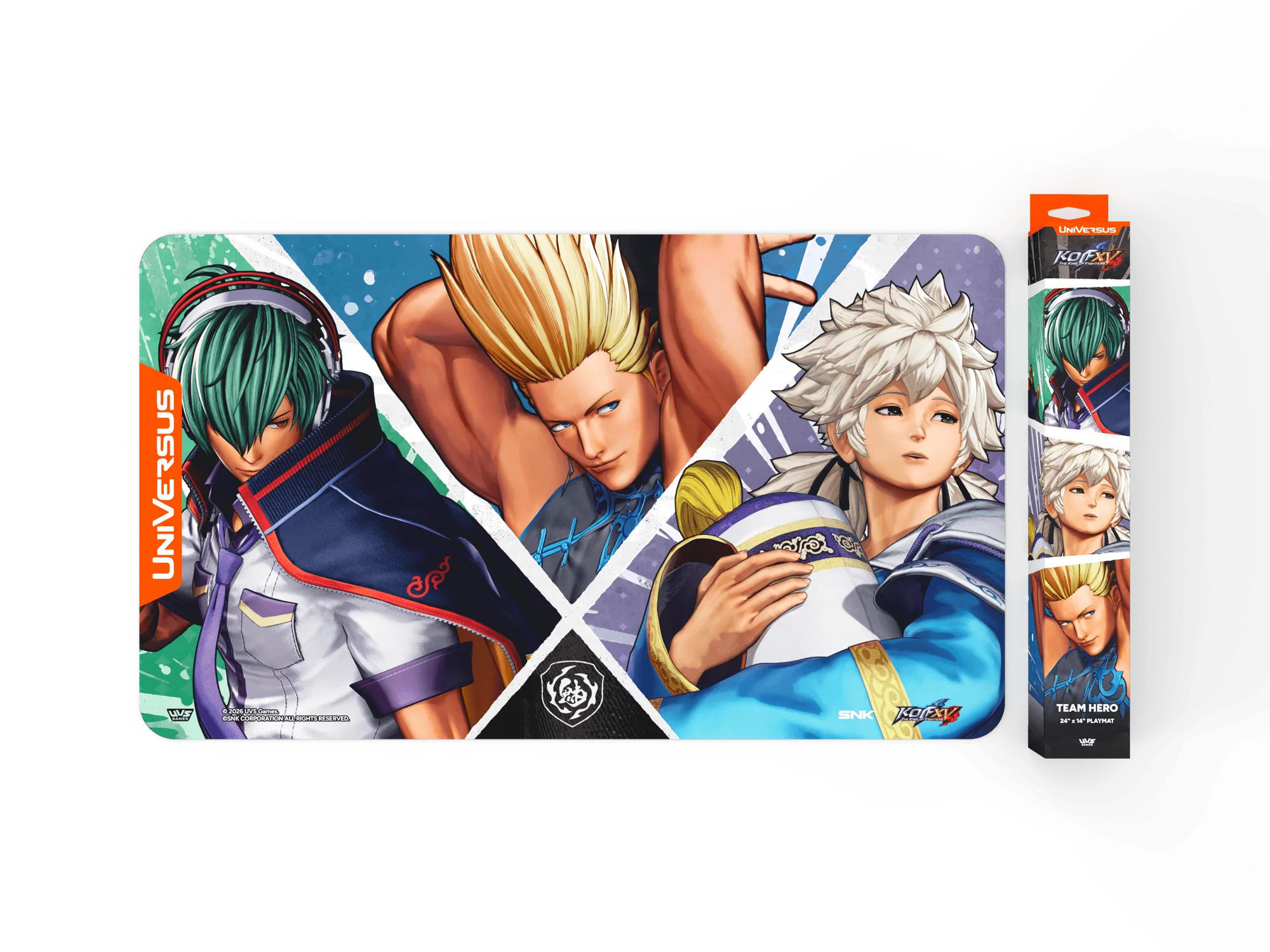
- King of Fighters XV: Challenger Series Playmat - Team Hero: Full-size 24 x 14 inch neoprene playmat. Smooth surface for easy card movement. Rubber backing helps keep the mat in place during play. Neoprene is resilient and can often be repaired for light scratches. The rubber backing prevents slipping, which reduces the chance of accidental damage.
Repairing a scratched playmat is possible for minor damage, but knowing when to stop is crucial. For light scratches, try cleaning and eraser methods. For deeper damage, consider heat or sanding. If the playmat is torn or severely damaged, invest in a new one to keep your games smooth and fair. Check out UniVersus playmats for durable options that resist damage and are easy to maintain.