Quick Answer
Most Daily Harvest smoothie texture issues come down to liquid amount, blending time, and frozen add-ins. Start with the suggested liquid, blend in short bursts, and adjust with ice or extra liquid to reach your preferred consistency. If your smoothie is still too thin or too thick after these fixes, consider switching to a different smoothie flavor or adding a thickener like banana or oats.
A Daily Harvest smoothie should be thick, creamy, and easy to sip. But sometimes, despite following the package directions, you end up with a smoothie that's more like juice or a spoonable bowl. Texture problems are common, but they're also easy to fix once you know what's going wrong.
This guide walks through the most frequent texture complaints—too thin, too thick, icy, or separated—and gives you simple, practical solutions. You'll also learn which Daily Harvest smoothie flavors are naturally thicker or thinner, so you can pick the right one for your mood.
Too Thin: Watery or Runny Smoothies
A watery smoothie usually means too much liquid. Daily Harvest smoothies come with frozen ingredients, and the package suggests a specific amount of liquid (like water, milk, or juice). If you eyeball it and pour a little extra, you'll end up with a thin result. Also, if you use fresh fruit or ice that melts quickly, that adds extra liquid.
The fix is simple: reduce the liquid next time. Start with half the suggested amount, blend, and add more only if needed. You can also add a thickener like a frozen banana, a spoonful of nut butter, or a few ice cubes. These add body without changing the flavor much. If your smoothie is already made and too thin, stir in a little yogurt or a scoop of protein powder—but do it gradually.
- Measure your liquid with a measuring cup, not a glass.
- Use frozen fruit instead of fresh to keep the smoothie cold and thick.
- If you add ice, blend it in with the fruit before adding liquid.
Too Thick: Hard to Blend or Spoonable
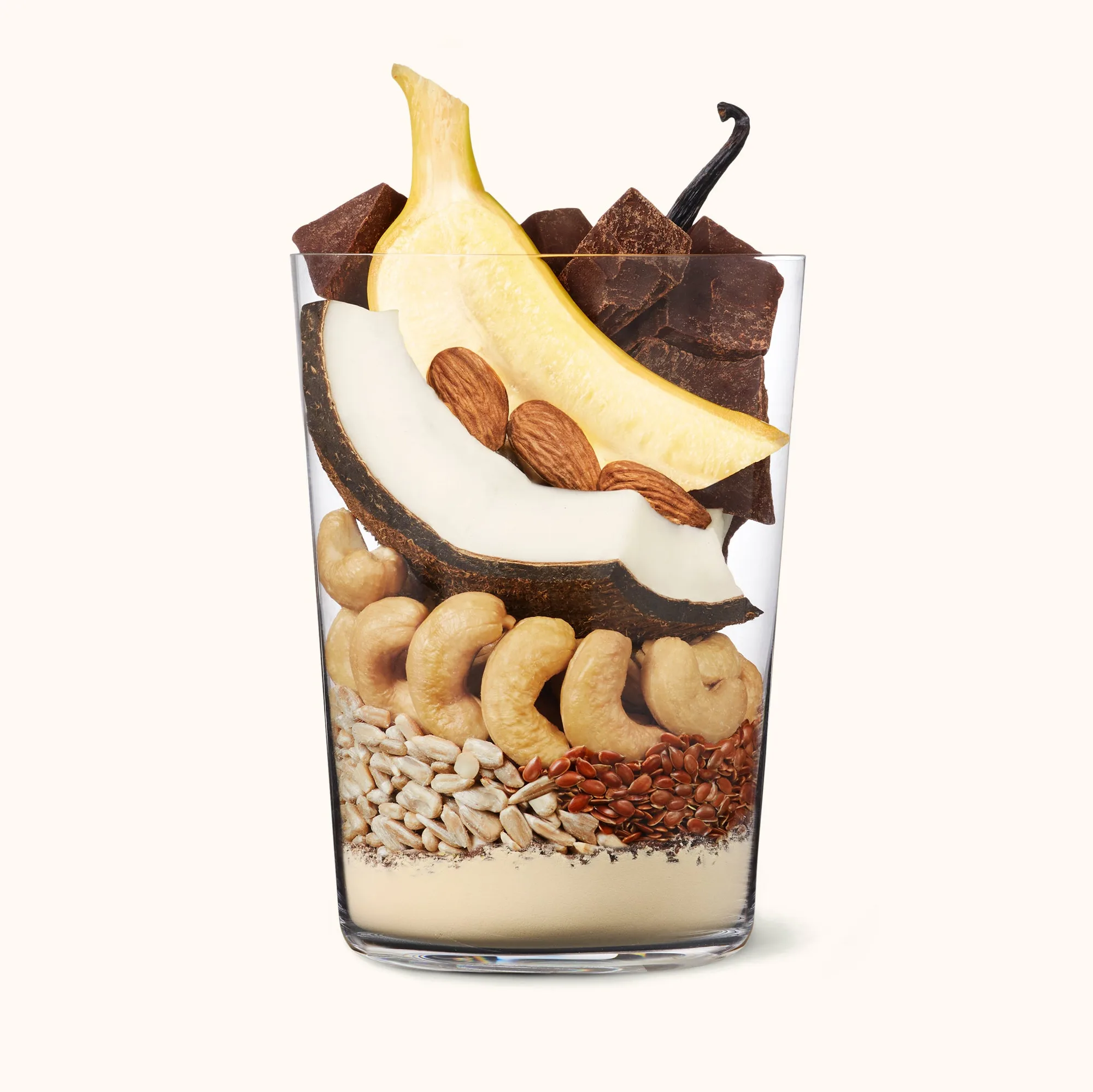
On the flip side, a smoothie that's too thick can be frustrating. It might clump in the blender, leave chunks, or be so dense you need a spoon. This usually happens when you use less liquid than suggested, or when your blender is older and can't handle the frozen ingredients. Some Daily Harvest smoothies, like the Vanilla Bean Protein, have a naturally thick base because of the banana and parsnips.
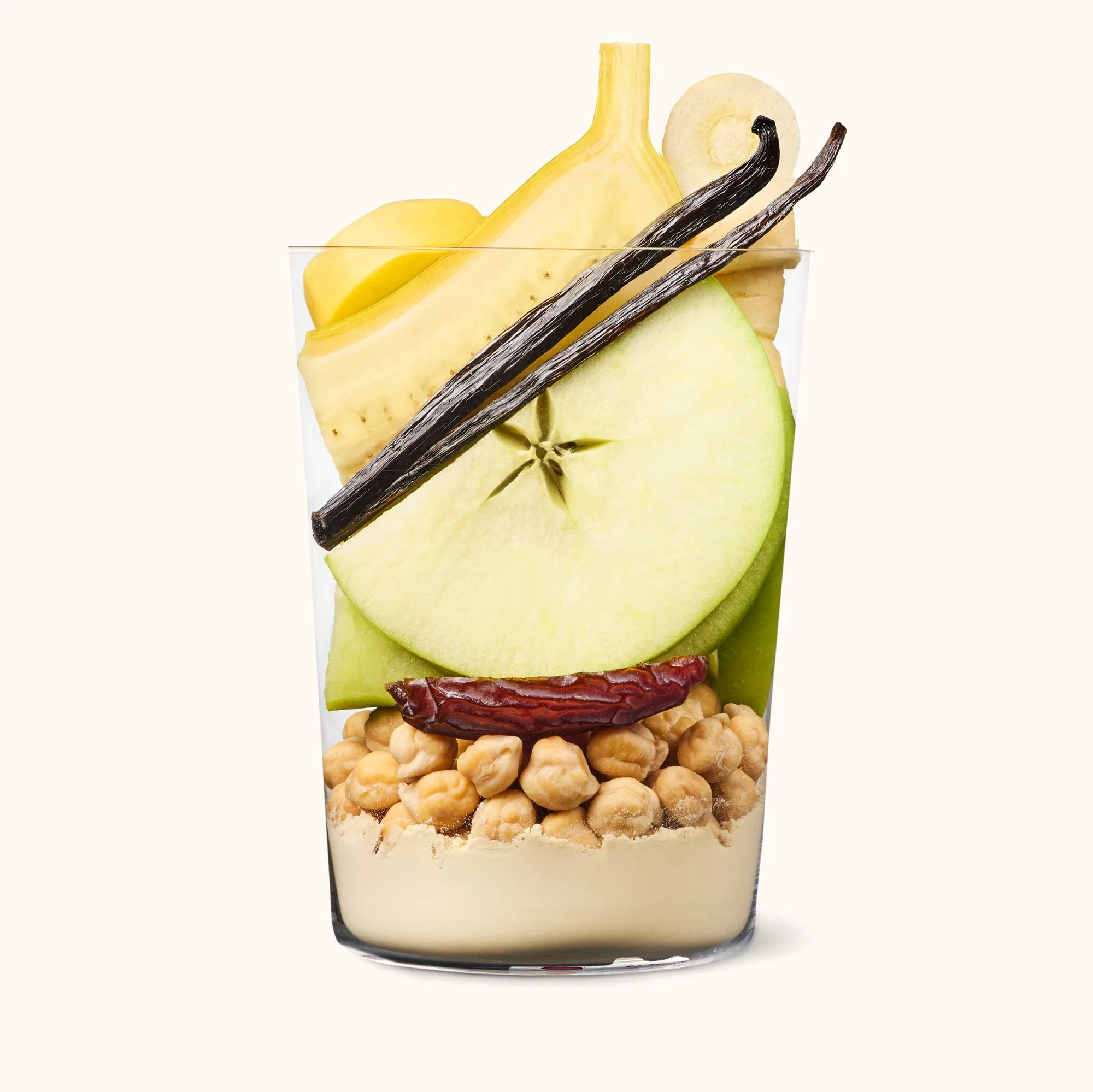
Vanilla Bean Protein
If your smoothie is too thick, don't add more liquid all at once—that can make it watery. Instead, add liquid in small increments (1-2 tablespoons) and blend for a few seconds after each addition. You can also blend longer to break down the frozen chunks more thoroughly. If you're using a high-speed blender, try pulsing first to break up the ice, then blend continuously.
- Add liquid in small amounts, not a big pour.
- Blend in pulses before going full speed.
- If you're using a personal blender, shake it gently while blending to move ingredients around.
Icy or Gritty Texture
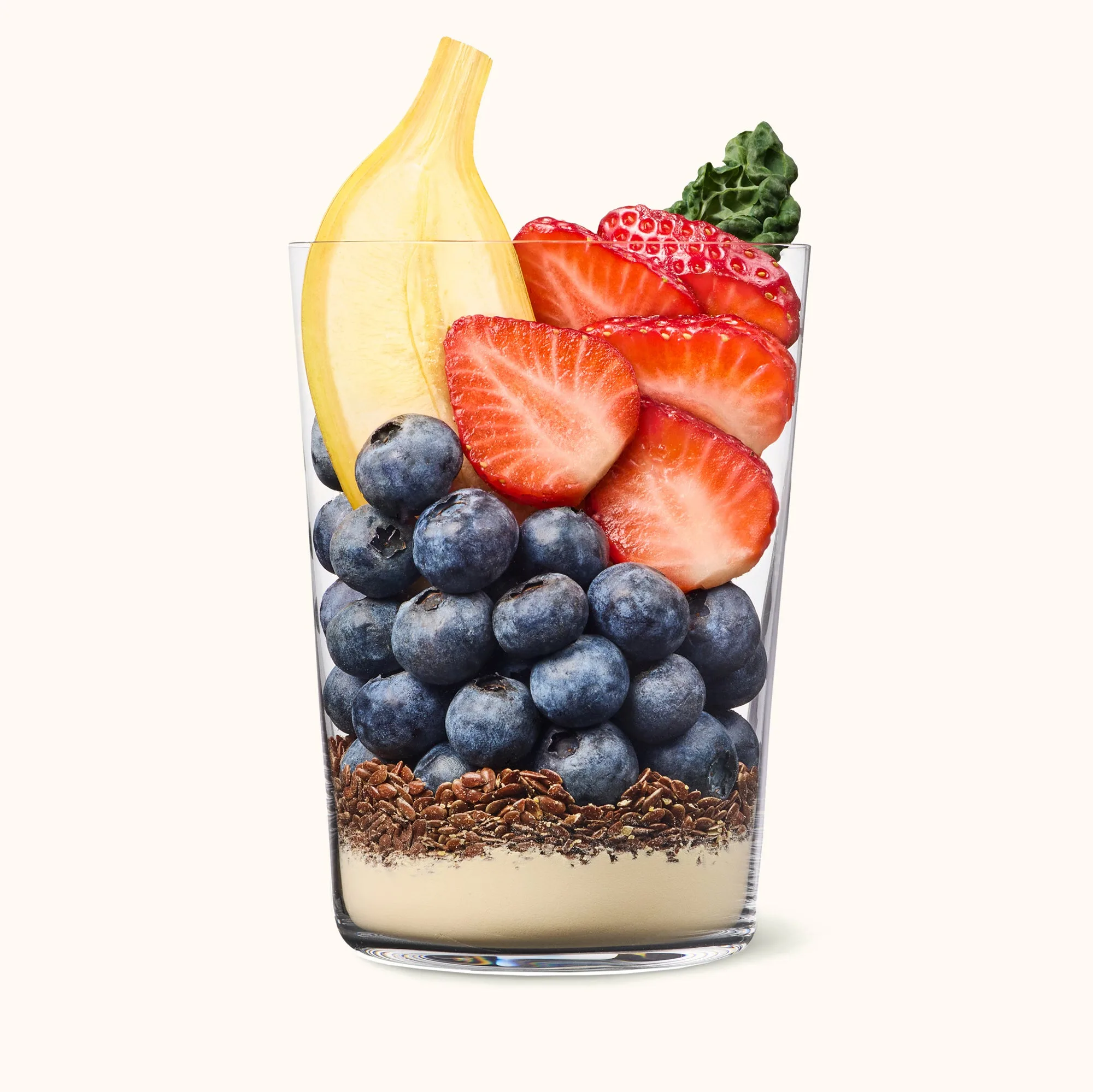
An icy or gritty smoothie often means you added too much ice or didn't blend long enough. Ice can create a slushy texture that's not creamy. Also, some smoothies contain seeds or fiber-rich ingredients that can feel gritty if not fully blended. The https://dailyharvestnmk.com/products/mixed-berry-protein-oat-bowl-bd57be60a14031fd453ba7c8-781432Mixed Berry Protein smoothie, for example, has flax seeds that need a good blend to become smooth.
To fix this, blend for at least 60-90 seconds on high. If you added ice, reduce the amount or use frozen fruit instead. You can also add a creamy ingredient like avocado, yogurt, or nut butter to smooth out the texture. If you're using a standard blender, make sure the lid is secure and blend in batches if needed.
- Blend longer than you think you need to—especially for seed-heavy smoothies.
- Use frozen fruit or a frozen banana instead of ice for creaminess.
- If you're adding protein powder, blend it with the liquid first to avoid clumps.
Separating or Foamy Smoothies
Separation happens when the smoothie sits for a while and the liquid rises to the top. This is natural with fruit and vegetable blends. Foam can come from over-blending, especially with high-speed blenders. While it doesn't affect taste, it can change the mouthfeel.
To minimize separation, drink your smoothie right after blending. If you need to store it, shake it well before drinking. To reduce foam, blend at a lower speed for the last few seconds, or let the smoothie rest for a minute so the foam settles. You can also stir it with a spoon to mix the foam back in.
- Drink immediately or shake well before sipping.
- Blend at lower speed for the last 5 seconds to reduce foam.
- Store in a sealed jar and give it a good shake before drinking.
Diagnosis: Fix Your Smoothie Texture in 3 Steps
- Symptom: Your smoothie is too thin, too thick, icy, gritty, or separated. Identify the exact issue before changing anything.
- Likely Cause: Too much or too little liquid, not enough blending time, or using ice instead of frozen fruit. Check your liquid measurement and blender settings.
- Corrective Action: Adjust liquid in small amounts, blend longer, or add a thickener like banana or yogurt. If the texture still doesn't improve, try a different smoothie flavor that matches your preferred consistency. If you've tried these fixes and still aren't happy, it's time to choose another option—like a different flavor or a Harvest Bowl.
Smoothie Textures by Flavor
- Vanilla Bean Protein: Vanilla bean and bananas combine for a dreamy, creamy milkshake-like smoothie. Parsnips, apples, and chickpeas bring a hidden nutritional boost to every sip. The banana and parsnips make this a naturally thicker smoothie. If you prefer a thinner consistency, add a bit more liquid than suggested.
- Mixed Berry Protein: Bright, juicy berries and banana mix with a boost of kale and flax seeds for added nutrients. The flax seeds can create a slightly gritty texture if not blended long enough. Give it an extra 30 seconds on high for a smoother sip.
- Blueberry Maple: A Canadian lakeside cottage kitchen at morning light, windows open to still water, and blueberry pancakes waiting on the table. Slow and cozy, it captures the comfort of lingering breakfasts and summer mornings that seem to stretch on forever. This flavor is described as slow and cozy, which suggests a thicker, more indulgent texture. If you want a lighter smoothie, use more liquid or add ice.
Texture issues are a common part of making frozen smoothies, but they're easy to solve once you know what to look for. Start with the right amount of liquid, blend thoroughly, and don't be afraid to experiment with add-ins. With a few tweaks, you'll get a smoothie that's just the way you like it—every time.