Quick Answer
A damaged skin barrier often shows up as dryness, tightness, flaking, or increased sensitivity. To repair it, switch to gentle, fragrance-light cleansers and deeply moisturizing products with ceramides, fatty acids, and oils, and avoid harsh scrubs and hot water until your skin calms down.
Your skin barrier is the outermost layer that locks in moisture and keeps irritants out. When it gets compromised, your body can feel itchy, look dull, or react to products that never bothered you before. Recognizing the signs early and adjusting your body care routine can make a big difference.
While much of the conversation focuses on facial skin, your body’s barrier faces daily stress from showers, clothing, and weather. The good news: with the right ingredients and habits, you can restore comfort and resilience.
What Causes a Damaged Skin Barrier?
Several everyday habits can strip your skin’s protective lipids. Over-exfoliating with harsh scrubs, using very hot water, and washing with sulfate-heavy cleansers are common culprits. Environmental factors like low humidity, wind, and sun exposure also play a role, as does wearing rough or tight fabrics that create friction.
When the barrier is weakened, moisture escapes and irritants get in. This triggers inflammation, which shows up as redness, itching, or a stinging sensation when you apply lotion. If you’ve recently changed products or routines and your skin feels worse, that’s a signal to simplify.
- Avoid hot showers; use lukewarm water instead.
- Pat your skin dry rather than rubbing with a towel.
- Look for body washes labeled ‘gentle’ or ‘hydrating’.
Signs Your Skin Barrier Needs Help
The most obvious sign is persistent dryness that doesn’t go away with regular moisturizer. You might also notice flaking, rough patches, or a feeling of tightness after showering. Increased sensitivity—like stinging when you apply products—is another red flag.
Sometimes the skin looks dull or ashy even after moisturizing. If you see fine lines or cracks that weren’t there before, your barrier may be compromised. Pay attention to how your skin reacts to products you’ve used for months; sudden irritation often points to a damaged barrier.
- Check for redness or inflammation that appears without an obvious cause.
- Notice if your skin feels itchy or prickly after bathing.
- Watch for increased breakouts or bumps on arms and legs.
How to Repair Your Skin Barrier with Body Care
Start by switching to a gentle, hydrating body wash that cleanses without stripping. Look for formulas with nourishing oils or biodegradable cleansing agents. Avoid physical scrubs and exfoliating acids until your skin feels calm—this is not the time for harsh exfoliation.
Moisturize immediately after bathing while your skin is still slightly damp. Choose rich creams or body butters with ceramides, lipids, and oils that mimic your skin’s natural barrier. Apply generously and let the product absorb before dressing.
- Use a body wash with moisturizing ingredients like monoi or shea.
- Apply a body butter within three minutes of stepping out of the shower.
- Consider a body oil to seal in hydration, especially in dry climates.
When to See a Dermatologist
Most barrier issues improve within a few weeks with a consistent routine. However, if you notice severe redness, swelling, oozing, or if the discomfort worsens, it’s time to consult a dermatologist. Conditions like eczema or psoriasis may require prescription treatments.
Also seek medical advice if you suspect an allergic reaction to a product. Persistent itching that disrupts sleep or patches that spread should not be ignored. A professional can help identify underlying causes and recommend targeted solutions.
Diagnosis: Is Your Skin Barrier Damaged?
- Symptom: Persistent dryness, flaking, tightness, redness, or stinging after applying products. If you have one or more of these, your barrier is likely compromised.
- Cause: Over-exfoliation, harsh cleansers, hot water, or environmental stress have stripped away protective lipids. Identify and stop the habit that triggered the damage.
- Corrective Action: Switch to a gentle body wash, moisturize with ceramide-rich body butter, and optionally seal with body oil. Avoid exfoliating for at least two weeks. Consistency is key; you should see improvement within 2–4 weeks.
- Stop or Seek Help: If symptoms worsen, spread, or don’t improve after a month, or if you see severe inflammation or oozing, stop self-treatment and consult a dermatologist. Professional guidance is necessary for unresolved or severe cases.
Products That Support Barrier Repair
- Santal Bloom - Body Butter: Our nourishing body butter is formulated with a multi-lipid blend of ceramides, essential fatty acids, phospholipids and phytosterols that replenish dry skin. Coconut and sea buckthorn oils lock in moisture for a healthier looking skin barrier. Clinically tested 24-hour moisture. This body butter provides the ceramides and lipids your barrier needs to rebuild, and its 24-hour moisture claim supports all-day comfort.
- Salt Water Vanilla - Jumbo Body Oil: Our nourishing Salt Water Vanilla body oil is formulated with a replenishing blend of oils including fermented saururus, kukui, cacay, and squalane along with a biomimetic blend of plant actives and sea buckthorn oil that absorb easily and leave skin dewy and glowing. If your skin is extremely dry, layering a body oil over your moisturizer can help lock in hydration and strengthen the barrier.
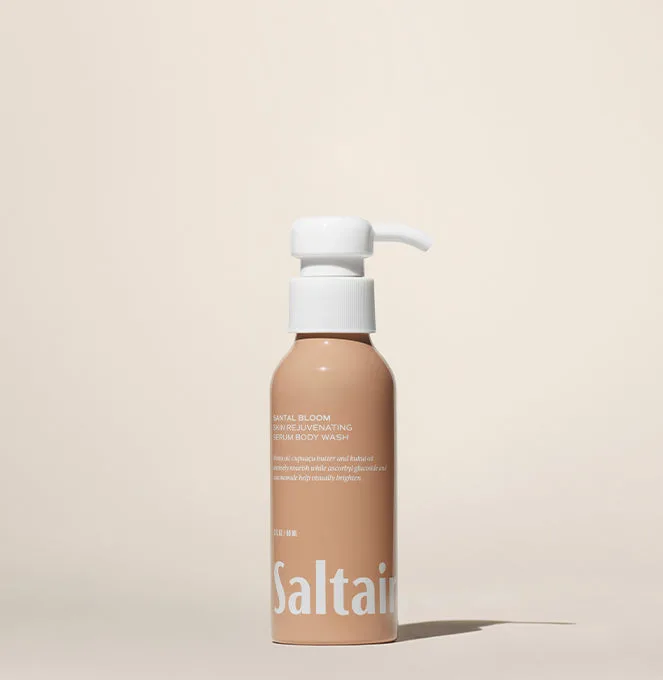
- Green Grapefruit - Body Wash: Our revitalizing Green Grapefruit serum body wash gently cleanses, nourishes and softens the skin. Formulated with biodegradable cleansing agents and a replenishing blend of monoi, coconut and shea that intensely moisturize. A gentle, moisturizing body wash is essential during repair because it cleanses without stripping the skin’s natural oils.
Repairing a damaged skin barrier takes patience and a gentle approach. By choosing the right body wash, moisturizer, and possibly a body oil, you can restore your skin’s natural defense and comfort. Listen to your skin—if it doesn’t improve, don’t hesitate to seek expert advice.