Quick Answer
A lash extension that points the wrong way is almost always a placement or fan-direction problem, not a glue problem. Remove the offending extension, re-isolate the natural lash, and reattach with the base seated straight before the glue cures. If the natural lash itself is kinked or growing sideways, no amount of re-lashing will fix the direction, so adjust the mapping or refer the client.
Separate the Symptom From the Cause Before You Touch the Lash
Direction faults look similar on the pillow but come from different places. A single lash pointing sideways usually means the extension was placed off-axis or the isolation slipped. A whole section flicking outward or inward points to mapping or fan direction rather than one bad attachment. Lashes that rotate back toward the eye after a few days often sit on a natural lash that is growing in a curve, not a placement error. Identify which pattern you have first, because each has a different fix and a different stopping point.
Fix a Single Off-Direction Extension in Four Steps
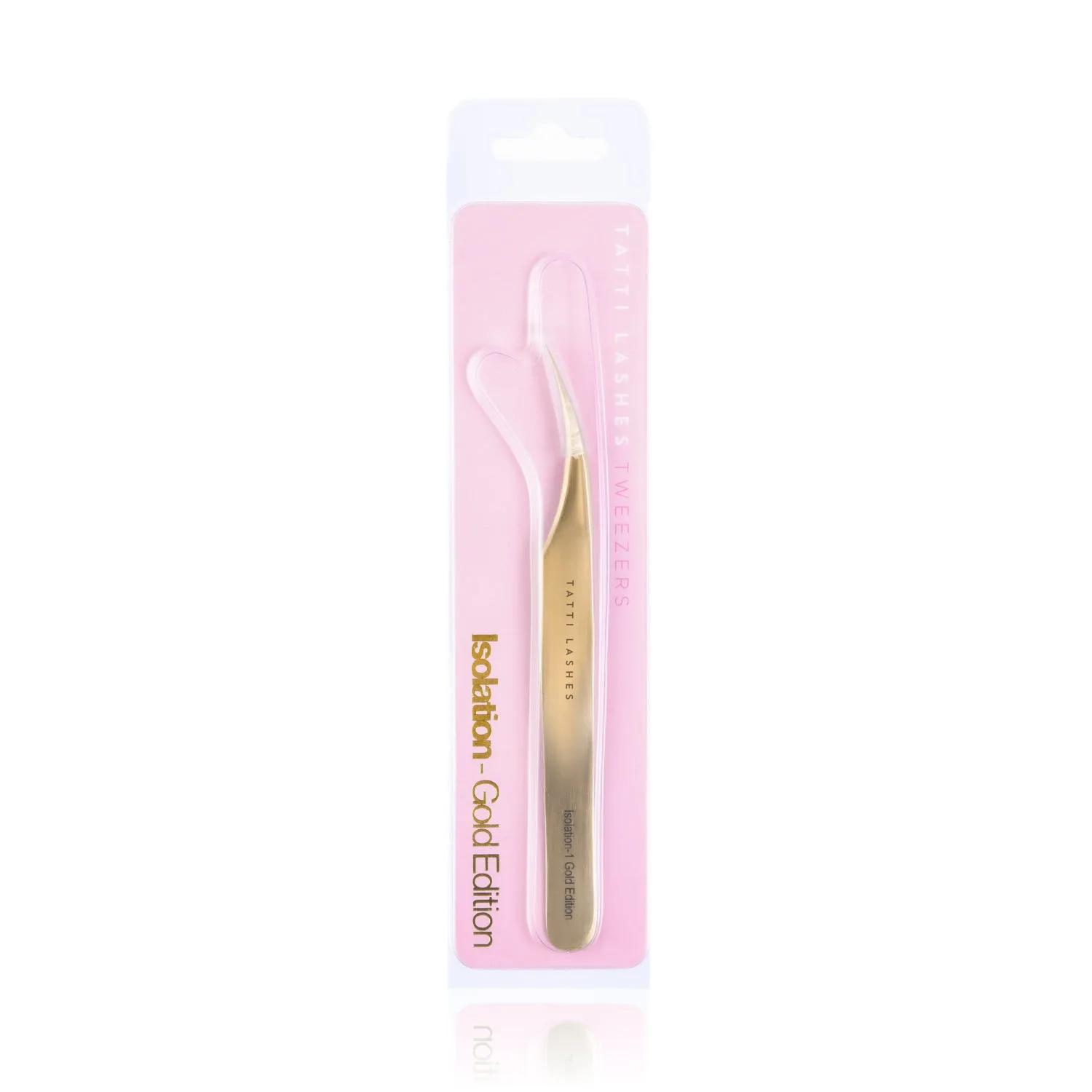
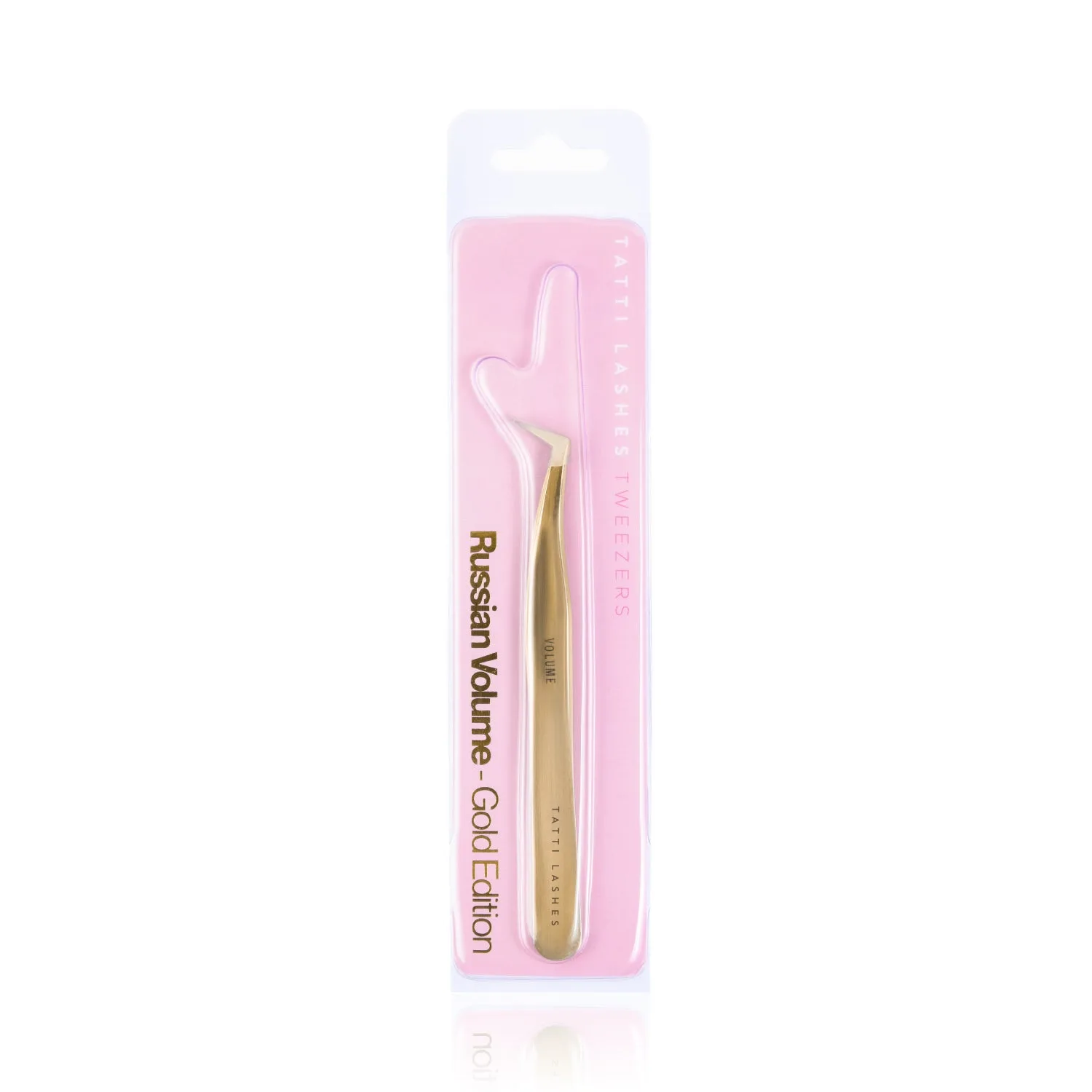
Work under good light and magnification so you can see the base of the natural lash, not just the tip of the extension. Use two pairs of lash tweezers: one straight or isolation tweezer to separate the natural lash, and one curved or volume tweezer to hold and place the extension. If the extension is already bonded, apply a small amount of remover to the base, slide the extension off, and clean any residue before reattaching. Place the new extension so its base sits on the natural lash with the fibre running in the intended direction, then hold until the adhesive grabs. Do not drag the extension into position after the glue has started to cure, because that is what creates the twist you are trying to remove.
Correct Fan Direction So the Whole Set Reads Evenly
When several neighbouring lashes point the same wrong way, the fan itself is the problem. A fan that opens unevenly or wraps too far around the natural lash will push its fibres off-axis. Rebuild the fan so the fibres spread symmetrically from the base, then place it flat against the natural lash rather than rolling it on. Check your mapping too: if the set is meant to open the eye, the longest fibres should sit where the natural lash line curves outward, not at the inner corner. Lash fan direction is easier to control when you build the fan before you dip it, not after.
Rule Out Isolation and Natural Lash Problems
Lash isolation issues are a common hidden cause of direction faults. If two natural lashes are stuck together, the extension inherits the angle of the pair rather than the single lash, and it will point wherever the tangle pulls it. Separate the lashes fully before you place anything, and if they will not separate cleanly, leave that lash and move on. Also look at the natural lash itself: a lash with a visible kink, a cowlick at the root, or a sideways growth pattern will keep throwing the extension off no matter how well you place it. In that case, skip the lash, choose a shorter or lighter extension nearby, or discuss a different style with the client rather than forcing a fix.
Know When to Stop and Choose Another Option
Stop re-lashing the same natural lash after two attempts. Repeated removal and reattachment stresses the follicle and the lash you are trying to correct. If a section keeps failing, the honest options are to leave those lashes bare for a cycle, switch to a lighter or shorter extension, or change the mapping so the problem area is not asked to carry a long fibre. If the client's natural lashes grow in a strong directional pattern, a strip lash or a pre-styled set may give a cleaner result than fighting the growth. Troubleshooting is about protecting the natural lash, not winning the argument with it.
Direction Fault Diagnosis
- One lash points sideways: The extension was placed off-axis or isolation slipped during attachment. Remove it, re-isolate the natural lash, and reattach with the base seated straight. If it fails twice on the same lash, leave that lash bare this cycle.
- A whole section flicks the wrong way: Fan direction or mapping is the cause. Rebuild the fan so fibres spread evenly from the base, and check that the longest fibres sit where the lash line curves outward. Fix the fan before you dip it, not after placement.
- Lashes rotate back toward the eye after a few days: The natural lash is growing in a curve or has a root kink, so it will keep pulling the extension off-direction. Skip that lash or choose a shorter, lighter extension nearby. If the growth pattern is strong, adjust the mapping or move the client to a strip or pre-styled option.
Products That Help With Direction and Practice
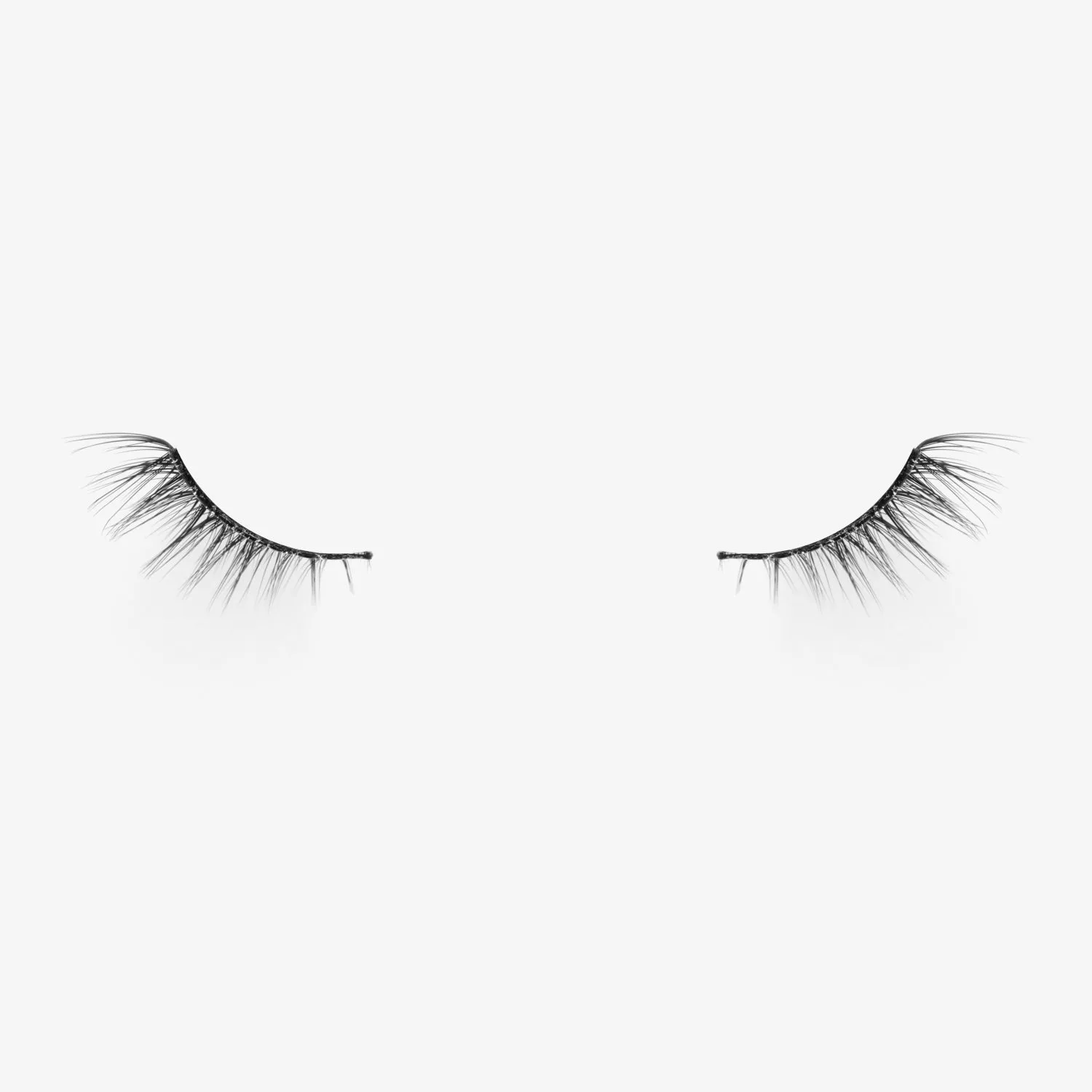
- Miss Popular Volume Strip: Miss Popular Volume Strip is a Russian strip lash designed to give the lash extension look without treatment, with a subtle wing that helps lift the eye. Useful when a client wants the extension look on lashes that are too kinked or uneven to hold individual extensions reliably.
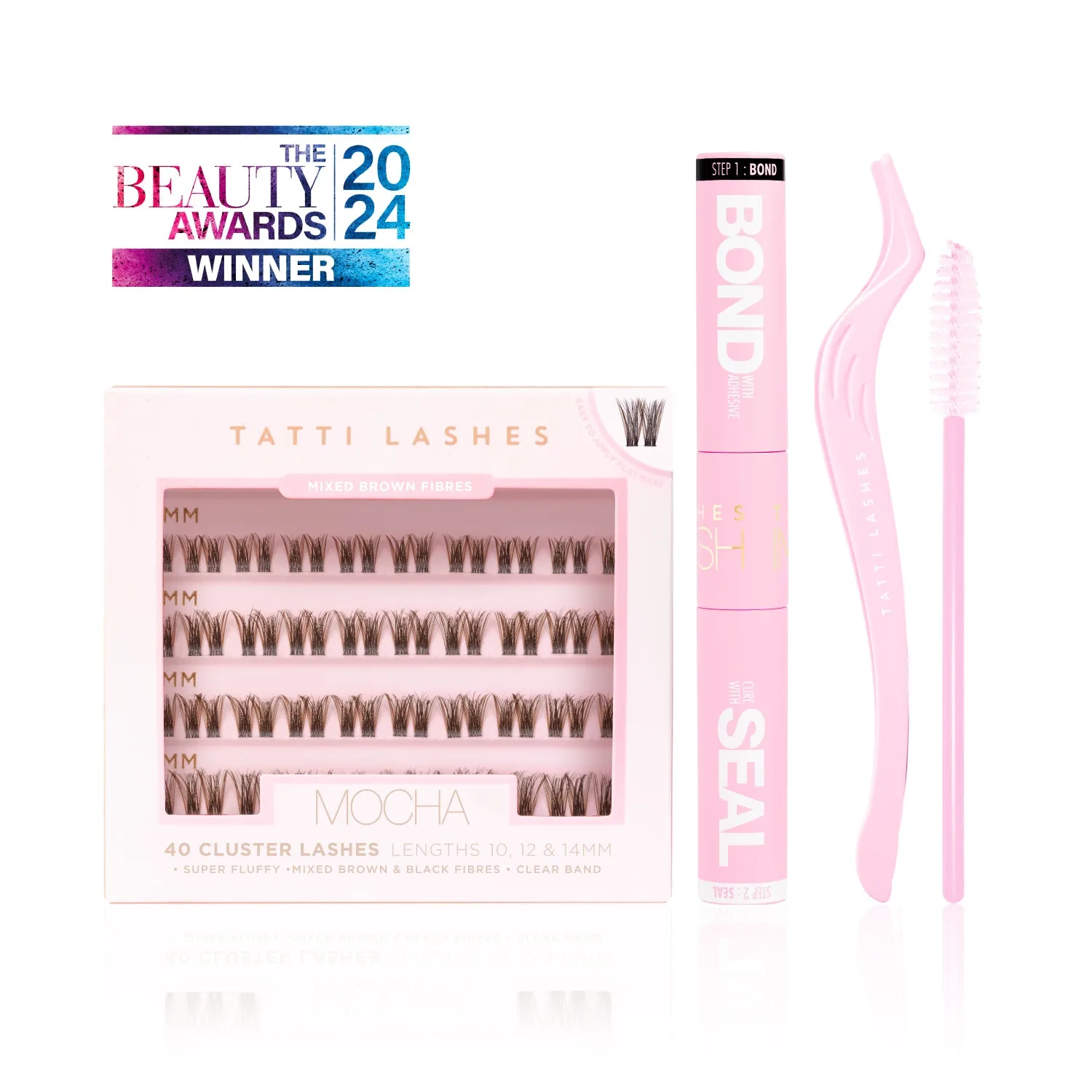
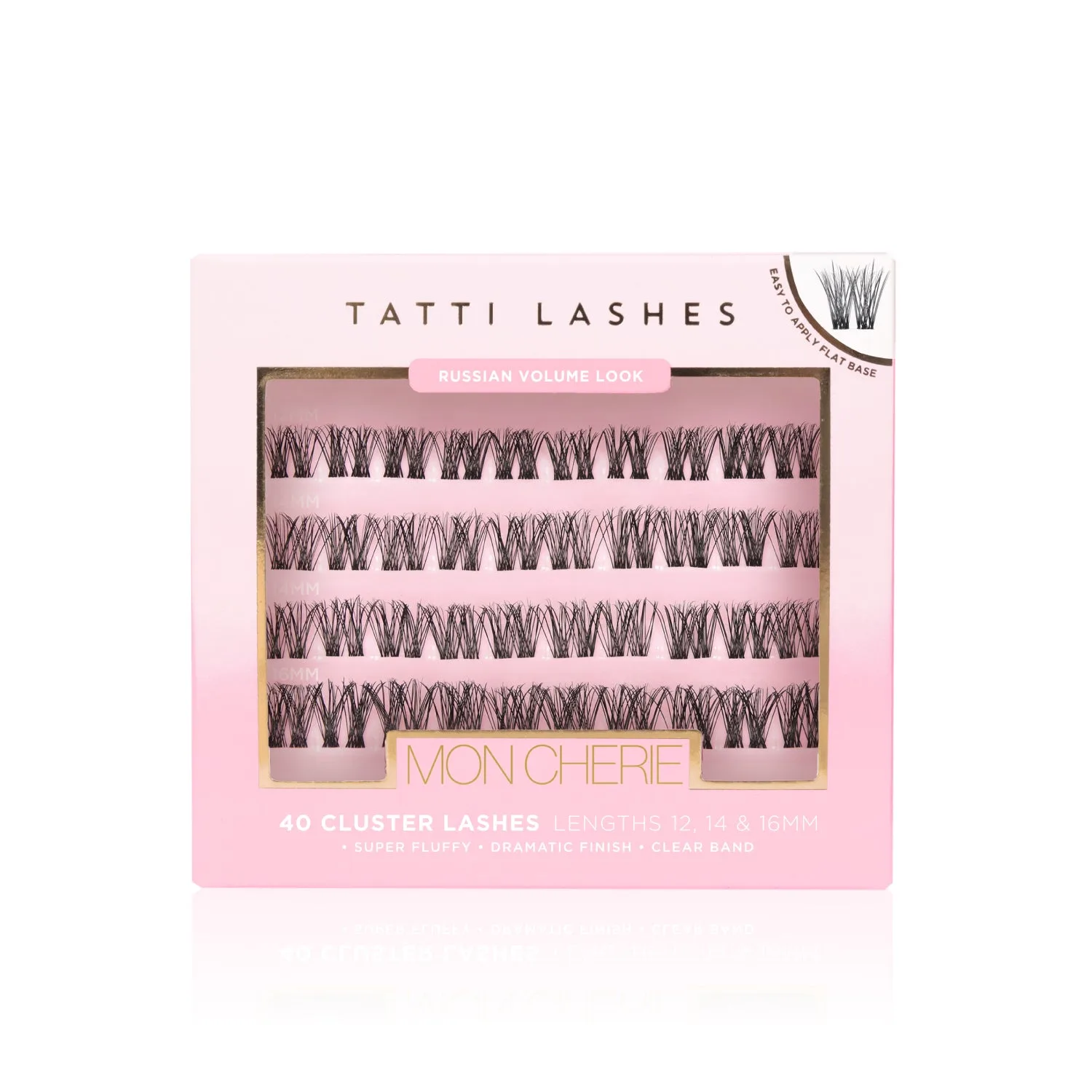
- Mon Cherie - Mocha: Mon Cherie - Mocha individual lashes blend black and brown fibres for a softer finish, aimed at fairer complexions or wearers who find black too harsh. A softer fibre colour can make minor direction inconsistencies less obvious in daylight, which helps when a full correction is not practical.
- Invisi-Lash Kit - Winged Out Edition: Invisi-Lash Kit - Winged Out Edition includes four ultra winged styles with angled fibres and a latex-free glue that locks lashes for around one week. A short-wear option for clients who want a defined winged direction without committing to a full extension set that may fight their natural growth.