Quick answer
Frame your risograph print behind UV-protective glass or acrylic, using an acid-free mat to keep the paper from touching the glazing. Avoid direct sunlight and high humidity to preserve the ink and paper texture.
Why risograph prints need special handling
Risograph prints use soy-based inks that sit on the surface of the paper rather than soaking in. This gives them a unique matte finish and slight texture, but also makes them more vulnerable to fading and smudging than standard laser prints.
The 190gsm paper used for prints like the "Please Be Nice To Me A4 Risograph Print" is lightweight and can curl if exposed to moisture. A sturdy frame with a backing board helps keep it flat.
Naoshi's prints, such as "Dancing Skeletons" and "Nijiko", are printed on archival pigment paper (270g/m²) and are individually wrapped with a backing board. That packaging is fine for storage, but for display you'll want a frame that offers similar protection.
What to watch out for with open-edition prints
Open-edition prints like those from Naoshi are produced without a fixed limit. While this makes them more affordable, it also means the print itself may not hold long-term resale value. Focus on framing for your own enjoyment rather than investment.
Because the colors on actual prints may vary slightly from the screen image, it's a good idea to see the print in person before choosing a frame color or mat tone.
Step-by-step framing guide
- Choose UV-protective glazing: Select a frame with UV-protective glass or acrylic. Regular glass does not block UV rays, which can fade risograph inks within weeks of direct sunlight exposure. UV-protective glazing is non-negotiable for preserving the print's original colors.
- Use an acid-free mat or spacer: Place an acid-free mat between the print and the glazing. This prevents the ink from sticking to the glass and allows air circulation. If you prefer a frameless look, use a spacer frame that keeps the glazing away from the paper. Without a mat or spacer, moisture can get trapped and cause the paper to ripple.
- Secure the print with a rigid backing board: Use a backing board made of acid-free foam core or museum board. For lightweight prints like the A4 risograph, this keeps the paper flat and prevents sagging. For thicker prints like Naoshi's, it adds stability. A flimsy backing can cause the print to bow over time, especially in humid conditions.
- Hang away from direct sunlight and humidity: Choose a wall that does not receive direct sunlight for more than an hour a day. Avoid bathrooms, kitchens, or exterior walls that may have temperature swings. Even UV glass cannot fully protect against constant direct sun. A north-facing wall or a hallway with indirect light is ideal.
- Clean the glazing only when needed: Dust the frame with a soft, dry microfiber cloth. If the glazing needs cleaning, spray a small amount of glass cleaner onto the cloth—never directly onto the print or frame. Wipe gently to avoid scratching. Excessive cleaning can wear down anti-glare coatings on acrylic glazing.
Products mentioned
-
Please Be Nice To Me A4 Risograph Print: This A4 risograph print is produced on 190gsm paper in London, UK. The lightweight paper needs a rigid backing board in the frame to prevent curling over time.
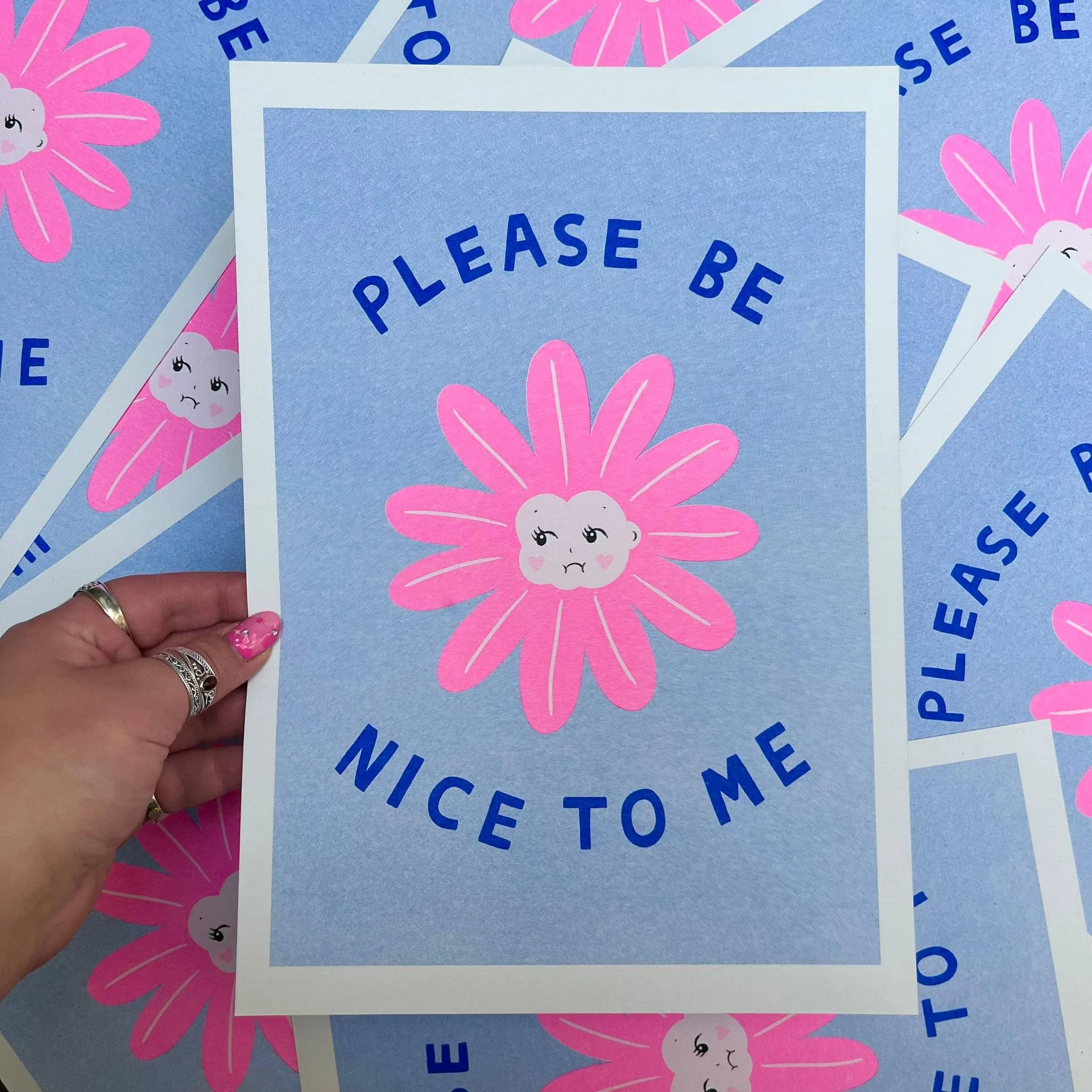
Please Be Nice To Me A4 Risograph Print
-
Dancing Skeletons Print by Naoshi: This 8"x8" print is printed with archival pigment on 270g/m² premium inkjet paper and individually wrapped with a backing board. The thicker paper and archival inks make it more fade-resistant, but the square size may require a custom frame or mat.
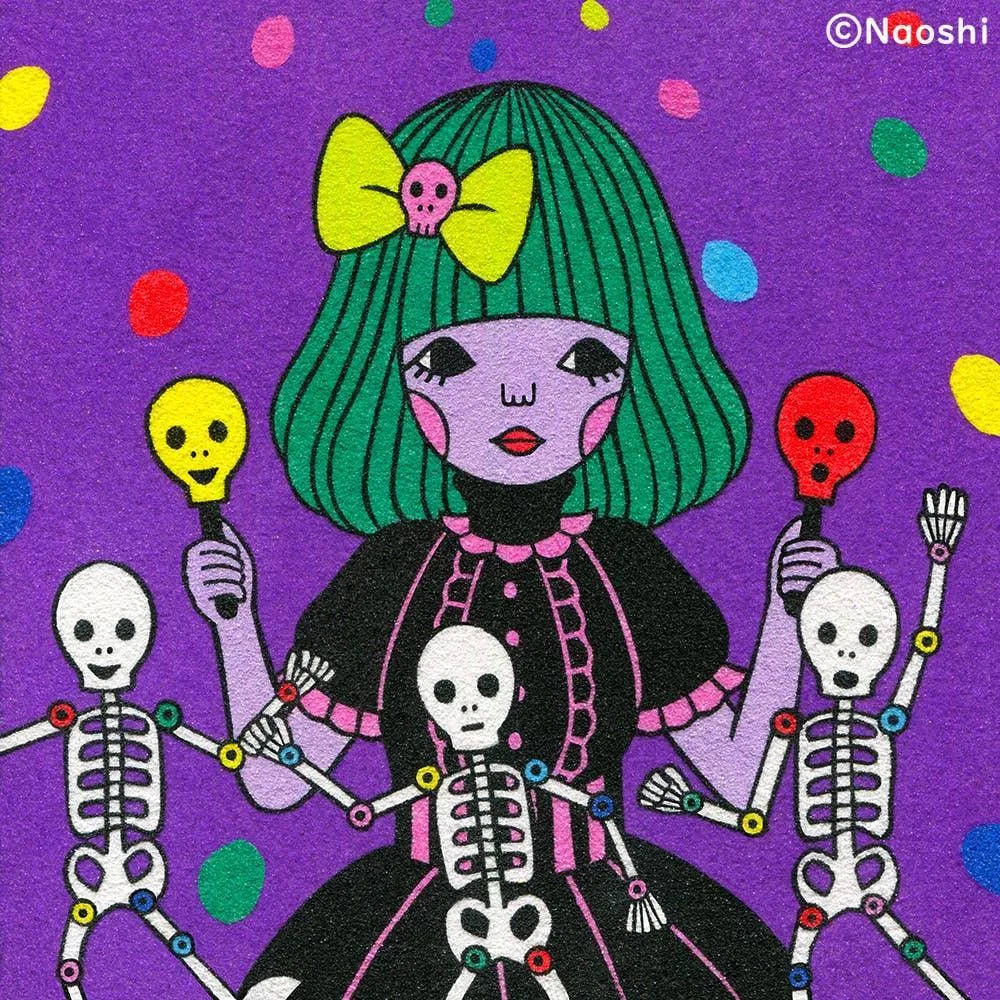
Dancing Skeletons Print by Naoshi
-
Nijiko Print by Naoshi: This 5"x7" print is printed with archival pigment on 270g/m² premium inkjet paper and signed on the back. The small size fits standard off-the-shelf frames, but the signature on the back means you should use a frame that allows easy access or a backing that won't damage it.