Quick Answer
Start with a gentle brush to remove tangles, then move to a warm bath, nail trimming, and ear cleaning. Use a kit designed for puppies, like the Puppy Grooming Kit, to ensure safety and comfort. Keep sessions short and positive to build trust.
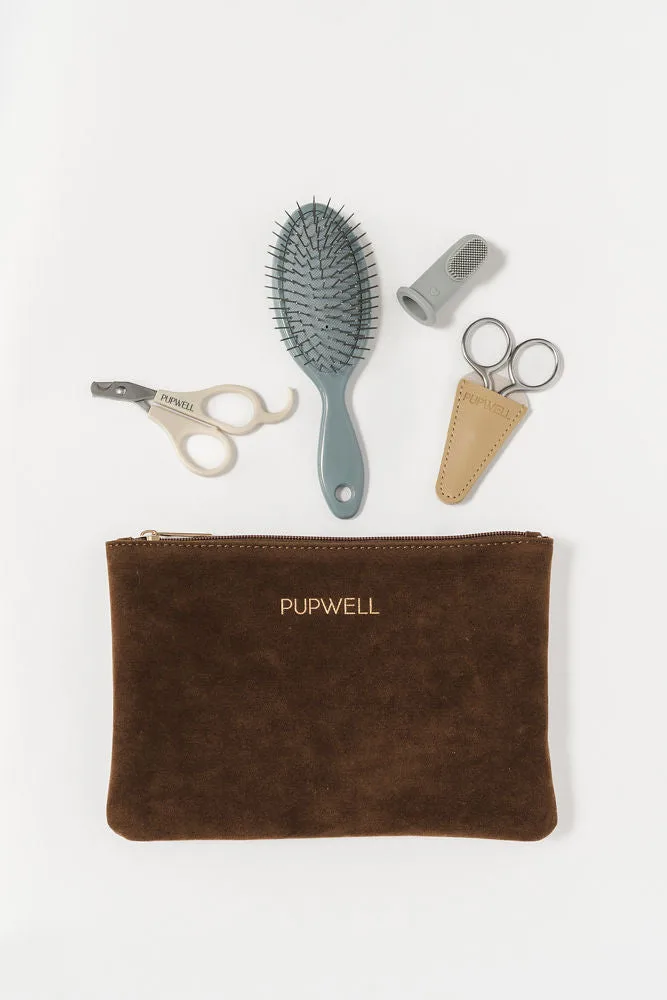
Puppy Grooming Kit
Bringing home a new puppy is exciting, but grooming can feel overwhelming. You might worry about hurting them or making a mistake. The good news: with the right tools and a calm approach, you can handle most grooming at home and even make it a bonding time.
This guide walks you through each step of puppy grooming at home, from brushing to nail trims, with practical tips to avoid common mistakes. Whether it's your first puppy or you're looking to refine your routine, these steps will help you keep your pup clean, comfortable, and happy.
Gather the Right Tools
Before you start, gather everything you need. A dedicated puppy grooming kit simplifies the process. Look for a kit that includes a gentle detangling brush, safety shears, and nail clippers designed for small paws. The Puppy Grooming Kit from Pupwell includes five tools, including a mini gentle detangling brush and mini safety shears, perfect for a puppy's delicate coat and skin.
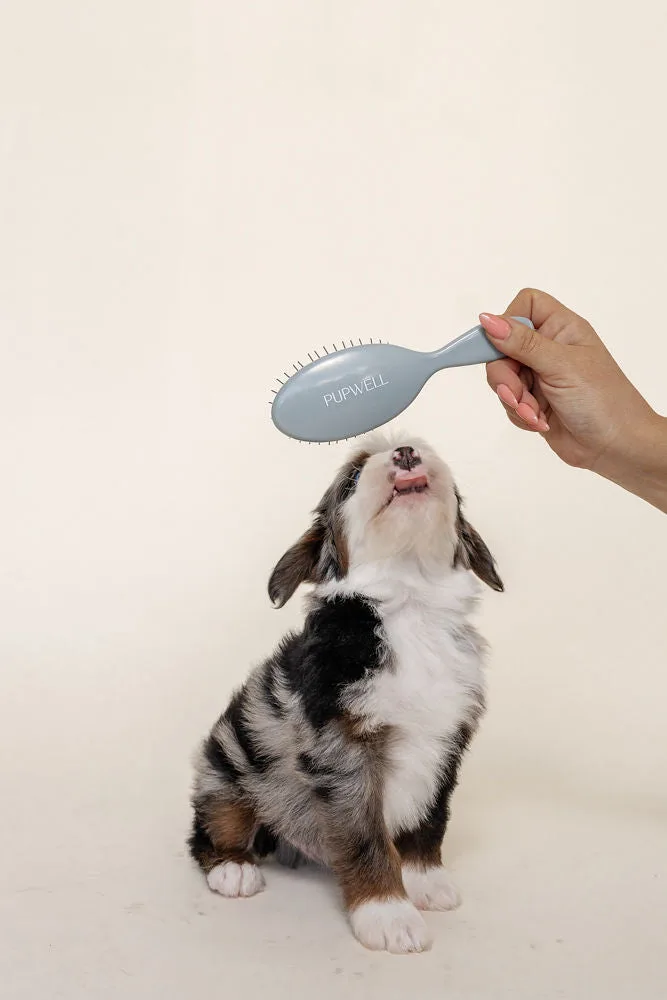
mini gentle detangling brush
Also have a non-slip mat for the bath, dog-specific shampoo, and a soft towel. Avoid human shampoo, which can irritate a puppy's skin. Having everything within reach means you won't have to step away mid-groom, which can make your puppy anxious.
- Choose a quiet time when your puppy is relaxed, not right after a meal or play session.
Start with Brushing
Brushing is the foundation of puppy grooming. It removes loose fur, prevents tangles, and distributes natural oils. Use a gentle brush and work in the direction of hair growth. Start with short sessions—just a few minutes—and praise your puppy throughout.
A common mistake is brushing too hard or using a brush meant for adult dogs. Puppies have sensitive skin, so a soft, gentle brush is essential. The mini gentle detangling brush in the Puppy Grooming Kit is designed for puppy coats, making it easier to work through small tangles without pulling.
If you hit a mat, don't yank. Hold the fur above the mat and gently work it apart with your fingers or the brush. If a mat is too tight, it's safer to trim it with safety shears, but leave that to a professional if you're unsure.
- Brush your puppy every day for the first few weeks to help them get used to the sensation.
Bathe with Care
Puppies don't need frequent baths—once every two to four weeks is usually enough, unless they get dirty. Use lukewarm water and a dog-specific shampoo. Wet your puppy thoroughly, avoiding the face, and lather gently. Rinse completely to prevent skin irritation.
A common mistake is using water that's too hot or too cold, which can make your puppy uncomfortable. Also, avoid getting water in their ears. Use a washcloth to clean around the face instead of splashing.
After rinsing, wrap your puppy in a warm towel and dry them gently. If your puppy has long hair, you may need to blow-dry on a low, cool setting, but many puppies find the noise scary. Start with a towel and let them air-dry in a warm room if they're nervous.
- Place a non-slip mat in the tub to help your puppy feel secure.
Trim Nails Safely
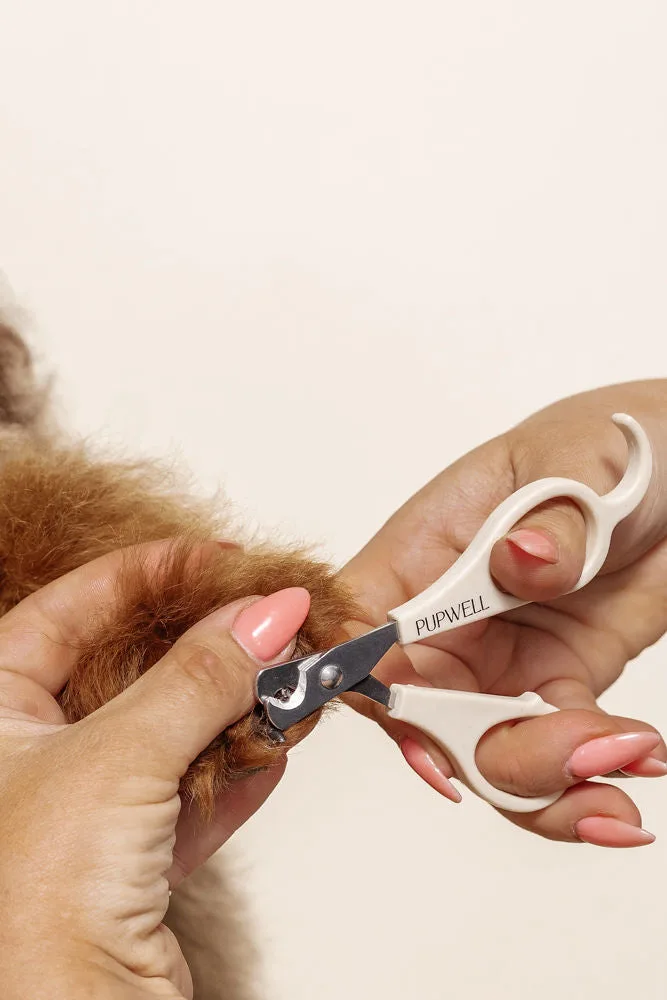
Nail trimming is often the most intimidating part of puppy grooming. The key is to go slow and use proper tools. The mini nail clippers in the Puppy Grooming Kit are sized for puppy nails, giving you more control.
Hold your puppy's paw gently and clip a tiny bit off the tip of each nail. Avoid the quick—the pink part of the nail that contains blood vessels. If you're unsure, trim less than you think you need. If you accidentally cut the quick, apply styptic powder to stop the bleeding.
A common mistake is trying to trim all nails in one sitting. If your puppy gets restless, stop and try again later. Positive reinforcement with treats can make nail trims less stressful over time.
- Have treats ready and reward your puppy after each nail trim to build a positive association.
Clean Ears and Teeth
Ear cleaning is often overlooked but important. Use a vet-approved ear cleaner and a cotton ball to wipe the outer ear. Never insert anything into the ear canal. If you notice redness, odor, or excessive wax, consult your vet.
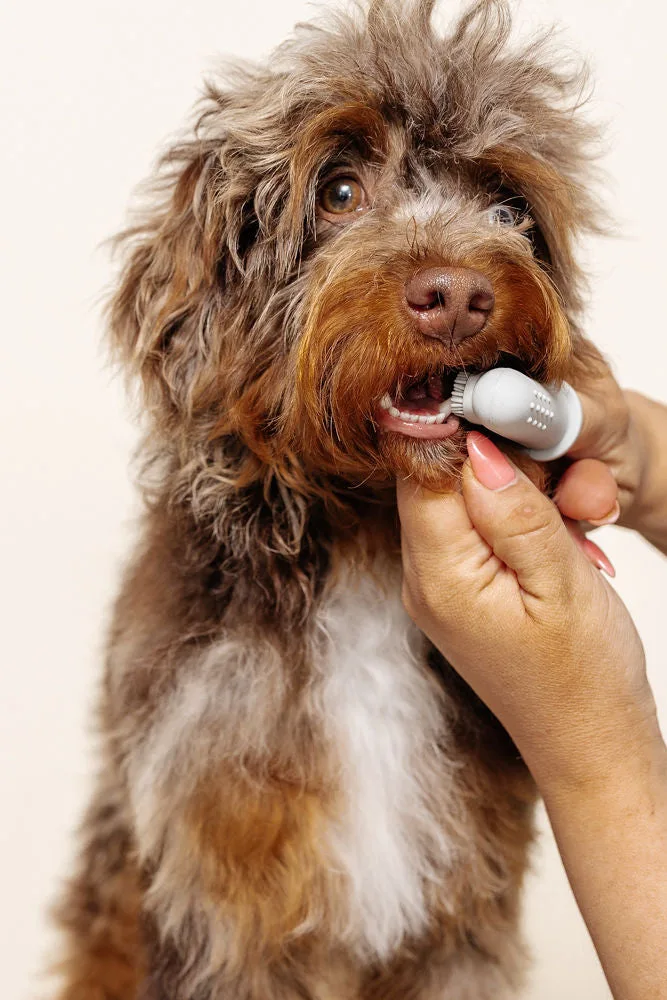
Dental care is equally important. Start brushing your puppy's teeth early to prevent plaque and dental issues. Use a finger toothbrush or a small, soft-bristled brush. The Puppy Breath Toothbrush from Pupwell is made from food-grade silicone and is free from BPA and phthalates, making it safe for daily use.
A common mistake is skipping dental care because puppies lose their baby teeth. However, starting early helps your puppy accept tooth brushing as a routine, making it easier to maintain oral health as they grow.
- Aim to brush your puppy's teeth daily, even if it's just for a minute.
Make It a Positive Experience
The most important part of puppy grooming is creating a positive association. Use treats, praise, and a calm voice throughout. Keep sessions short—5 to 10 minutes is ideal for a puppy. Gradually increase the time as your puppy becomes more comfortable.
If your puppy shows fear or stress, stop and try again later. Forcing grooming can make future sessions harder. The goal is to build trust and make grooming a normal, pleasant part of their routine.
Socializing your puppy to grooming early can prevent fear and stress in the future. The Puppy Grooming Kit includes a step-by-step guide that covers socialization and fear prevention, which can be a valuable resource for new puppy parents.
- End every grooming session with a treat and playtime so your puppy looks forward to the next one.
Your Puppy Grooming Routine: Step-by-Step
- Step 1: Brush: Gently brush your puppy's coat with a soft brush, working in the direction of hair growth. Start with short sessions and praise your puppy. Checkpoint: Your puppy should be relaxed. If they squirm, take a break and try again later.
- Step 2: Bathe: Use lukewarm water and dog-specific shampoo. Rinse thoroughly and dry with a towel or low-heat blow dryer if your puppy tolerates it. Checkpoint: No shampoo residue should remain—this can cause itching.
- Step 3: Trim Nails: Clip a tiny bit off each nail, avoiding the quick. Use puppy-sized clippers for control. Checkpoint: If you see pink, stop—you're too close to the quick.
- Step 4: Clean Ears and Teeth: Wipe ears with a cotton ball and vet-approved cleaner. Brush teeth with a finger toothbrush or soft brush. Checkpoint: No redness or odor in ears; teeth should be free of visible plaque.
- Step 5: Reward: End with a treat and playtime to create a positive association. Checkpoint: Your puppy should look forward to grooming next time.
Tools That Help
- Puppy Grooming Kit: Includes 5 tools ($89 value): Mini Gentle Detangling Brush, Mini Safety Shears, Mini Nail Clippers, and more. Designed for new puppy parents with step-by-step guidance. Everything you need for safe, gentle grooming at home is in one kit, so you don't have to guess which tools are appropriate for a puppy.
- Puppy Breath Toothbrush (wholesale): Made from food-grade silicone, 100% free from BPAs, BPSs, PVCs and other phthalates. Use daily with or without toothpaste to prevent plaque build-up. Starting dental care early with a safe, gentle toothbrush helps prevent costly dental issues and gets your puppy used to the routine.
Grooming your puppy at home doesn't have to be stressful. With the right tools, a calm approach, and a consistent routine, you can keep your pup clean and comfortable while building a stronger bond. Start slow, be patient, and always prioritize your puppy's comfort. For a complete starter kit, consider the Puppy Grooming Kit, which includes everything you need for a positive first grooming experience.