Quick answer
Hand wash bras in cool water with a gentle detergent, soak for 5-10 minutes, then press the suds through the cups instead of scrubbing. Rinse in cool water, gently squeeze out excess water, reshape the cups, and dry flat or over a drying rack away from direct heat. Skip the dryer, skip hot water, and never wring a bra out.
A bra that fits well is worth protecting. Heat, agitation, and harsh detergent break down elastic and distort underwire, which is why hand washing is the safest way to keep your bras in shape for longer. The good news is that it takes about ten minutes and doesn't require special equipment.
This guide walks through a simple hand washing routine you can use on lace, mesh, and underwire styles, with checkpoints for the mistakes that cause most damage. It also covers which bras need extra care and how to dry them so they keep their fit.
Before you start: sort and prep
Separate your bras from anything with hooks, zippers, or rough textures. A bra hook can snag delicate lace or mesh in the same wash basin, so keep bras together or wash them one at a time. Check the care label first, especially on embroidered or embellished styles, because some trims need spot cleaning rather than a full soak.
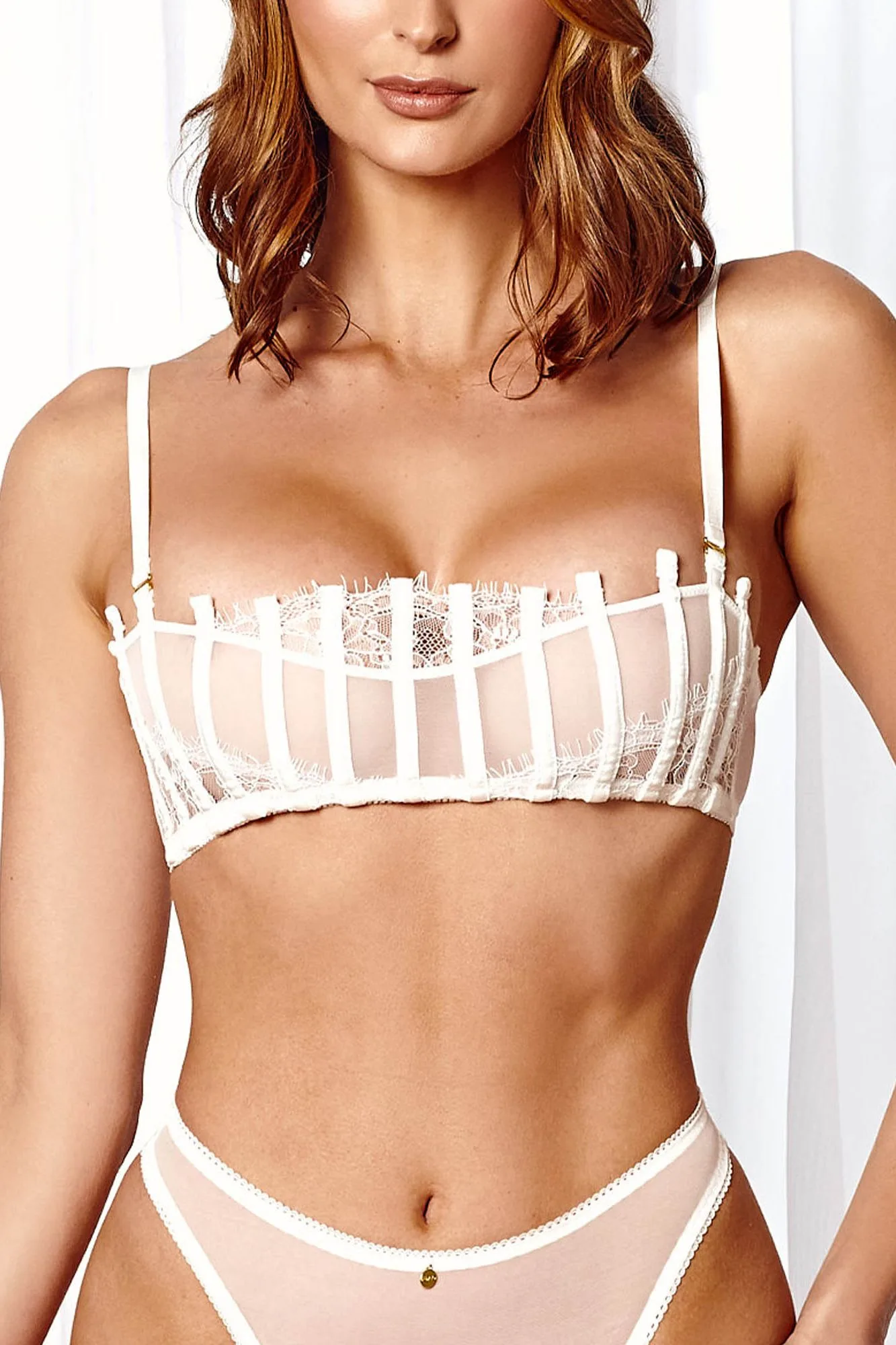
Fasten the hook-and-eye closure before washing. This keeps the hooks from catching on lace and helps the band hold its shape. If your bra has removable straps, like the Elodie Bandeau Bra, take them off first so they don't twist or stretch during washing.
- Fasten hooks before washing to prevent snags.
- Remove removable straps and pads before soaking.
- Check the care label on embroidered or embellished bras.
Fill the basin with cool water and gentle detergent
Use cool or lukewarm water, never hot. Hot water relaxes elastic fibres and can cause colours to bleed, especially on deeper shades like red or purple. Add a small amount of gentle detergent made for delicates, or a mild liquid soap without bleach or heavy perfumes. Swirl it through the water before adding the bra.
If you're washing more than one bra, make sure there's enough water for them to move freely. Crowding the basin means more friction between garments, which is one of the main causes of pilling and stretched lace.
- Cool water protects elastic and colour.
- Use a detergent made for delicates, not regular laundry powder.
- Leave room in the basin so bras aren't rubbing against each other.
Soak, then press the suds through the cups
Let the bra soak for five to ten minutes. Then, instead of scrubbing, gently press the suds through the cups and band with your hands. Pay attention to the areas that collect body oils: the band, the underarm edges, and the area under the underwire. For underwire bras, use your fingertips to work suds along the wire channel without bending the wire.
If you're hand washing an underwire bra, never twist or fold the cups. The wire can kink, and once it's bent it will poke through the channel or sit unevenly against your ribs. Treat the cup as a fixed shape you're cleaning around, not something to squeeze.
- Soak for 5-10 minutes, no longer.
- Press suds through the fabric rather than rubbing it.
- Never bend or fold underwire cups.
Rinse in cool water until it runs clear
Drain the soapy water and refill the basin with cool water. Gently press the bra under the water to rinse out detergent, then drain and repeat until the water stays clear. Detergent residue left in the fabric can irritate skin and dull lace over time, so don't rush this step.
If your bra has a lot of foam or padding, rinse a little longer. Foam holds soap more than lace or mesh, and trapped detergent can leave a stiff feeling once the bra dries.
- Rinse until the water runs clear, not just once.
- Give padded or foam-lined bras an extra rinse.
- Don't hold the bra under a running tap, which can stretch the band.
Remove excess water without wringing
Lift the bra out of the water and gently squeeze the cups and band together with both hands. Then lay it on a clean, dry towel, roll the towel up, and press down to absorb the remaining water. This is the safest way to remove moisture without distorting the shape.
Never wring, twist, or hang a wet bra by its straps. Wet fabric is heavier and more fragile, and hanging by the straps can stretch them out permanently. If you're in a hurry, press the bra between two towels rather than reaching for the dryer.
- Roll in a towel and press to remove water.
- Never wring or twist a wet bra.
- Don't hang a wet bra by its straps.
Dry flat or over a rack, away from heat
Reshape the cups with your hands and lay the bra flat on a drying rack, or drape it over a rack bar so air can circulate. Keep it out of direct sunlight and away from radiators, heaters, or hair dryers. Heat breaks down elastic and can warp underwire over time.
If you're drying a bandeau or wireless style, lay it flat rather than hanging it, since these styles can lose their shape when stretched by their own weight. A bra that dries flat will keep its fit far longer than one that spends time in a hot dryer.
- Reshape cups before drying.
- Dry flat or over a rack, never in direct heat.
- Allow 12-24 hours for a full dry, depending on fabric.
Your hand washing routine, step by step
- 1. Fasten hooks and remove straps: Close the hook-and-eye closure and detach any removable straps before the bra touches water. Checkpoint: hooks closed, straps off, care label checked.
- 2. Fill a basin with cool water and gentle detergent: Use cool or lukewarm water and a small amount of detergent made for delicates. Swirl before adding the bra. Mistake to avoid: hot water and regular laundry powder.
- 3. Soak for 5-10 minutes: Let the bra sit in the water so detergent can lift body oils from the band and underarm edges. Checkpoint: no longer than 10 minutes, or colours and elastic suffer.
- 4. Press suds through the cups and band: Use your hands to gently press suds through the fabric, focusing on the band and under the underwire. Mistake to avoid: scrubbing, twisting, or folding the cups.
- 5. Rinse in cool water until clear: Drain, refill with cool water, and press the bra gently until no soap remains. Repeat if needed. Checkpoint: rinse water stays clear, especially on padded styles.
- 6. Remove water with a towel, not a wring: Lay the bra on a towel, roll it up, and press down to absorb moisture. Reshape the cups by hand. Mistake to avoid: wringing, twisting, or hanging by the straps.
- 7. Dry flat away from heat: Lay the bra flat on a rack or drape it over a bar, out of direct sun and away from heaters or dryers. Checkpoint: fully dry before wearing, usually 12-24 hours.
Bras that benefit most from hand washing
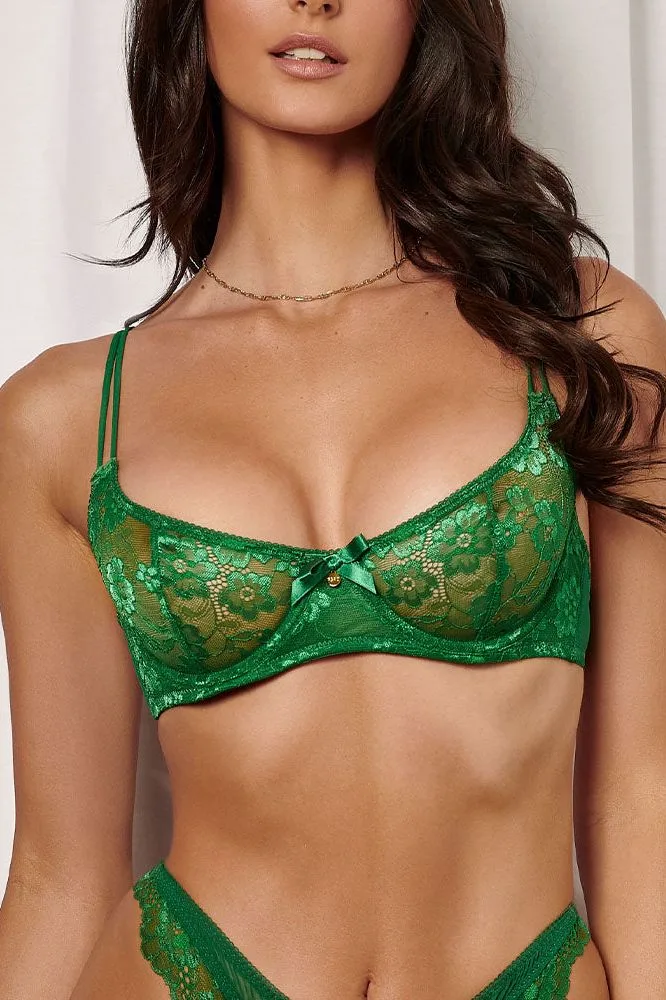
- Sophie Bra Green: Wired cups with a scoop neckline, double shoulder straps, and a single hook closure. The underwire and double strap detail are the parts most likely to distort in a machine, so hand washing helps the wire keep its curve and the straps keep their shape.
- Elodie Bra White: Wireless bandeau bra with boning for support, removable shoulder straps, and eyelash lace. Removable straps should come off before washing, and the wireless boning holds its shape best when the bra is pressed clean and dried flat rather than wrung out.
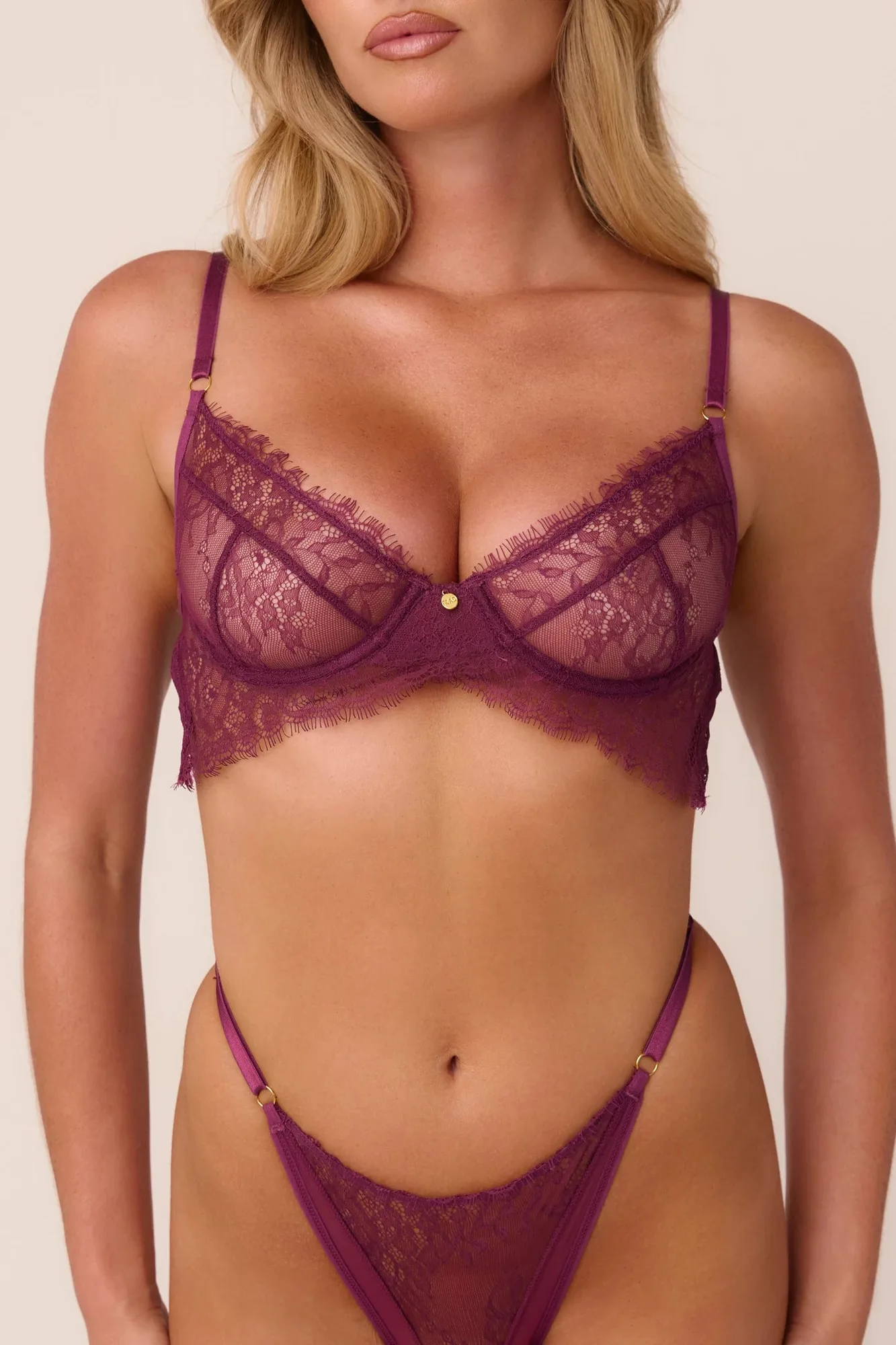
- Nadia Bra Purple: Underwire bra with extra stitching on the side bust for a longline finish and eyelash chantilly lace. The longline design has more fabric and stitching to protect, so a gentle soak and flat drying keep the side panels from stretching or curling.
Hand washing bras takes a few extra minutes, but it's the simplest way to protect underwire, lace, and elastic so your bras keep their fit. Follow the steps above, skip the dryer, and your favourite styles will last far longer.