Quick answer
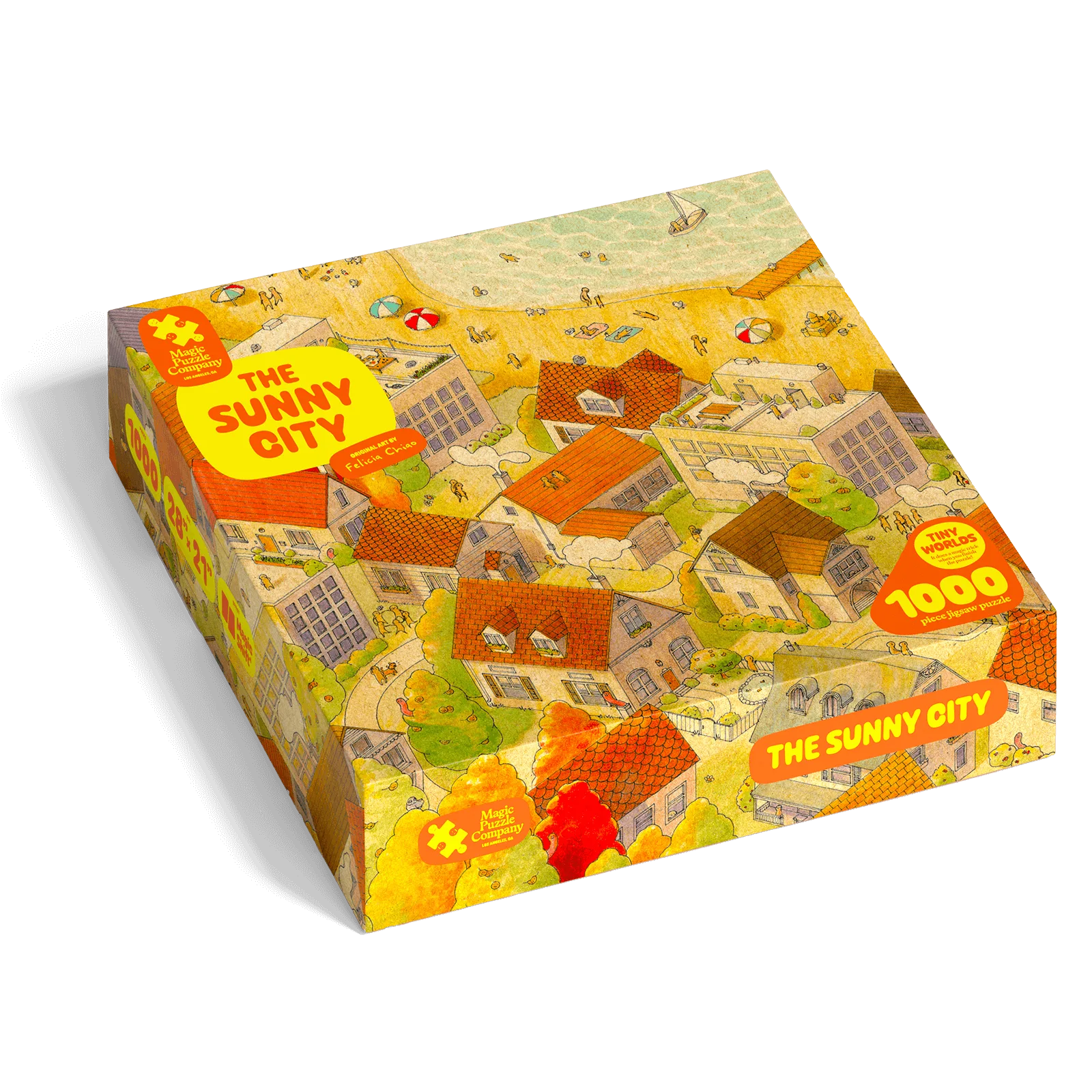
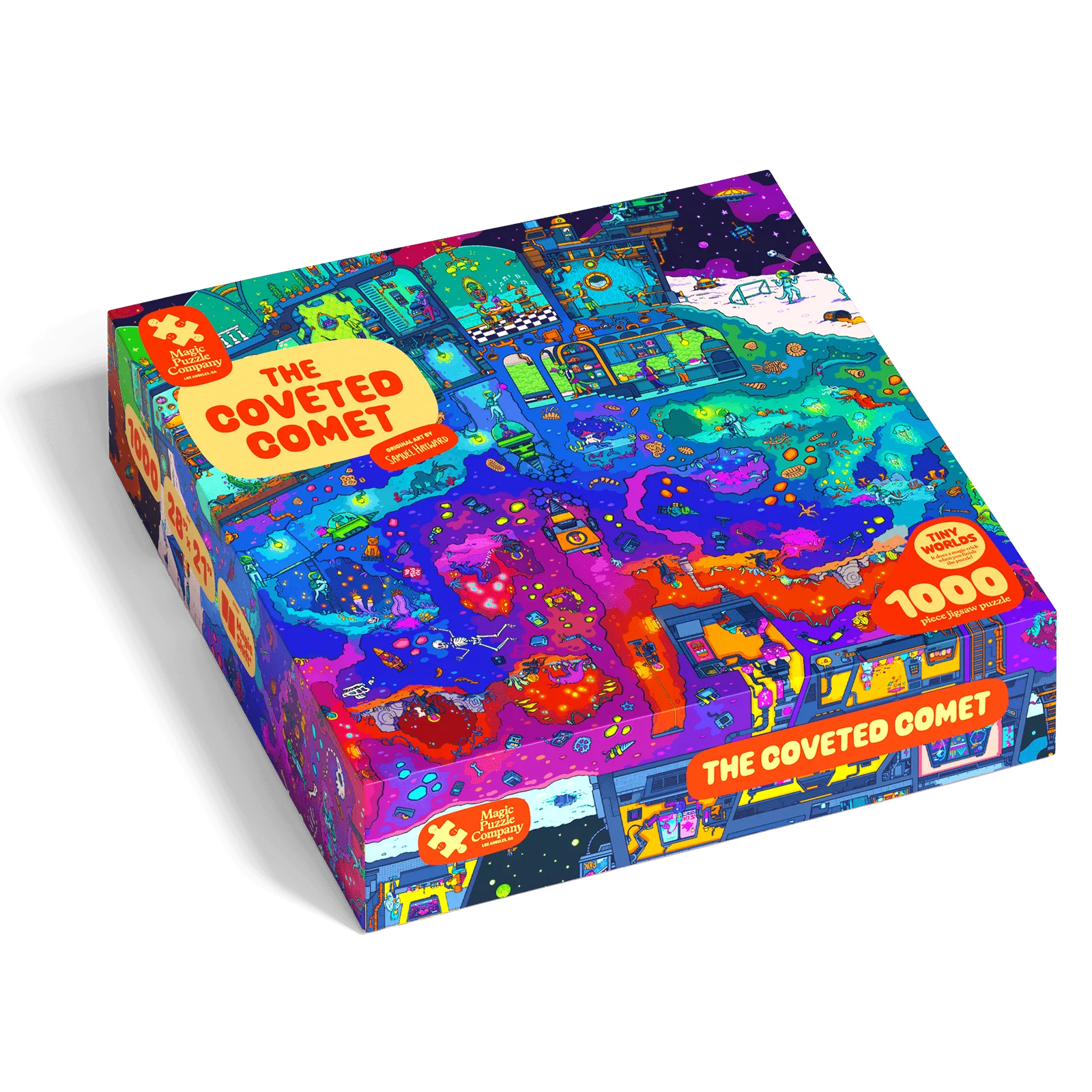
Host a magic puzzle night by setting a fixed run of show, giving each table one puzzle and one clear goal, and building in a reveal moment at the end. Pick puzzles with distinct art and a shared difficulty so no table finishes far ahead or falls far behind. The Sunny City works well as a welcoming centerpiece, while The Coveted Comet suits groups that want a twist.
Set the guest list and table count before you buy anything
Decide how many tables you can seat comfortably, then cap invitations to match. A table of three to five people keeps everyone's hands on pieces without crowding the border. If you expect a mixed-experience crowd, pair a first-timer with someone who has solved a Magic Puzzle before so the table does not stall on the first edge pass.
- One puzzle per table; do not split a single puzzle across two tables.
- Keep a spare table open for snacks and drinks so cups never sit on puzzle pieces.
- Ask guests to arrive within a 15-minute window so all tables start together.
Choose puzzles that match the room, not just the theme
Series 1 puzzles share a hand-illustrated city-and-isles look, which reads as cohesive when several tables are working at once. Series 5 introduces different mechanics, including an ambidirectional solve and conjoined whimsy pieces, so it rewards groups that want a puzzle with a built-in surprise. If you are buying for a larger party, a bundle is the simplest way to get three puzzles with related art direction at a lower per-puzzle cost.
- For a calm, social table: choose a Series 1 puzzle such as The Sunny City.
- For a table that wants a twist: choose The Coveted Comet from Series 5.
- For three tables at once: a bundle keeps art styles related and simplifies shopping.
Run the night in timed blocks so momentum holds
A puzzle night fails when it drifts. Give the room a start time, a mid-point check, and a hard stop for the reveal. Announce the check at the halfway mark so tables can compare progress and trade tips. If a table is far behind, let them keep the puzzle assembled and finish later rather than rushing the ending, which is usually the part guests remember.
- First 20 minutes: sort edges and separate by color or pattern.
- Middle block: build inward, one section at a time.
- Final block: complete the border and prepare for the reveal.
Protect the puzzle and the table
Use a felt mat or a large board so a half-finished puzzle can be moved without scattering pieces. Keep drinks on a separate surface and use lidded cups if the room is crowded. If you plan to frame the finished puzzle later, avoid folding or stacking sections and keep the box nearby for reference.
- A board with a raised edge stops pieces from sliding off.
- Good overhead light beats table lamps that cast shadows across the middle.
- A small tray for loose pieces keeps the border area clear.
Your puzzle night run of show
- 1. Confirm tables, guests, and puzzle count: Match one puzzle to each table and cap the guest list to the seats you actually have. Write the table assignments down before the night so no one is left circling the room. Checkpoint: if you have more guests than tables, add a second puzzle to a table rather than squeezing in a sixth chair.
- 2. Set up tables before anyone arrives: Place a board or felt mat at each seat, put the box lid where everyone can see it, and move drinks to a separate surface. Set overhead lighting so the middle of the table is as bright as the edges. Common mistake: leaving the reference image face-down. Guests need it visible from the first minute.
- 3. Open with a two-minute briefing: Explain the goal, the halfway check, and the reveal at the end. Tell guests to sort edges first, then build by color or pattern. If a table has a first-timer, name the person they should ask for help. Checkpoint: everyone should know what happens when the puzzle is finished.
- 4. Run the first build block: Give the room 30 to 40 minutes of uninterrupted building. Circulate as host but do not solve for anyone. Refill drinks and clear empty cups so the table stays usable. Common mistake: hovering at one table. Spread your attention or the other tables stall.
- 5. Call the halfway check: Pause the room, ask each table what is working, and let them trade one tip with another table. If a table is stuck, suggest sorting by pattern rather than color, or rebuilding the border in sections. Checkpoint: every table should have a next section identified before you restart.
- 6. Finish with the reveal: Once a table completes the border, gather the room for the final piece and the reveal. Take a photo before anyone packs up, and give the table a moment to enjoy the finished image. Common mistake: rushing the reveal to start cleanup. The reveal is the payoff for the whole night.
- 7. Decide what happens to the finished puzzle: Ask each table whether they want to frame, store, or disassemble their puzzle. If they plan to keep it assembled, move it to the board and slide it somewhere flat before guests leave. Next step: label the box with the date and table so you can track which puzzles your group has already solved.
Puzzles that work well for a hosted puzzle night
- The Sunny City: The Sunny City is a Series 1 puzzle with hand-illustrated scenes and a sunny secret to reveal. Its readable, illustrated scenes give a mixed group plenty of distinct sections to sort, which keeps a first table moving without extra guidance.
- The Coveted Comet: The Coveted Comet is a Series 5 puzzle described as ambidirectional, solvable rightside-up or upside-down, and it introduces conjoined whimsy pieces. The two-way solve and paired pieces give an experienced table a genuine twist, so it suits guests who have already solved a Magic Puzzle and want something less predictable.
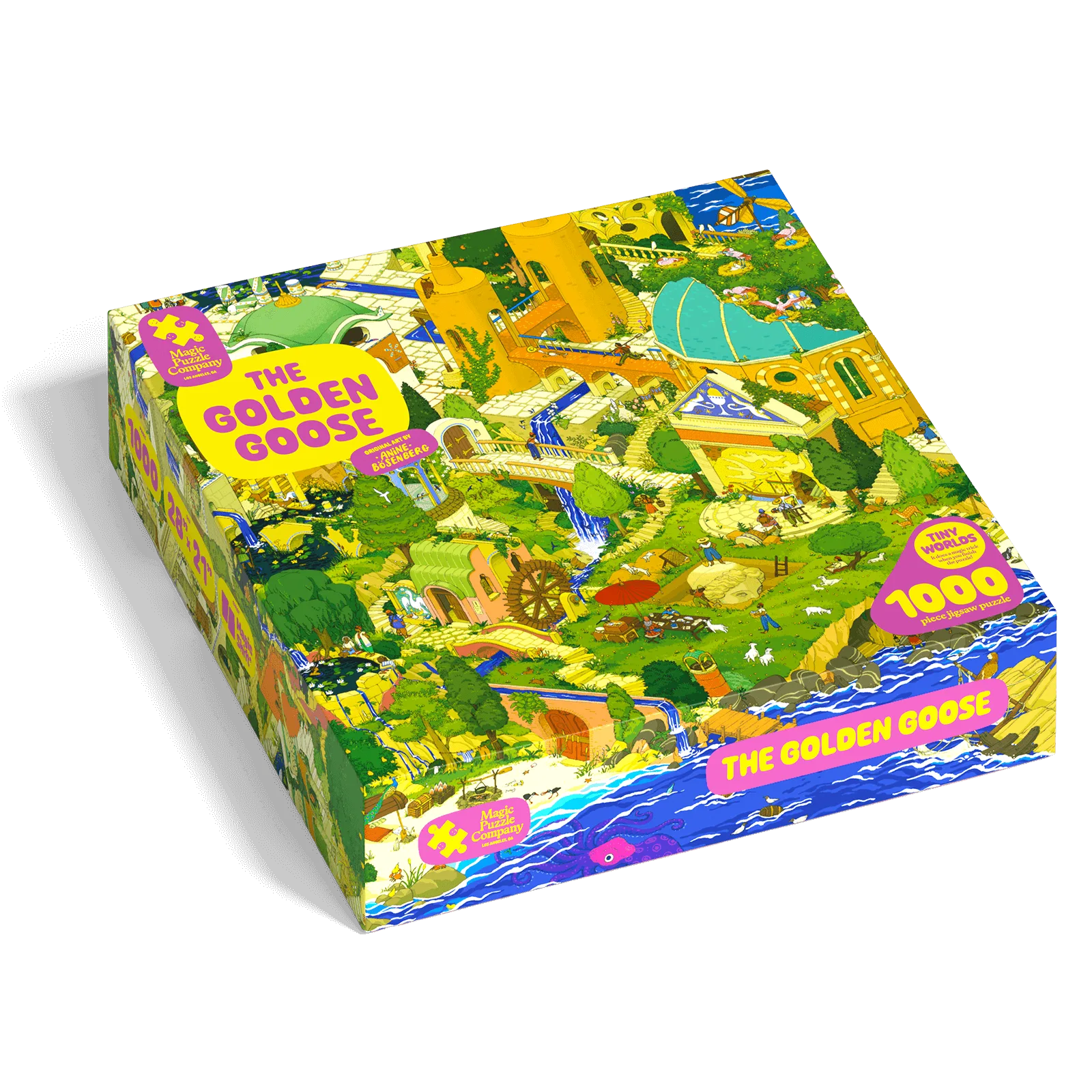
- Series 5 Bundle: The Series 5 Bundle includes The Drippy Trip, The Golden Goose, and The Coveted Comet. Three puzzles in one purchase lets you seat three tables with related Series 5 art direction instead of sourcing each puzzle separately.