Quick Answer
To host a successful detective game night, start by selecting a game that matches your group's experience and preferences, then prepare the space to enhance immersion. Follow a structured schedule that includes a clear rules explanation, dedicated play time, and a debrief to keep everyone engaged from start to finish.
Hosting a detective game night is a fantastic way to bring friends together for an evening of mystery and deduction. Whether you're a seasoned host or new to the genre, the key is to plan ahead so that everything runs smoothly and everyone has a great time.
This guide walks you through the essential steps, from choosing the right game to managing the flow of the evening. You'll also find practical tips to avoid common pitfalls and ensure your detective party is a hit.
Choosing the Right Game for Your Group
The first step is to pick a mystery game that fits your group's size, experience, and interests. For a true detective experience, consider games that emphasize narrative and deduction. If your group is new to the genre, start with something approachable. For example, 'Hostage Negotiator' offers a solo or cooperative experience where players take on the role of a law enforcement agent, which can be a great introduction to tension-filled decision-making without overwhelming rules.
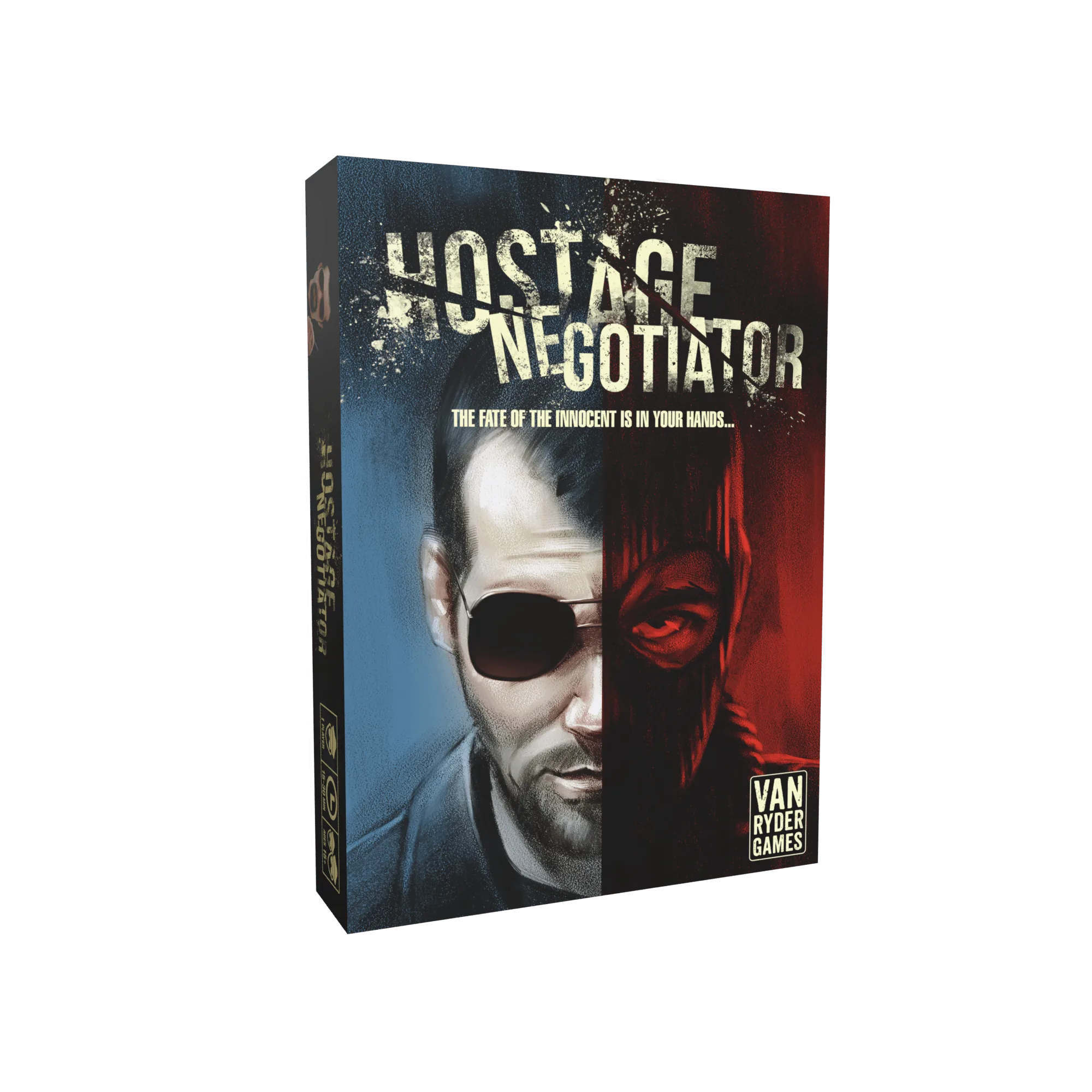
Hostage Negotiator
If you have a larger group, look for games that support more players or consider teaming up. Some detective games are designed for 1-4 players, so you may need to split into smaller groups or take turns. Always check the player count and complexity level before the event to avoid disappointment.
- Consider the group's experience: beginners may prefer simpler games, while veterans might enjoy complex mysteries.
Setting the Scene for Immersion
Creating the right atmosphere can make your detective game night unforgettable. Dim the lights, use candles or lamps, and play background music that fits the theme—think noir jazz or suspenseful scores. You can also encourage guests to dress in character or provide simple props like magnifying glasses or detective hats.
Make sure the playing area is comfortable and free from distractions. A large table with enough space for all components is essential. If you're using a game like 'Hostage Negotiator', which involves a lot of card management, ensure there's room for each player's cards and tokens. Clear the area of unrelated clutter to help everyone stay focused on the mystery.
- Prepare a playlist ahead of time to avoid interruptions during the game.
Explaining the Rules Clearly
Before diving into the game, take time to explain the rules in a clear and concise manner. If you're not the most experienced player, consider watching a tutorial video or reading the rulebook beforehand. For complex games, you might send a rules summary to guests in advance so they can familiarize themselves.
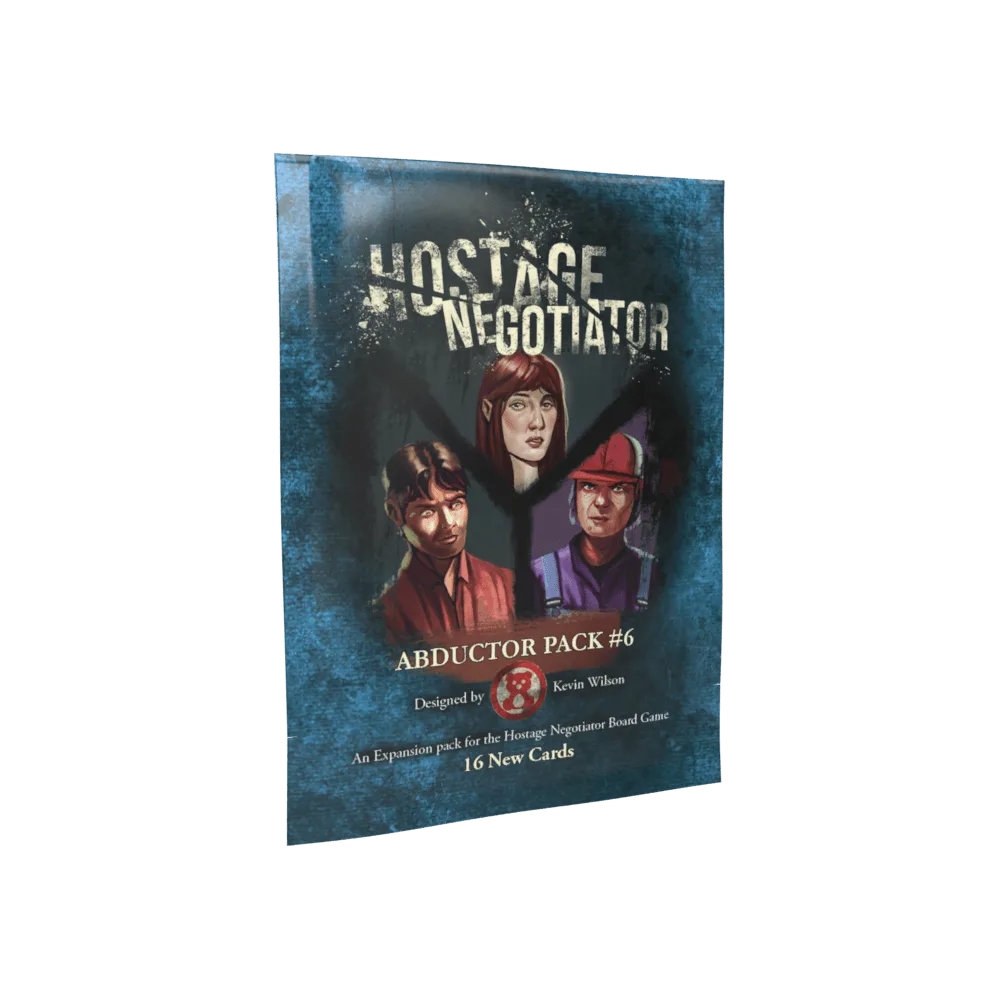
During the explanation, use examples to illustrate key mechanics. For instance, in 'Hostage Negotiator', you'll be making choices that affect the abductor's mood and the hostages' safety. Demonstrate how the 'Decide' mechanic works, as seen in the 'Hostage Negotiator: Abductor Pack #2', where you face two abductors at once and must weigh your options carefully. This hands-on approach helps players grasp the game faster.

Hostage Negotiator: Abductor Pack #2
- Keep the rules explanation to 10-15 minutes to maintain momentum.
Managing the Game Flow
As the host, you'll also act as the game master or facilitator. Keep the game moving by gently reminding players of the objective and time limits. If players get stuck, offer subtle hints rather than giving away solutions. This keeps the challenge alive without causing frustration.
For games with multiple phases, like negotiation or deduction, announce transitions clearly. If you're playing 'Hostage Negotiator', you might set a timer for each conversation round to simulate the pressure of a real crisis. This not only adds excitement but also ensures the game doesn't drag on.
- Use a timer to keep each round within a set time, especially for tense moments.
Handling Group Dynamics and Conflicts
Detective games often involve discussion and debate, which can sometimes lead to disagreements. As the host, it's your job to keep the atmosphere positive. Encourage players to share their theories but remind them that it's all in good fun. If a conflict arises, step in to mediate and redirect the focus to the game.
Be mindful of players who may feel left out or overwhelmed. Pair experienced players with newcomers to balance the group. For games that require individual decision-making, like 'Hostage Negotiator', ensure everyone has a chance to voice their opinion before a group decision is made.
- Establish a 'no spoilers' rule if playing a game with multiple scenarios.
Wrapping Up and Debriefing
After the game concludes, take time to discuss the experience. Ask questions like 'What was your favorite moment?' or 'Did you figure out the mystery early?' This not only extends the fun but also helps you learn what to improve for next time.
Consider having a small prize for the best detective or the most creative theory. It adds a fun competitive element and gives players a memorable keepsake. Finally, thank everyone for coming and suggest ideas for the next detective game night, perhaps with a different scenario or expansion pack.
- Capture a group photo to commemorate the event.
Step-by-Step Hosting Checklist
- Select your mystery game: Choose a game that fits your group's size and experience. For solo-friendly options, consider Hostage Negotiator or its expansions. Check the player count and complexity before the event.
- Prepare the atmosphere: Set up lighting, music, and any props to enhance immersion. Clear the table and arrange seating for comfort. A themed playlist can set the mood without extra effort.
- Explain the rules: Give a clear, concise overview of the rules and objectives. Use examples to illustrate key mechanics. Keep it under 15 minutes to maintain energy.
- Facilitate the game: Keep the game moving, offer hints when needed, and manage time limits to maintain tension. A timer can add excitement to negotiation phases.
- Debrief and celebrate: Discuss the game, share highlights, and thank your guests. Consider a small prize for the best detective. End on a positive note to encourage future game nights.
Products That Enhance Your Detective Game Night
- Hostage Negotiator: In Hostage Negotiator, you play the part of a law enforcement agent responsible for negotiating the release of hostages. It's a solo or cooperative game that puts you in the hot seat. Perfect for a detective game night focused on decision-making and tension, this game is easy to learn and can be played by a group taking turns or collaborating.
- Hostage Negotiator: Abductor Pack #2: The Pedersen Twins are trapped in a Port Authority office building after the feds were informed of their latest smuggling operation. They've taken hostages, and now it's up to you to talk them out of making things worse. While facing off with TWO abductors at once, the new 'Decide' mechanic will have you weighing your options carefully. This expansion adds a fresh challenge for returning players, introducing a unique mechanic that heightens the strategic depth of your detective game night.
Hosting a detective game night is all about preparation and creating an engaging experience. By following these steps, you'll ensure a memorable evening filled with mystery and fun. So gather your friends, pick a game, and let the detective work begin!