Quick Answer
To incorporate science games into your homeschool curriculum, start by identifying learning objectives, choose games that align with your child's age and interests, schedule regular game time, and use games as a supplement to hands-on activities. This approach makes complex topics like biology and chemistry accessible and fun.
Homeschooling offers the flexibility to tailor education to your child's needs, and incorporating science games can transform textbook lessons into interactive adventures. Whether you're exploring ecosystems, cell biology, or genetics, games provide a hands-on way to reinforce concepts and spark curiosity.
Science games aren't just about play; they're strategic tools that can deepen understanding, improve retention, and develop critical thinking. By integrating them thoughtfully into your curriculum, you can create a dynamic learning environment that your kids will look forward to each day.
Why Use Science Games in Homeschooling?
Science games offer a unique blend of education and entertainment, making them ideal for homeschool settings. They encourage active participation, which helps children grasp abstract concepts like food chains or cell functions more concretely. Games also promote problem-solving and strategic thinking, skills that are essential in STEM fields.
Moreover, games can cater to different learning styles. Visual learners benefit from colorful game components, while kinesthetic learners enjoy manipulating pieces. By incorporating games, you can address various preferences and keep your child engaged, reducing the monotony of traditional worksheets.
- Games make learning fun and reduce resistance to challenging topics.
- They provide immediate feedback, helping kids understand mistakes and correct them in real-time.
- Playing together fosters communication and teamwork, valuable social skills.
Choosing the Right Science Games for Your Curriculum
Selecting the right games depends on your child's age, interests, and the subjects you're covering. For younger kids (8+), card games like Ecosystem: Coral Reef introduce marine biology and food chains in a simple, quick format. For older students, more complex board games like Cytosis delve into cell biology and require strategic resource management.
Consider the game's mechanics and how they align with your teaching goals. Worker placement games like Genotype teach genetics and Punnett squares, while bidding games like Virulence explain virus structure and replication. Matching the game's complexity to your child's cognitive level ensures it's challenging yet not frustrating.
- Check the recommended age and player count to ensure it fits your family.
- Read reviews or watch gameplay videos to understand the learning potential.
- Look for games that are science-accurate, endorsed by experts, or award-winning for quality assurance.
Integrating Games into Your Lesson Plans
To maximize educational value, align games with your current curriculum topics. If you're teaching marine biology, use Ecosystem: Coral Reef to illustrate habitat relationships. After playing, discuss the science concepts and connect them to textbook chapters or experiments.
Create a structured approach: introduce the topic, play the game, then follow up with a discussion or project. This reinforces learning and ensures that game time is purposeful. You can also use games as a reward or a change of pace, but always tie them back to learning objectives.
- Schedule game sessions after introducing core concepts to reinforce learning.
- Use games as a springboard for further research or creative projects.
- Keep a log of games played and topics covered to track progress.
Step-by-Step Guide to Adding Science Games to Your Homeschool
- Assess Your Curriculum Needs: Review your current science curriculum and identify topics that could benefit from interactive learning. List concepts your child struggles with or shows interest in. Checkpoint: Have a clear list of topics that need reinforcement before choosing games.
- Research and Select Appropriate Games: Look for games that align with your identified topics and your child's age. Consider factors like complexity, playtime, and number of players. Read reviews and check for science accuracy. Avoid choosing games that are too complex for your child's age, as this can lead to frustration.
- Plan Game Sessions Around Lessons: Integrate games into your lesson plans by scheduling them after introducing core concepts. For example, play a genetics game after teaching Punnett squares. Checkpoint: Ensure each game session has a clear learning objective and is not just a filler activity.
- Facilitate Discussion and Reflection: After playing, engage your child in a discussion about what they learned. Ask open-ended questions and connect game experiences to real-world examples. Avoid moving on without debriefing; reflection solidifies learning.
- Rotate Games to Maintain Interest: Keep a variety of games and rotate them to prevent boredom. Introduce new games gradually and revisit favorites to reinforce concepts. Checkpoint: Monitor your child's engagement and adjust the rotation to keep learning fresh.
Recommended Science Games for Homeschool
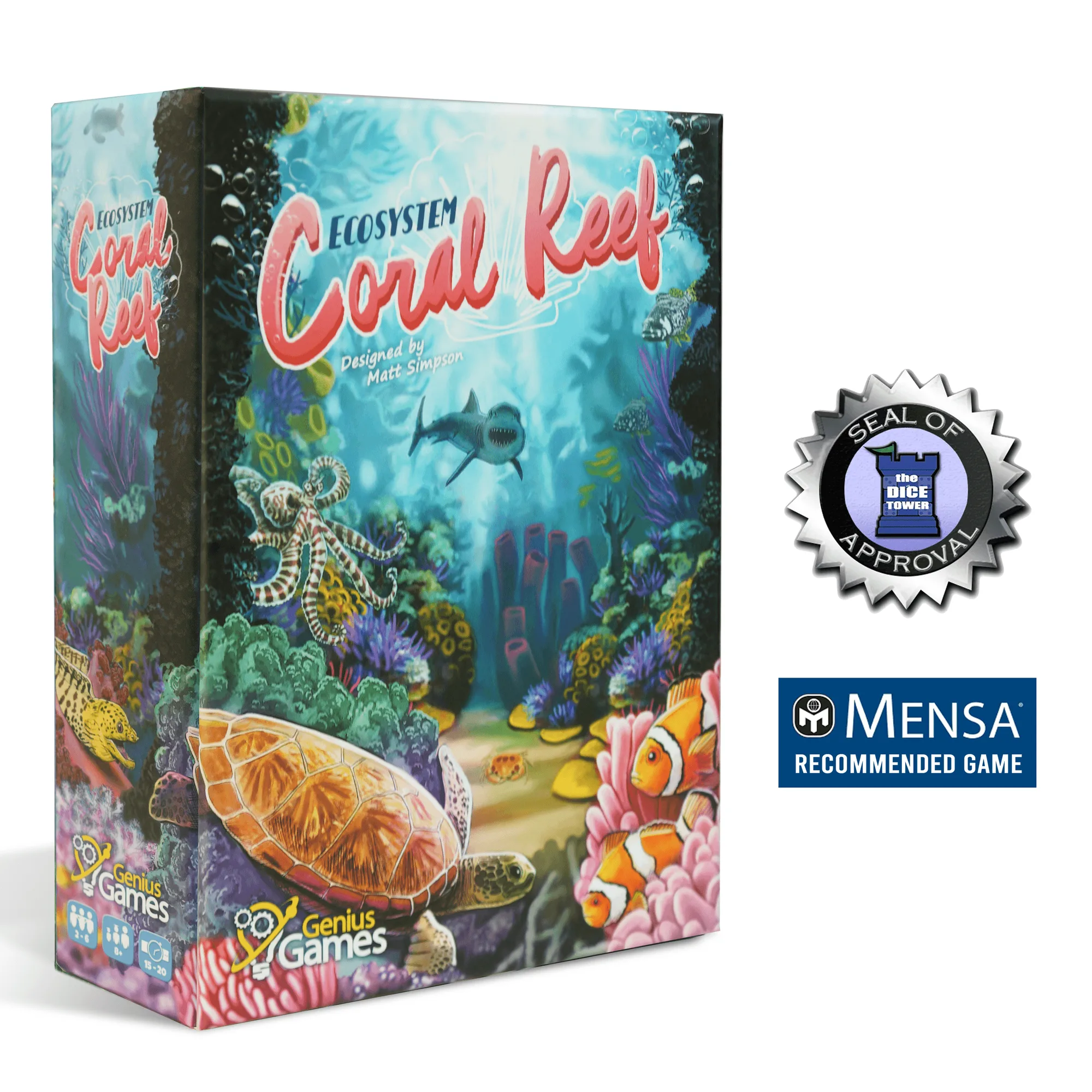
- Ecosystem: Coral Reef | 2023 MENSA Recommended Game | Dice Tower Seal of Approval | Family Card Game: This Family Card Game is about Aquatic Animals, Their Habitats, Marine Biology & Food Chain. It is a card-drafting, tableau-building, pick-and-pass game for ages 8+ and 2-6 players, with a playtime of 15-20 minutes. Perfect for introducing younger kids to ecology and food chains in a quick, engaging format that fits easily into a lesson.
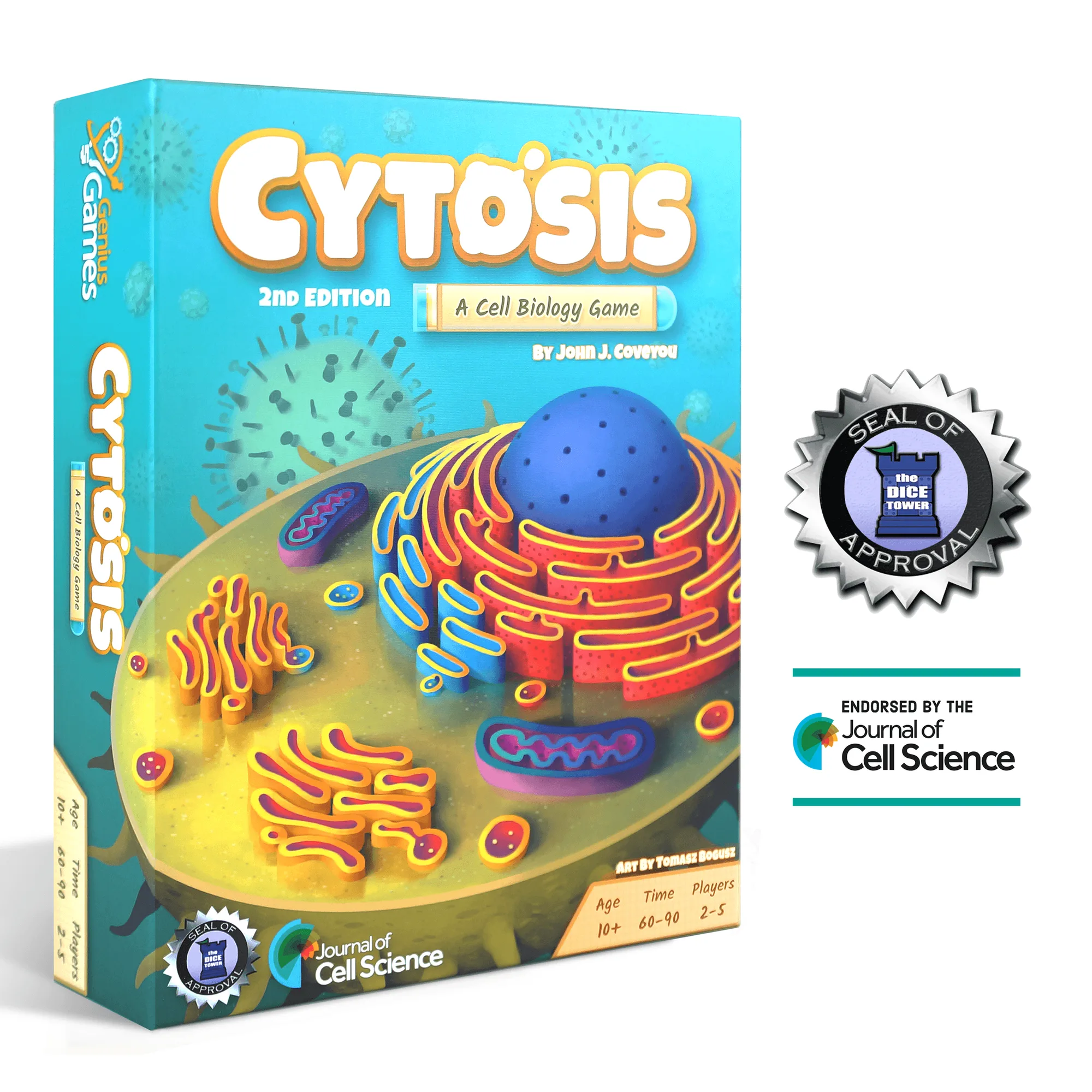
- Cytosis: A Cell Biology Game | Endorsed by Journal of Cell Science | Dice Tower Seal of Approval | A Science Accurate Strategy Board Game: Cytosis is a worker placement, resource management, set collection game endorsed by the Journal of Cell Science. It covers building proteins, carbohydrates, enzymes, organelles, and membranes, for ages 10+ and 2-5 players, with a playtime of 60-90 minutes. Ideal for deep dives into cell biology, helping students visualize complex processes like protein synthesis through strategic play.
Incorporating science games into your homeschool curriculum is a rewarding strategy that makes learning enjoyable and effective. By selecting the right games and integrating them purposefully, you can enhance your child's understanding of complex scientific concepts and foster a lifelong love for discovery.