Quick answer
Installing a changing topper on a dresser typically involves securing the topper to the dresser top and placing a changing pad on top. The exact method depends on whether your topper is a removable tray or a full-surface topper.
Choosing your topper type
Before you start, identify your topper type. A removable tray like the dadada Changing Tray sits on top of a compatible dresser and has side compartments for storage. A full-surface topper like the appleseed Solvang Changer Topper is a dedicated piece that replaces the dresser top. The installation steps differ mainly in how the topper is secured to the dresser.
For the dadada tray, you simply place it on the dresser and ensure it fits snugly. For the appleseed topper, you may need to screw or bolt it into the dresser top for stability. Always check the manufacturer's instructions for your specific model.
Step-by-step installation guide
- Prepare the dresser: Clear the dresser top completely. Clean the surface to remove dust or debris. If your topper uses screws or bolts, pre-drill pilot holes according to the manufacturer's template. A clean, level surface is essential for a stable installation. Skipping this step can cause the topper to wobble.
- Position the changing topper: Place the topper on the dresser, aligning it with the back edge. For a removable tray like the dadada model, ensure it sits flush. For a full topper like the appleseed Solvang, slide it into position and check that it overhangs evenly. Test the fit before securing. An uneven overhang can make the changing pad unstable.
- Secure the topper: Attach the topper using the provided hardware. For the appleseed topper, this usually means driving screws into the dresser top. For the dadada tray, no hardware is needed—just ensure it's centered and won't slide. For screw-in toppers, use a level to confirm the topper is flat before tightening fully. Overtightening can crack the topper.
- Add the changing pad: Place a standard changing pad on top of the topper. Ensure the pad is centered and does not overhang the edges. If your pad has a non-slip bottom, press it down firmly. A pad that overhangs can tip when you place baby on it. Check that the pad is fully supported by the topper surface.
- Test for stability: Gently push on the topper from different angles to check for movement. If it shifts, adjust the position or tighten the hardware. For removable trays, ensure the dresser itself is stable and won't slide on the floor. A stable topper should not rock or shift. If you have a removable tray and it still moves, consider adding non-slip pads underneath.
Product facts
-
dadada Changing Tray for Austin, Central Park, and Lala Big Dressers: The dadada Changing Tray is a removable dresser-top organizer that fits atop select dressers and accommodates a standard changing pad. This means you can easily remove the tray when not in use, freeing up dresser space, but you must verify your dresser is compatible for a secure fit.
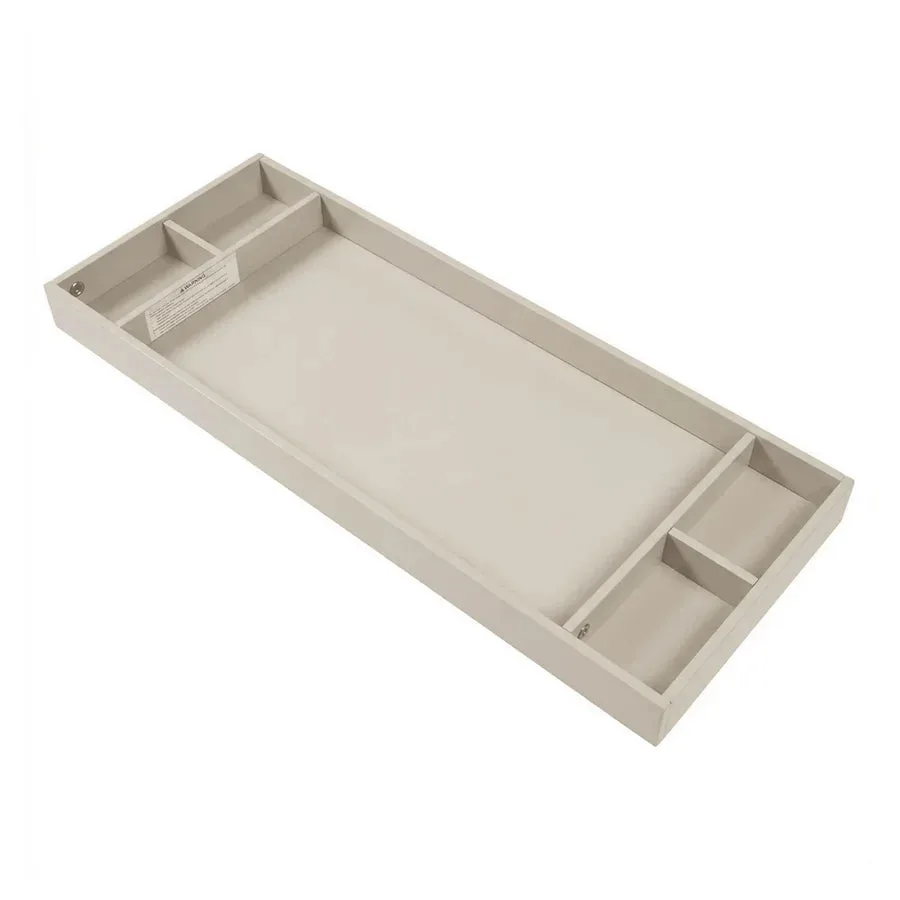
dadada Changing Tray for Austin, Central Park, and Lala Big Dressers
-
appleseed Solvang Changer Topper: The appleseed Solvang Changer Topper is crafted from high-quality materials and designed to blend functionality with style. Its durable construction provides a stable changing surface, but because it's a permanent topper, you'll need to ensure it's properly attached to prevent shifting.
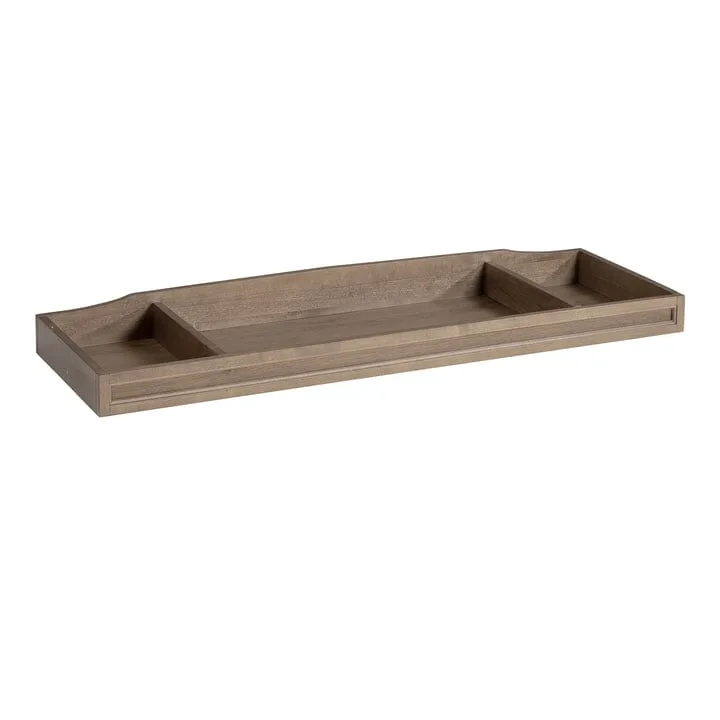
appleseed Solvang Changer Topper