Quick answer
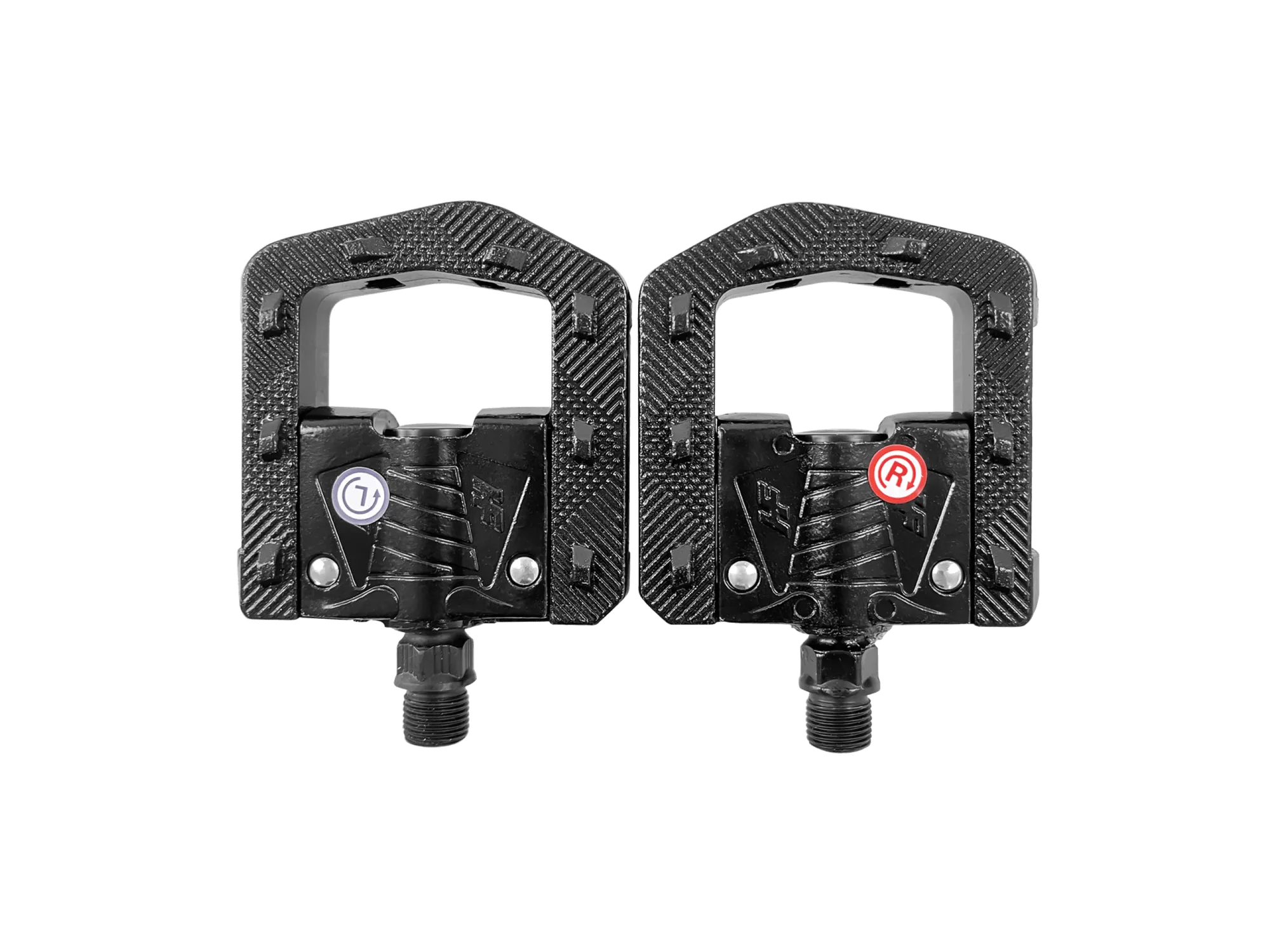
Fit the crank arm to the bottom bracket spindle first and torque it before the pedals go on. Then thread each pedal in by hand, remembering that the left pedal is reverse-threaded, and finish with a firm tighten rather than a hard crank. The Jasion Ebike Crank Arm and Pedals set ships as two pedals with R and L stickers plus the crank arm, so you have everything for one side in one box.
What you need before you start
A pedal wrench or an 8 mm hex key handles most pedal fittings, and a crank bolt usually needs a hex key or a socket that matches your bike. A torque wrench is worth borrowing if you do not own one, because the difference between a crank arm that stays tight and one that works loose is measured in small increments. Lay a clean cloth down, keep the small bolts in a cup, and photograph the old setup before you remove anything.
- Pedal wrench or correct hex key for your pedal spindle
- Hex key or socket for the crank bolt
- Torque wrench if available
- Grease or anti-seize for threads
- Clean rag and a container for small hardware
Left and right: the detail that ruins crank arms
Pedals are handed, and the left pedal threads in the opposite direction to the right. The Jasion pedals arrive with R and L stickers attached, which takes the guesswork out of which pedal goes on which side. If you force a pedal the wrong way, you cut new threads into the crank arm and the arm is effectively scrap. Turn the pedal spindle gently with your fingers first; if it fights you immediately, stop and check the sticker and the side of the bike.
Keep the chain side and non-drive side straight
The drive side is the side with the chain, chainring, and, on an e-bike, usually the motor housing. Work on the non-drive side first if you are only replacing one crank arm, because it is simpler to reach and gives you a feel for the bolt before you tackle the busier side. On the drive side, watch that the chain stays seated on the chainring as you refit the arm; a chain that has dropped off during the job will jam the first time you pedal.
When to replace rather than reinstall
If the crank arm wobbles on the spindle even after tightening, or the square or splined interface looks rounded and shiny, replacement is the sensible call rather than another round of tightening. The same applies to pedals that spin roughly, click under load, or have lost their reflector. The Jasion Ebike Crank Arm and Pedals set is a direct replacement for the crank arm and both pedals, so a worn interface and a rough pedal can be solved in one order.
Installation steps
- 1. Secure the bike and remove the old pedal: Put the bike in a stand or turn it upside down on a padded surface. Fit your pedal wrench or hex key fully into the pedal spindle before applying force. Checkpoint: a partially engaged tool rounds the spindle flats, so seat it fully first.
- 2. Remove the crank bolt and pull the crank arm: Undo the crank bolt and slide or pull the arm off the bottom bracket spindle. Keep the bolt and any spacers together so they go back in the same order. Mistake to avoid: prying against the frame or motor housing instead of pulling straight off the spindle.
- 3. Clean and inspect the spindle and crank interface: Wipe old grease and grit off the spindle, then look at the inside of the new crank arm and the spindle for burrs or rounded edges. Checkpoint: if the spindle itself is worn or rounded, a new crank arm will not stay tight.
- 4. Fit the new crank arm and torque the bolt: Slide the arm onto the spindle in the correct orientation, refit the bolt, and tighten to your bike's specified torque with a torque wrench where possible. Mistake to avoid: overtightening. Too much force deforms the interface and the arm loosens sooner.
- 5. Thread on the correct pedal by hand: Match the R and L stickers to the right and left sides, then turn the spindle in by hand until it seats. The left pedal threads in the opposite direction to the right. Checkpoint: if the pedal resists immediately, stop and recheck the side before using a tool.
- 6. Tighten the pedals and do a low-speed test: Finish the pedals firmly with your wrench, then spin the cranks and check for wobble, clicking, or a pedal that is not square to the arm. Next step: ride gently for the first few minutes, then recheck the crank bolt and both pedals.
Parts facts worth knowing
- Jasion Ebike Crank Arm and Pedals: The set includes two pedals, one left and one right, with R and L stickers already attached, plus the crank arm. The stickers remove the most common installation error, so you can fit each pedal to the correct side without guessing.
- Jasion Ebike Crank Arm and Pedals: The pedals are made from high-strength plastic with a lightweight, stable platform and built-in reflectors. They suit riders who want a comfortable, visible pedal for everyday e-bike use rather than a heavy metal platform.
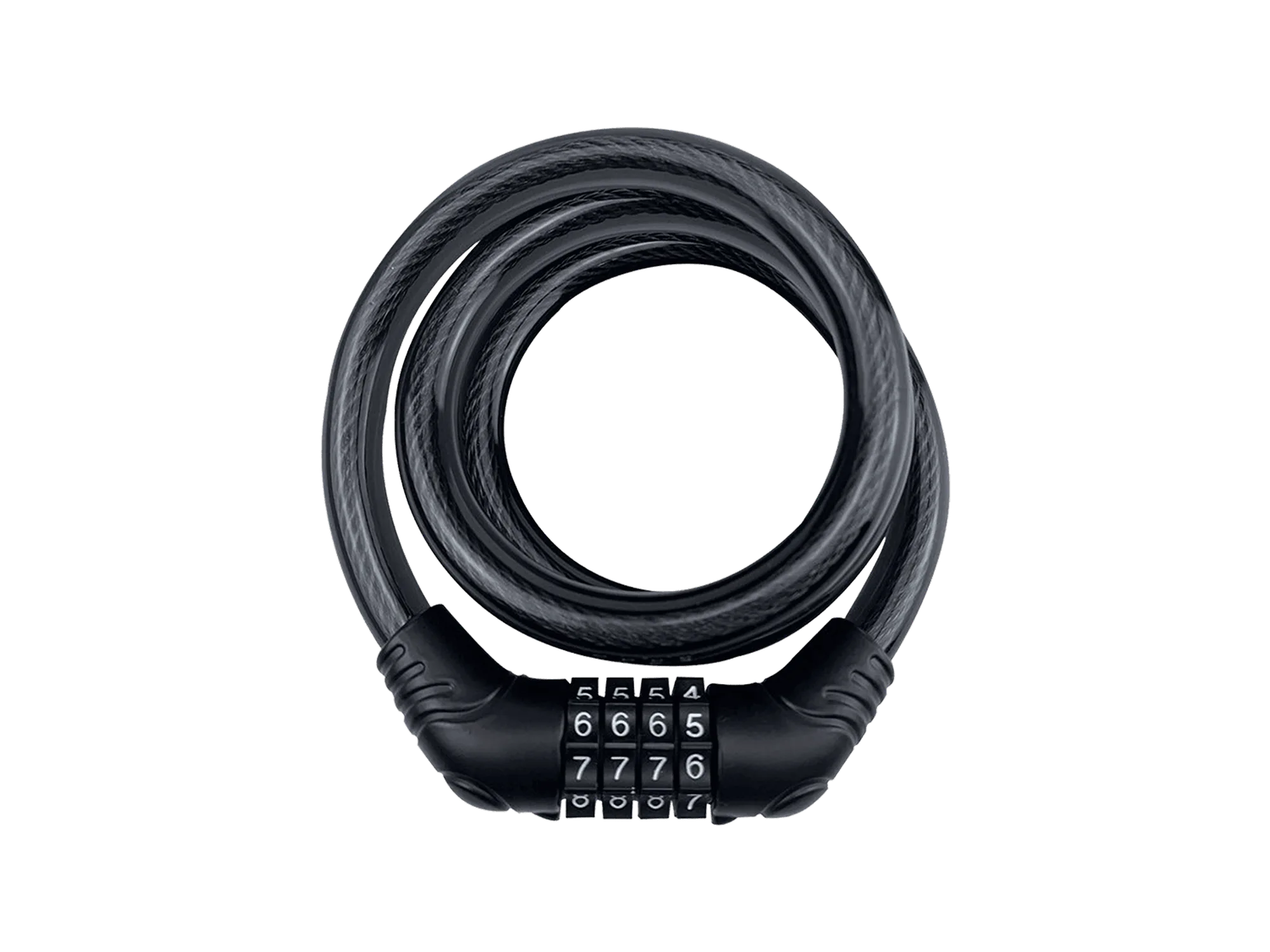
- Jasion Ebike Bicycle Combination Lock: The Jasion combination lock uses a four-digit code you set yourself, comes with a quick-release frame mount, and is compatible with all Jasion e-bike models. If you are doing the crank job outside a workshop, a lock you can set and carry on the frame keeps the bike secure while you work.
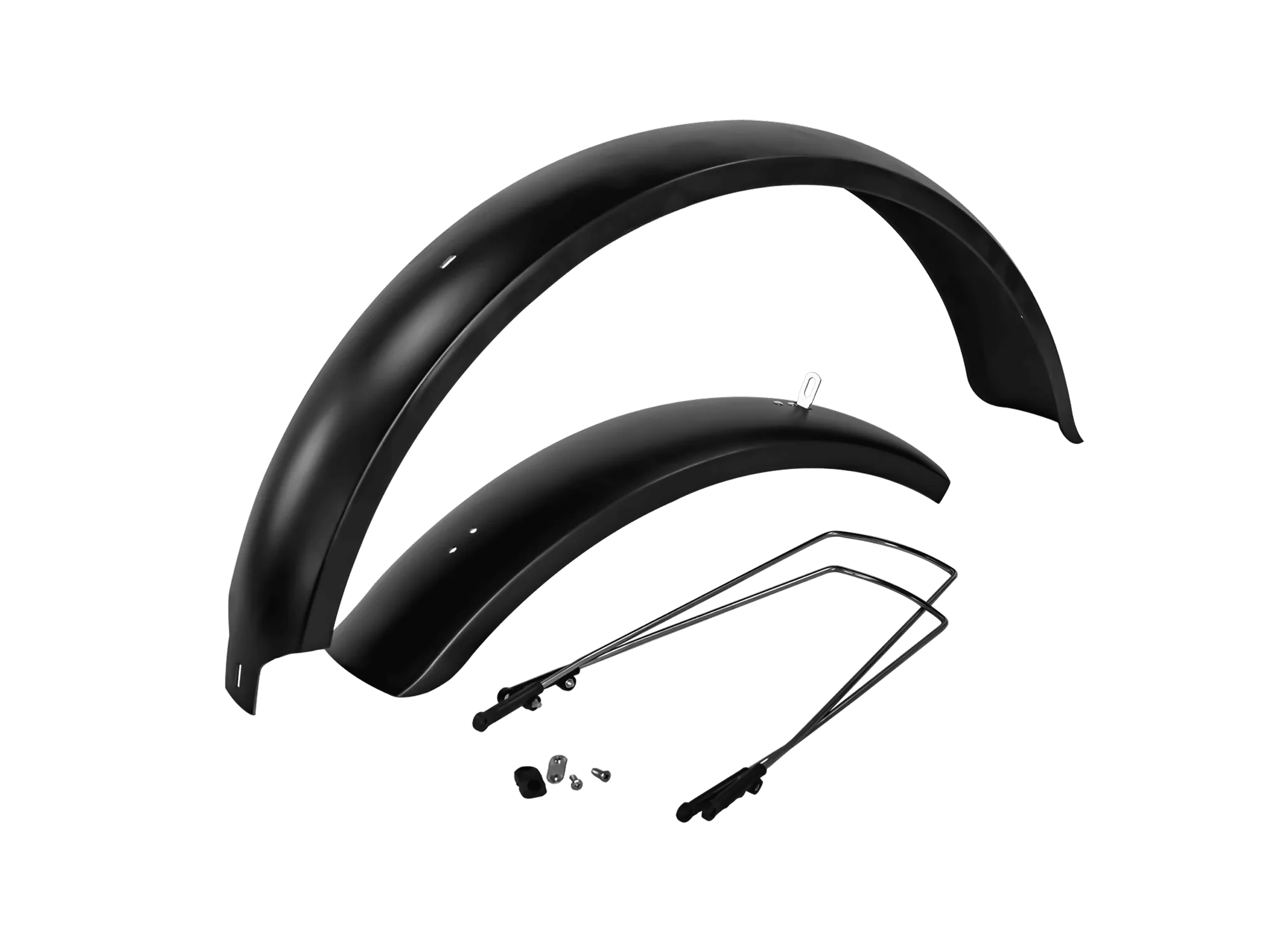
- Jasion Ebike Bike Fenders: The Jasion bike fenders are made from durable, weather-resistant materials to guard against splashes, mud, and debris. Worth adding if your crank or pedal job happens in wet conditions, since spray and grit are what wear pedal bearings and crank interfaces fastest.