Quick answer
Introduce a pacifier after feeding routines are established, usually around 3–4 weeks for breastfed babies, and offer it only for soothing, not to replace feeds. Choose a one-piece silicone pacifier sized to your baby's age, clean it daily, and skip clips until your baby is past the newborn stage. Wean gradually by 12–18 months to protect dental development.
When to give baby a pacifier
Timing matters more than the pacifier itself. For breastfed newborns, wait until nursing is well established—usually 3 to 4 weeks—so the pacifier doesn't interfere with milk supply or latch practice. Formula-fed babies can often start sooner, but still aim for after the first week. Offer the pacifier after a full feed, not as a substitute for one. If your baby is hungry, they need a bottle or breast, not a pacifier. Watch for hunger cues like rooting or hand-to-mouth movements; a pacifier is for comfort, not calories.
Choosing a pacifier
Look for a one-piece silicone pacifier with a symmetrical or orthodontic nipple, a shield that has ventilation holes, and a size matched to your baby's age. Avoid pacifiers with detachable parts that could come loose. Silicone is more durable and dishwasher-safe than latex, and it doesn't hold odors. Replace pacifiers every 4–6 weeks or at the first sign of wear, such as discoloration, tears, or a sticky feel. If your baby spits it out repeatedly, try a different shape or size before giving up.
Pacifier cleaning
Clean pacifiers daily with warm soapy water and rinse thoroughly, or run them through the dishwasher on a sanitizing cycle if the manufacturer allows. Don't use your mouth to clean a pacifier—cavities-causing bacteria can transfer to your baby. Sterilize new pacifiers by boiling for 5 minutes, then let them air dry. If your baby has been sick, replace the pacifier or sterilize it again. Keep a few spares in a clean, dry container so you're never tempted to use a dropped one without washing.
Pacifier clip safety
Pacifier clips keep pacifiers off the floor, but they carry strangulation risks. Never use a clip around your baby's neck, and avoid clips with long cords or beads that can break off. Attach the clip to clothing, not to the baby, and always supervise. For sleep, remove the clip entirely—a pacifier alone is safe in the crib, but a clip is not. If you use a clip, choose one with a short, sturdy strap and a secure clip that won't detach easily.
Pacifier weaning tips
Start weaning between 12 and 18 months to prevent dental issues like open bite or misaligned teeth. Begin by limiting pacifier use to sleep times only, then remove it from naps before bedtime. Offer a comfort object like a small stuffed animal or a soft blanket as a replacement. If your baby resists, go slowly—sudden removal can cause stress. Praise your child for small wins, and don't reintroduce the pacifier once it's gone. If weaning is difficult, talk to your pediatrician or dentist for guidance.
Step-by-step pacifier introduction
- Step 1: Wait for feeding to be established: For breastfed babies, wait until nursing is going well, usually 3–4 weeks. For formula-fed babies, you can introduce sooner, but still after the first week. Offer the pacifier after a full feed, not when your baby is hungry. Checkpoint: Your baby is gaining weight and feeding comfortably before you introduce a pacifier.
- Step 2: Pick the right pacifier: Choose a one-piece silicone pacifier with a symmetrical nipple and a shield with ventilation holes. Match the size to your baby's age. Avoid detachable parts. If your baby rejects it, try a different shape or size. Checkpoint: The pacifier stays in your baby's mouth without falling out constantly, and the shield doesn't cover the nose.
- Step 3: Clean and sterilize: Wash new pacifiers with warm soapy water, then boil for 5 minutes. Clean daily with soap and water or in the dishwasher if allowed. Never use your mouth to clean it. Replace at the first sign of wear, and sterilize after illness. Checkpoint: Pacifiers are replaced every 4–6 weeks or sooner if damaged.
- Step 4: Use clips safely: Attach clips to clothing, not around the neck. Choose a clip with a short strap and secure attachment. Remove clips for sleep and when unsupervised. Never use a clip with long cords or beads. Checkpoint: No clip is used in the crib or during sleep.
- Step 5: Wean gradually: Start weaning between 12 and 18 months. Limit pacifier use to sleep times first, then remove it from naps before bedtime. Offer a comfort object as a replacement. Don't reintroduce once it's gone. Checkpoint: If weaning causes severe distress, consult your pediatrician or dentist for a plan.
Product facts
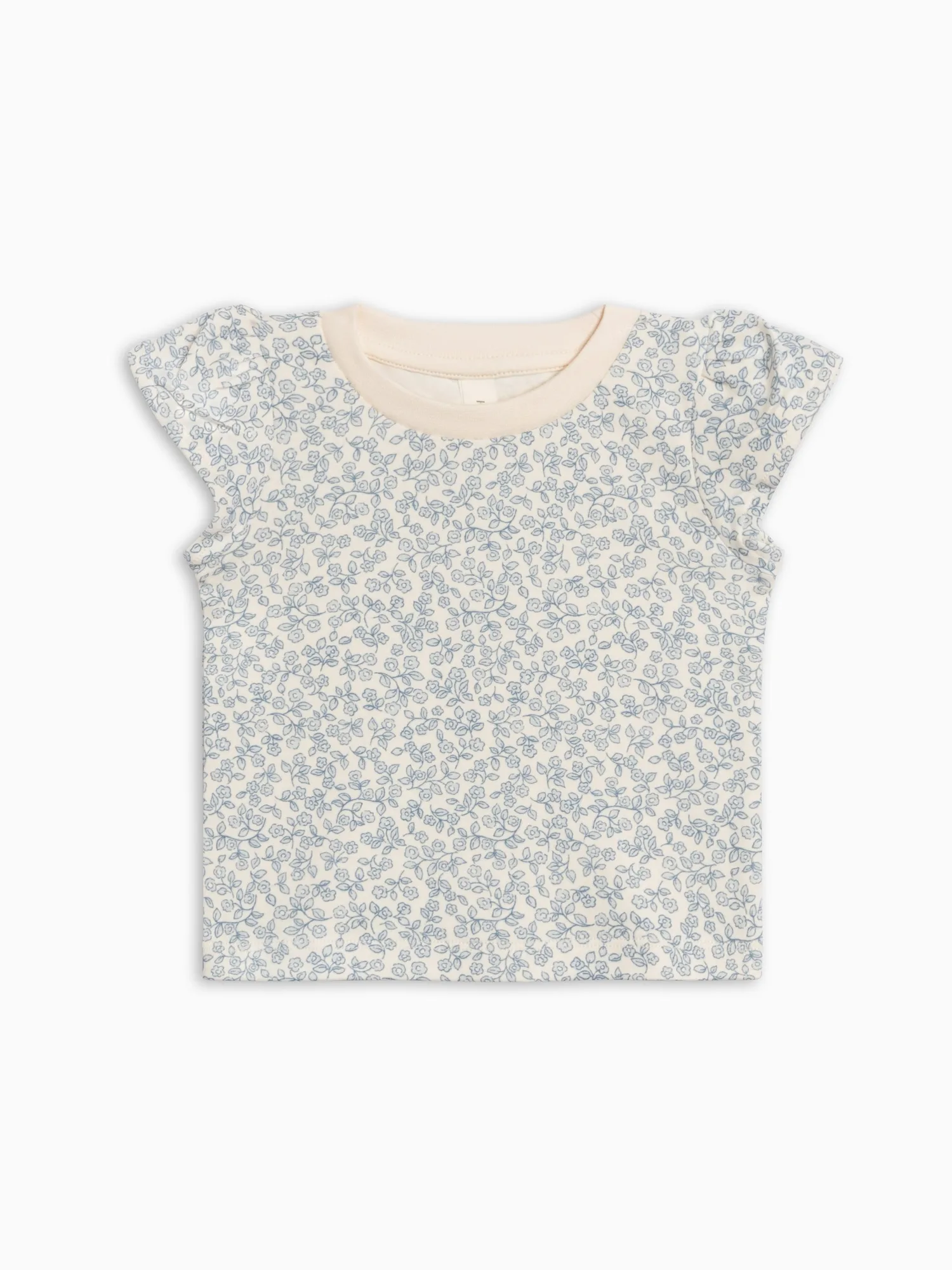
- Pearl Petal Sleeve Tee - Narelle Floral / Ivory + Sea: Pearl Petal Sleeve Tee is made from 100% Organic Cotton Interlock fabric with a rib with elastane neckband and water-based dyes. The soft, breathable organic cotton and gentle neckband make this tee comfortable for babies who may also use a pacifier, and the water-based dyes help avoid irritation around the mouth and cheeks.
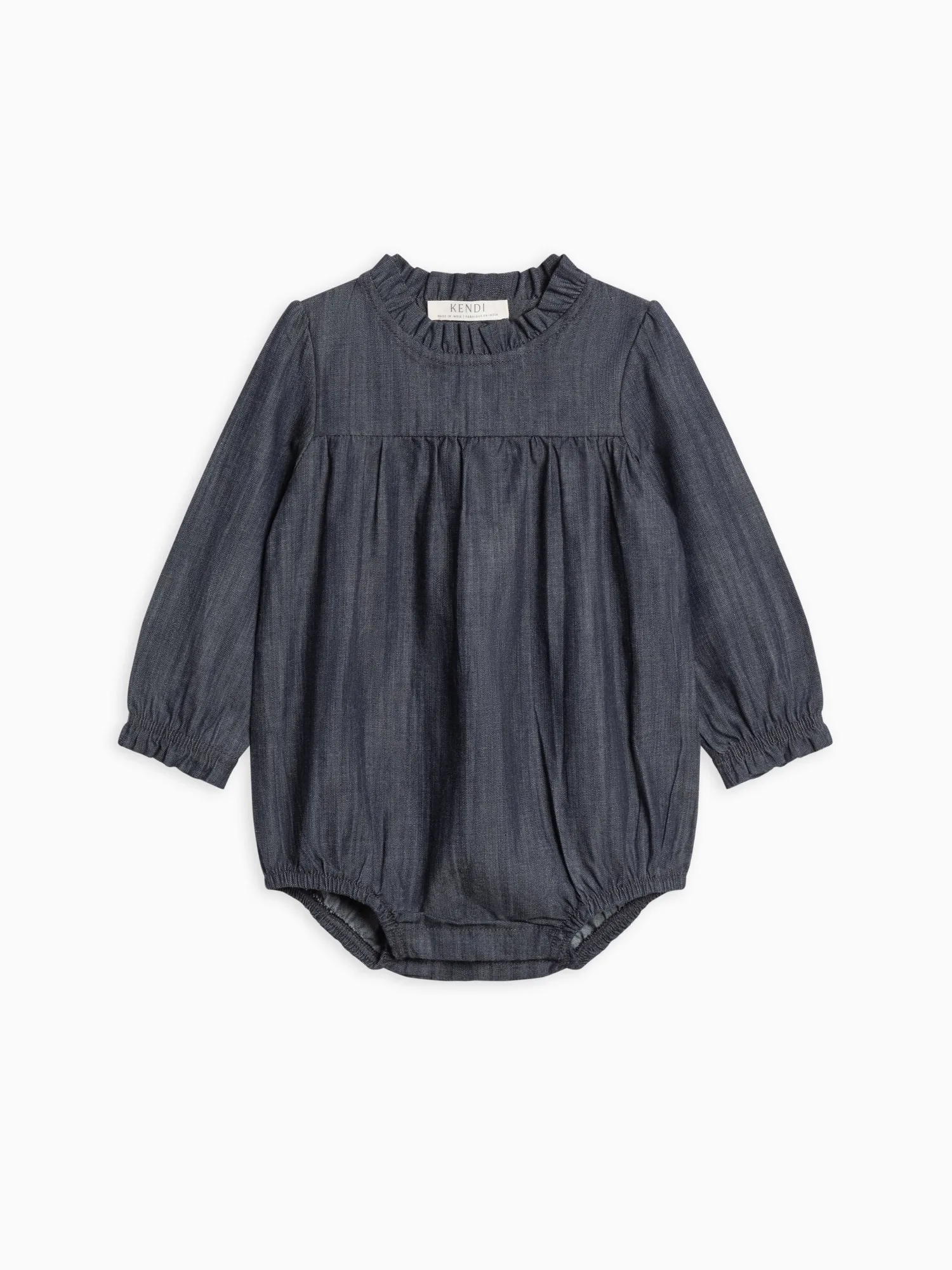
- Chantal Chambray Ruffle Romper: Chantal Chambray Ruffle Romper has elastic cuffs and leg openings, back buttons, and snap leg closures. Easy dressing and changes mean less fuss when your baby is upset, and the soft chambray is gentle on skin—useful when introducing a pacifier and managing soothing routines.