Quick answer
The best time to introduce a toddler bed is when your child starts climbing out of the crib or reaches 35 inches tall. Follow a gradual, low-pressure process over several days to build comfort and confidence.
Why timing matters
Moving too early can make the transition harder. Most children are ready between 18 months and 3 years, but watch for signs like climbing out, showing interest in a big bed, or outgrowing the crib. Rushing before they're ready often leads to bedtime battles.
Safety first: bed placement and rails
Place the bed against a wall and use a bed rail on the open side if the mattress is more than a few inches off the floor. Keep the room free of climbable furniture nearby. A low-profile bed or floor bed minimizes fall risk for very young toddlers.
Step-by-step transition plan
- 1. Talk it up: Start a week before the switch. Read books about big kid beds, let your child help pick out new bedding, and talk excitedly about the change. Avoid pressure or punishment if they resist. Common mistake: Introducing the bed as a surprise. Kids need mental preparation.
- 2. Set up the bed together: Place the toddler bed in the same spot as the crib if possible. Let your child help with simple tasks like putting on the fitted sheet. Keep the same bedtime routine and sleep environment (same room, same nightlight). Checkpoint: The bed should be low to the ground with a rail if needed. Remove pillows and soft toys for safety under 2 years.
- 3. Start with naps: Have your child nap in the new bed first. Naps are lower stakes than nighttime sleep. Stay nearby and praise calm behavior. If they refuse, don't force it—go back to the crib for naps and try again in a few days. Common mistake: Expecting overnight success. Most kids need 1–3 weeks to fully adjust.
- 4. Gradual nighttime transition: Once naps are going well, move to bedtime. Use the same routine (bath, book, cuddle) and place your child in the new bed. If they get up, calmly and silently return them to bed without engaging. Consistency is key. Checkpoint: If your child gets out of bed more than 10 times, they may not be ready. Wait a few weeks and try again.
- 5. Reinforce success: Use a sticker chart or small reward for staying in bed all night. Verbal praise works wonders. Avoid screens or active play right before bed. Keep the room dark and quiet. Common mistake: Introducing new rules or punishments during the transition. Keep it positive.
Product spotlight
-
Bed to go: Bed to Go is a foldable bed for children that is perfect for camping, naps on the veranda, balcony, or in a tent. It is also a great solution for unexpected guests. Its portability and quick setup make it ideal for travel or as a secondary bed during the transition period, giving your child a familiar sleep surface anywhere.
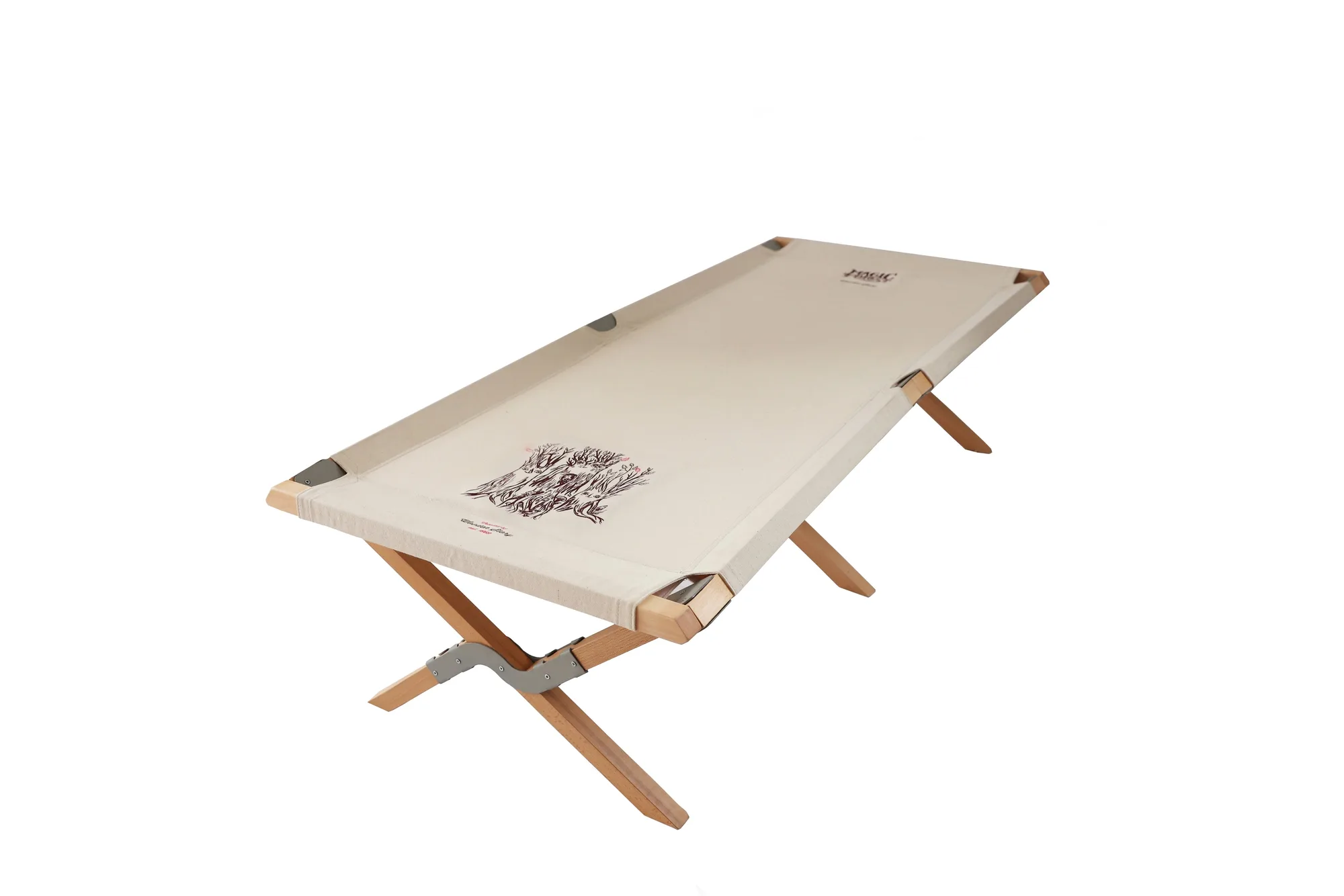
Bed to go


