Quick Answer
Place the scratching post in a high-traffic area your cat already frequents, then use treats, catnip, or play to encourage investigation. Never force your cat's paws onto the post.
Why Cats Scratch (and Why a Post Helps)
Scratching is a natural feline behavior for marking territory, stretching muscles, and maintaining claw health. A dedicated scratching post gives your cat an acceptable outlet, saving your sofa, curtains, and carpet from damage. The key is making the post more appealing than your furniture.
Choosing the Right Post for Your Cat
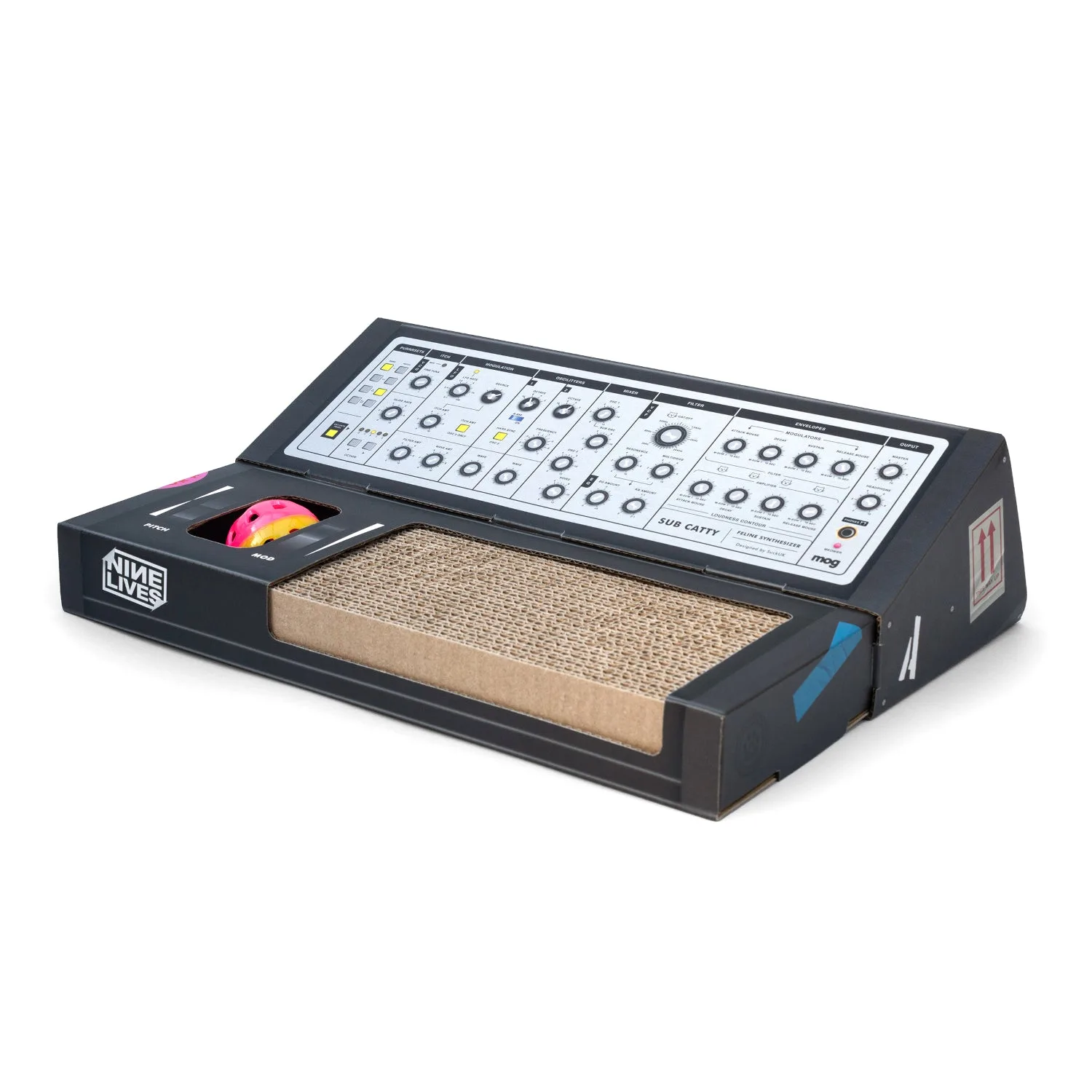
Not all scratchers are the same. Some cats prefer vertical posts, others horizontal pads, and many love novelty. The Suck UK Cat Scratch Turntable, for example, spins as your cat paws it, combining scratching with play. The Suck UK Cat Scratch Synth offers a keyboard-shaped cardboard pad for cats who enjoy horizontal scratching. The KONG Play Spaces CATbana includes a padded umbrella for perching and a natural fiber post, appealing to cats who like to climb and scratch. Observe your cat's preferred scratching style before buying.
Step-by-Step: Introducing a Scratching Post
- Choose the Right Location: Place the post near your cat's favorite sleeping or resting spot, or next to furniture they already scratch. Cats scratch to mark territory and stretch after waking, so a post near their bed or the couch they target works best. Avoid hiding the post in a corner or basement; cats ignore what they don't see.
- Make the Post Irresistible: Rub catnip onto the scratching surface, dangle a wand toy near it, or hide treats on or around the post. For the KONG CATbana, you can place treats on the padded umbrella to encourage jumping and scratching. For the Turntable, spin the top to spark curiosity. Never force your cat's paws onto the post; this can create fear and avoidance.
- Use Positive Reinforcement: When your cat sniffs, touches, or scratches the post, immediately give a treat, praise, or gentle petting. Repeat every time you see them use it. Consistency is key—reward even accidental touches. Don't scold or punish if they scratch furniture; instead, calmly redirect them to the post and reward when they comply.
- Redirect Furniture Scratching: If your cat scratches a couch or curtain, gently pick them up and place them in front of the post. Use a toy to lure their paws onto the surface. For cats that prefer horizontal scratching, the Synth keyboard pad can be placed on the floor near the targeted furniture. Cover the scratched furniture temporarily with double-sided tape or a sheet to make it less appealing while the post becomes the habit.
- Be Patient and Consistent: Some cats take days or weeks to adopt a new scratcher. Keep the post in the same spot and continue rewarding use. If your cat ignores it after a week, try moving it to a different room or adding a new texture like sisal or cardboard. If you have multiple cats, provide one post per cat plus an extra to avoid competition.
Scratchers That Make Training Easier
-
KONG Play Spaces CATbana: KONG Play Spaces CATbana features a padded beach umbrella for perching and a natural fiber post anchored to a solid plywood base. The stable base prevents tipping, and the perch gives cats a reason to climb and scratch, making the post more engaging.
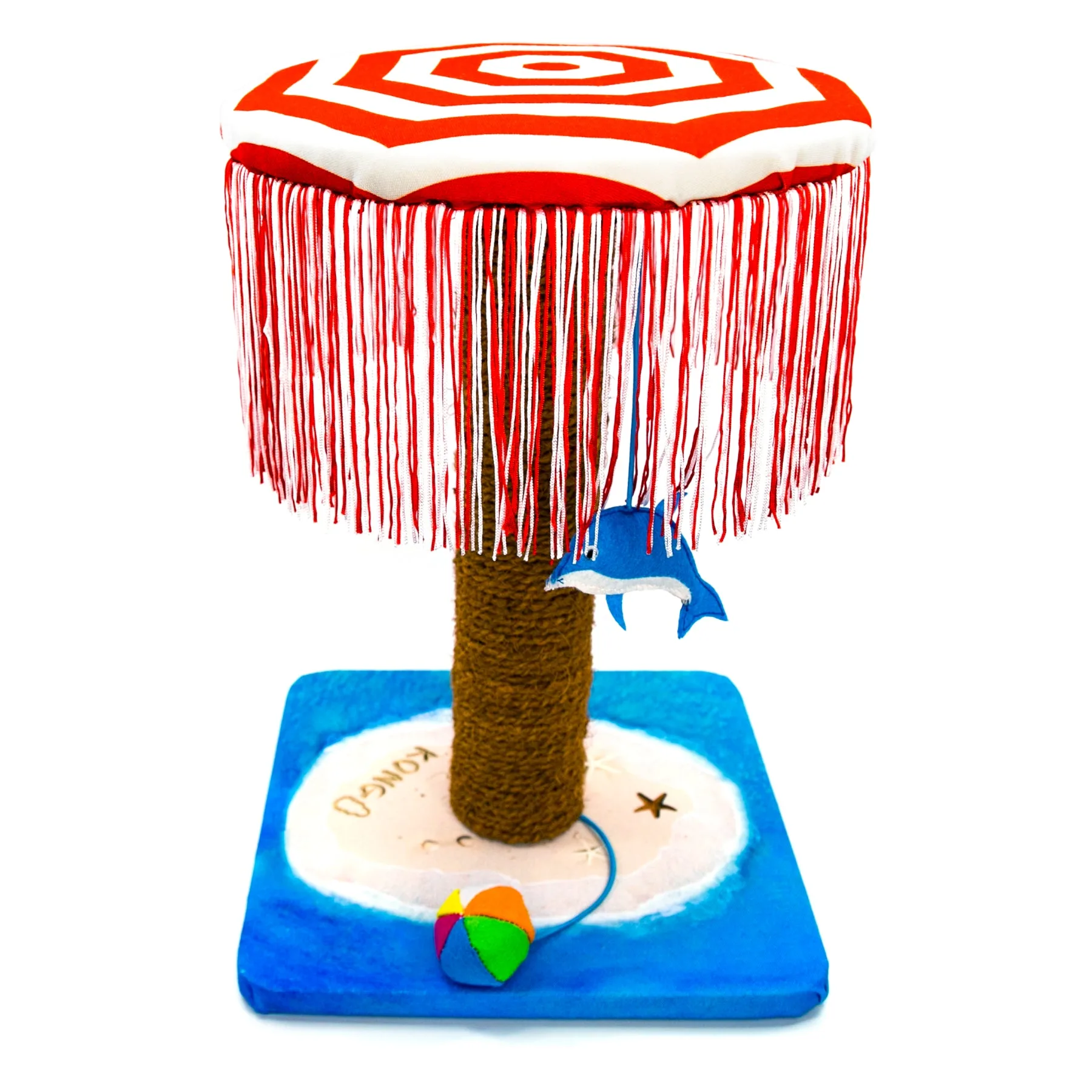
KONG Play Spaces CATbana
-
Suck UK Cat Scratch Turntable: Suck UK Cat Scratch Turntable has a spinning top and moving tone arm that moves as your cat paws at it. The movement mimics prey and encourages interactive play, drawing your cat to scratch the cardboard surface instead of your furniture.
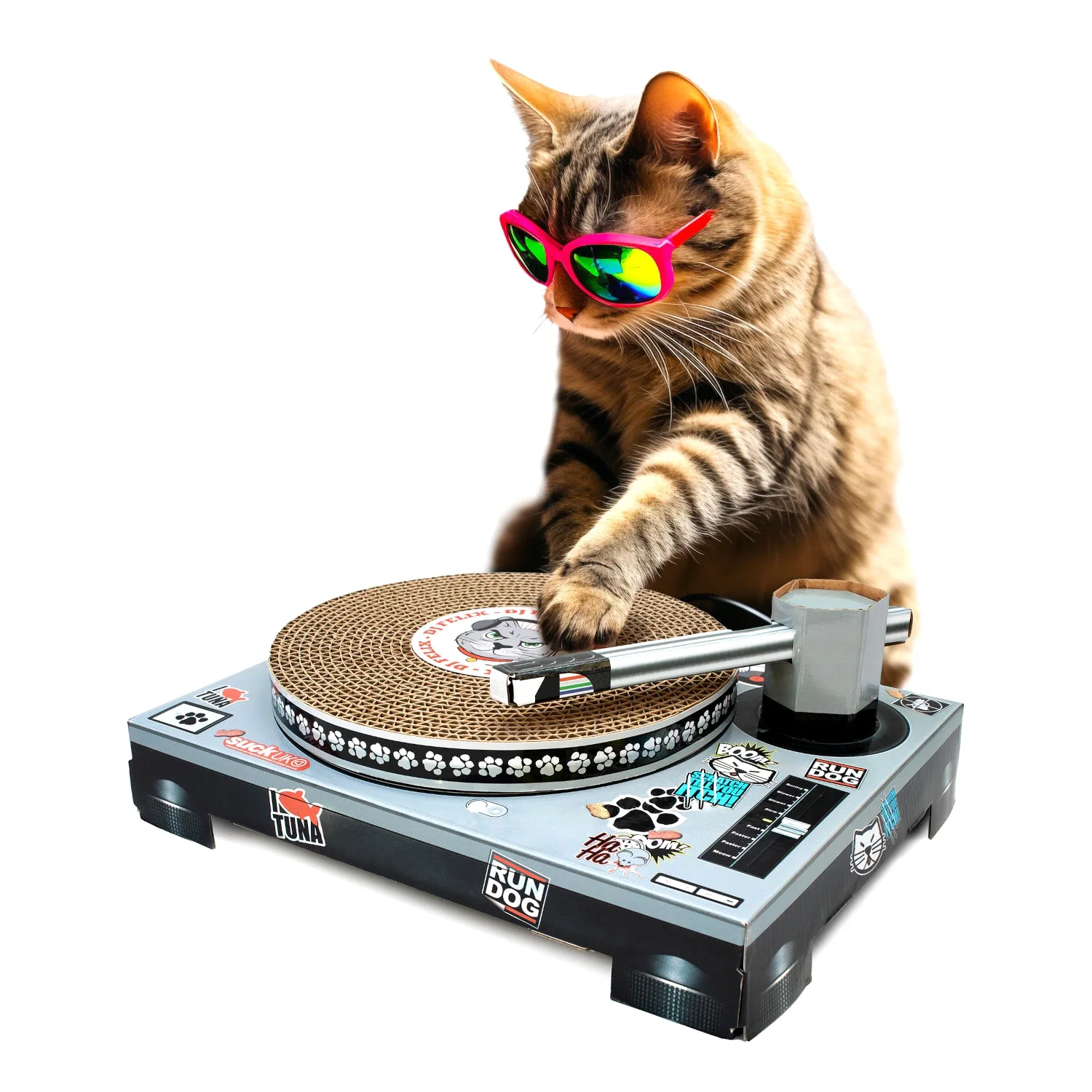
Suck UK Cat Scratch Turntable
-
Suck UK Cat Scratch Synth: Suck UK Cat Scratch Synth is a cardboard keyboard-shaped scratch pad designed for horizontal scratching. If your cat prefers scratching rugs or mats, this flat design offers a familiar angle that's easy to redirect to.