Quick answer
Give the doll to your toddler before the baby arrives, not on the day of the birth, and frame it as their own baby to care for. Keep the doll's role simple: hold, feed, tuck in, and bring along to meet the baby. Choose a soft, huggable size like a Cozy Dinkum or a smaller Dinky Dinkum that matches your child's current play style.
Why a doll helps before the baby arrives
A new sibling changes a toddler's daily rhythm more than any single event. A doll gives them something concrete to hold, name, and care for while the family talks about the baby. It also becomes a safe place to practice gentle hands, quiet voices, and waiting a turn. The goal is not to make the doll a substitute for the baby, but to give your child a parallel role: they are a caregiver too.
Pick a doll that fits your toddler's age and grip
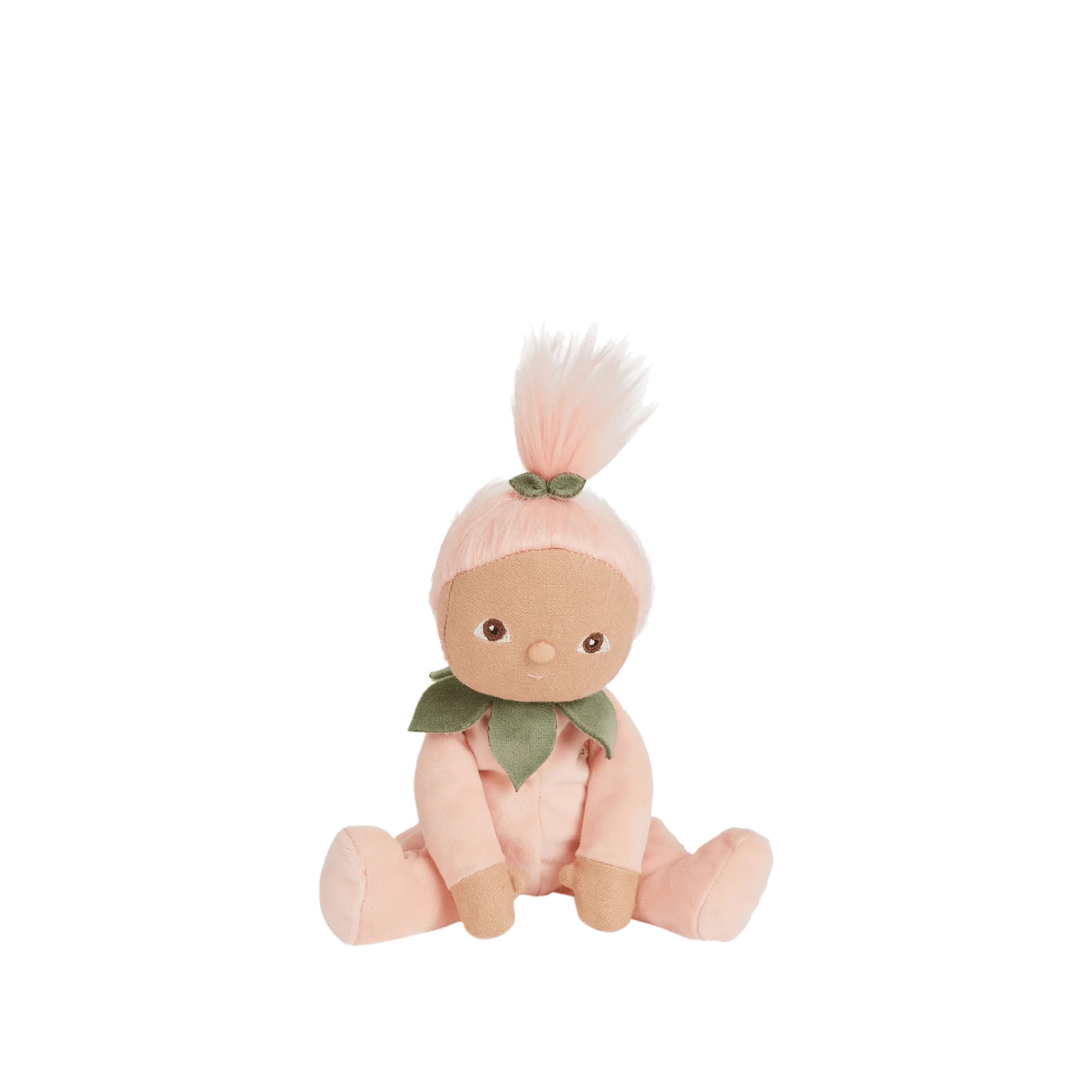
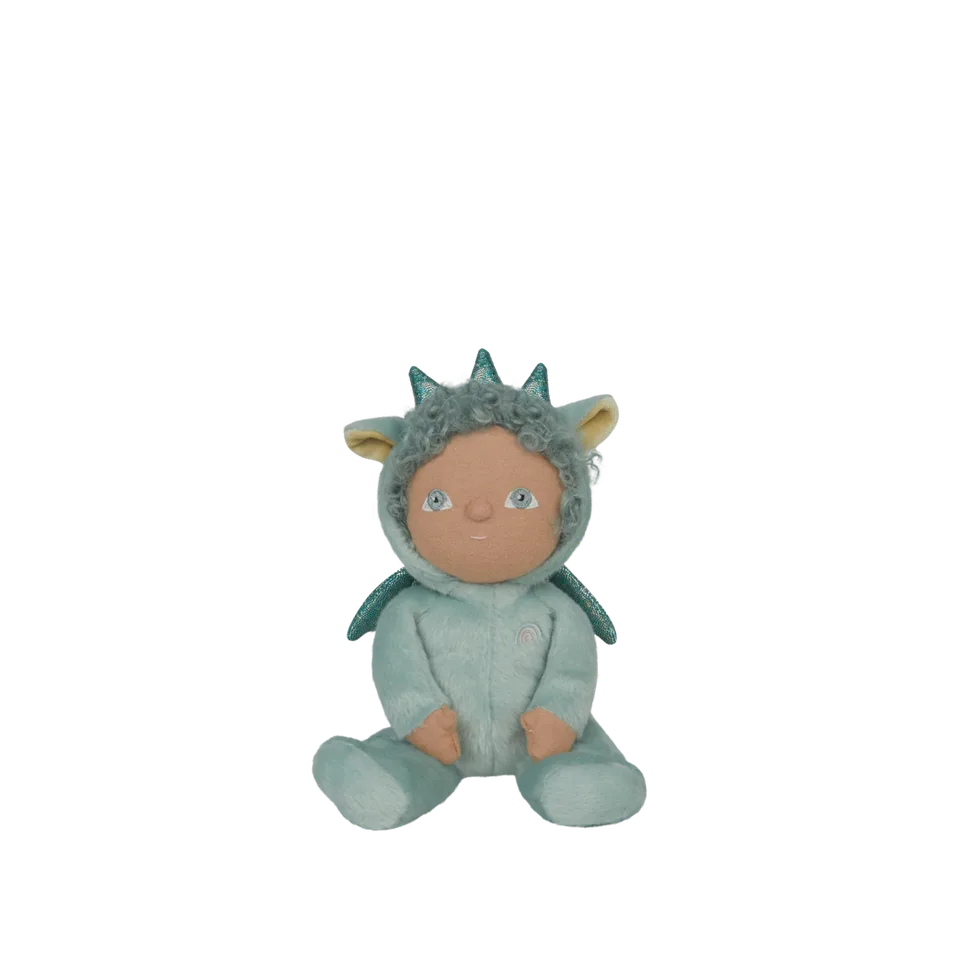
For a child under two, a smaller, lightweight doll that can be carried one-handed works best. A Dinky Dinkum Doll like Dante Dragon is pint-sized with a removable hood and soft floppiness, which makes it easy for small hands to undress and re-dress during play. For a child who already likes to snuggle something large at nap time, a Cozy Dinkum with gentle weighting may get more daily use. If you are choosing a doll for a new baby gift or baby shower gift, remember the doll is really for the older sibling, so let them pick the character when possible.
When to give the doll
Aim for two to six weeks before your due date, on an ordinary day rather than a birthday or holiday. That gives the doll time to become familiar before the baby changes everything. If the baby comes early, give the doll at home before the first hospital visit, not in the hospital lobby. Avoid presenting it as a reward for being good, which can make the child feel they must earn it again later.
How to talk about the doll and the baby
Use the same words for the doll that you will use for the baby: sleepy, hungry, needs a cuddle, waiting patiently. Let your child lead the care, even if it looks rough or silly. If they throw the doll, name the feeling without shaming: 'You seem frustrated. The doll can rest here until you're ready.' This keeps the doll from becoming another thing they can fail at.
Bring the doll to the first meeting
Have your toddler bring the doll when they meet the baby, either at home or in the hospital if allowed. Let them show the baby their doll, then hold the doll while you hold the baby. Keep the visit short and let someone else hold the baby so your hands are free for your older child. After the meeting, put the doll somewhere your child can reach without asking, so it stays theirs.
Keep the doll in the routine after the baby comes home
Include the doll in small daily moments: buckling it into a spare car seat, reading it a story while you feed the baby, or tucking it in at nap time. Rotate the doll's clothes or hood if it has one, since a small change can refresh interest. If your child loses interest for a week, leave the doll visible and wait. Forced play feels like a chore, and the doll works best when it stays a comfort, not a lesson.
Sibling preparation steps
- Choose the doll together: Let your toddler pick between a Cozy Dinkum and a Dinky Dinkum based on which character they reach for first. If they are under two, lean toward the smaller Dinky size for easier carrying. Checkpoint: can your child pick it up and hold it with one hand?
- Give it before the baby comes: Present the doll two to six weeks before your due date on a calm, ordinary day. Unwrap it together and let your child name it right away. Mistake to avoid: don't wait until the hospital bag is packed, when emotions are already high.
- Practice one care routine: Pick a single action, like tucking the doll in or putting its hood on, and do it at the same time each day. Keep it short and child-led. Checkpoint: your child can do the action without your help.
- Use feeling words: When your child is rough or ignores the doll, name the emotion instead of correcting the behavior. Say what you see and offer a break. Mistake to avoid: don't make the doll a reward for good behavior.
- Bring the doll to the first meeting: Let your toddler carry the doll when they meet the baby. Have another adult hold the baby so your hands are free for your older child. Checkpoint: the visit ends before your child melts down.
- Keep it in the daily rhythm: Include the doll in one feeding, one story, and one nap each day. Rotate a hood or outfit if interest drops. Next step: if interest fades, leave the doll visible and wait a week before trying again.
Doll options that work well for sibling preparation
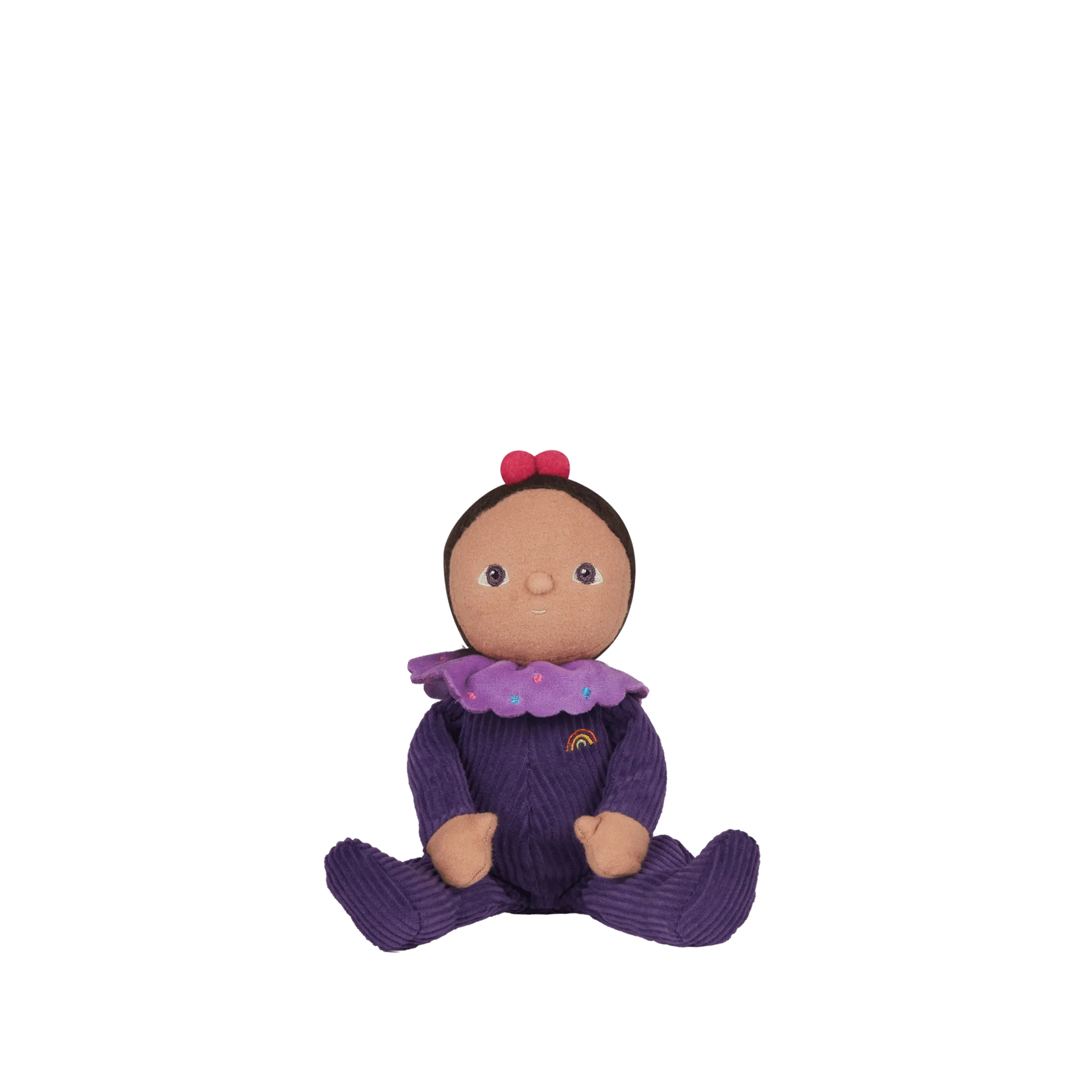
- Cozy Dinkum Blueberry Bear: Cozy Dinkum Blueberry Bear is a Cozy Day Dinkum made for snuggling from the very first hold, with a gentle, easygoing character. A soft, huggable doll is easier for a toddler to carry during feedings and naps, when they need comfort most.
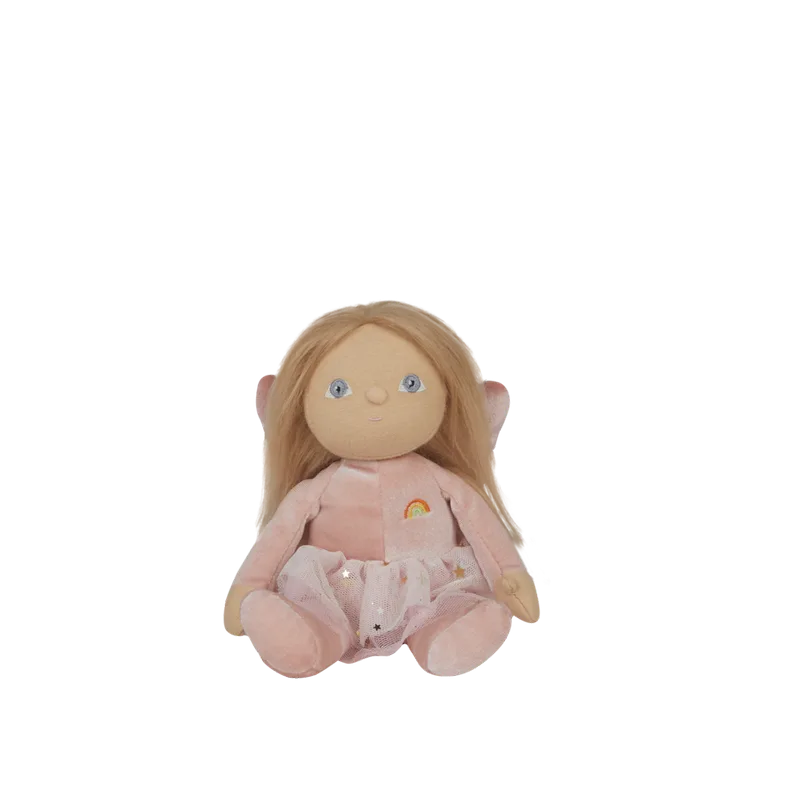
- Cozy Day Dinkum - Sunbeam: Cozy Day Dinkum - Sunbeam is a soft Cozy Dinkum with gentle weighting and plush fabric, described as impossible not to cuddle. Gentle weighting can make the doll feel more like a real baby to hold, which supports role-play for an older sibling.
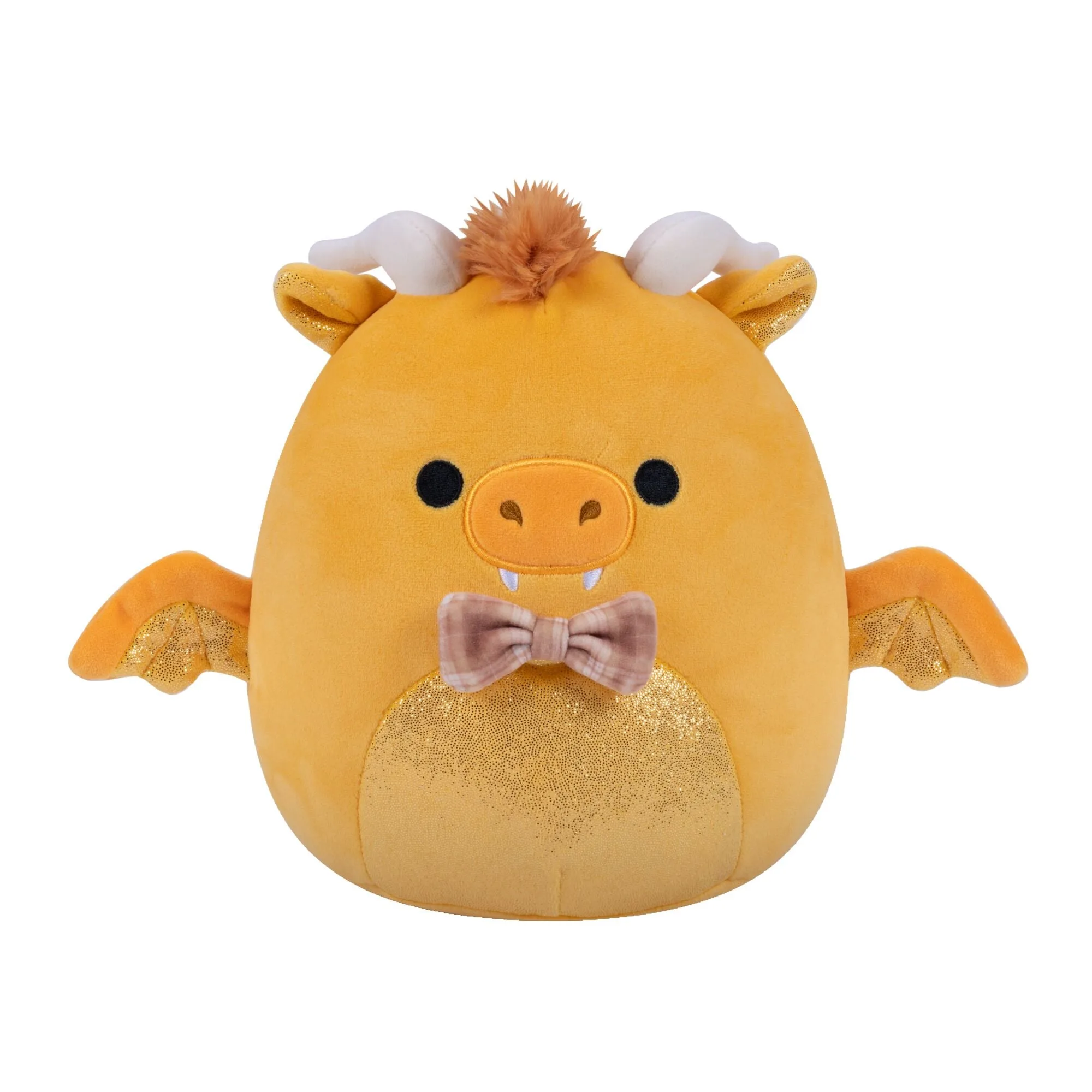
- Dinky Dinkum Doll - Dante Dragon: Dinky Dinkum Doll - Dante Dragon is pint-sized with a removable hood that reveals soft curly hair, plus iridescent wings and a cozy onesie. The removable hood and small size give a toddler a simple, repeatable dressing task they can do independently.