Quick answer
Start with a short, low-stakes scenario and teach only the core rules first. Use Gloomhaven: Buttons & Bugs as a solo or two-player warm-up because it sets up and plays a scenario in under 20 minutes. Then move to the full game with pre-generated characters and scenario 1.
Gloomhaven
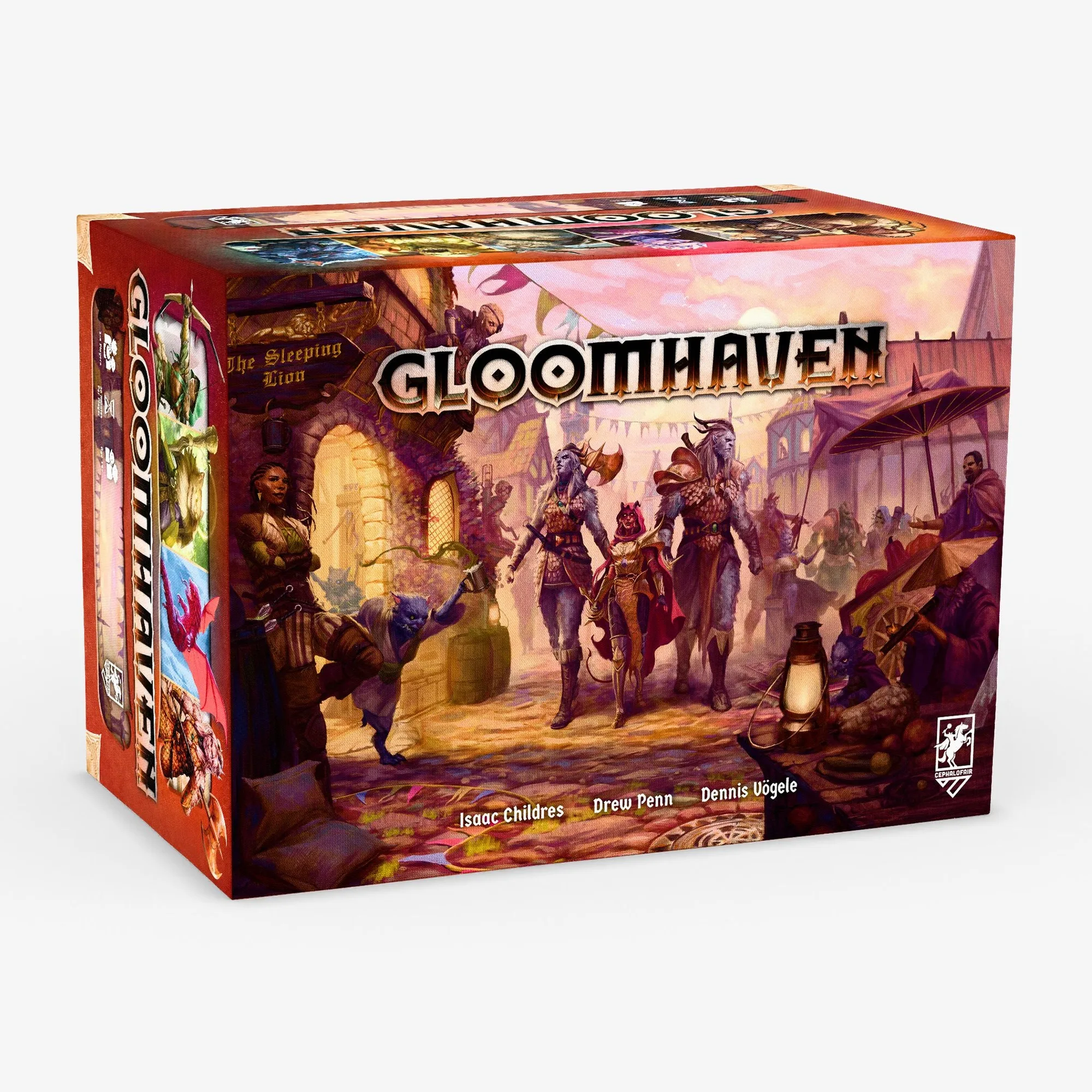
Gloomhaven is a campaign game with a reputation for depth, but that depth is exactly what makes it hard to introduce to new players. The trick is not to teach everything at once. You want your group to experience the core loop—choose cards, act, rest, repeat—before you layer on city events, retirement, and prosperity.
This guide gives you a concrete sequence you can run in one or two sessions. It assumes you already know the rules and want to teach Gloomhaven without losing anyone at the table. Along the way, you'll see where a small standalone product can do a lot of the heavy lifting.
Before you teach: set up the right expectations
Tell your group up front that Gloomhaven is a cooperative game where you will lose scenarios sometimes. That single sentence prevents the most common frustration. New players often assume a loss means they played wrong, when actually the game expects you to fail forward, adjust, and retry.
Also decide who handles the bookkeeping. One person should manage the map, stickers, and campaign sheet so new players can focus on their character. If you can, run a solo or two-player warm-up first so you can explain the flow from memory instead of reading from the rulebook.
- Checkpoint: everyone knows the game is cooperative and losses are normal before you start.
Step 1: Run a 20-minute warm-up with Buttons & Bugs
Gloomhaven: Buttons & Bugs is a stand-alone, single-player adventure that shrinks Gloomhaven's combat into a compact footprint. It uses the same deep strategy combat but a streamlined system, so you can set up and play a scenario in under 20 minutes. That makes it an ideal teaching tool.
Play it yourself first, then hand it to a new player. They learn card selection, initiative, and monster behavior without the pressure of a campaign. Because it fits on a coffee table or an airplane tray table, there is no intimidating table presence to manage.
- Common mistake: skipping the warm-up and jumping straight into a full campaign scenario.
Step 2: Teach the core loop in this order
Start with card selection: each round you choose two cards, one for initiative and one for the top action, one for the bottom action. Then explain movement, attacks, and the rest cycle. Do not explain elements, summons, or enhancements yet.
Next, run one practice round with no monsters. Let each player pick cards and move. Then add a single weak monster and play two rounds. This builds muscle memory. Only after that should you introduce loot, traps, and scenario goals.
- Checkpoint: every player can independently choose two cards and declare initiative without help.
Step 3: Choose the right first scenario
Use the recommended starting scenario from the rulebook, and play at the normal difficulty for your party size. Do not house-rule the difficulty down unless your group is very new to tactical games. The first scenario is designed to be winnable but not trivial.
If you want a shorter first session, play only the first room and stop. That gives everyone a win and a reason to come back. For a group that already knows Gloomhaven, you can start with a side scenario instead, but for beginners the main path is clearer.
- Common mistake: letting one player quarterback every decision. Ask each player to state their plan before you offer advice.
Step 4: Manage the table so no one checks out
Long turns kill interest. Keep the pace moving by setting a soft time limit for card selection, and handle monster movement quickly. If a rules question comes up, make a ruling and look it up after the session. New players remember flow better than they remember edge cases.
Assign small jobs: one person flips monster ability cards, another tracks hit points, another reads the scenario text. Participation keeps everyone invested even when it is not their turn.
- Checkpoint: no player has spent more than two minutes waiting without a task.
Step 5: Add expansions only after the core clicks
Once your group finishes a few scenarios, you can introduce small additions. Buttons & Bugs: Flames of Ashtar is a lead-up mini-campaign that connects Buttons & Bugs to the Pub Crawlers expansion, and it requires Gloomhaven: Buttons & Bugs to play. It is a low-cost way to extend the warm-up experience.
For the main campaign, hold off on Forgotten Circles until you have completed the base campaign. It is the first expansion for Gloomhaven 1st Edition and features twenty new scenarios that take place after the original campaign. Adding it early will not make sense narratively or mechanically.
- Common mistake: buying every expansion before your group has finished the base game.
Your first-session teaching sequence
- Set expectations: Tell the group the game is cooperative and that losing a scenario is normal. Assign one person to handle campaign bookkeeping. Checkpoint: no one is surprised by a loss.
- Run a Buttons & Bugs warm-up: Play a solo or two-player scenario of Gloomhaven: Buttons & Bugs first. It teaches card selection, initiative, and monster behavior in under 20 minutes. Checkpoint: the new player can choose two cards without help.
- Teach the core loop only: Explain initiative, top and bottom actions, movement, attacks, and resting. Skip elements, summons, and enhancements for now. Checkpoint: everyone can declare initiative and resolve a basic attack.
- Play scenario 1 at normal difficulty: Use the recommended starting scenario. If time is short, play only the first room and stop on a win. Checkpoint: the group finishes a session wanting to play again.
- Add expansions later: Introduce Flames of Ashtar after the warm-up, and save Forgotten Circles until the base campaign is complete. Checkpoint: no expansion hits the table before the core game clicks.
Products that make teaching easier
- Gloomhaven: Buttons & Bugs: A stand-alone, single-player adventure with the same deep strategy combat as Gloomhaven in a fraction of the size. It sets up and plays a scenario in under 20 minutes and fits on a coffee table or airplane tray table. Use it as a solo or two-player warm-up so new players learn card play and initiative without a full campaign commitment.
- Buttons & Bugs: Flames of Ashtar: A lead-up mini-campaign that connects Buttons & Bugs to the Pub Crawlers expansion and requires Gloomhaven: Buttons & Bugs to play. A cheap way to extend the teaching tool once your group is comfortable with the core loop.
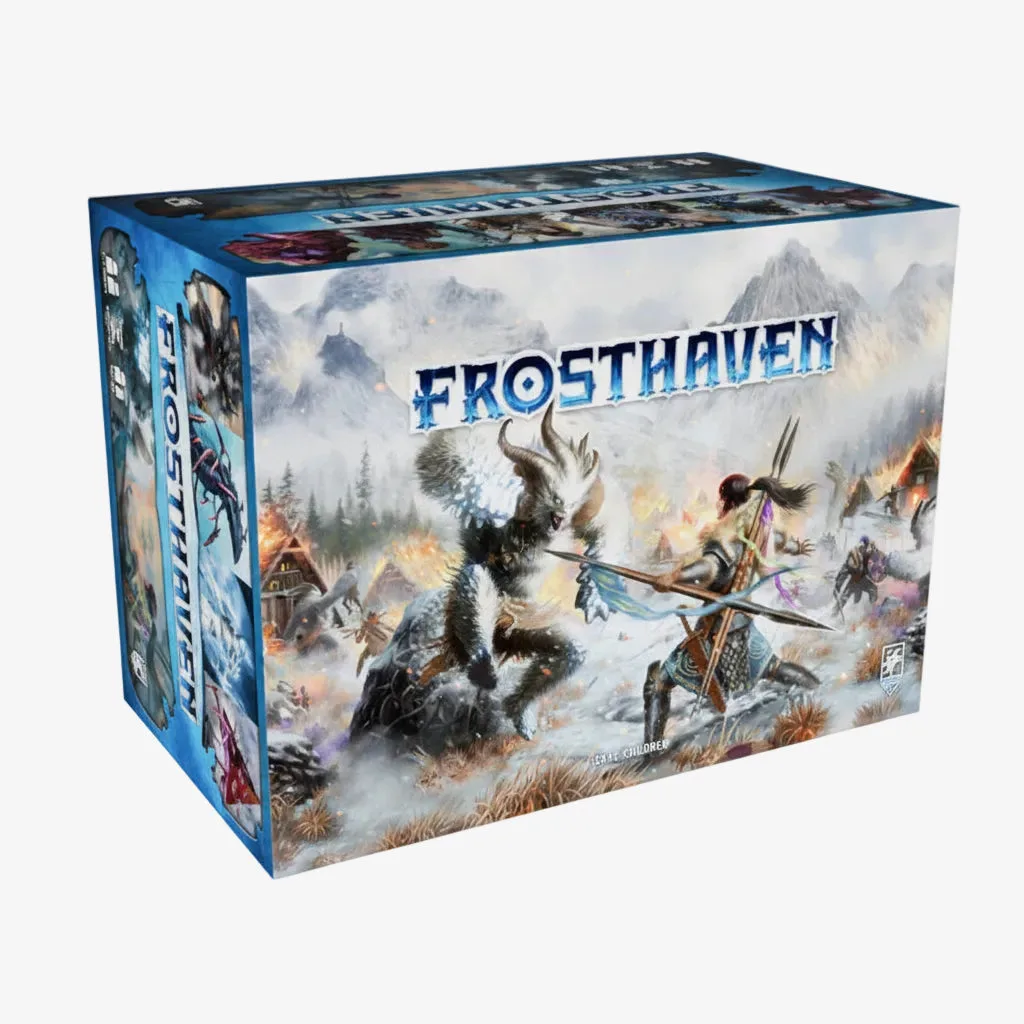
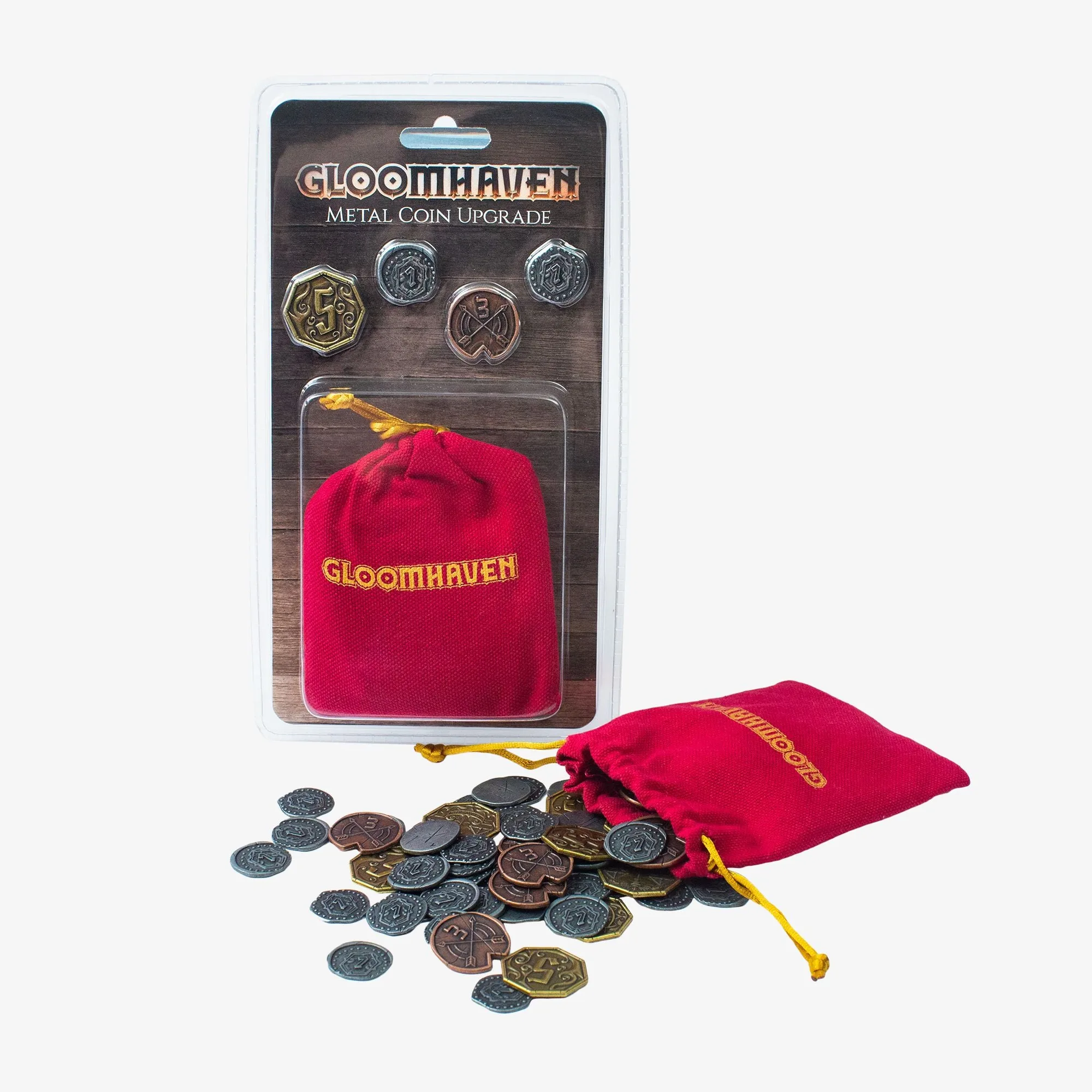
- Gloomhaven: Metal Coin Upgrade: A premium 60-coin set compatible with all titles in the Gloomhaven Universe, including Gloomhaven, Forgotten Circles, Jaws of the Lion, and Frosthaven. Nice table presence for experienced groups, but not necessary for teaching. Skip it until your players are hooked.
Introducing Gloomhaven is less about explaining every rule and more about sequencing the experience. Start small, teach the loop, and let your group win something early. Once they feel the rhythm of card play and cooperation, the full campaign will feel like the natural next step.