Quick answer
Put the new bowl down beside the old one, not instead of it. Feed the same food at the same times, and give your dog two to three days to choose. Keep meals to 15 minutes, then pick the bowl up. If your dog still won't eat from the bowl after a week, switch back and check with your vet before trying again.
A picky eater often refuses a new bowl for reasons that have nothing to do with the food. The dish may smell like detergent, sit at a different height, or slide across the floor. Dogs notice all of it, and a cautious eater may walk away rather than investigate.
The fix is not a bigger menu. It is a slower introduction that lets your dog keep eating while the new bowl becomes familiar. The steps below work for any bowl material or shape, and they pair well with the feeding routine you already use.
Why a new bowl can shut down mealtime
Dogs rely on smell and routine more than we do. A bowl fresh out of the box carries manufacturing or detergent odor, and even a faint scent can make food seem off. Height and depth matter too: a deep bowl forces the muzzle down and traps whiskers against the sides, which some dogs dislike.
Movement is the other common trigger. A light bowl that skids on tile turns eating into a chase. Before you blame the food, watch what the bowl does. If it slides, wobbles, or smells new, you have a solvable problem rather than a stubborn dog.
- Rinse any new bowl in hot water and let it air dry before the first meal.
- Set the bowl on a nonslip mat if your floor is smooth.
Step 1: Rule out a health problem first
A sudden refusal to eat is a veterinary question, not a bowl question. If your dog has stopped eating entirely, is losing weight, vomiting, or acting dull, book a vet visit before you change any feeding equipment. A new bowl will not fix nausea or dental pain.
If your dog eats happily from a plate, a hand, or the floor but avoids the bowl, the bowl is a fair suspect. That pattern is the one this process is built for.
- Call your vet if refusal lasts more than 24 hours or comes with other symptoms.
Step 2: Change one thing at a time
Swapping the bowl, the food, and the feeding spot on the same day gives you no way to tell what worked. Keep the food identical and the location identical. The bowl is the only variable.
If you are also transitioning to a new food, finish that transition first. Then wait a few days of normal eating before you introduce the bowl.
- Write down what your dog ate and how long it took for three days before you start.
Step 3: Put the new bowl next to the old one
Place both bowls side by side, with the usual portion split between them or the full portion in the familiar bowl. The goal is exposure without pressure. Your dog can sniff the new bowl, ignore it, and still eat dinner.
Do this for two or three meals. Most dogs will investigate the new bowl out of curiosity once they realize it is not a threat to the routine.
- Do not hold the new bowl, tilt it toward your dog, or coax. Let it sit.
Step 4: Move a few kibbles into the new bowl
Once your dog eats normally with both bowls down, put a small handful of the usual food in the new bowl and the rest in the old one. A small amount keeps the stakes low. If your dog eats the handful and looks for more, that is a good sign.
Increase the share in the new bowl over several meals rather than all at once. If your dog skips the new bowl entirely, drop back to the previous amount and hold there for a day.
- Never add a special topping to the new bowl only. It teaches your dog that the old bowl is the plain one.
Step 5: Keep the 15-minute rule
Picky eaters train us well. If you leave food down all day or follow your dog around with the bowl, you remove any reason to eat at mealtime. Set the bowl down, give your dog 15 minutes in a quiet space, then pick it up.
This is the step most owners skip, and it is the one that makes the rest work. A dog that knows food appears and disappears on a schedule eats with more focus.
- Fresh water stays available all day. Only the food bowl goes up.
Step 6: Reduce the audience and the noise
Some dogs eat poorly when another pet, a toddler, or a busy doorway is nearby. Feed the picky eater in a separate room or behind a baby gate for the transition period. Once eating is reliable, you can return to the normal spot.
Keep the area calm. Turn off the vacuum, put the other dog outside, and step away rather than watching. A dog that feels watched may wait you out.
- If you have multiple dogs, feed them out of sight of each other during the switch.
Step 7: Use enrichment as a backup, not a replacement
If your dog eats from a bowl but seems bored, a food toy can add interest without changing the meal itself. The NEW! Tough Rubber Treat Holder & Chew Toy is a treat dispenser and chew toy in one, which gives your dog a job to do at mealtime. It is a useful option for dogs who eat too fast or need mental stimulation.
Keep the bowl as the main meal and use the toy for part of the portion or for treats. That way a picky eater still gets a predictable bowl routine while the toy adds variety.
- Start with a small amount of food in the toy so a slow eater does not get frustrated.
Step 8: Give it a week, then decide
Set a clear end point before you start. Give the new bowl seven days of consistent meals. If your dog is eating normally from it by then, retire the old bowl. If your dog is still skipping meals or losing interest, go back to the old bowl and pause.
You can try again later with a different material, width, or height. Some dogs do better with a shallow, wide dish; others prefer ceramic over metal because it does not slide or clink.
- Track weight if the transition runs longer than a week. Weight loss means stop and call your vet.
Step 9: Know when to stop and get help
A bowl transition should never cost your dog more than a meal or two of reduced appetite. If your dog refuses food for more than 24 hours, loses weight, or shows pain while eating, stop the process and contact your veterinarian.
Picky eating can also be a symptom rather than a personality trait. Dental disease, gastrointestinal issues, and stress all look like fussiness at the bowl. Your vet can rule those out before you spend more time on equipment.
- Bring your feeding notes to the appointment. Timing and amounts help your vet.
The bowl transition at a glance
- Days 1-3: Side by side: Put the new bowl next to the old one and keep the food and location the same. Checkpoint: your dog eats normally with both bowls down.
- Days 4-6: Small portions in the new bowl: Move a handful of the usual food into the new bowl and increase slowly. Checkpoint: your dog eats from the new bowl without coaxing.
- Days 7+: Full meal in the new bowl: Serve the whole portion in the new bowl and remove the old one. If your dog still skips meals, go back a step or check with your vet.
Products that can help with mealtime
- NEW! Tough Rubber Treat Holder & Chew Toy: Combination treat dispenser and chew toy that provides entertainment, boosts mental stimulation, and promotes oral health. Useful for a dog that eats fast or needs a mealtime challenge, but it should support the bowl routine rather than replace it.
- NEW! Gift Box Durable Rubber Chew Toy & Treat Dispenser: Durable chew toy that dispenses treats and can slow down fast eating habits or speed eaters. A practical option if your picky eater gulps food or gets bored with a plain bowl, and the square shape is built for power chewers.
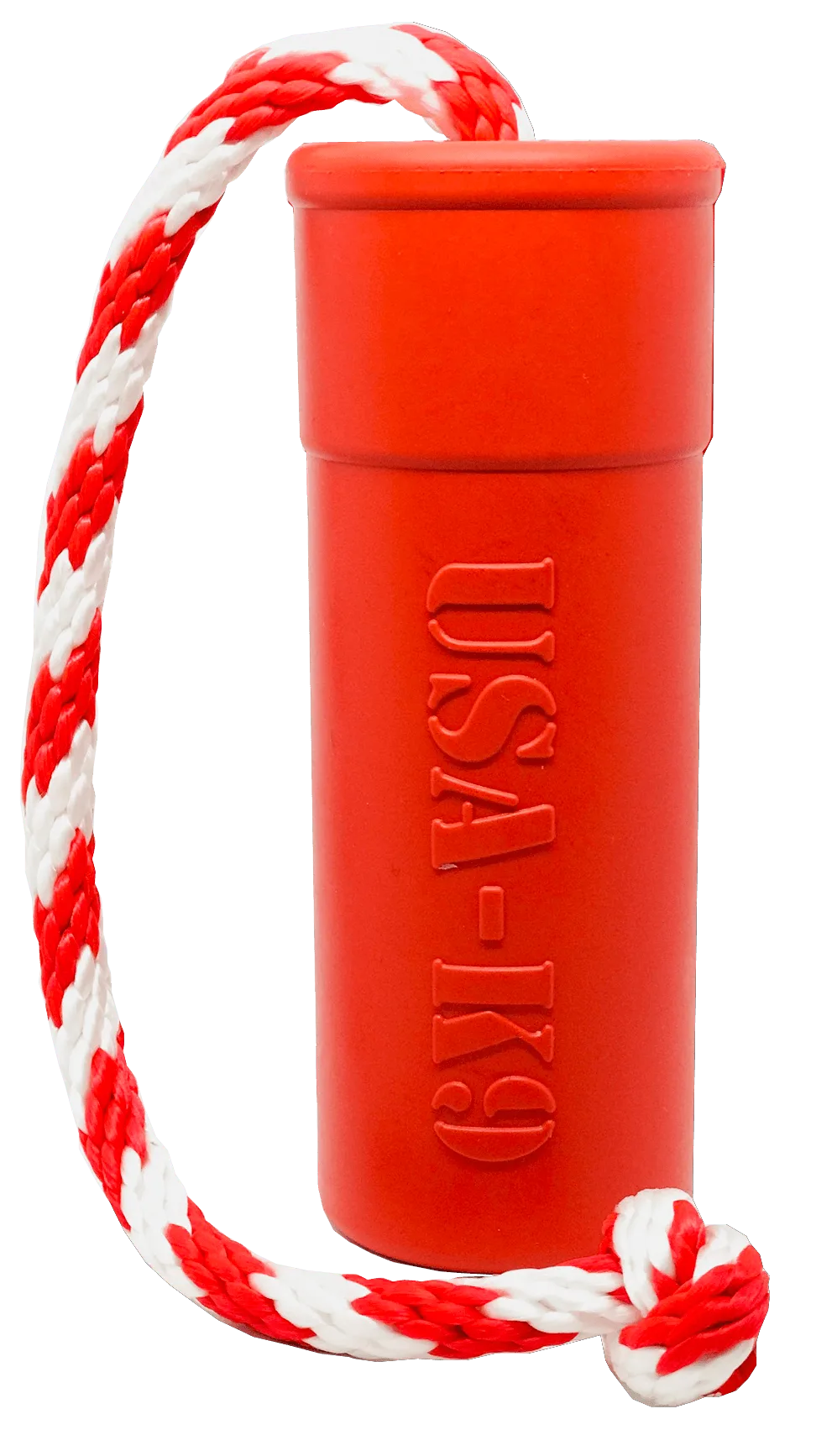
- NEW! K9 Tough Firecracker Rubber Floating Training Toy: Durable rubber floating training toy suited to fetch and retrieving games. If your dog is reluctant to eat, a short play session before meals can build appetite without changing the food.
A picky eater usually needs patience and one variable at a time, not a new menu. Put the new bowl beside the old one, keep meals to 15 minutes, and let your dog choose at its own pace. If a week passes without normal eating, stop and talk to your vet.