Quick answer
Start by picking a game whose complexity matches the group's experience, then teach in this order: theme and goal, turn structure, the one or two core decisions, and only the rules needed for the first round. Play a short practice round with open information, coach the first turn, then let them play and answer questions as they come up.
You don't need to explain every rule before the first turn. The fastest way to introduce new players to a complex board game is to give them a reason to care, a clear goal, and just enough rules to make a meaningful first decision. Everything else can be taught in context.
This step-by-step process works for heavy strategy games, co-op survival games, and asymmetric card games alike. It assumes you already know the rules well enough to teach without reading the manual aloud. If you're still learning the game yourself, play it solo or two-player first so your explanation is smooth.
Step 1: Match the game to the group before you teach anything
The biggest onboarding mistake happens before anyone sits down: choosing a game that's too heavy for the table. If your players are new to modern board games, a 3-hour asymmetric card game with hidden roles will likely lose them. If they already play mid-weight euros, a light party game may bore them.
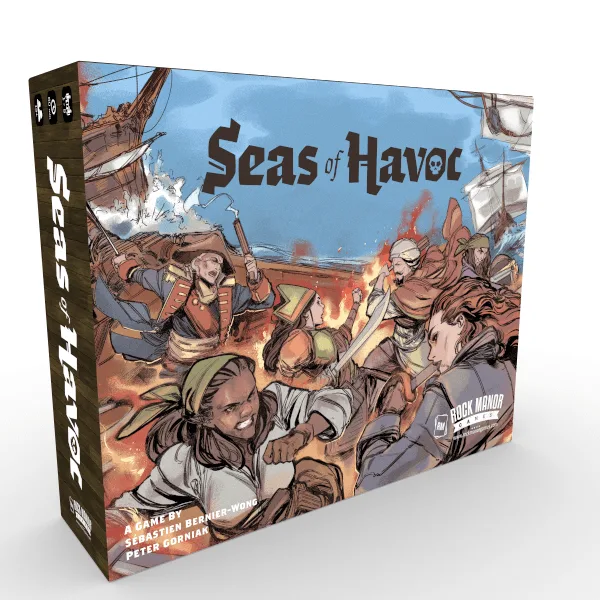
Use the game's player count, play time, and complexity as a filter. Seas of Havoc supports 1-5 players and uses a personal deck of movement and cannon-fire cards, which is a lot to absorb if someone has never played a deck-driven game. https://rockmanorgamesdz.com/products/lawyer-up-season-2-89095f2728794da0b64efbab-1730828Lawyer Up: Season 2 is a two-player asymmetric courtroom card game with a solo expansion, so it fits a very different table than a five-player skirmish.
- Checkpoint: Can you describe the game's core loop in one sentence? If not, you don't know it well enough to teach it yet.
Step 2: Set up the game so the first turn is ready to go
New players learn faster when the board is already built. Set up the full game before anyone arrives, including decks, tokens, and player pieces. If the game has a complex setup, do it yourself so the group's first impression is the game, not the rulebook.
For games with unique starting decks or asymmetric roles, pre-select a few beginner-friendly options rather than making new players read every card. In Seas of Havoc, each player begins with a unique deck defined by their chosen ship and special abilities from their captain, so handing someone a pre-built ship and captain removes one decision from the learning curve.
- Common mistake: making new players watch a 15-minute setup. It kills momentum before the first turn.
Step 3: Teach the theme and the win condition in under two minutes
Before any rules, explain what the game is about and how someone wins. In Seas of Havoc, players captain a ship and compete to gain the most Infamy through naval battle. That single sentence tells players what they're doing and why. In Lawyer Up: Season 2, one player is the prosecution and the other is the defense in a courtroom drama, and the win condition is tied to the case outcome.
Theme and goal give the rules a place to attach. Without them, players memorize mechanics with no context, and retention drops. Keep this under two minutes and resist the urge to explain edge cases.
- Checkpoint: Ask a player to repeat the goal back to you. If they can't, repeat it once, then move on.
Step 4: Explain the turn structure, then stop
The turn structure is the skeleton of the game. Walk through what a single turn looks like from start to finish: what you do, in what order, and when the turn passes. For a deck-driven game like Seas of Havoc, that means playing a card to move or fire, resolving the effect, and ending your turn.
Do not explain every card, every icon, or every corner case. Point to the player aid or reference card and tell them you'll cover specifics when they come up. Most complex games have a reference sheet for a reason; use it instead of your memory.
- Common mistake: explaining the whole rulebook in order. Rules are not a story; teach them in the order players will need them.
Step 5: Highlight the one or two core decisions
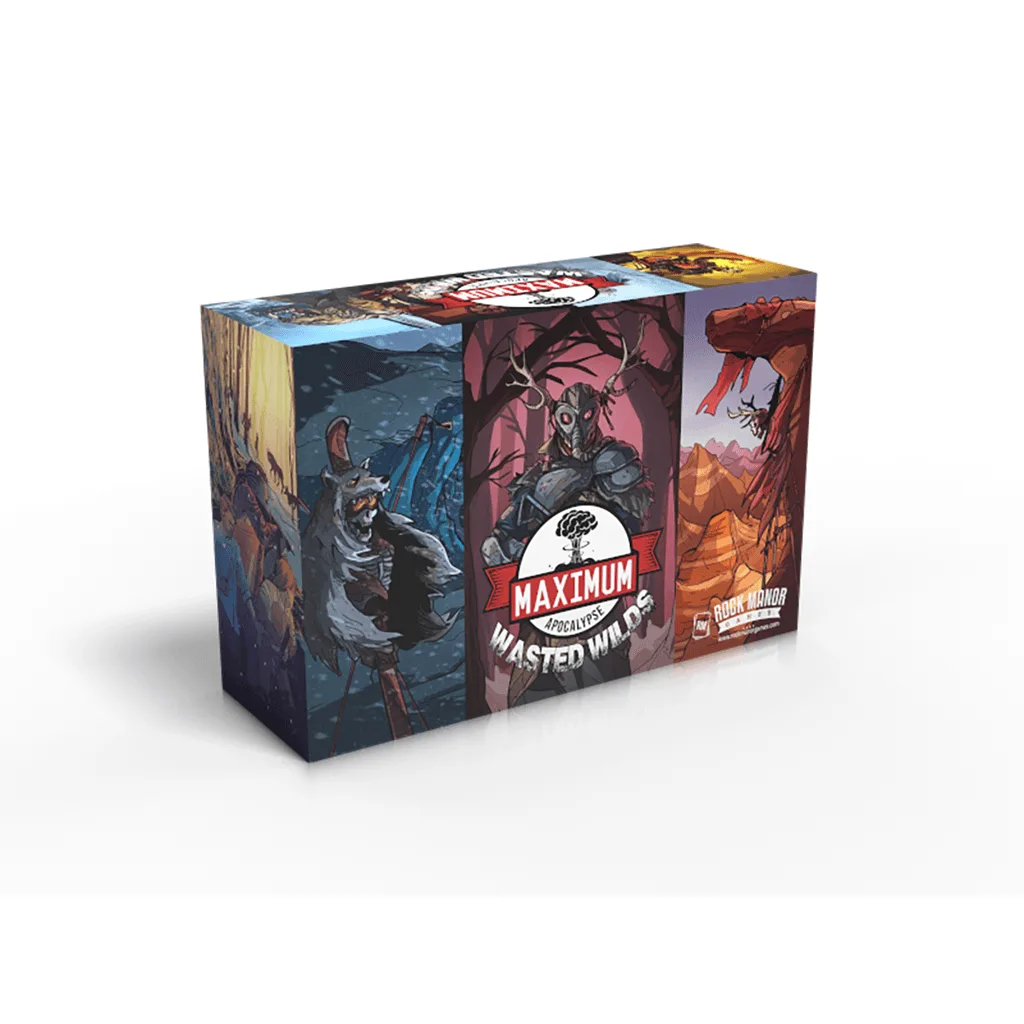
Every good game has a central tension. Identify it and name it out loud. In a deckbuilding game like Brass Empire: 2nd Edition, the core decision is which cards to add to your deck and when to sabotage rivals to amass wealth and influence. In a cooperative survival game like Maximum Apocalypse: Wasted Wilds, the core decision is how to manage exposure to the elements and interactions with other survivors across two campaigns.
When players understand the central decision, they can evaluate their options even if they don't know every rule. That's the moment the game clicks.
- Checkpoint: If a player can describe the main trade-off in their own words, you've taught the game, not just the rules.
Step 6: Play a short practice round with open information
Run one practice round where everyone plays with cards face up and you narrate options. This is not a real game; it's a rehearsal. Let players ask 'what happens if I do this?' and answer honestly. In a game like Lawyer Up: Season 2, the Discovery phase is a good place to practice because players draft evidence to support their case and bury evidence that helps the opponent.
After the practice round, reset the game or continue from that state. Most groups prefer to reset so the real game starts clean. Either way, the goal is to remove the fear of the first turn.
- Common mistake: skipping the practice round to save time. It usually costs more time later in rules questions and analysis paralysis.
Step 7: Coach the first real turn, then step back
For the first real turn, sit next to the newest player and walk through their options without playing for them. Ask 'what are you trying to do?' and help them find the rule that supports it. Once they've made one decision on their own, step back and let the game run.
Resist the urge to correct every suboptimal move. New players learn from mistakes, and a game where they feel watched is a game they won't want to replay. Answer questions when asked, and let the table self-correct.
- Checkpoint: If you're talking more than the new player, you're playing their turn for them.
Step 8: Debrief after the game, not during it
After the game ends, spend two minutes asking what clicked and what didn't. This is when you can explain the rules you skipped and the strategies they missed. It also tells you what to emphasize next time you teach the same game.
If the game fell flat, consider whether the complexity was the issue or the theme. A group that bounced off a heavy skirmish game might enjoy a lighter deckbuilder like Brass Empire: 2nd Edition, which uses a similar card-driven economy in a more compact package.
- Common mistake: debriefing during the game. Save the teaching moments for after the final turn.
Step-by-step onboarding checklist
- Match the game to the group: Pick a game whose player count, play time, and complexity fit the table. If in doubt, go lighter. Checkpoint: You can describe the core loop in one sentence.
- Set up before they arrive: Build the board, shuffle decks, and pre-select beginner-friendly roles or starting decks. Common mistake: making new players watch setup.
- Teach theme and win condition first: Explain what the game is about and how someone wins in under two minutes. Checkpoint: A player can repeat the goal back to you.
- Explain the turn structure only: Walk through one turn start to finish. Point to the reference card for specifics. Common mistake: reading the rulebook in order.
- Name the core decision: Identify the one or two central trade-offs players will face every turn. Checkpoint: A player can describe the main trade-off in their own words.
- Run a practice round with open information: Play one round face up, narrate options, and answer questions. Reset or continue. Common mistake: skipping the practice round to save time.
- Coach the first real turn, then step back: Help the newest player make one decision, then let the game run without hovering. Checkpoint: The new player is talking more than you are.
Games that work well for onboarding
- Seas of Havoc: Captain's Deluxe Edition: Seas of Havoc is a naval skirmish game for 1-5 players where you captain a ship and engage in battle using a deck of cards that dictate your ship's movement and cannon fire. The card-driven turn structure is easy to demonstrate in a practice round, and the 1-5 player range means you can teach it at almost any table size.
- Lawyer Up: Season 2: Lawyer Up: Season 2 includes 3 brand new cases (Celebrity Divorce, Private Eye, Casino Heist) along with a robust Solo expansion, and is an asymmetrical two-player courtroom drama card game. The two-player format and self-contained cases make it a low-pressure way to introduce asymmetric play without a large group.
- Brass Empire: 2nd Edition: Brass Empire is a strategic Steampunk deckbuilding card game where players battle and sabotage other companies to amass economic wealth and influence. The deckbuilding core is familiar to many players and gives new players a clear, repeatable decision loop to practice.
- Maximum Apocalypse: Wasted Wilds: Maximum Apocalypse: Wasted Wilds is a cooperative roguelike game that adds two distinct campaigns with new twists around exposure to the elements and interactions with other survivors. Cooperative games let you coach openly without revealing hidden information, which is ideal for teaching complex systems.
Introducing new players to complex board games is a skill you can practice. Pick the right game, set it up early, teach in the order players need, and let them make real decisions quickly. The goal isn't a perfect rules explanation; it's a first game they want to play again.