Quick answer
Start with a contained kit, set up a dedicated zone with easy cleanup, and guide your child through one activity at a time. Choose age-appropriate kits, model safe habits, and let kids lead the discovery while you manage the mess. This approach builds confidence and keeps science play stress-free.
Why science kits are worth the setup effort
Science kits turn abstract ideas into hands-on experiences that build observation, logic, and problem-solving skills. They also spark curiosity and encourage kids to ask questions and test ideas. Unlike open-ended toys, a good kit provides structured steps and safe materials, so children can explore independently with adult supervision. The key is to treat the kit as a recurring activity, not a one-time event, and to establish simple routines that keep mess contained.
Pick the right first kit for your child
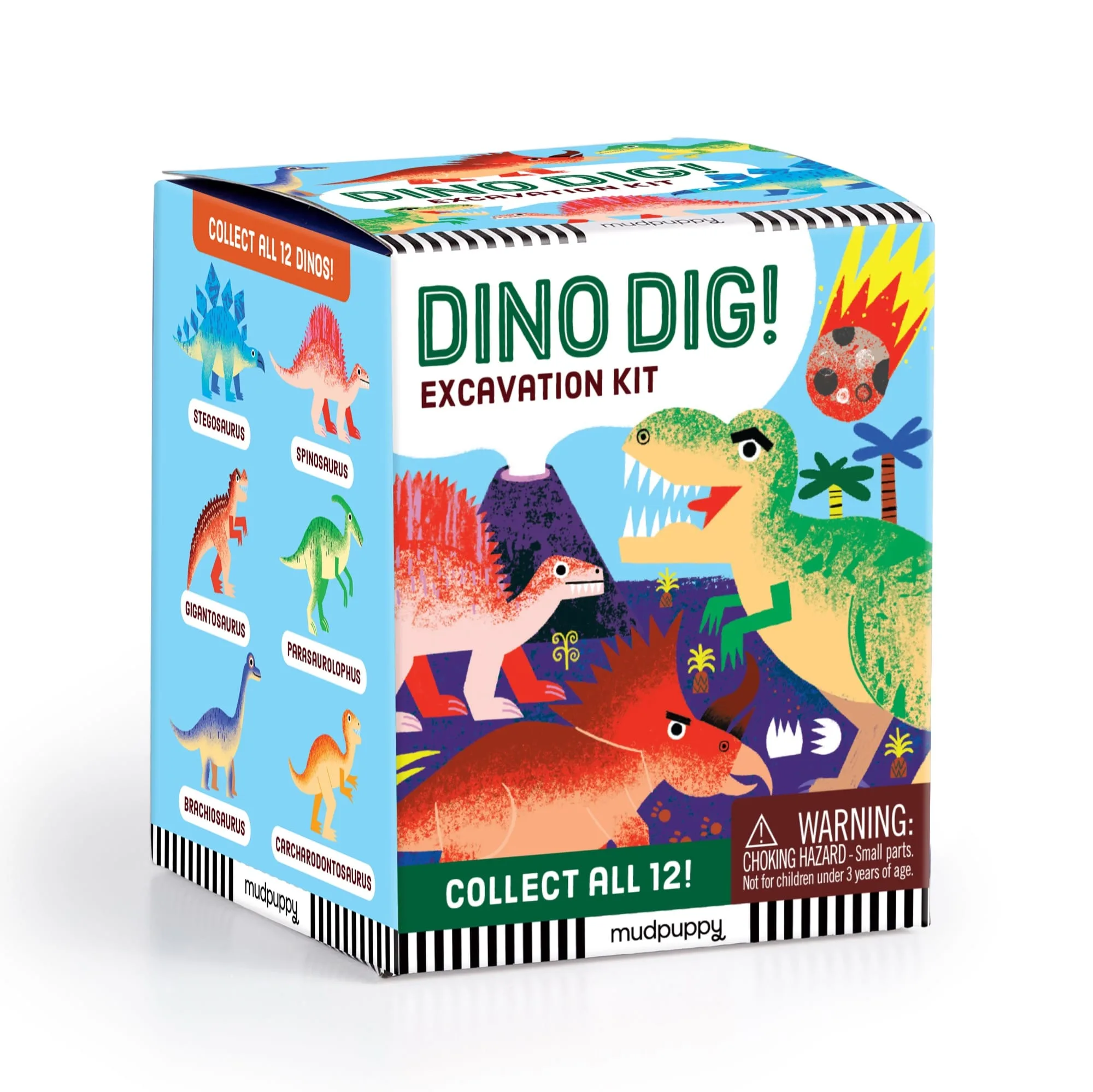
Choose a kit that matches your child's age and interests. For younger children, look for kits with large pieces, simple instructions, and minimal liquids. Older kids can handle more complex experiments with measuring and mixing. Avoid kits with vague instructions or unsafe chemicals. If you're unsure, start with a theme your child already loves, like dinosaurs or space, to keep engagement high. Remember that not all kits are messy; some focus on building or observation, which can be a gentler introduction.
Set up a science-ready space
Designate a table or counter as the science zone. Cover it with a plastic tablecloth or a large tray to catch spills. Keep a small bin nearby with paper towels, a damp cloth, and a trash bag for quick cleanup. Store the kit in a closed container when not in use to prevent pieces from scattering. If you have pets or toddlers, choose a space you can block off during activities. This setup takes five minutes but saves thirty minutes of cleaning.
Establish simple safety rules
Before opening the kit, go over three basic rules: never taste anything, wear safety goggles if provided, and wash hands after every activity. Demonstrate how to handle materials carefully and what to do if something spills. Keep a first-aid kit within reach, and supervise children under 10 closely. For older kids, you can gradually increase independence as they show responsibility. Safety becomes a habit when it's part of the routine, not a one-time lecture.
Step-by-step: introducing science kits without the mess
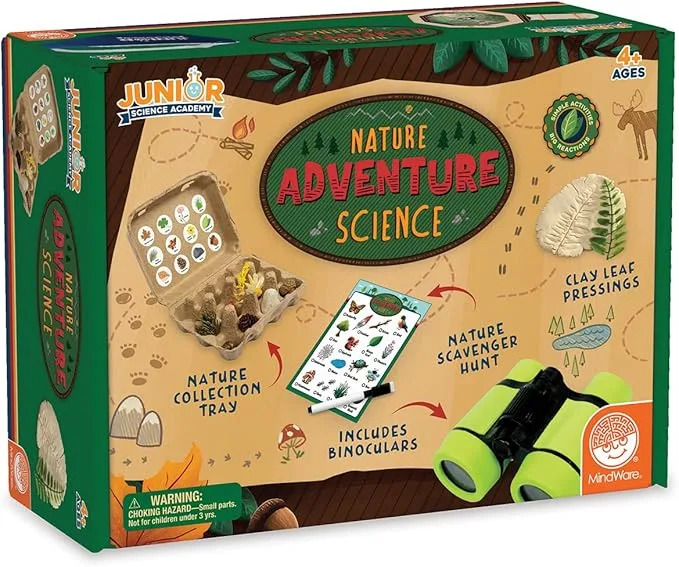
- Choose a contained kit: Select a kit that includes all necessary materials and stores compactly. Avoid kits that require you to gather extra household items, as this often leads to clutter and spills. Check the recommended age and read reviews for mess level. Checkpoint: Can you store the kit in one box? If not, it may create ongoing mess.
- Set up a dedicated zone: Pick a surface that's easy to wipe down, like a kitchen counter or a plastic mat on the floor. Keep cleaning supplies within arm's reach. This contains spills instantly and signals to kids that science happens here. Common mistake: Using a carpeted area or a table cluttered with other items.
- Do a dry run yourself: Before involving your child, open the kit and walk through the first experiment alone. Identify potential mess points, tricky steps, and missing supplies. This preparation lets you guide confidently and prevents frustration. Checkpoint: You should be able to explain the first activity in two sentences.
- Involve your child in setup: Have your child help lay out materials and put on any safety gear. This builds ownership and teaches organization. Assign simple tasks like pouring pre-measured ingredients or holding a funnel. Common mistake: Doing everything for them, which reduces engagement and learning.
- Run one activity at a time: Resist the urge to jump between experiments. Complete one, clean up, and then decide if you'll continue. This keeps focus, reduces mess, and makes the experience manageable for short attention spans. Checkpoint: If your child loses interest, stop and save the next activity for another day.
- Clean up together: Make cleanup part of the activity. Provide a damp cloth and a small bin. Teach kids to return materials to the kit and wipe the surface. This habit prevents mess from spreading and prepares for next time. Common mistake: Cleaning up after they leave, which misses a teaching moment.
- Store the kit properly: Keep the kit in a designated cabinet or bin, away from dampness and direct sunlight. Check that all pieces are dry before storing to prevent mold or degradation. A well-kept kit is ready for spontaneous science play. Checkpoint: The kit should be fully assembled and ready to use within two minutes.
Product facts
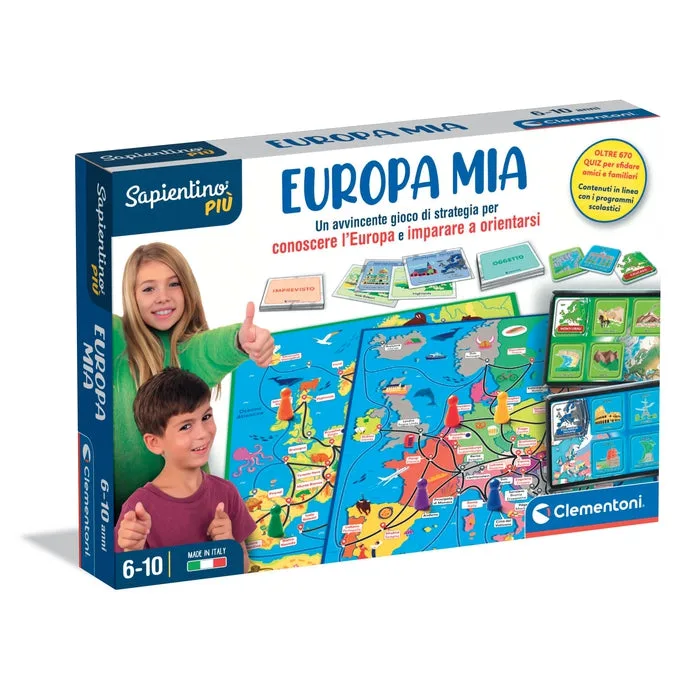
- Sapientino Più - Europa Mia: Sapientino Più - Europa Mia is an educational board game with a double-sided board (physical and political map of Europe), cards, and a travel booklet, with two difficulty levels. This game builds geography knowledge through play, offering a mess-free alternative to traditional science kits while still developing observation and logic skills.
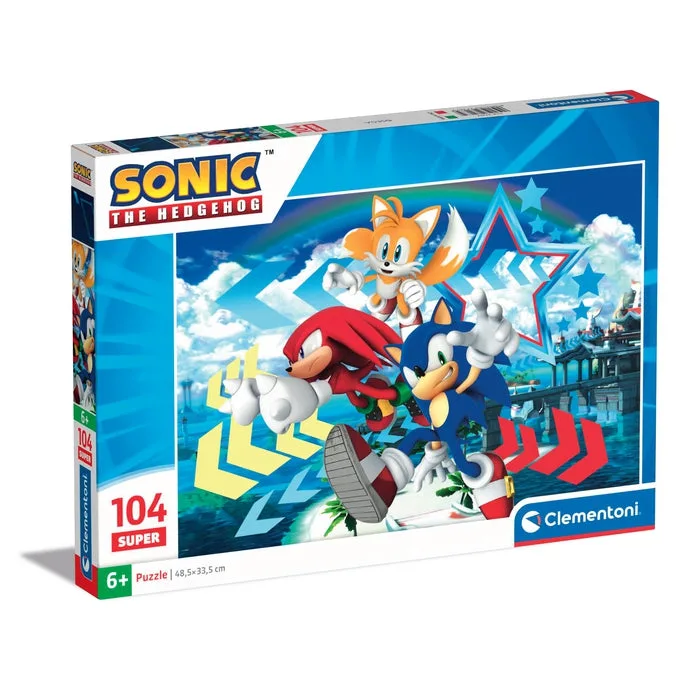
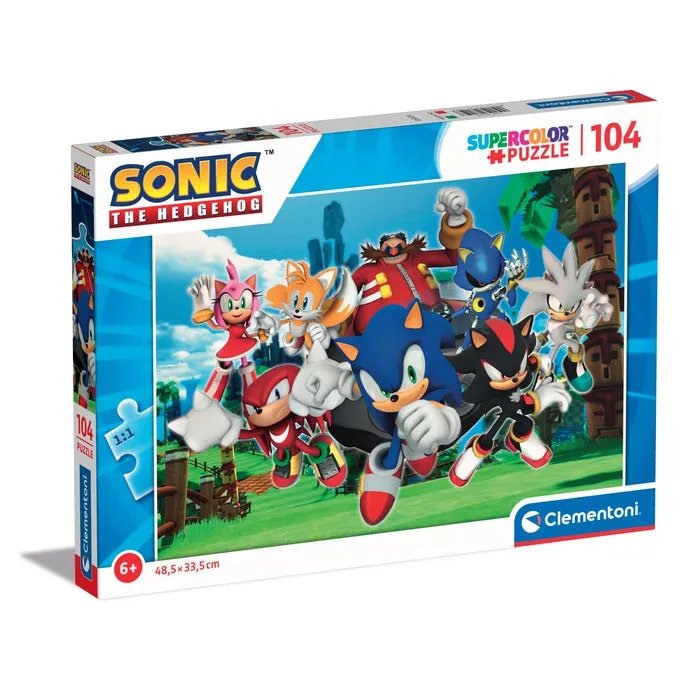
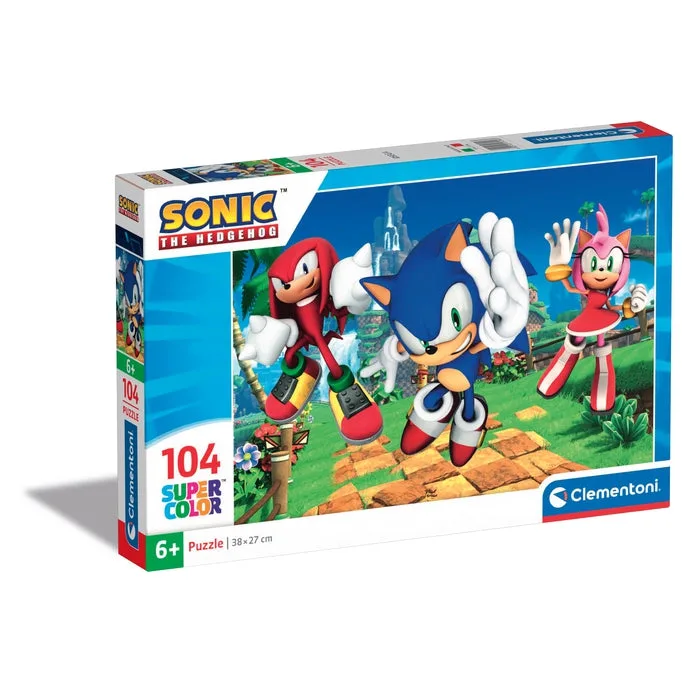
- Sonic - 104 pezzi: https://clementonijgz.com/products/sonic-104-pezzi-2-4bb9434b394fbca39f776bfa-1566277https://clementonijgz.com/products/sonic-104-pezzi-1-4f0a8d93fe2fddbbed24af36-1566296Sonic - 104 pezzi is a 104-piece puzzle measuring 48.5 x 33.5 cm when complete, designed to develop observation, logic, and manual skills. Puzzles are a zero-mess educational toy that reinforces patience and spatial reasoning, ideal for days when you want learning without cleanup.
- JURASSIC WORLD - 180 pezzi: JURASSIC WORLD - 180 pezzi is a 180-piece puzzle measuring 48.5 x 33.5 cm when complete, part of a range aimed at developing observation, logic, and manual skills. With more pieces, this puzzle suits older kids and offers a longer, focused activity that builds persistence and attention to detail.