Quick answer
Start with a short, low-rules strategy game that rewards decisions but forgives mistakes, teach it by playing a practice round instead of explaining everything first, and only then move up in complexity. Games like boop and OUTFOX the FOX work well as first steps because casual players can learn them in a few minutes and still feel clever while playing.
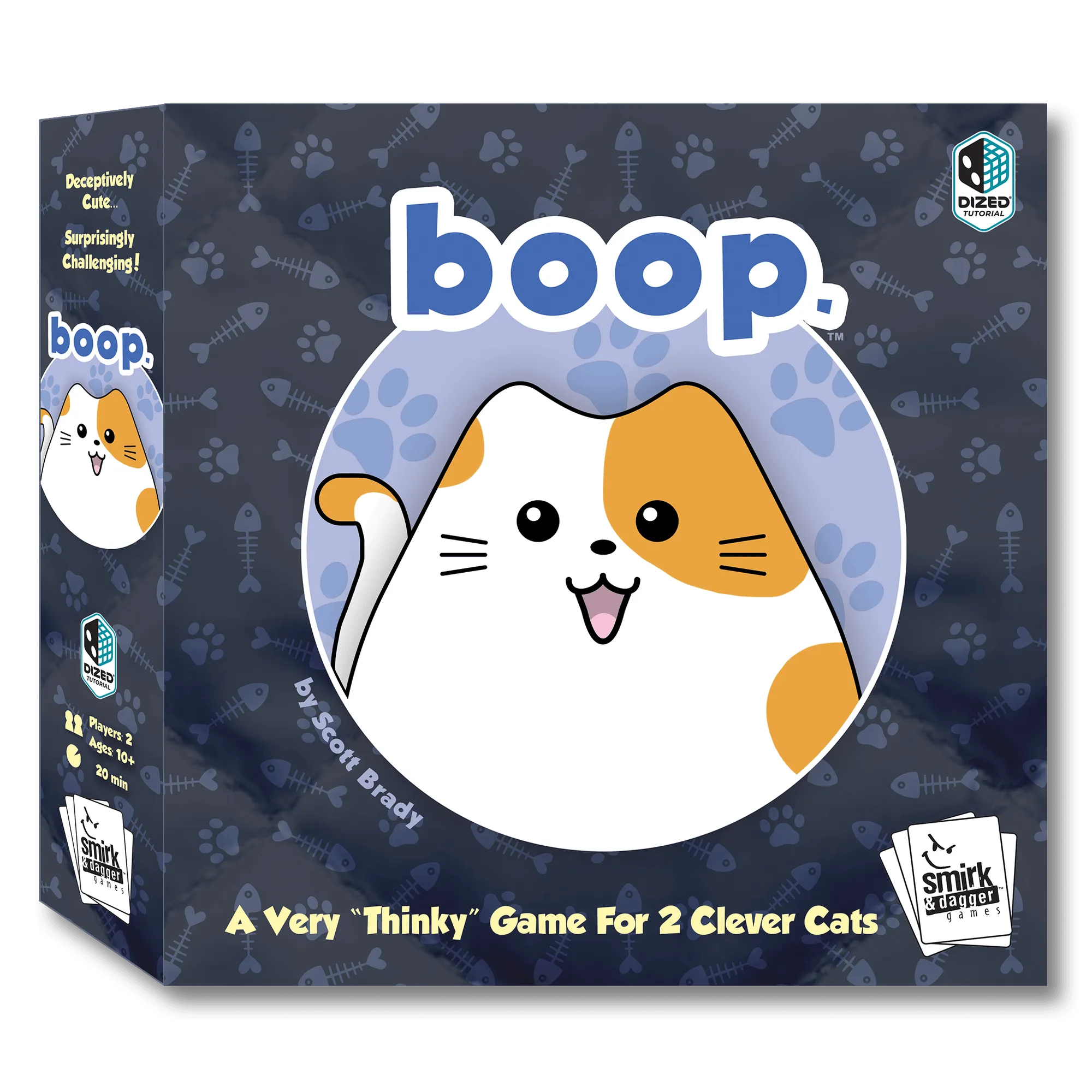
boop
Most casual players do not hate strategy. They hate the feeling of sitting through a long rules explanation while everyone else already understands what is happening. The fastest way to introduce strategy games is to pick something short, teach only what is needed for the first turn, and let the strategy reveal itself through play.
This guide walks through a repeatable process you can use with friends, family, or a mixed group. It also points to a few easy strategy board games that make the jump from party games to thinky games feel natural rather than like homework.
Why the first game matters more than the rules
Casual players judge strategy games on the first ten minutes, not on the depth underneath. If the first turn is slow, confusing, or full of exceptions, they will assume every strategy game feels that way. Choose a game with a small decision space and a clear goal so the group can start making real choices almost immediately.
That is why light abstract games and team trivia games are such useful gateways. They ask players to think ahead, but the rules fit on a card and the consequences of a bad move are small. Once someone has made one good decision and seen it pay off, they are far more open to a second, slightly heavier game.
- Aim for a first game that plays in 20 minutes or less and can be explained in under five.
- Pick a theme that fits the group, not the one you personally want to play most.
Choose a gateway game that matches the group
Gateway strategy games come in a few flavors: abstract placement games, cooperative puzzle games, and light hidden-role or deduction games. Abstract games suit players who like quiet thinking. Cooperative games suit groups that would rather solve a problem together than compete. Party-style strategy games suit loud tables where the social energy matters as much as the decisions.
Match the flavor to the people, not the other way around. A group that already loves trivia will take to OUTFOX the FOX quickly because the strategy is about ordering answers and spotting a bluff. A group that likes cute competition will read boop in about two minutes. The goal is a first game that feels like something they already enjoy, with one extra layer of thinking.
- Ask what they already play, then pick the strategy game closest to that experience.
- Avoid games with lots of iconography, hidden scoring, or long setup for a first session.
Teach by playing, not by lecturing
The biggest mistake when teaching strategy games is front-loading every rule before anyone touches a piece. Instead, explain the goal and the one action a player takes on a turn, then play one open practice round where everyone can see each other's choices. Add the remaining rules only when they become relevant.
For example, with boop you can explain that placing a kitten pushes neighboring kittens one space away, and that three kittens in a row become cats. You do not need to explain every edge case before the first placement. The pushing rule teaches itself the first time someone gets bumped, and that moment is more memorable than any speech.
- State the win condition first, then the turn action, then nothing else.
- Play one practice round with hands visible, then reset and start for real.
Keep the first session short and let them win
A first strategy game should end while people still want more. Play one round, not a tournament. If the group is enjoying it, offer a second round immediately, but do not push a third. Ending on a high note is what turns a one-time experiment into a request for next week.
You should also avoid crushing new players. Play honestly but not ruthlessly, and point out good moves they make. If someone finds a clever sequence, say so. The point of the first session is confidence, not competition. A casual player who feels competent will happily try a heavier game later.
- Stop after one or two rounds even if everyone is having fun.
- Narrate one good decision each player made so they can repeat it next time.
Graduate to slightly heavier games
Once the group is comfortable with a light strategy game, increase complexity in small steps. Add a game with one new mechanic rather than three. A cooperative game with a shared problem, like The SPILL, works well as a second step because players can discuss options together and no one feels singled out by a loss.
Watch for the signals that a group is ready: they ask about strategy during the game, they want to replay immediately, or they start predicting each other's moves. When you see those, you can introduce a game with programmed actions or asymmetric abilities. Until then, stay in the light category and keep the sessions short.
- Increase complexity by one new rule or mechanic per session, not more.
- Let the group ask for the next step instead of announcing it yourself.
Your step-by-step plan for the first strategy game night
- Pick one light strategy game and learn it cold: Choose a game with a short rule set and a clear goal, then play it yourself or watch a teach so you can explain it without checking the rulebook. If you cannot explain the goal and one turn in under two minutes, pick a simpler game.
- Set up before anyone arrives: Have the board, pieces, and reference cards ready so the group sits down to a game in progress, not a pile of components. A prepared table signals that the game will be quick and easy to start.
- Explain only the win condition and the turn action: Skip the edge cases, scoring details, and strategy advice. Cover what a player does on a turn and how the game ends. If someone asks a rules question, answer it then, not earlier.
- Play one open practice round: Keep hands visible and talk through choices together. Let players see how a decision changes the board before the real game begins. Reset the game after the practice round so no one starts with an advantage.
- Play one real round and stop: Finish the game, point out one smart move from each player, and then offer a second round only if the group asks for it. Ending early leaves the group wanting more instead of feeling drained.
- Schedule the next step before the night ends: If the group enjoyed it, suggest a slightly heavier game for next time and mention one new mechanic it adds. One small step up in complexity keeps momentum without overwhelming anyone.
Games that work well for a first strategy session
- boop: It looks adorable, but is a deceptively challenging abstract strategy game where placing a kitten pushes every other kitten next to it one space away, and lining up three kittens turns them into cats. The push mechanic is easy to demonstrate in one turn, so casual players learn the strategy by doing rather than by listening.
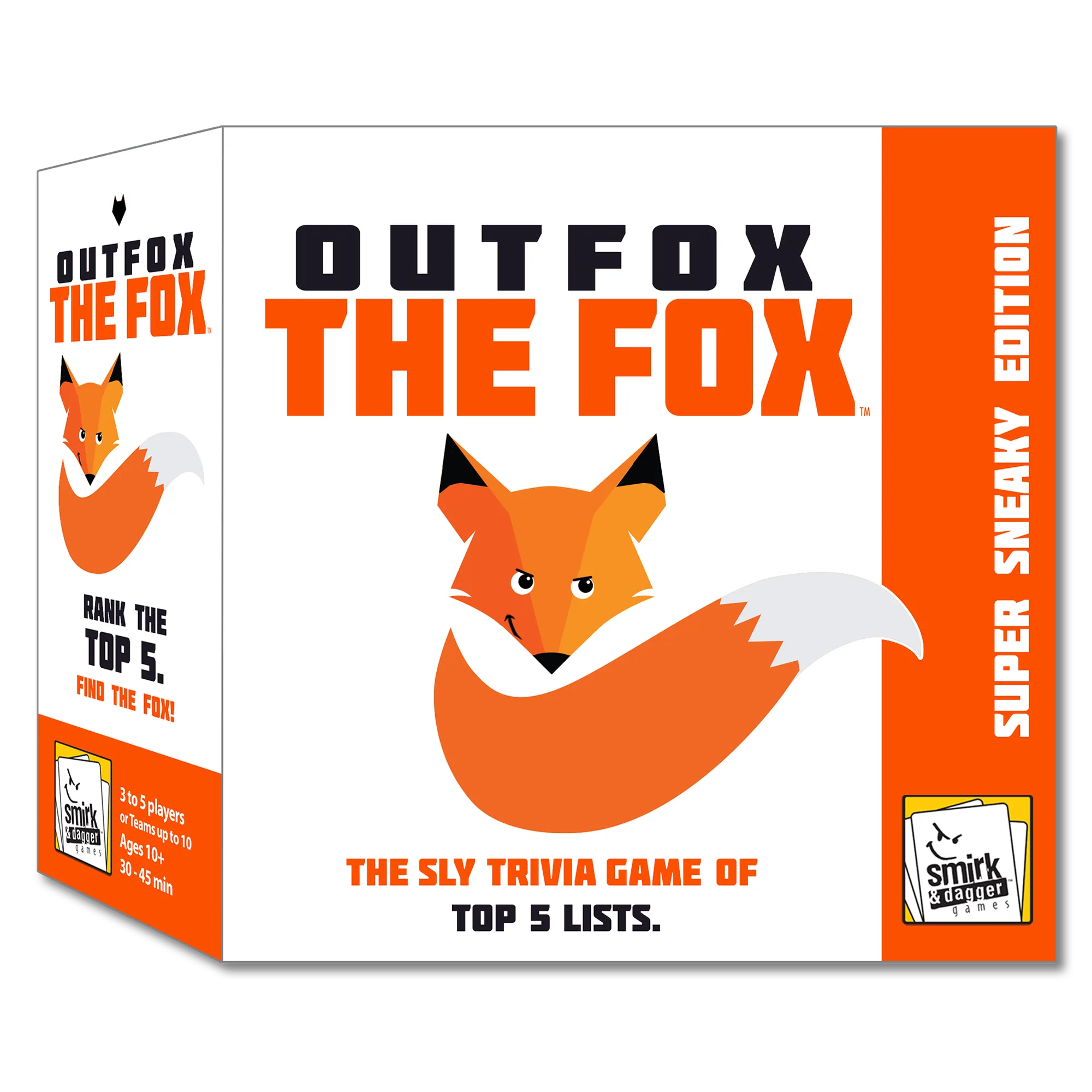
- OUTFOX the FOX - A Sly Game of Top Five Trivia for 3-10: Players team up to debate and sequence the order of top 5 lists, but each round one player inserts a fake answer called THE FOX among the five real ones. It works for a wide player count and blends trivia with bluffing, which makes it a comfortable bridge for groups that already enjoy party games.
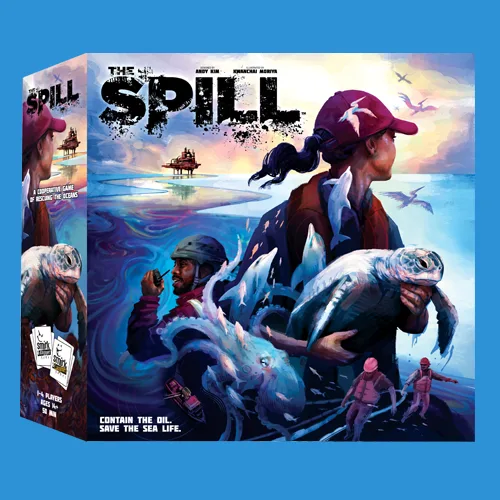
- The SPILL: a dynamic co-op game of saving our oceans from a disaster: A fully co-op game featuring a 4-way dice tower pouring oil into the ocean, where the response team must work together to avert an ecological disaster. Cooperative play removes the pressure of direct competition, which helps casual players focus on decisions instead of worrying about losing to one person.
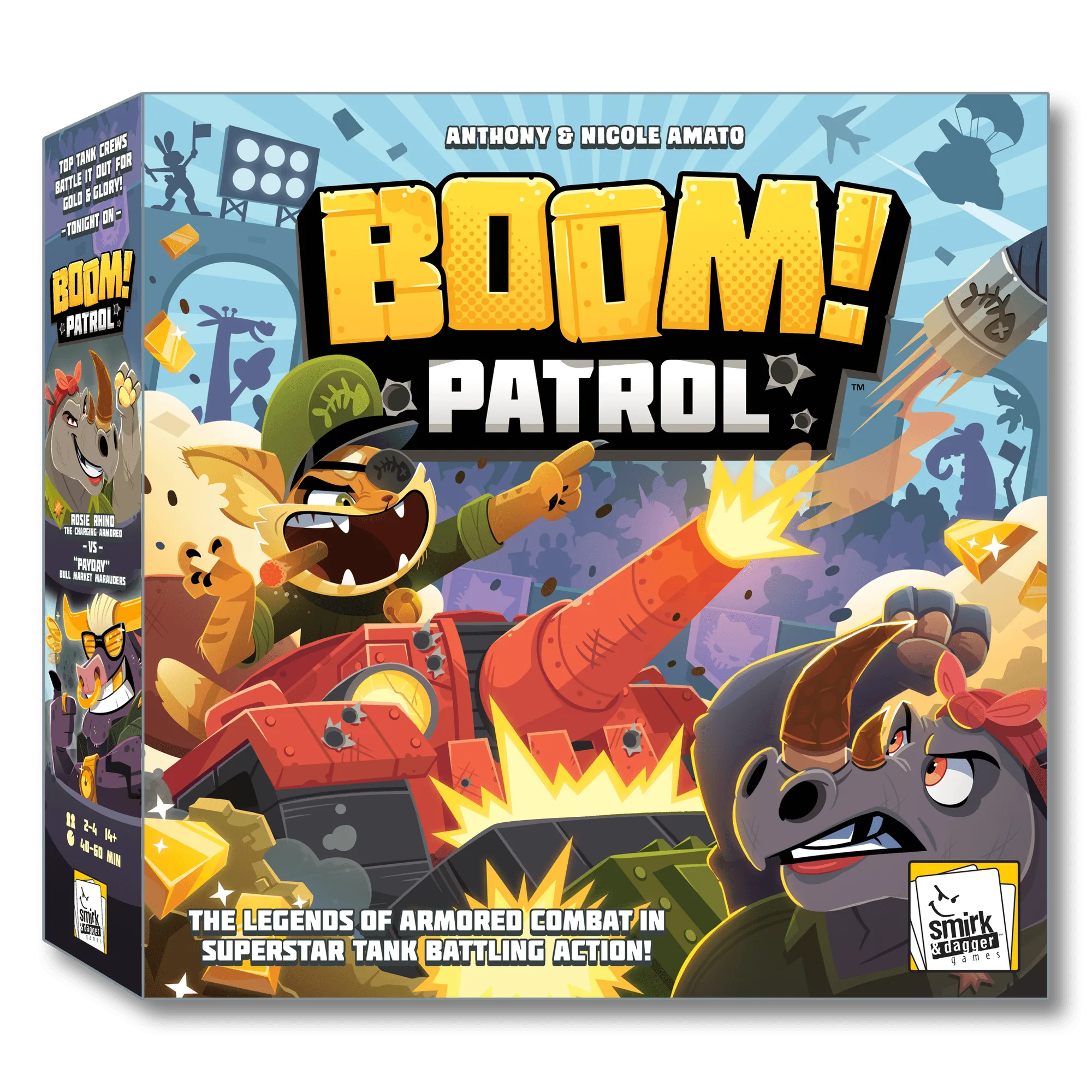
- Boom Patrol - Superstar Tank Battling Action!: An all-out battle for gold and glory in fantasy spectator sport, with animal tank commanders and programmed command cards. Programmed cards add a small layer of planning without a long rules overhead, making it a good next step once the group is comfortable with light strategy.
Introducing strategy games to casual players is less about the game and more about the first ten minutes. Pick something short, teach it by playing, and stop while it is still fun. Do that, and the group will ask for the next game on their own.