Quick Answer
Clean your bird's cage in three layers: a quick daily refresh of food and water dishes, a weekly full scrub of perches, toys, and trays, and a monthly deep clean of the entire cage and surrounding area. The single most important habit is removing wet droppings and spoiled food every day, because that is what drives odor, bacteria, and most cage-related health problems.
A clean cage is not about a spotless look. It is about removing the two things that actually make birds sick: droppings that stay wet too long and food that sits out and spoils. Get those two under control and the rest of bird cage maintenance becomes a short, predictable routine instead of a weekend project.
The routine below is built around what changes fastest. Daily tasks take a few minutes, weekly tasks take about twenty, and monthly work resets the whole setup. Work at your bird's pace, keep cleaning products away from the bird, and never rely on smell alone to judge whether a cage is clean.
Set Up a Cleaning Kit Before You Start
Keep a dedicated caddy with a bird-safe cleaner, paper towels, a soft scrub brush, a small detail brush for cage bars, and a spare set of dishes. Having a second set of food and water bowls matters more than most owners expect: you can swap in clean dishes immediately and wash the dirty ones later, instead of leaving your bird without water while you scrub.
Check the label on every cleaner before it touches the cage. Many household sprays leave residue that a bird can ingest while preening. Rinse all surfaces with clean water after cleaning, and let them dry fully before the bird returns. If a product's safety for birds is not stated, do not use it inside the cage.
- Keep a separate sponge or brush for cage cleaning only, never one used in the kitchen or bathroom.
- Replace worn dishes and cracked perches rather than trying to scrub them clean.
Daily: Remove the Fastest Sources of Odor
Every day, dump and rinse the food and water dishes, remove fresh produce before it wilts, and wipe up wet droppings from tray liners, perches, and cage bars. Fresh foods and moist droppings are the two biggest contributors to bird cage hygiene problems, and both get worse within hours, not days.
While you are in the cage, look at the bird, not just the mess. Droppings that change color or consistency, a bird sitting fluffed on the cage floor, or a sudden drop in appetite are reasons to call an avian vet rather than adjust your cleaning schedule.
- Common mistake: topping off a dirty water dish instead of washing it. Biofilm builds on the bowl even when the water looks clear.
- Checkpoint: if the cage smells when you walk into the room, your daily routine is not keeping up.
Weekly: Scrub Perches, Toys, and Trays
Once a week, take out perches, toys, and trays, scrub them with your bird-safe cleaner, and rinse thoroughly. Wood perches and rope toys hold droppings in their texture, so scrub them with a brush rather than a quick wipe. Rotate toys so each one gets cleaned and your bird gets a change of scenery at the same time.
Replace tray liners, wash the cage floor and lower bars, and clean the area around the cage where seed hulls and dust collect. This is also the right time to check for chewed bars, loose screws, and worn toy parts before they become a safety problem.
- Common mistake: putting damp toys or perches back in the cage. Let everything air dry completely.
- Checkpoint: run a finger along a perch after it dries. If it still feels tacky or gritty, clean it again.
Monthly: Deep Clean the Whole Cage
Once a month, move your bird to a safe carrier in another room and take the cage apart as far as it allows. Scrub bars, corners, the tray, and the frame, then rinse and dry everything before reassembly. Corners and the area behind the cage are where dust and dried droppings build up unnoticed.
Deep cleaning is also the moment to inspect the full setup: replace worn dishes, check that perches are not smooth or split, and confirm that the cage is still the right size as your bird grows or its activity level changes. A cage that is too small gets dirty faster because waste concentrates in a smaller area.
- Common mistake: cleaning the cage with the bird still inside or in the same room. Fumes and spray drift are a real risk.
- Checkpoint: after reassembly, confirm every door latch and food port closes securely before your bird goes back in.
Handle Bathing and Coat Care Without Overdoing It
Bathing supports bird health by loosening dust and dander, but it should not become a daily event. Offer a shallow dish or a light mist a few times a week for birds that enjoy it, and skip it for birds that clearly dislike water. A wet bird in a drafty room chills quickly, so keep the room warm until feathers dry.
If your bird's feathers look dull or soiled, look at the cage routine first. A greasy or dusty coat often traces back to a dirty environment or a diet that needs review, not to a missing bath. Fix the routine before adding products.
- Never use human shampoo or dish soap on a bird. Feathers and skin have different needs.
- If droppings stick to the vent feathers, that is a health signal, not a grooming problem.
Match Cleaning to Your Bird's Species and Mess Level
A single cockatiel and a flock of parrots do not need the same schedule. Powder-down species such as cockatiels and cockatoos produce fine dust that coats surfaces and needs more frequent wiping, while larger parrots produce more volume of droppings and food waste. Small birds in small cages also need more frequent tray changes because there is less space to spread the mess.
Adjust frequency rather than intensity. If your bird is a heavy mess-maker, add a second quick daily wipe-down instead of doing a full deep clean twice as often. Over-cleaning with strong products is its own risk.
- Write your schedule on the cage or in your phone so it does not depend on memory.
- If you keep multiple birds, clean each cage with its own supplies to avoid moving waste between cages.
Your Bird Cage Cleaning Routine, Step by Step
- Step 1: Prep the space and the bird: Move your bird to a carrier in another room and lay down newspaper or a mat under the cage. Gather your caddy with bird-safe cleaner, brushes, paper towels, and a spare set of dishes. Checkpoint: the bird is out of the room before any spray bottle is opened.
- Step 2: Clear out food, water, and loose debris: Remove dishes, fresh food, and spoiled items. Dump tray liners and shake out loose seed hulls and dust into a trash bag, not onto the floor. Common mistake: shaking debris indoors, which spreads dust and dander through the room.
- Step 3: Scrub surfaces from top to bottom: Apply your bird-safe cleaner to bars, perches, toys, and trays, working from the top of the cage downward so debris does not recontaminate clean areas. Use a detail brush on bar corners and perch texture. Checkpoint: every surface has been rinsed with clean water, not just wiped.
- Step 4: Dry everything completely: Let bars, perches, toys, and dishes air dry or towel them dry before reassembly. Damp wood and rope are where mold and bacteria take hold. Common mistake: reassembling a still-damp cage because the bird is impatient.
- Step 5: Rebuild the cage and restock: Reassemble perches and toys, add fresh liner, and refill clean dishes with fresh food and water. Rotate toys so the cage feels new to your bird. Checkpoint: every latch, door, and food port is secure before the bird returns.
- Step 6: Reset the daily and weekly schedule: Note what you cleaned today and set the next weekly scrub and monthly deep clean. Daily tasks stay the same: fresh water, fresh food, and wet droppings removed. Next step: if anything looked unusual during cleaning, such as droppings in a new place or a chewed bar, address it before the next cycle.
Cleaning and Care Products That Fit This Routine
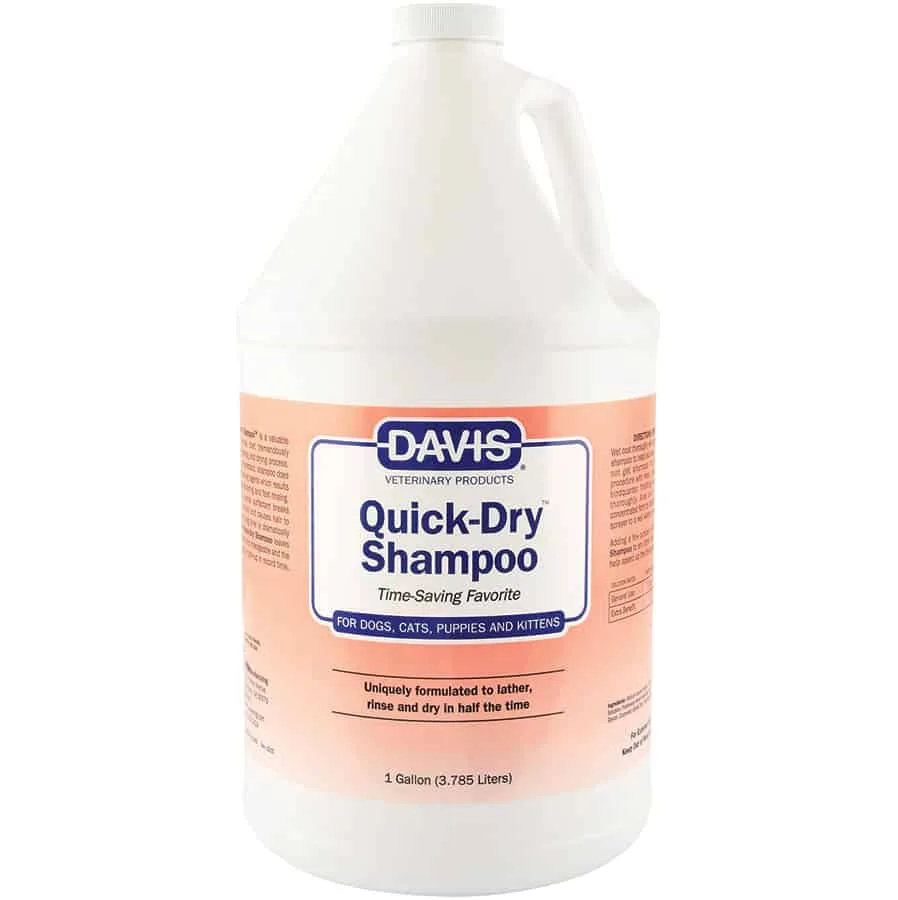
- Davis Quick Dry Shampoo Gallon: A professional concentrated formula that lathers, rinses, and dries faster than traditional shampoos, leaving coats clean, fresh, and lightly scented with a Rain Fresh fragrance. Faster drying means less time spent wet and chilled after a bath, which matters for birds and small pets that lose heat quickly.
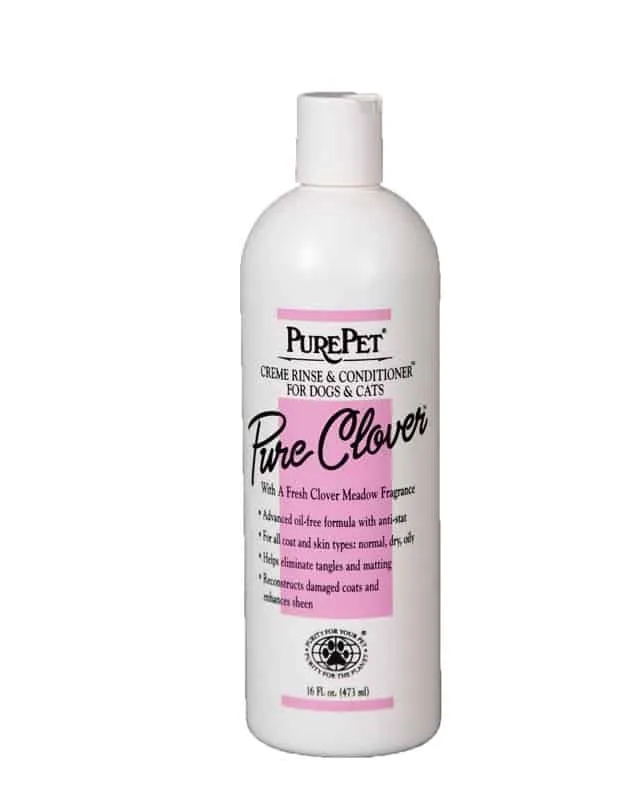
- PURE PET Pure Clover Cream Rinse 16 oz: A pH-balanced conditioner that helps eliminate tangles and matting while moisturizing and enhancing shine without heavy oils or waxy residue. A rinse that does not leave residue is the safer choice around birds, since residue can transfer to feathers and be ingested during preening.
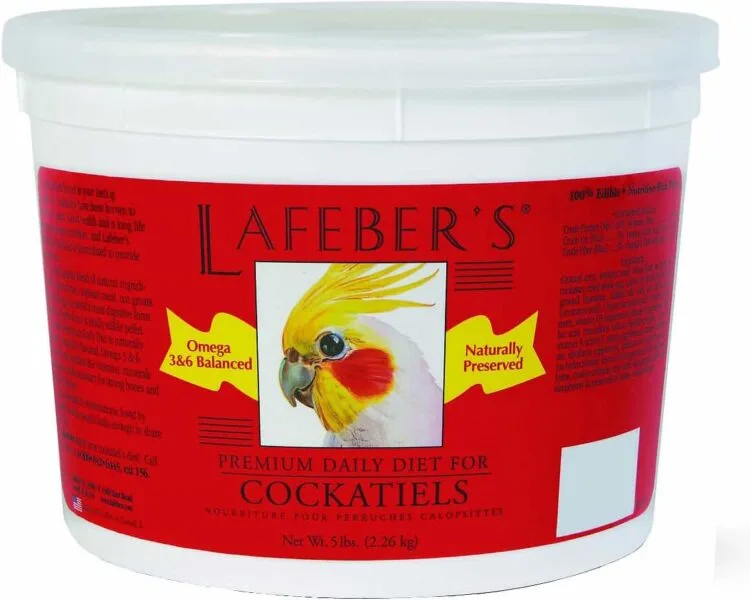
- Lafeber Cockatiel Pellets Bird Food 5 lb: A complete pellet diet for cockatiels and small parrots with balanced nutrition and natural flavor. Pellets are less messy than loose seed mixes, so they reduce hull waste in the cage and make daily cleanup faster.
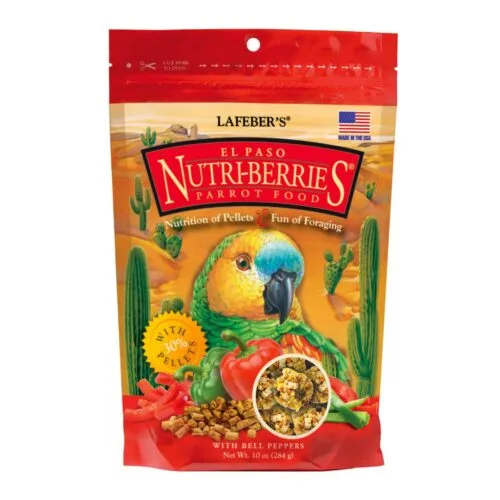
- Lafeber’s El Paso Fruit Nutri-Berries For Parrots 10 oz: A nutritionally complete foraging food for parrots with real pieces of red and green bell pepper and spices like chili powder, cumin, garlic, and oregano. Foraging foods give birds mental activity, but any fresh or moist food must be removed the same day to keep the cage hygienic.
Bird cage cleaning works best as a rhythm, not a rescue mission. Handle the daily items, scrub weekly, deep clean monthly, and let your bird's behavior tell you when something is off. A consistent routine protects bird health far more than any single product, and it keeps the cage a place your bird actually wants to be.