Quick answer
Makeup settles into fine lines when the skin underneath is under-hydrated, when too much product is layered in one spot, or when a heavy powder locks everything into every crease. Fix the base first, then thin out your layers. If the creasing still returns within an hour, the product texture is the problem, not your technique.
Why product migrates into lines in the first place
Fine lines are not flat surfaces. When you apply a cream or liquid over them, the product sits on top of the ridge and pools in the dip. Any movement after that, like smiling or blinking, pushes it deeper. Dry skin makes this worse because the product has nothing to grip and slides into the nearest groove. Oily skin makes it worse in a different way: the makeup breaks down and drifts. That is why the same concealer can look smooth on one person and patchy on another.
The fix is not more coverage. Adding another layer over a crease almost always makes it more visible, because now there is more product to collect in the line. The goal is to keep each layer thin and let the skin underneath stay flexible.
Prep the area before you apply anything
Start with clean, lightly hydrated skin. If your under-eye area feels tight after cleansing, give it a moment to absorb a thin layer of moisturizer before you go in with makeup. You do not need a separate eye cream for this; the point is to remove dryness, not to add a new step. Wait about a minute so the surface is not slippery.
If you use a primer, keep it to the areas that actually crease rather than the whole face. A thin, tacky layer helps makeup stay put. A thick, silicone-heavy layer can make cream products slide, which is the opposite of what you want in a fine-line area.
Apply less than you think you need
Use a small amount and tap it in with a finger or a damp sponge. Warmth from your finger helps the product melt into the skin instead of sitting on top. Start at the inner corner and work outward, but stop before you reach the outer edge of the eye if that area is not discolored. Most people apply concealer where they do not need it, then wonder why it creases.
If you need more coverage, build it in two thin passes rather than one thick one. Let the first pass set for a few seconds before adding the second. This is slower, but it is the single change that makes the biggest difference for makeup settling into fine lines.
Set selectively, not everywhere
Powder is the most common cause of creasing that looks worse by lunchtime. If you powder the entire under-eye area, you create a dry surface that cracks along every line. Instead, press a small amount only where you tend to get shine, usually the inner corner and the very top of the cheekbone. Leave the area directly under the lash line mostly powder-free.
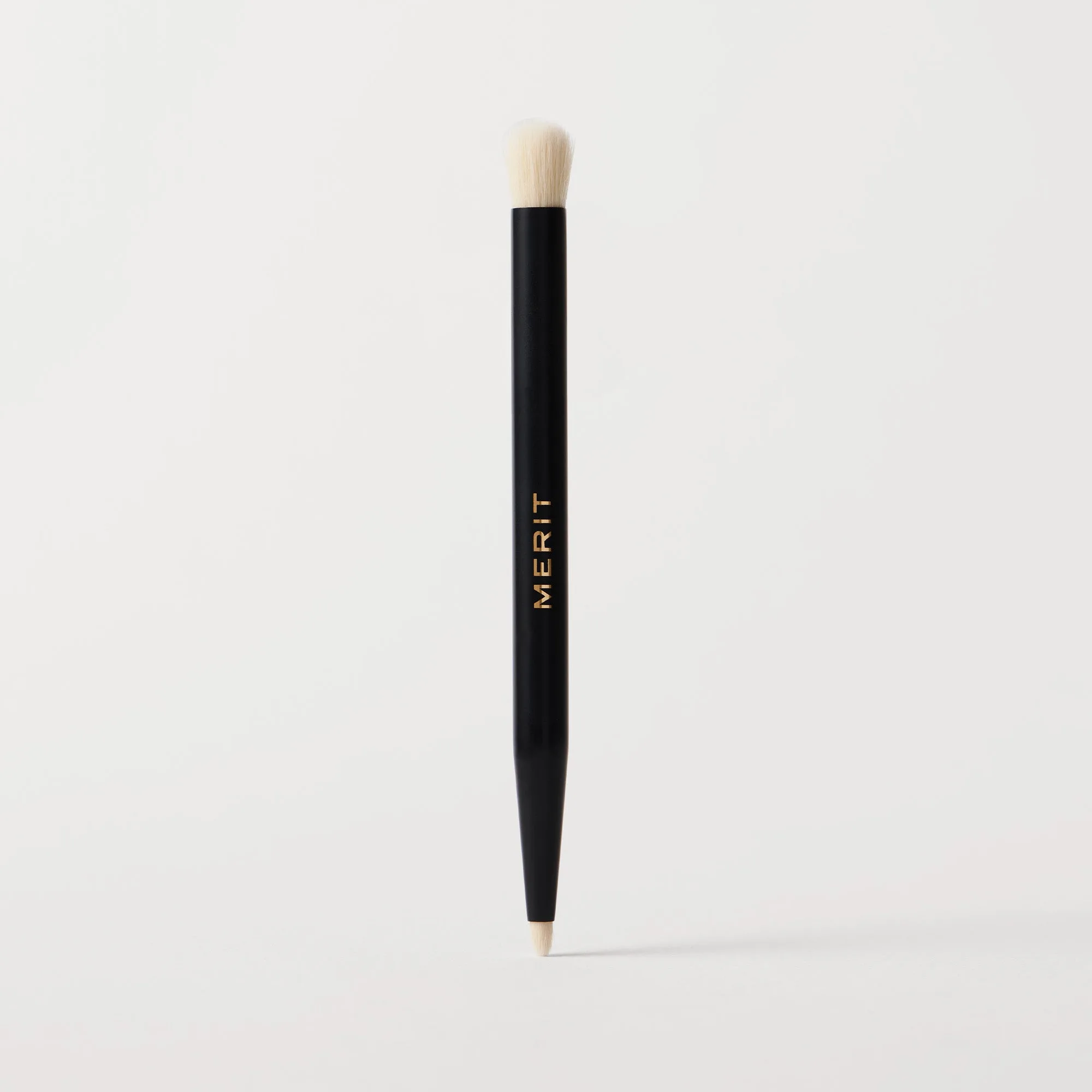
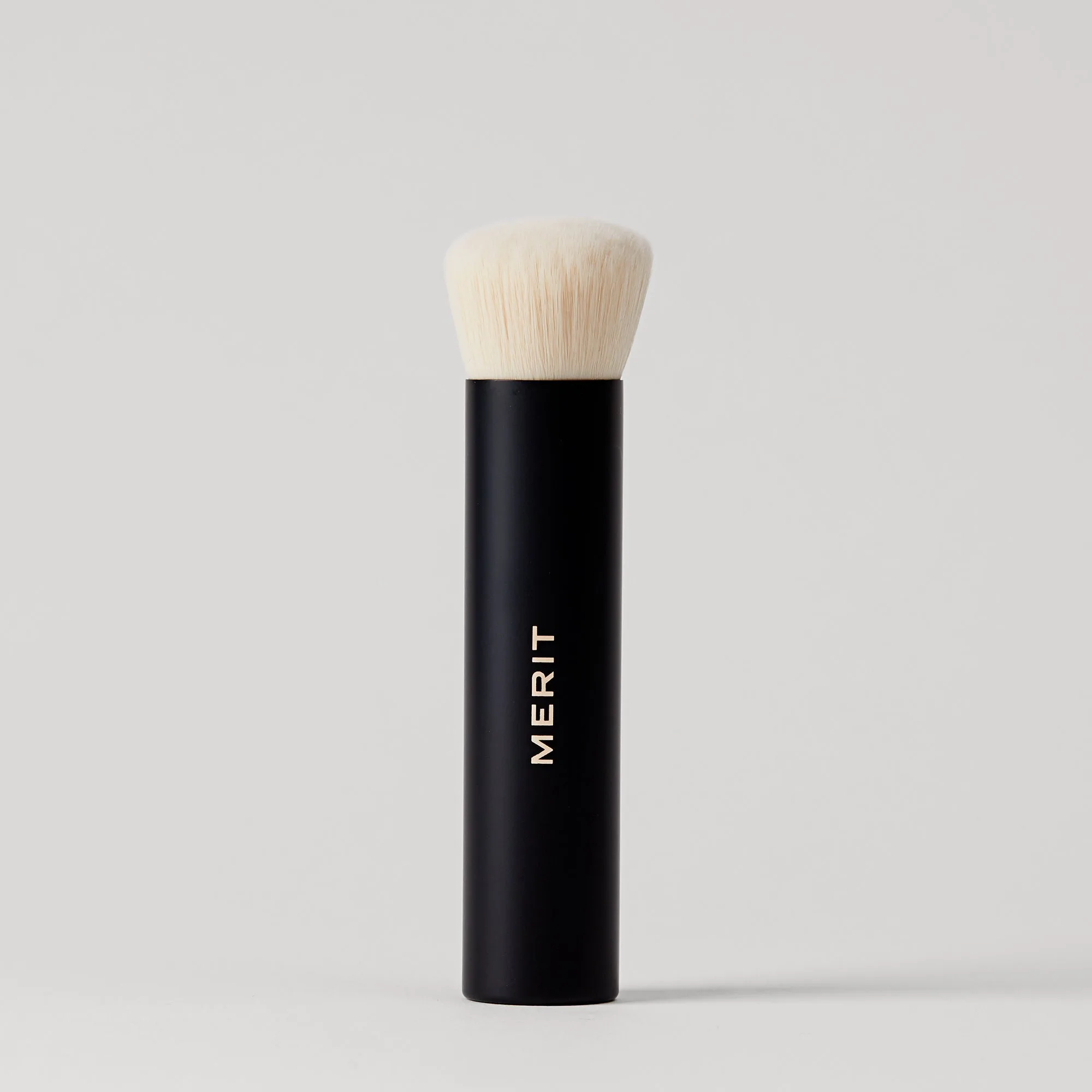
Use a small, fluffy brush and tap off the excess before it touches your face. A light press is enough. Sweeping motion drags the product and disturbs the layer underneath.
Choose textures that move with your skin
Cream and liquid formulas generally crease less than heavy matte powders because they stay flexible. That does not mean every cream product works for every person. If your skin is very oily, a cream may break down faster. If your skin is very dry, a powder may look chalky. Match the texture to your skin type rather than to a trend.
For lips and cheeks, a lightweight tinted oil or a sheer wash of color is easier to blend over fine lines than a dense, matte formula. You can see this in how a tinted lip oil like Shade Slick behaves: it gives a wash of color and a soft sheen without a heavy film, so it does not sit in lines the way a thick matte product can. The same logic applies to any product you place on textured skin.
When to stop adjusting and switch products
If you have thinned your layers, hydrated the area, and set only where needed, and the creasing still shows up within an hour, the product itself is the mismatch. Continuing to adjust technique at that point usually means adding more powder or more concealer, which makes the line more obvious. Stop and try a different texture instead.
A simple way to test this without buying anything new is to apply the product to bare, moisturized skin on one side and your usual full routine on the other. If the bare side creases less, the problem is layering. If both sides crease the same way, the formula is too heavy for that area.
Diagnose your creasing pattern
- Creasing appears within minutes of application: This usually means too much product in one spot or a slippery base underneath. Tap out the excess and skip primer in that area on your next try. If it improves, the issue was layering, not the formula.
- Creasing builds up over the day and looks dry: Powder is the likely cause. Reduce setting powder to only the shiniest spots and leave the line itself mostly bare. If the lines look less visible by afternoon, keep this setting routine.
- Creasing returns even with thin layers and minimal powder: The formula is too heavy or too matte for that area. Try a lighter, more flexible texture before adding more steps. Stop adjusting technique at this point and change the product instead.
Products that fit a minimal, line-friendly routine
- Shade Slick: Shade Slick is a tinted lip oil with a lightweight, non-sticky feel and a pearlescent finish, available in shades including Maraschino, Mapleton, Taupe, and Marrakech. A sheer, flexible texture is easier to wear over fine lines than a dense matte product, and the non-sticky feel means it will not drag the skin when you reapply.
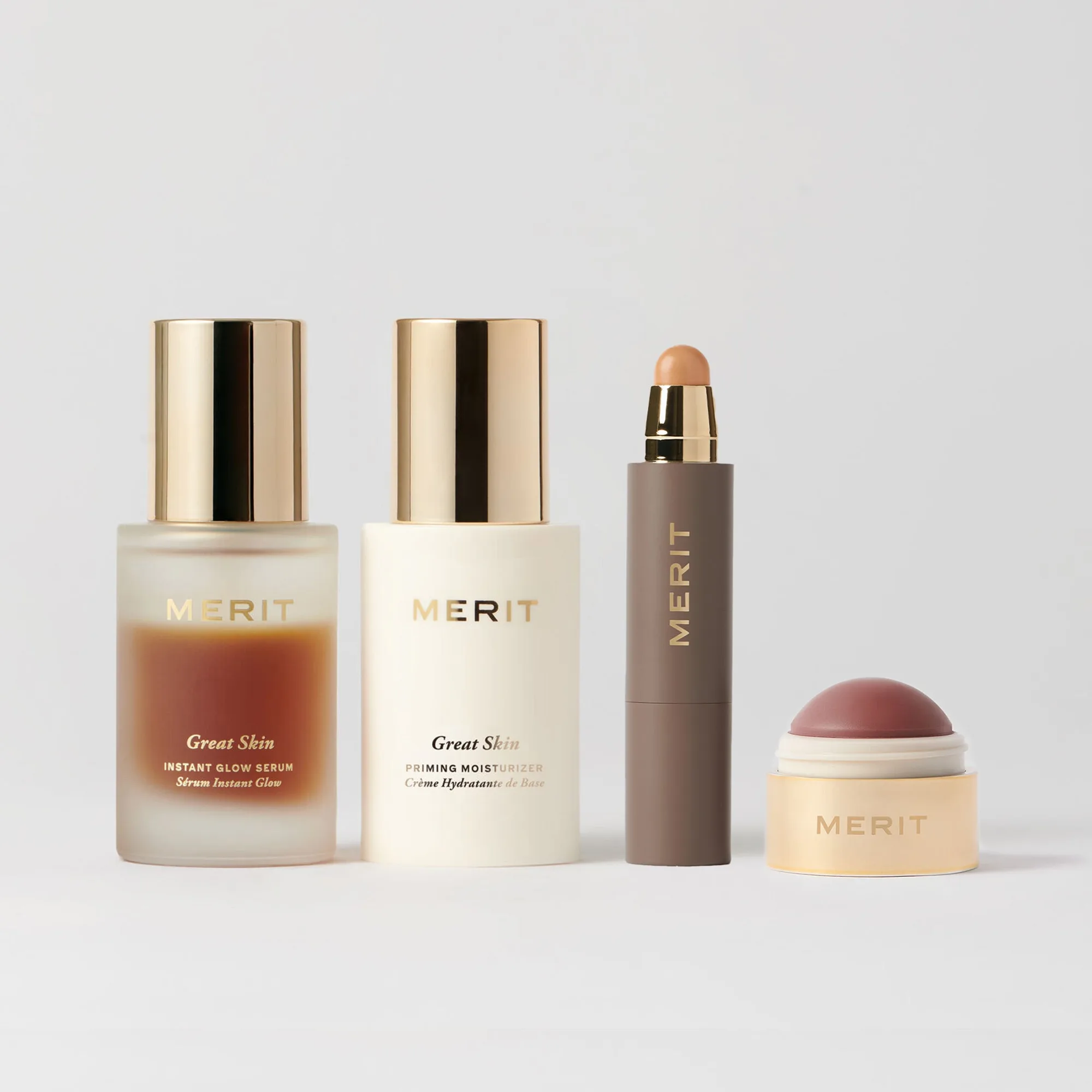
- The Great Skin Trio: The Great Skin Trio is a curated set of skincare essentials designed for a clean, minimalist routine and everyday use. If dryness is the reason your makeup is settling into lines, simplifying your prep to a few core steps is more useful than adding more makeup layers on top.
![[Pre-Seeding] Lip Liner Ext (EU)](https://xilands.com/api/media/sync/2f/2f03adfb62930cb47c8cdc5ebfc0b00c00572cabe8c5a936b50a81387fa1a743.webp)