Quick answer
A satin bonnet usually slides off because the band is too loose for your hair volume or the satin has no grip against your hair or pillowcase. Choose a bonnet sized to your hair length and density, then anchor it with a silk scrunchie or a low loose bun at the nape. If it still slips after two nights, the size or band style is wrong for you—switch to a different fit rather than tightening the band.
Why satin bonnets slip in the first place
Satin is smooth by design, which is exactly why it reduces friction on your hair. But that same smoothness means it can glide over a pillowcase instead of gripping it. Overnight movement—tossing, turning, and pressing your head into the pillow—creates a slow slide that works the band upward and off. The fix is not to make the band tighter, because a tight band causes dents, headaches, and breakage at the hairline. Instead, you want the bonnet to stay put through fit, anchor points, and a little friction management.
Check the band before you blame the bonnet
A secure yet gentle stretch band should sit flat against your forehead and nape without leaving deep marks. If you can slide two fingers under the band easily, it is too loose. If it leaves a red line after 20 minutes, it is too tight. The goal is contact, not compression. If your bonnet has an adjustable band or tie, set it so it stays put when you gently shake your head side to side—that is your baseline before bed.
Match the bonnet size to your hair length and density
A bonnet that is too small will pop off when your hair expands inside it; one that is too large will slide because there is no tension. For mid-length hair, a standard bonnet usually works. For long or thick hair, you need extra depth so your hair can sit loosely without pushing the band up. If your hair is fine or short, a smaller bonnet with a closer fit prevents the fabric from shifting. The product description should state the intended hair length or volume—if it does not, treat that as a limitation and measure your head circumference before buying.
Anchor your hair so the bonnet has something to hold
Loose hair inside a bonnet moves as a single mass and can drag the bonnet with it. Gather your hair at the nape with a silk scrunchie or a very loose low bun, then tuck it into the bonnet. This keeps the hair centered and reduces the pull on the band. Do not use a tight elastic or a high bun—that creates tension at the roots and can cause breakage. If you have very long hair, a loose braid also works and keeps the length from bunching against the back of the bonnet.
Reduce the slide between bonnet and pillowcase
Satin on satin is the slipperiest combination. If your pillowcase is also satin or silk, the bonnet has nothing to grip. Try a cotton pillowcase underneath, or place a silk pillowcase over a cotton one to add a little traction. You can also tuck the edge of the bonnet under the pillowcase seam at the nape—just enough to hold it without pulling. Avoid using clips or pins directly on the bonnet band, as they can snag the satin and create runs.
Diagnose why your bonnet slips
- Symptom: Bonnet is off the front of your head by morning: Likely cause: The band is too loose for your hair volume, or your hair is pushing the bonnet forward as you sleep. Corrective action: Anchor your hair low at the nape with a silk scrunchie, then choose a bonnet sized for your hair length. If the band still slides, it is too large. If the band leaves no mark and slides off, size down or switch to a smaller fit.
- Symptom: Bonnet stays on but leaves deep marks on your forehead: Likely cause: The band is too tight, often because you tightened it to stop sliding. Corrective action: Loosen the band and add an anchor at the nape instead. A tight band causes breakage and discomfort, not better hold. Stop tightening. If you cannot loosen it without it falling off, the bonnet size is wrong.
- Symptom: Bonnet slides only when you use a satin pillowcase: Likely cause: Satin against satin creates almost no friction. Corrective action: Use a cotton pillowcase underneath or tuck the bonnet edge under the pillowcase seam. Keep the bonnet, change the pillow surface. If it stays on with a cotton pillowcase, the bonnet fit is fine—adjust your bedding, not the bonnet.
- Symptom: Bonnet pops off when you have long or thick hair: Likely cause: Not enough depth in the bonnet, so your hair pushes the band up. Corrective action: Choose a bonnet designed for longer or thicker hair, and keep hair in a loose braid or low bun to reduce volume at the crown. If a standard bonnet fails after two nights with long hair, switch to a long-hair specific size.
Bonnet options that address fit and hold
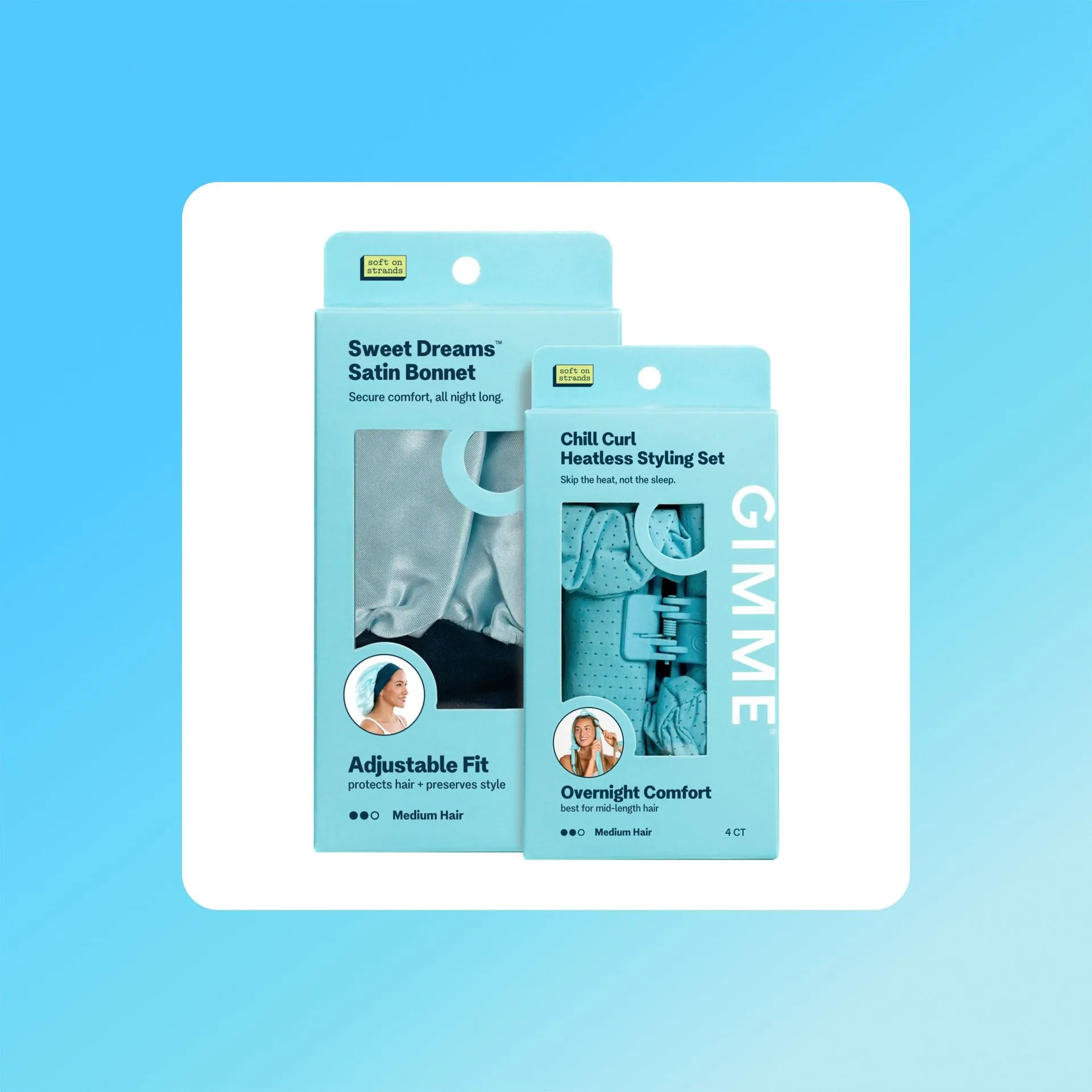
- Sweet Dreams Satin Sleep Bonnet For Most Hair Types - Black: Sweet Dreams Satin Sleep Bonnet For Most Hair Types - Black is made from ultra-soft satin with a secure yet gentle stretch band designed to stay comfortably in place through tossing and turning. A stretch band that stays put without being tight is the first line of defense against sliding, and the universal sizing suits most hair types.
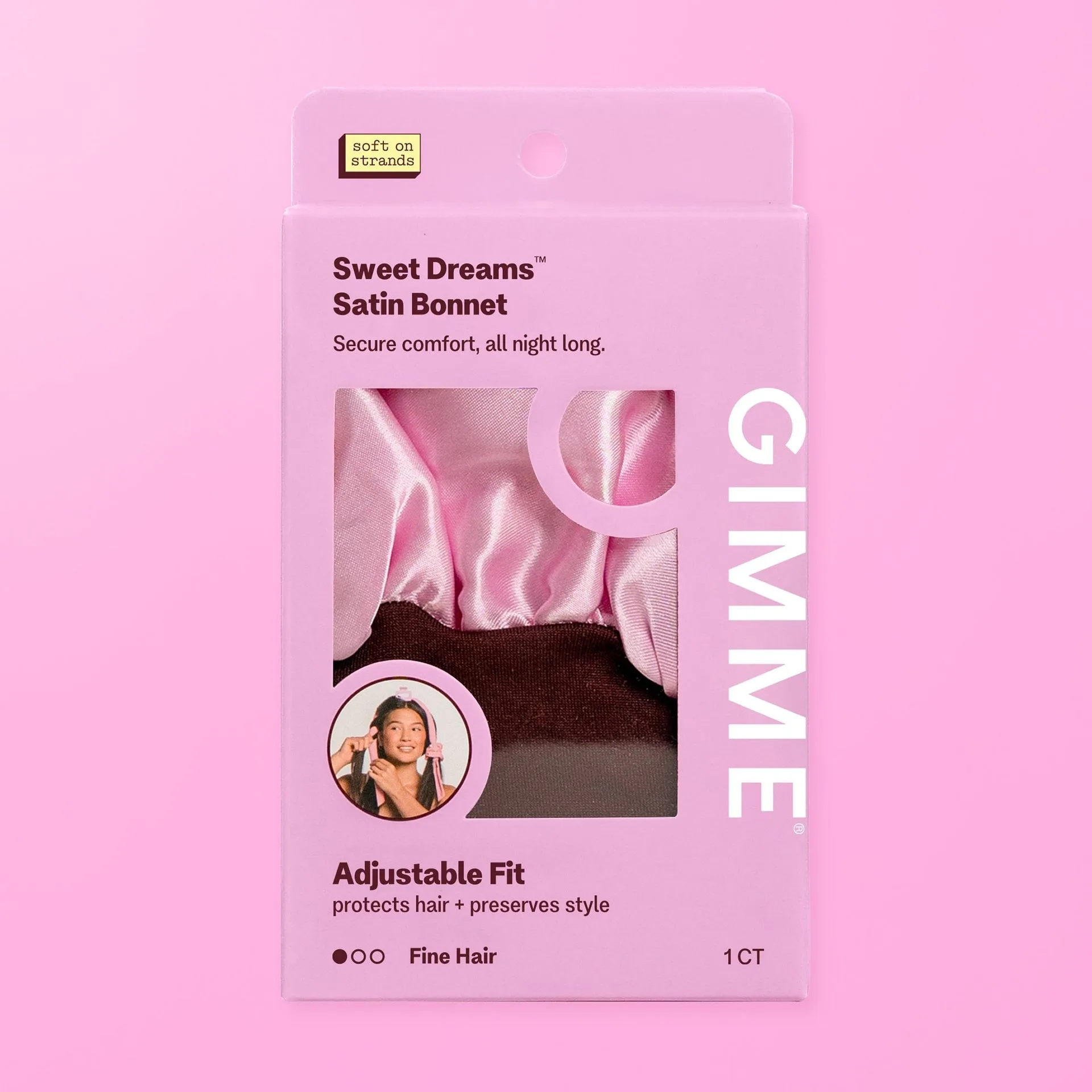
Sweet Dreams Satin Sleep Bonnet
- Sweet Dreams Satin Sleep Bonnet For Mid-Length Hair: Sweet Dreams Satin Sleep Bonnet For Mid-Length Hair uses the same satin and gentle stretch band, sized for mid-length hair. If your bonnet slides because it is too large, a mid-length size reduces excess fabric that can shift during sleep.
- Sweet Dreams Satin Sleep Bonnet For Longer Hair - Lilac: Sweet Dreams Satin Sleep Bonnet For Longer Hair - Lilac is designed to hold thick, voluminous, and textured hair with a secure yet gentle stretch band. Long or thick hair needs extra depth so the bonnet does not pop off when hair expands inside it; this size gives that room without a tight band.