Quick answer
Knead bread dough in a stand mixer on speed 2 with the dough hook, and stop as soon as the dough clears the bowl and feels tacky but not hot. Most doughs need 4 to 8 minutes. To prevent overheating, knead in short bursts, never exceed speed 2, and keep batches within your mixer's dough capacity.
Match dough weight to your mixer's capacity
Overheating often starts before you turn on the mixer. If you cram too much dough into the bowl, the motor works harder, the dough climbs the hook, and friction heat builds fast. A stand mixer's dough capacity is set by the manufacturer and is usually lower than its maximum bowl volume. Check your manual for the dough weight limit and scale your ingredients. If a recipe makes more dough than your mixer can handle, split it into two batches and knead them separately. This single habit prevents most overheating problems.
Use speed 2 and watch the dough, not the clock
KitchenAid stand mixers are designed to knead on speed 2. Higher speeds do not knead faster; they just add friction and heat. Start the mixer on stir to combine, then move to speed 2. Set a timer for 4 minutes, then check the dough. It should be smooth, elastic, and slightly tacky. If it still tears easily, knead for 2 more minutes and check again. The total time depends on hydration and flour, so let the dough's texture tell you when to stop.
Cool the dough between kneading bursts
If the bowl feels warm to the touch, stop and let it rest for 5 to 10 minutes. This lets heat dissipate and keeps the dough below the temperature where yeast activity speeds out of control. For stiff doughs or a warm kitchen, use a chilled bowl or ice water in the recipe. Never knead continuously for more than 10 minutes without a pause; short bursts protect both the motor and the dough.
Know when to stop and finish by hand
Over-kneading is as damaging as overheating. Once the dough passes the windowpane test, stop. If your mixer starts to slow, smell hot, or the bowl gets uncomfortably warm, transfer the dough to a counter and finish kneading by hand for 1 to 2 minutes. This gives the motor a break and lets you feel the dough's final texture. For enriched doughs with butter-76064">butter or sugar, expect a longer knead and more frequent pauses.
Step-by-step: kneading bread dough without overheating
- Weigh your dough and check capacity: Scale ingredients and compare total dough weight to your mixer's manual limit. If it exceeds the limit, split into two batches. Checkpoint: dough should not fill more than about half the bowl before kneading.
- Combine on stir, then switch to speed 2: Mix flour and liquid on stir until shaggy, then lock the dough hook and run on speed 2. Never knead above speed 2. Mistake to avoid: starting on a higher speed to save time, which adds friction heat.
- Knead in 4-minute bursts, checking texture: Set a timer for 4 minutes. Stop and feel the dough. If it is smooth and elastic, stop. If not, knead 2 more minutes. Checkpoint: dough should clear the bowl sides and feel tacky, not hot.
- Pause if the bowl feels warm: If the bowl is warm to the touch, rest the dough for 5 to 10 minutes before continuing. Use a chilled bowl in hot kitchens. Mistake to avoid: pushing through warmth, which can overheat the motor and overproof the dough.
- Finish by hand if the mixer strains: If the motor slows, smells hot, or the dough climbs the hook, transfer to a counter and knead by hand for 1 to 2 minutes. Next step: shape and proof as your recipe directs, then bake.
Stand mixers built for dough
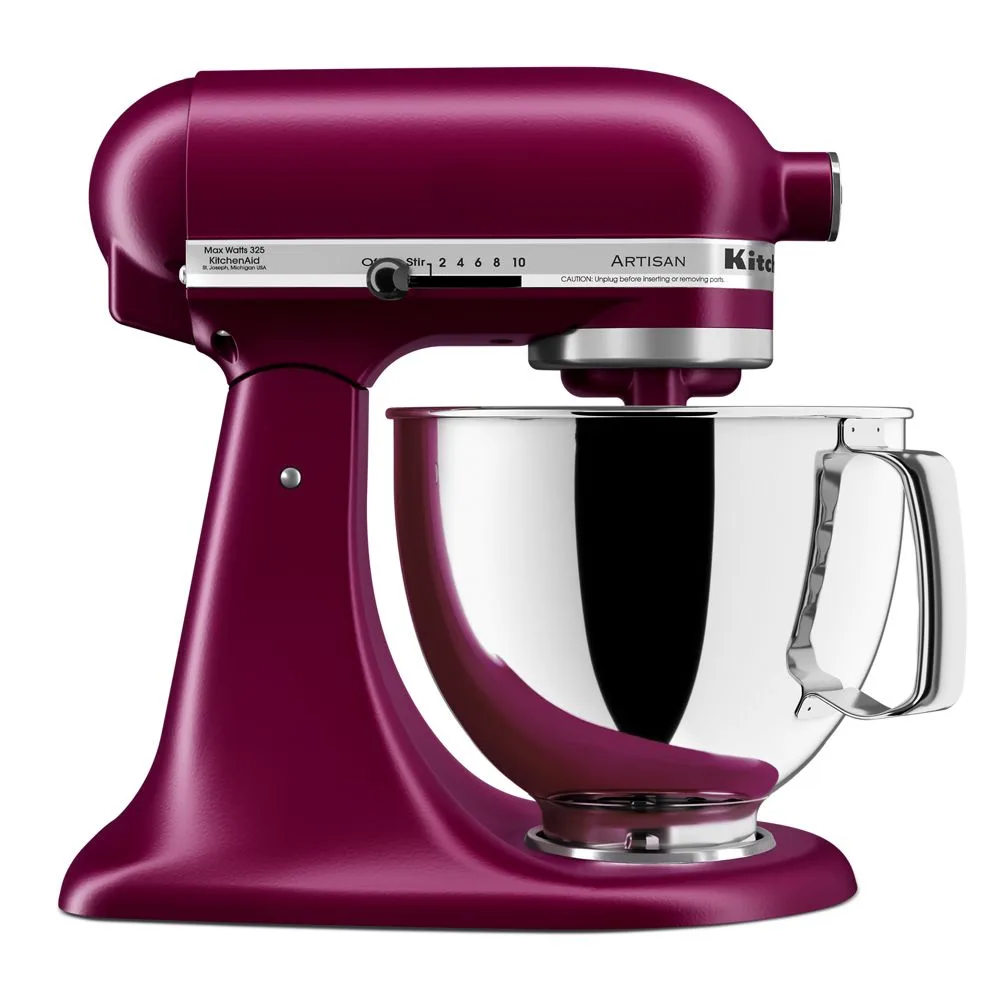
- Empire Red: Part of KitchenAid's All Stand Mixers category, built for mixing, kneading, and whipping with ease. A mixer designed for kneading handles dough more efficiently, reducing the strain that leads to overheating.
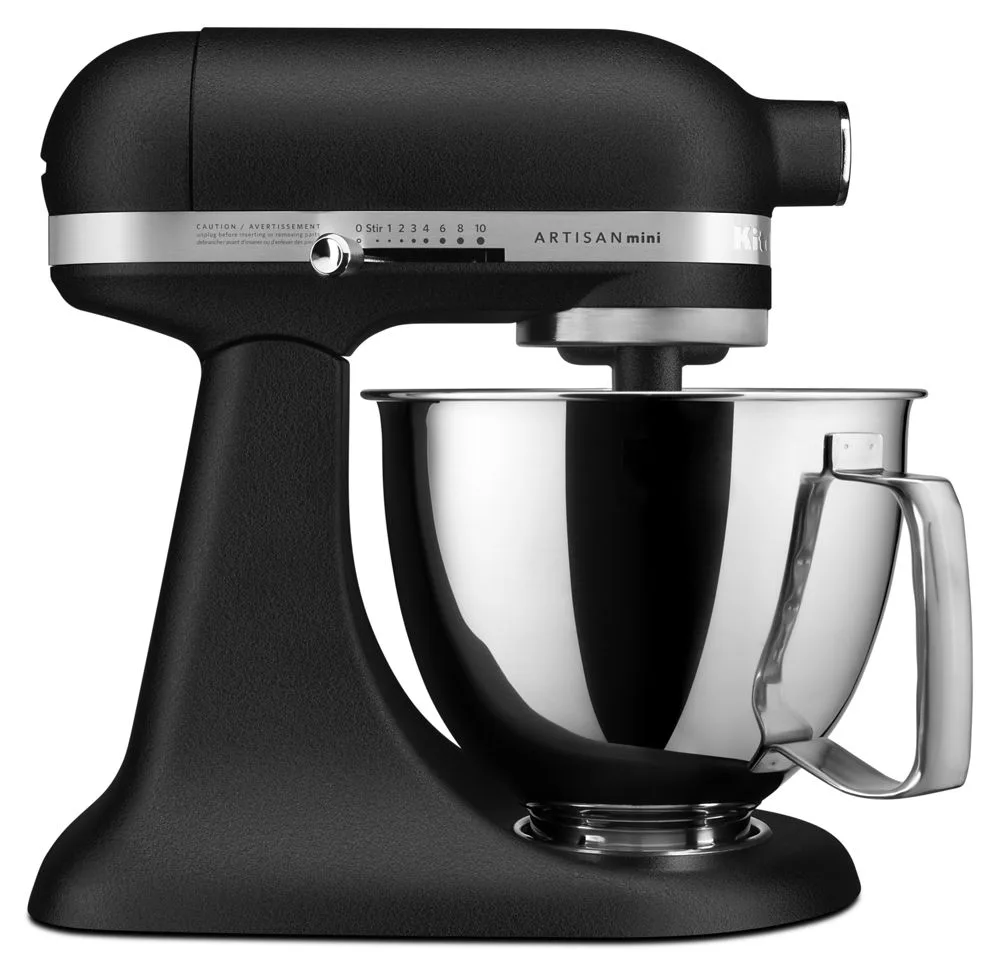
- Ink Blue: Powerful motor handles everything from whipping cream to kneading dough. A motor rated for kneading can run longer at speed 2 without the overheating risk of a lighter-duty appliance.
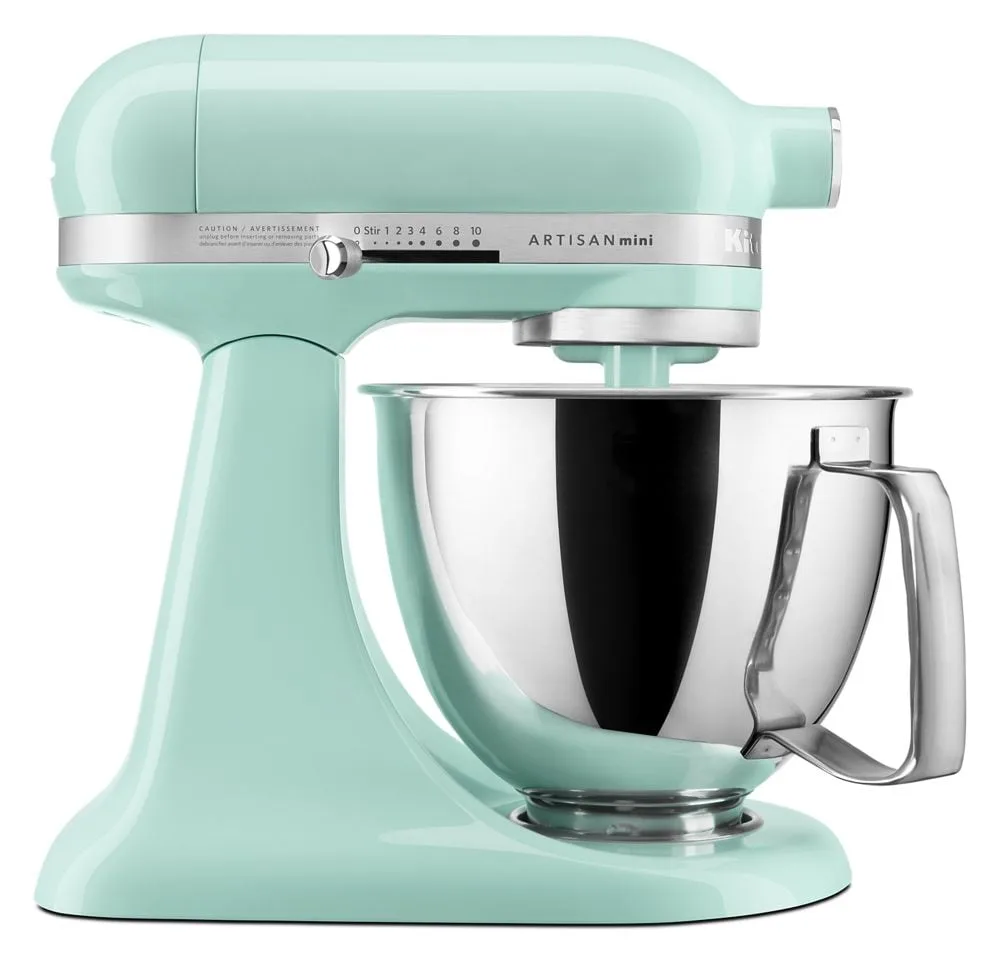
- Ice: Part of the KitchenAid stand mixer family, known for reliable performance. Reliable performance means consistent speed 2 kneading, which helps you time your batches and avoid motor strain.