Quick Answer
Layer azelaic acid after water-based serums (like vitamin C or niacinamide) and before heavier creams. For retinol, use azelaic acid in the morning and retinol at night, or alternate nights. Always start with lower frequency to test tolerance.
Why Layering Order Matters
Azelaic acid is a gentle multitasker that brightens skin, evens tone, and refines texture. But when combined with other actives, the order you apply them determines how well each ingredient works and whether your skin stays calm. Applying actives in the wrong sequence can reduce their efficacy or cause irritation.
Morning vs. Night: Where Azelaic Acid Fits
Azelaic acid is stable in sunlight and works well in a morning routine. In the morning, apply it after vitamin C and before moisturizer and sunscreen. At night, you can pair it with niacinamide or use it on retinol-off nights. Avoid combining azelaic acid and retinol in the same session unless your skin is fully acclimated.
Step-by-Step Azelaic Acid Layering Routine
- Step 1: Cleanse and prep: Start with a gentle cleanser, then apply a hydrating toner if your skin needs extra moisture. Wait until your face is slightly damp before the next step. Common mistake: applying actives to dry skin can increase irritation. Keep skin lightly damp for better absorption.
- Step 2: Apply vitamin C (morning only): Use a vitamin C serum first, letting it absorb for 1-2 minutes. Vitamin C works best at a low pH, so applying it before azelaic acid ensures it penetrates effectively. Checkpoint: if you feel tingling, wait longer between layers or reduce vitamin C concentration.
- Step 3: Apply azelaic acid: Apply a pea-sized amount of azelaic acid product evenly over your face, avoiding the eye area. Let it sink in for 1-2 minutes before moving on. Common mistake: using too much product can cause pilling or irritation. Stick to a thin layer.
- Step 4: Layer niacinamide (optional): If using niacinamide, apply it after azelaic acid. Niacinamide is pH-compatible with azelaic acid and can help soothe any potential irritation. Checkpoint: niacinamide and azelaic acid are a gentle pair, but if your skin feels tight, skip niacinamide and use a hydrating serum instead.
- Step 5: Moisturize and protect: Finish with a lightweight moisturizer to lock in hydration, then apply sunscreen in the morning. At night, use a richer cream if needed. Common mistake: skipping sunscreen during the day. Azelaic acid can make skin more sensitive to UV, so SPF 30+ is non-negotiable.
- Step 6: Introduce retinol (night, alternate nights): On nights you use retinol, skip azelaic acid. Start with retinol twice a week, then gradually increase. On other nights, use azelaic acid alone or with niacinamide. Checkpoint: if you experience redness or peeling, reduce retinol frequency and use a barrier repair cream on off nights.
Product Spotlight
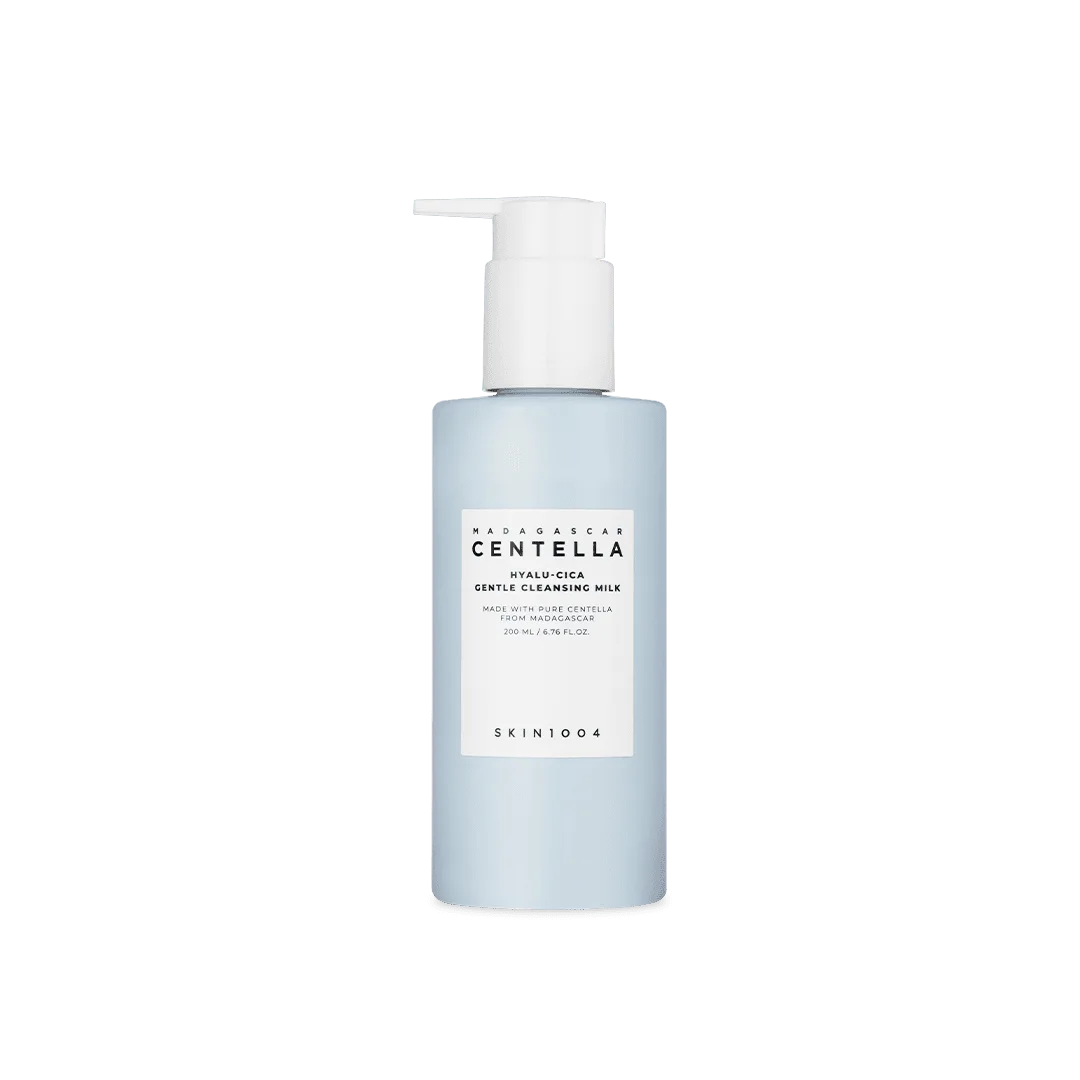
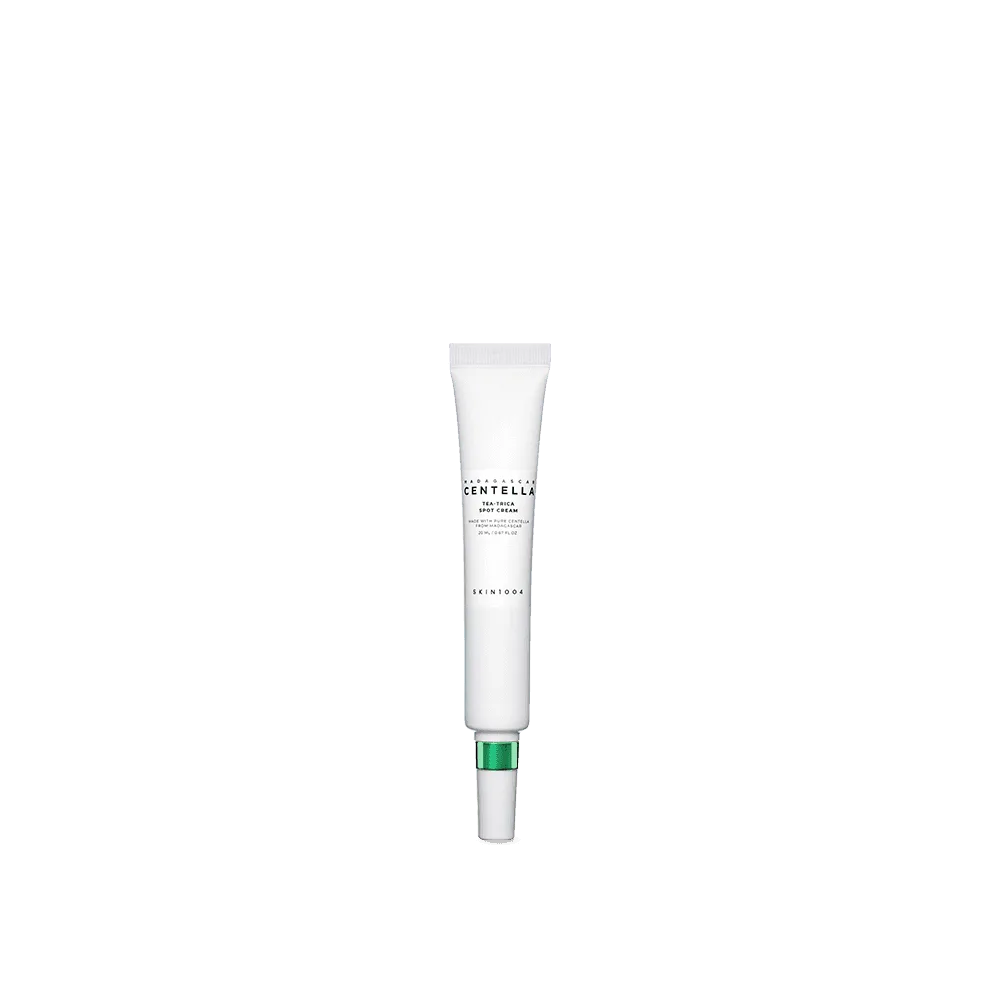
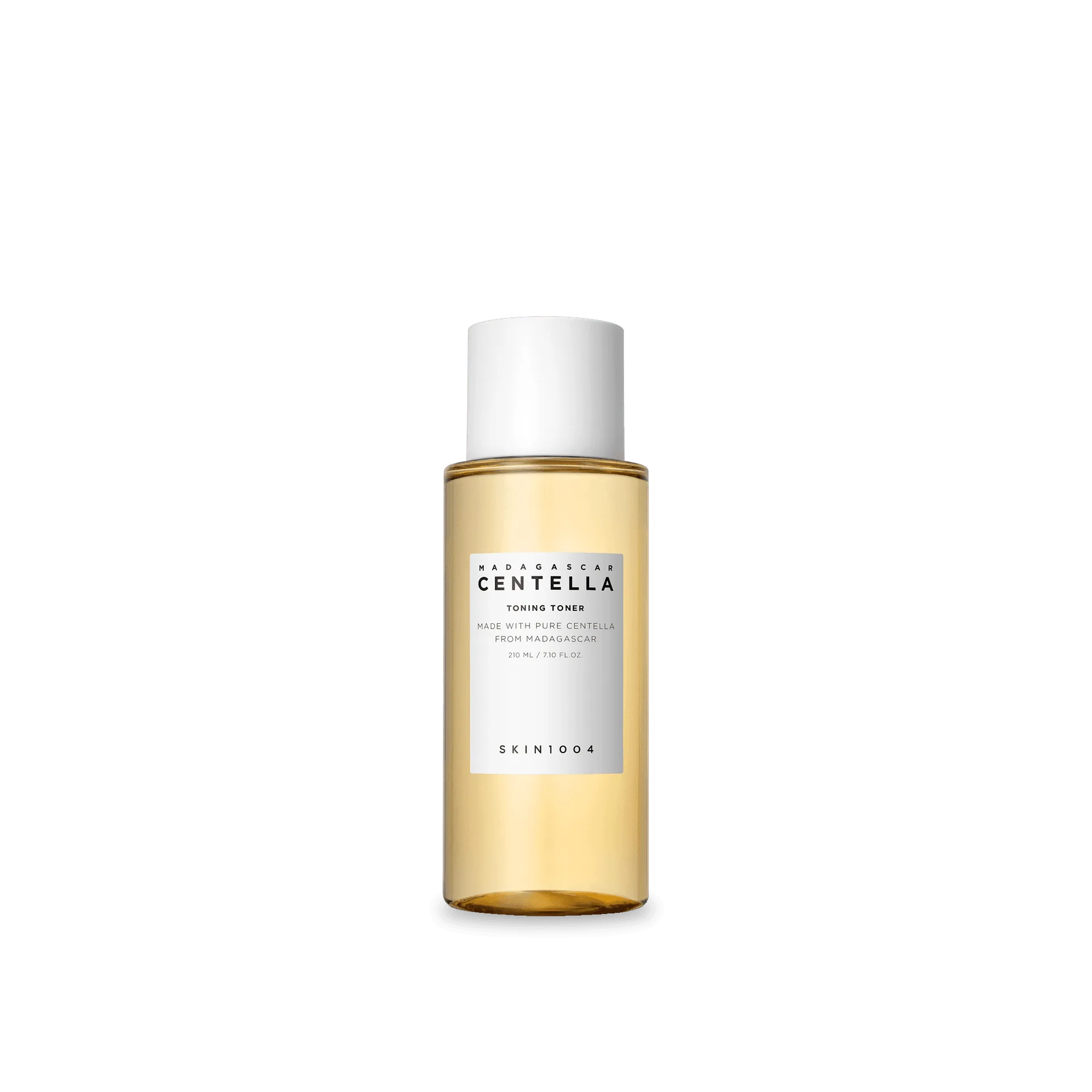
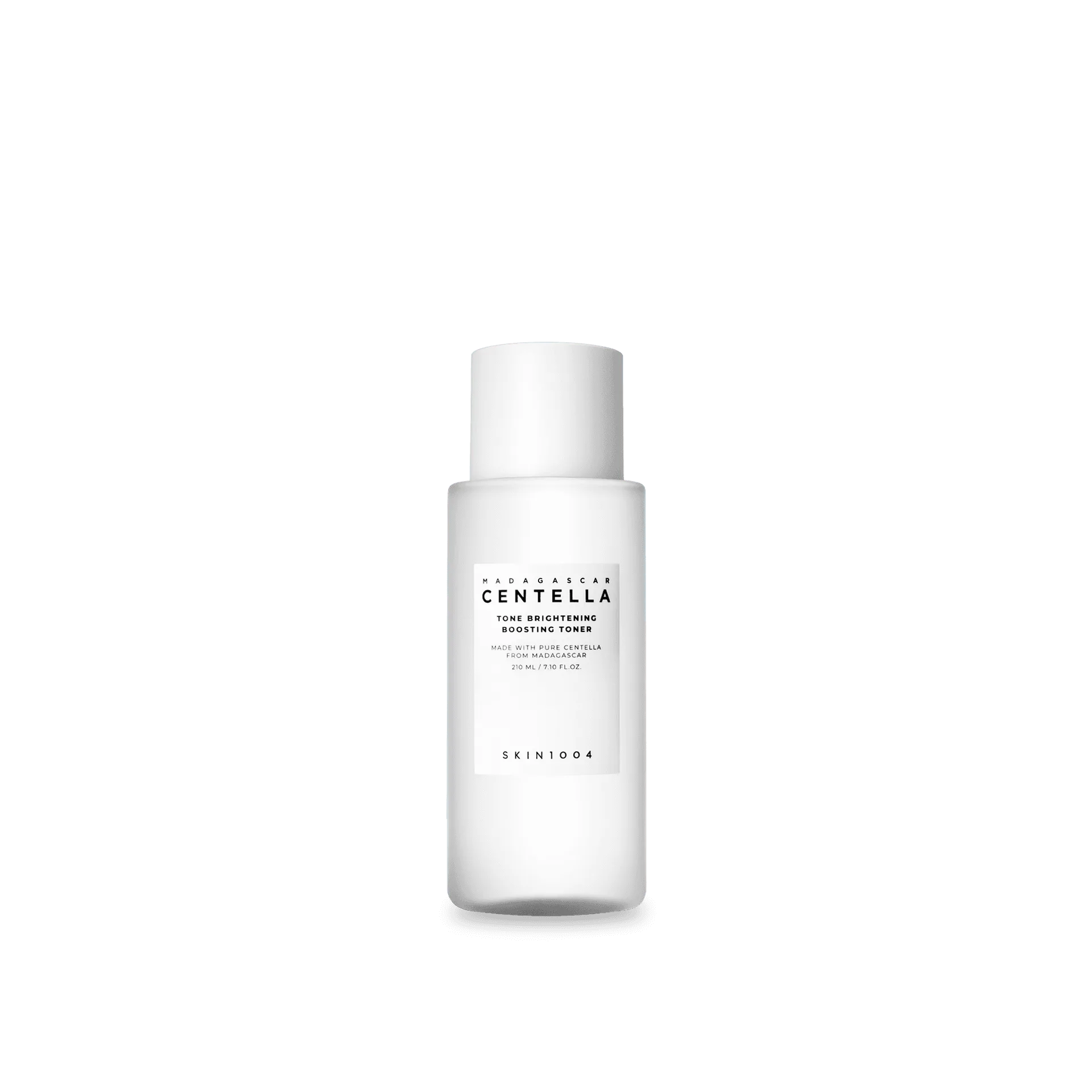
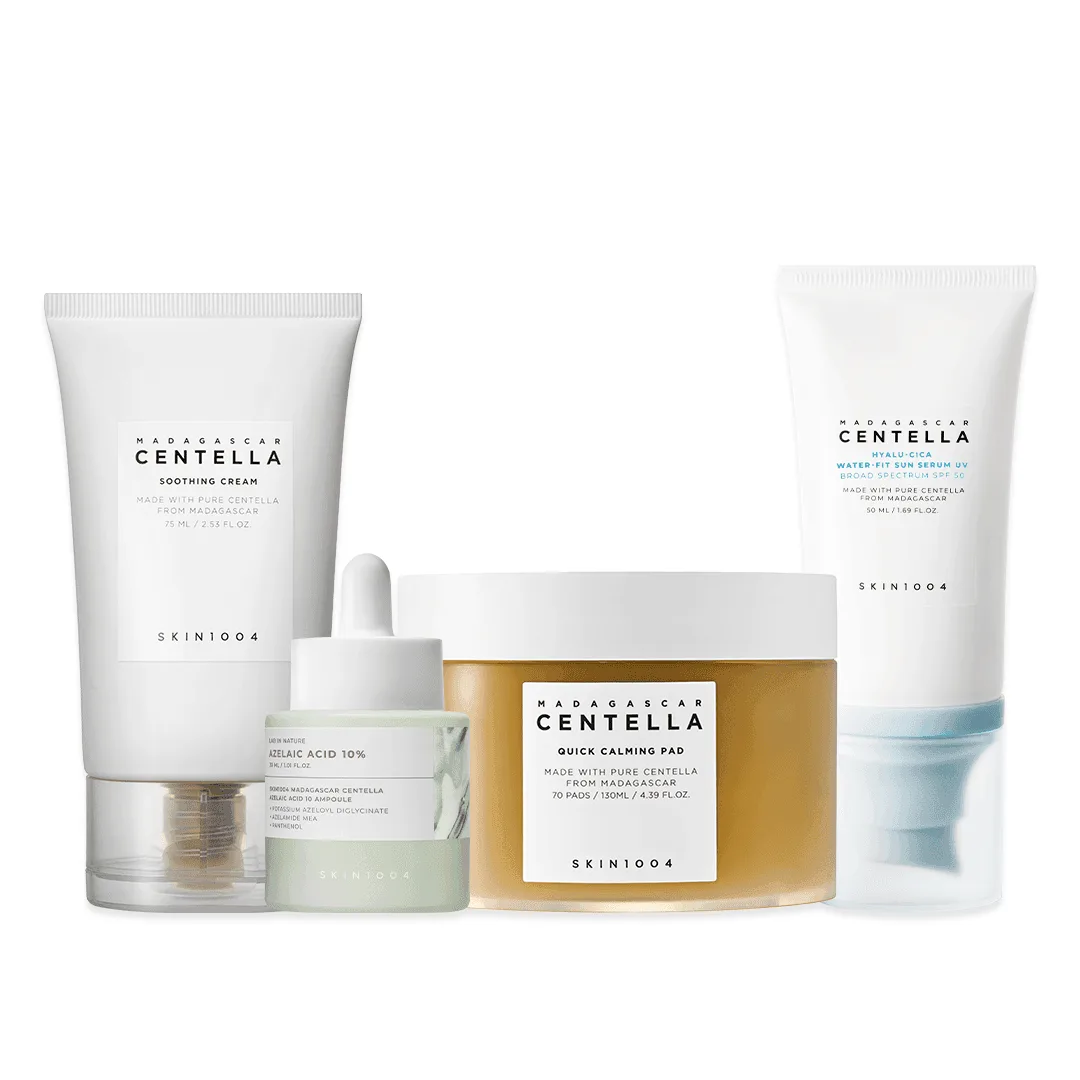
- Azelaic Acid Glass Skin Essential Set: The Azelaic Acid Glass Skin Essential Set from SKIN1004 brings together key skincare essentials in one convenient bundle. This set is designed to support a smooth, clear, and radiant complexion. Includes carefully selected products to help refine skin texture and promote a glass-like finish. Formulated with azelaic acid, known for its ability to brighten and even out skin tone. This set gives you a complete routine built around azelaic acid, so you don't have to guess which products layer well together. It simplifies the process of achieving a bright, even complexion.