Quick answer
Layering bitters means adding different bitters at different stages of cocktail preparation to create evolving flavor notes. Start with a base bitter in the mixing glass, then finish with a contrasting or aromatic dash on top.
Why layer bitters instead of mixing them all at once?
Adding all bitters together in the shaker or mixing glass blends them into a single note. Layering preserves each bitter's distinct character, letting the drinker taste the shift from one flavor to another as they sip. This technique works especially well with non-alcoholic bitters like Fee Brothers, which rely on concentrated extracts rather than alcohol for their punch.
Choosing bitters that complement each other
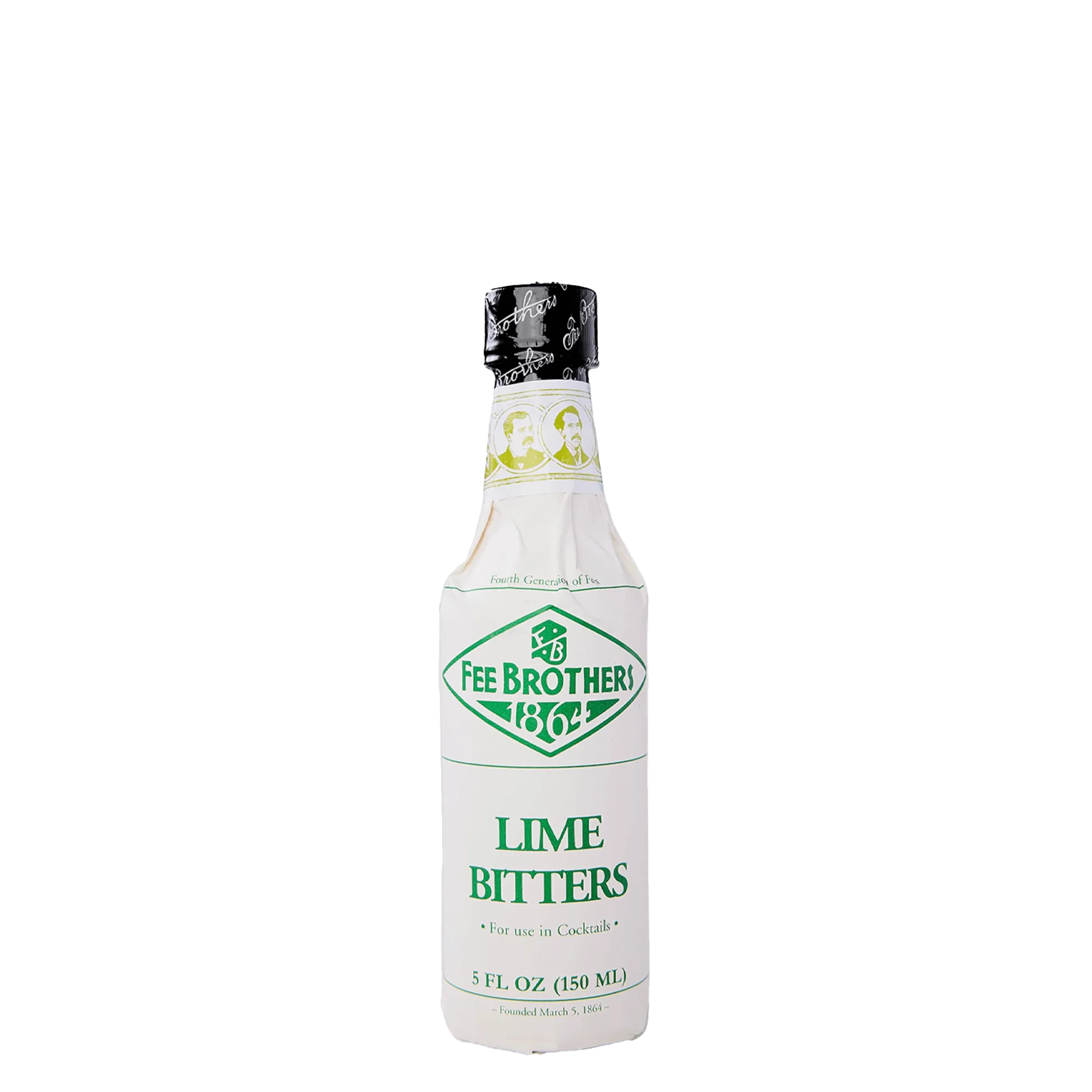
The best layered combinations pair a base bitter that matches the cocktail's main spirit (e.g., chocolate or black walnut with whiskey) with a brighter or aromatic bitter (e.g., lime or orange) for contrast. Avoid mixing too many strong flavors—two or three bitters at most. The nutty profile of Fee Brothers Black Walnut Bitters, for example, pairs naturally with Fee Brothers Chocolate Bitters in a whiskey sour, while a dash of Fee Brothers Lime Bitters can lift the finish.
Steps to layer bitters in a cocktail
- Build the base layer: Add the first bitter (e.g., 2 dashes of Fee Brothers Black Walnut Bitters) to the mixing glass or shaker along with the spirit and sweetener. This layer integrates during dilution and sets the foundation. Common mistake: adding too much base bitter—start with 2 dashes for a standard cocktail.
- Shake or stir the cocktail: Mix the drink as usual (shaking for citrus-based drinks, stirring for spirit-forward ones). The base bitter will be evenly distributed, but its flavor remains distinct because it hasn't been overwhelmed by other bitters.
- Add the top layer after straining: Once the cocktail is in the glass, add 1 dash of a contrasting bitter (e.g., Fee Brothers Lime Bitters) on top. Do not stir—let it rest on the surface so the aroma hits first. Checkpoint: if the top bitter sinks immediately, the drink may be too warm; chill the glass beforehand.
- Garnish and serve immediately: Express a citrus peel or add a fresh herb sprig to bridge the layers. Serve right away so the top aromatic dash remains volatile. Common mistake: waiting too long before serving—the top bitter's aroma fades within 2–3 minutes.
Product facts
-
Fee Brothers Black Walnut Bitters: Fee Brothers Black Walnut Bitters is a non-alcoholic bitters from a US brand with roots in New York, offering a nutty flavor profile for cocktails and mixed drinks. Its rich, nutty taste works as a base layer in whiskey or rum cocktails, adding depth without alcohol.
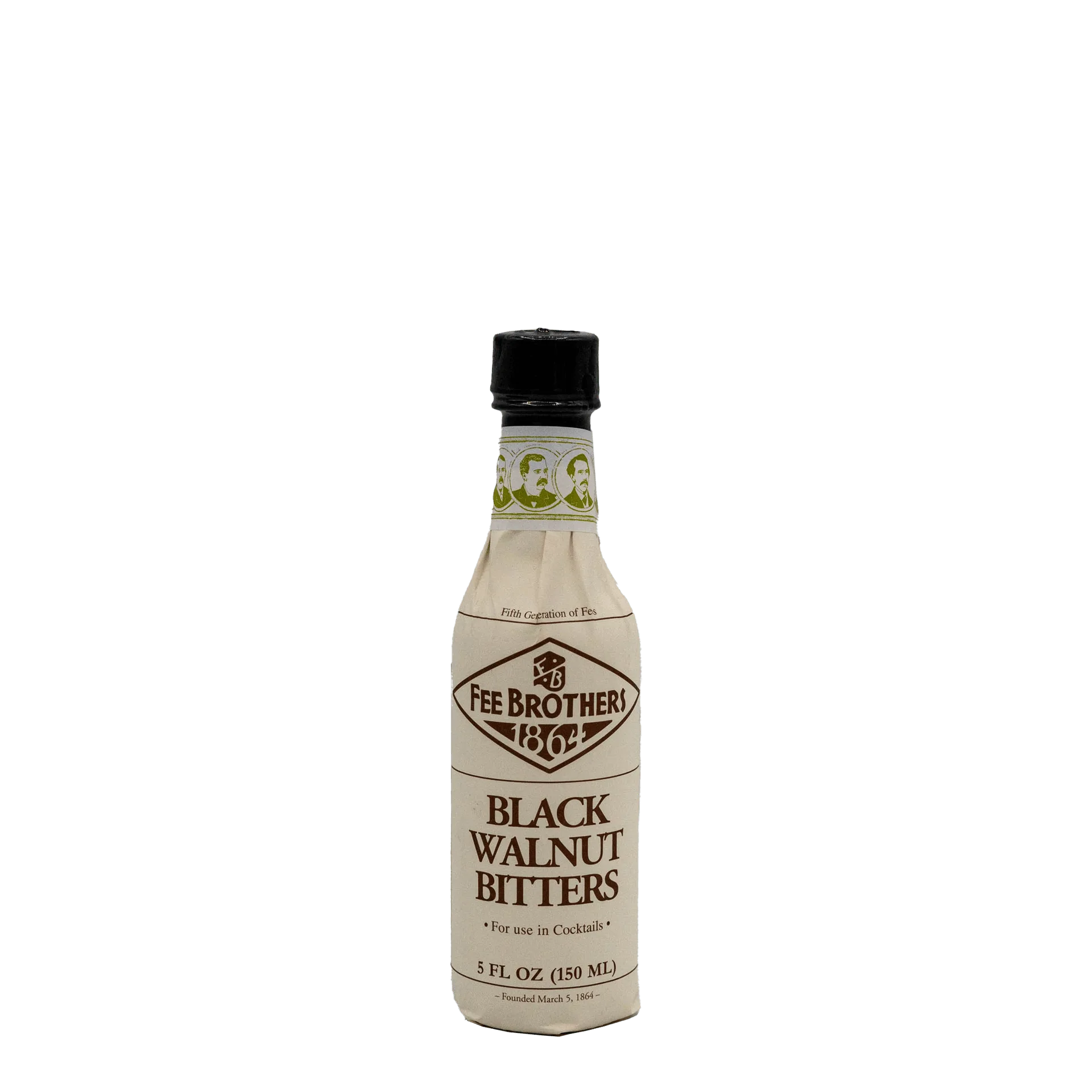
Fee Brothers Black Walnut Bitters
-
Fee Brothers Chocolate Bitters: Fee Brothers Chocolate Bitters is a non-alcohol bitters with chocolate tasting notes, described as a bar staple. The chocolate note complements black walnut or coffee flavors, making it a second layer that extends the finish.
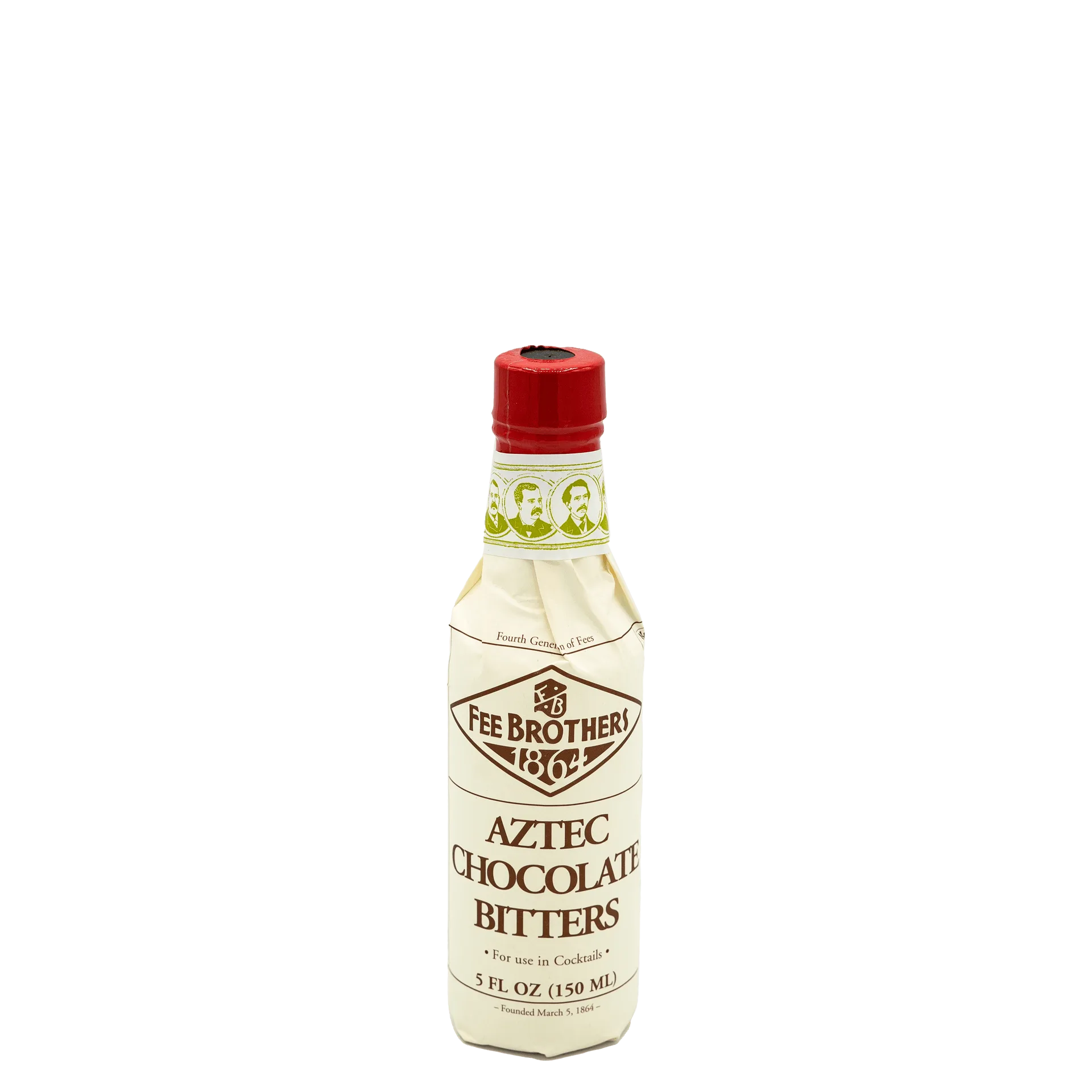
Fee Brothers Chocolate Bitters
-
Fee Brothers Lime Bitters: Fee Brothers Lime Bitters is a non-alcohol bitters option from the US and New York region, offered in a 2/10oz size. Its bright citrus profile works as a top-layer aromatic dash to cut through richer base bitters.